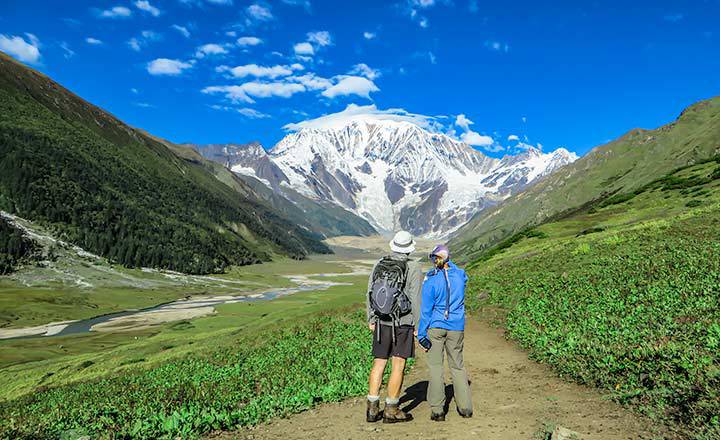
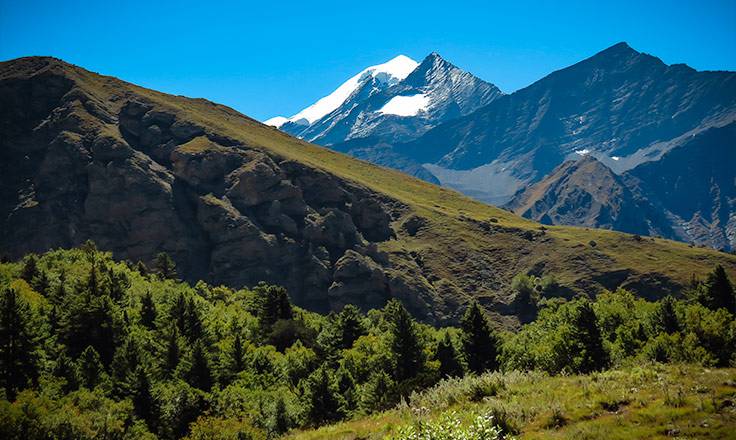
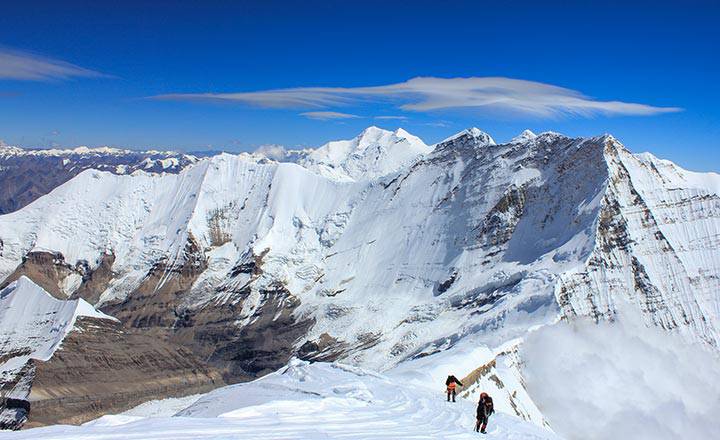
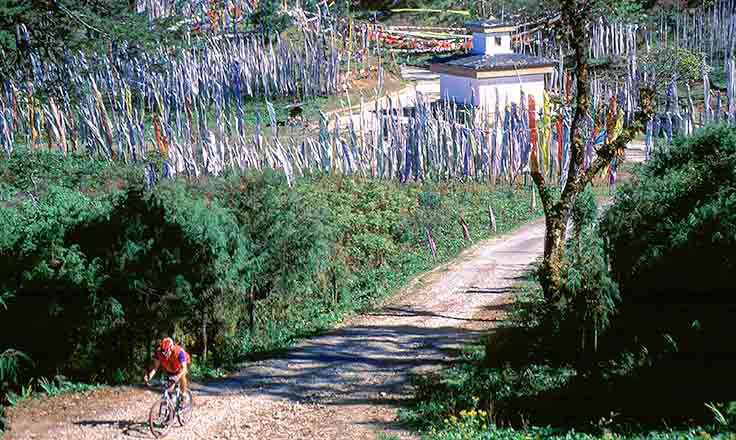
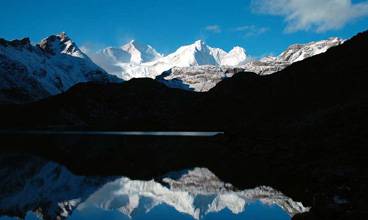
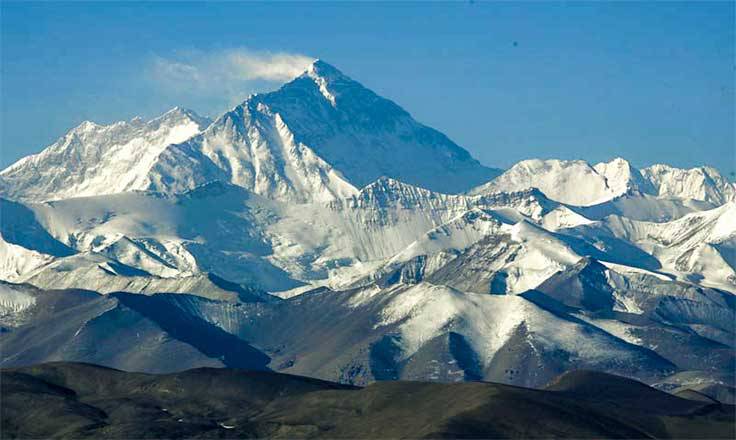
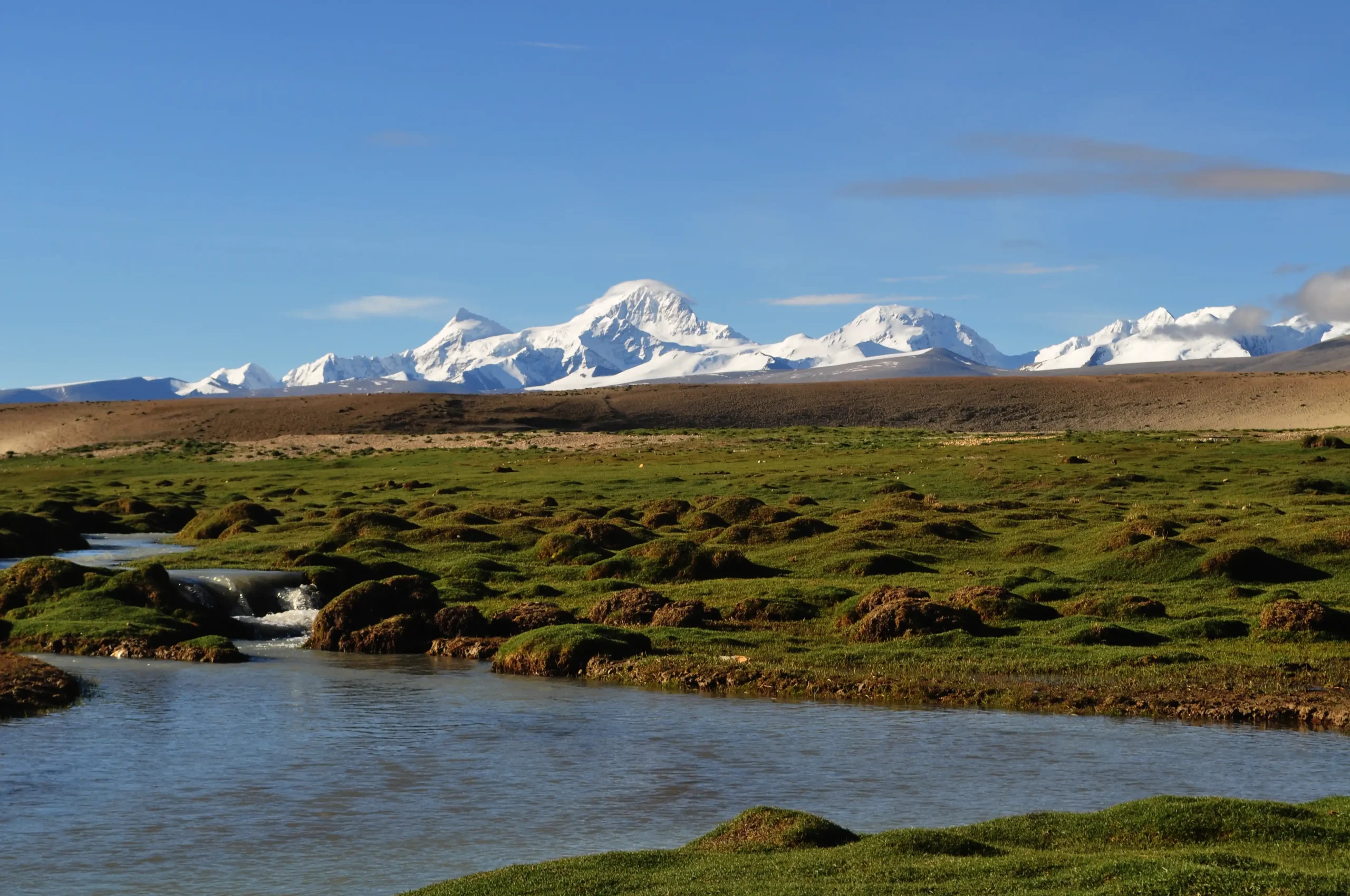
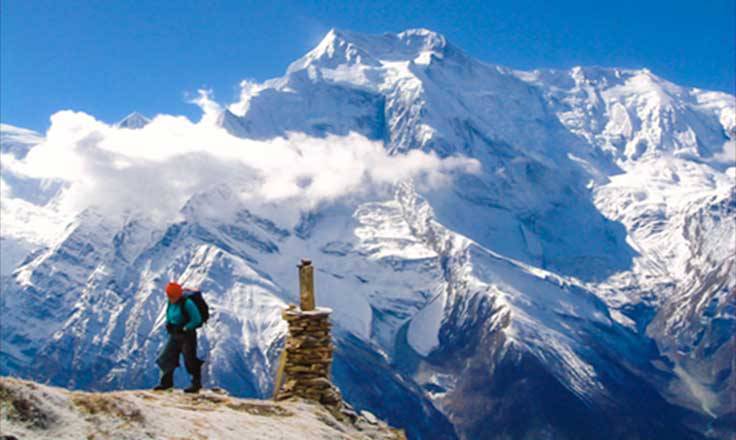
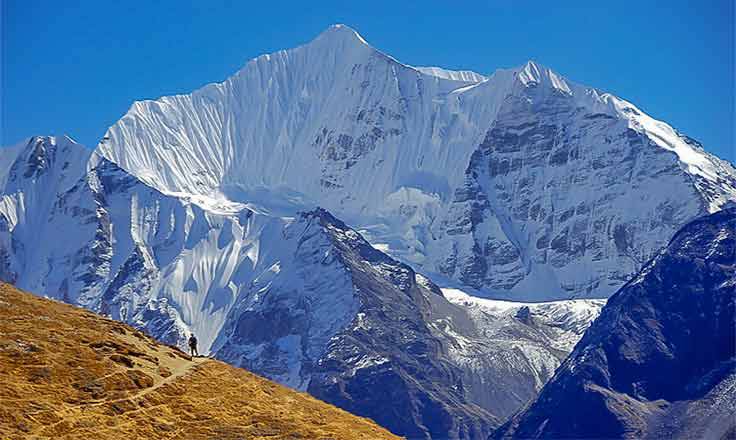
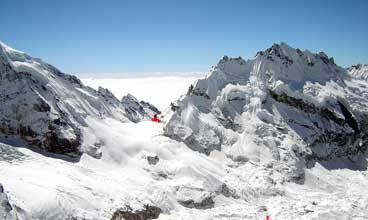
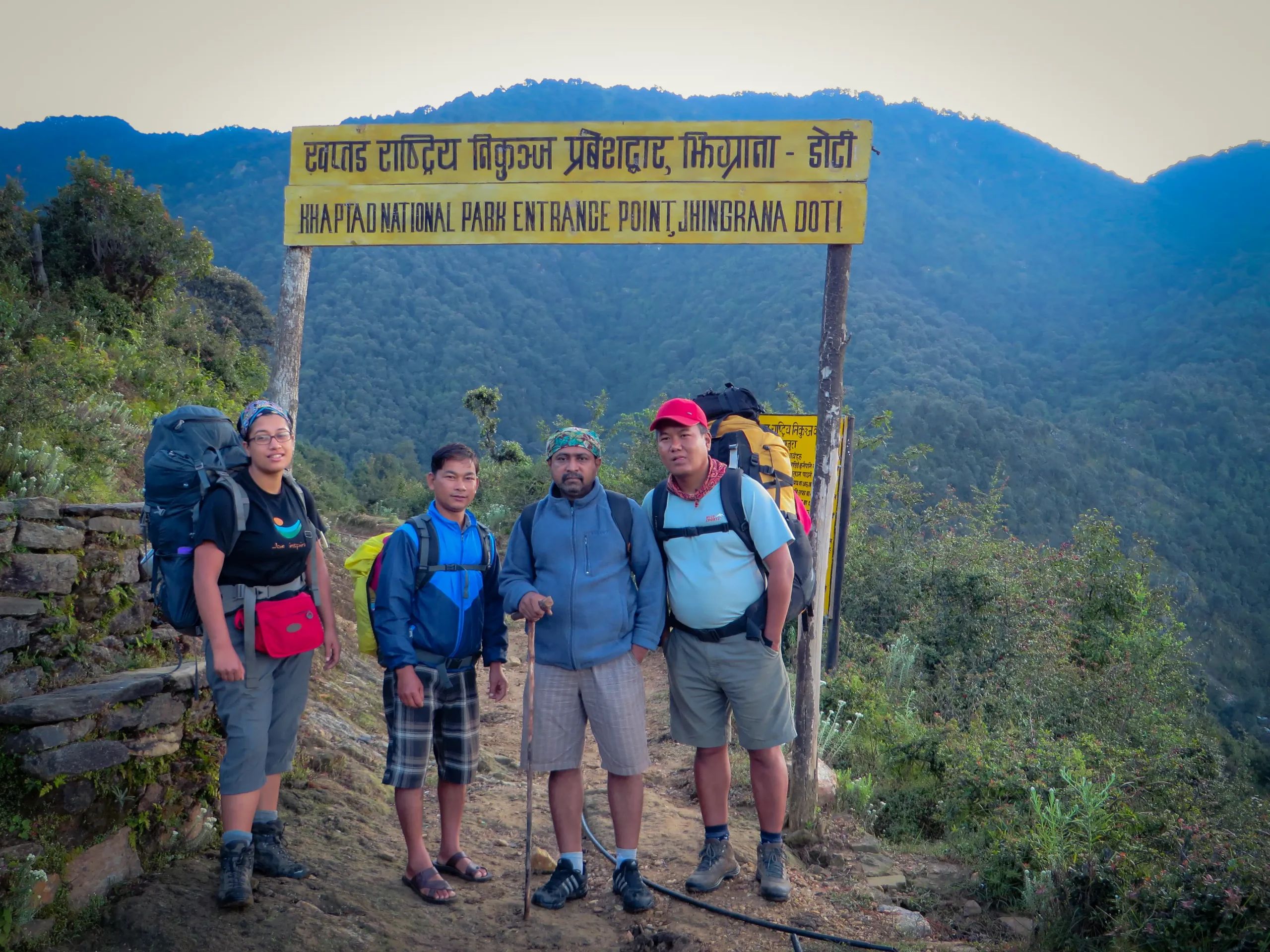
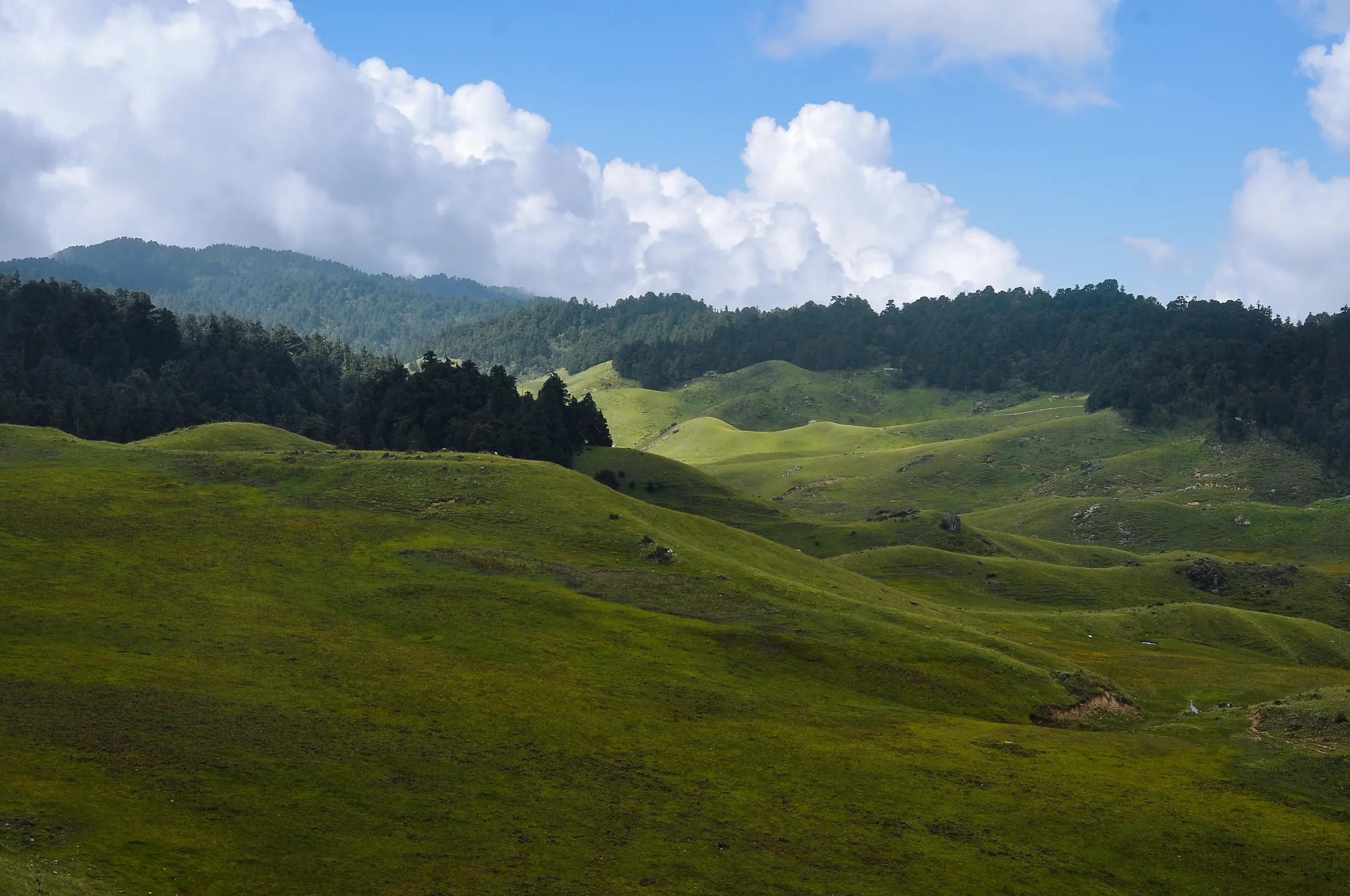
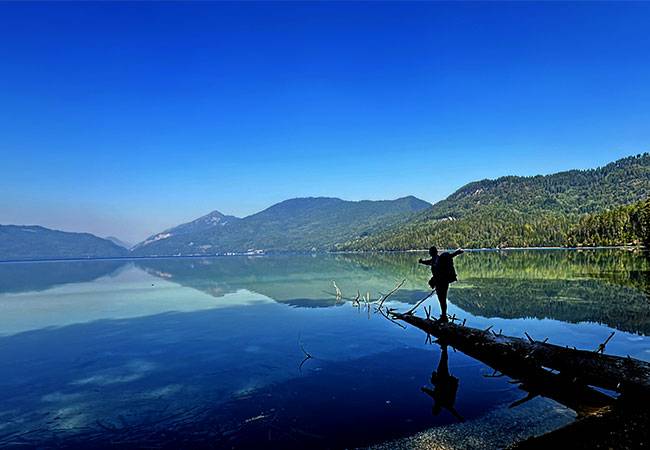
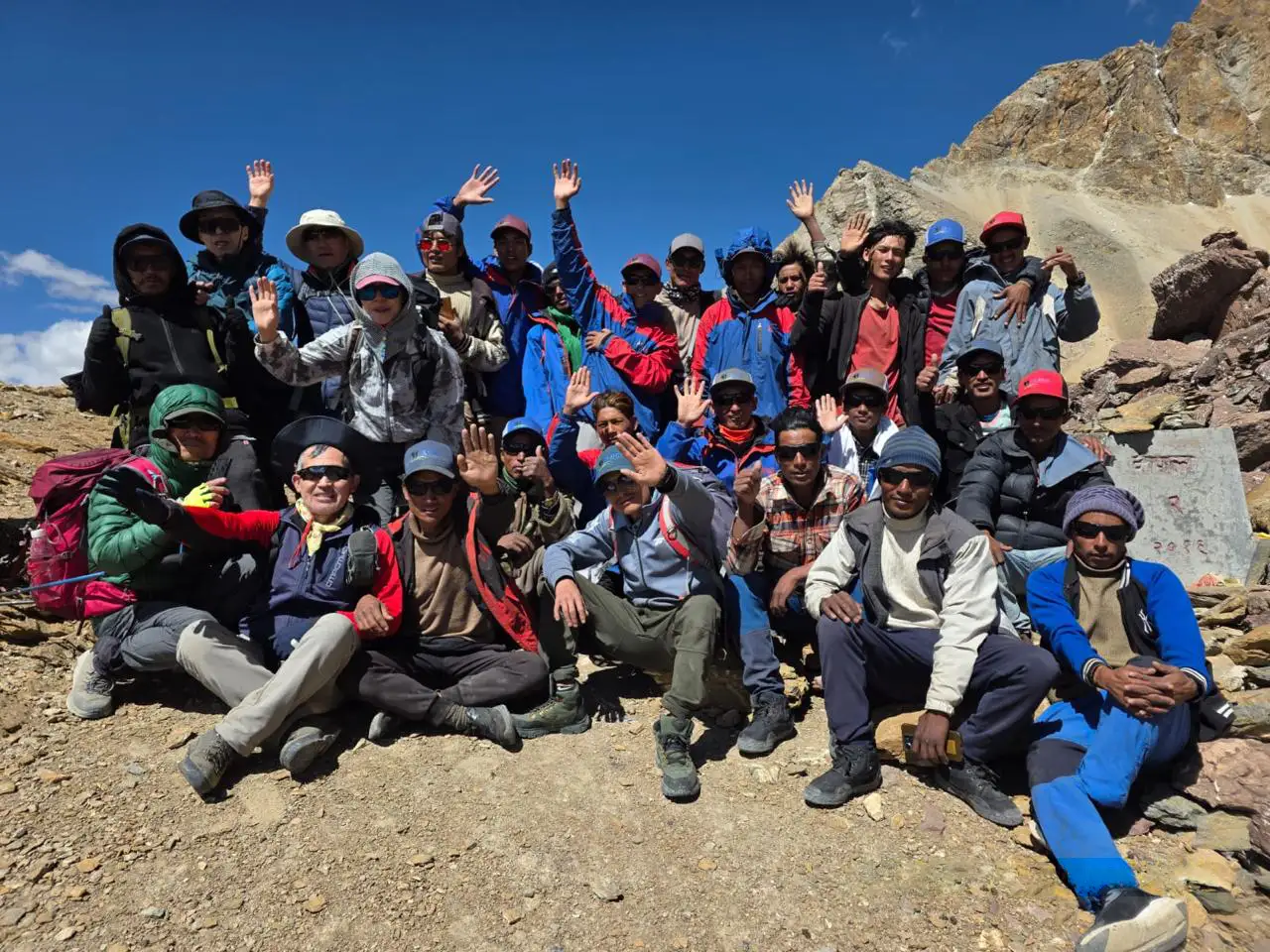
Everest Base camp trek is one of the trendy trekking routes of the Himalayas. Adventure, thrills, beautiful scenery along with the excitement of reaching the base camp of the hightest mountain of the world makes this trek very popular amongst hikers.
The journey is a remarkable one that provides wonderful experience of exploring the surrounding SoluKhumbu region and the Sagarmatha National Park while enjoying the pure Sherpa culture. Our path crosses through multiple villages of the region, hiking up and down the captivating landscape with new experience each day.
The journey starts from a scenic flight to Lukla from Kathmandu. The trek begins from a hike to beautiful village of Phakding and then to Namche Bazaar, Tengboche, Dingboche, Lobuche and so on. We also ascend to Gorakshep and finally the base camp of Everest.
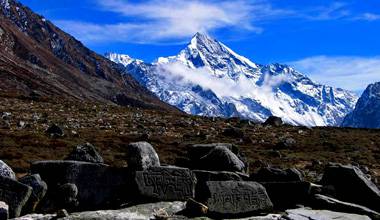
After the base camp, we trek up to the famous Kala Patthar viewpoint and pass Gorakshep. As the trails wind through many hills and valleys, you will walk along the Dudh Koshi River, crossing wooden and suspension bridges. We will pass many chortens and Gompas along with the famous Tengboche Monastery. At regular intervals, Mani stone wall carvings and colorful prayer flags decorating the region can also be seen.
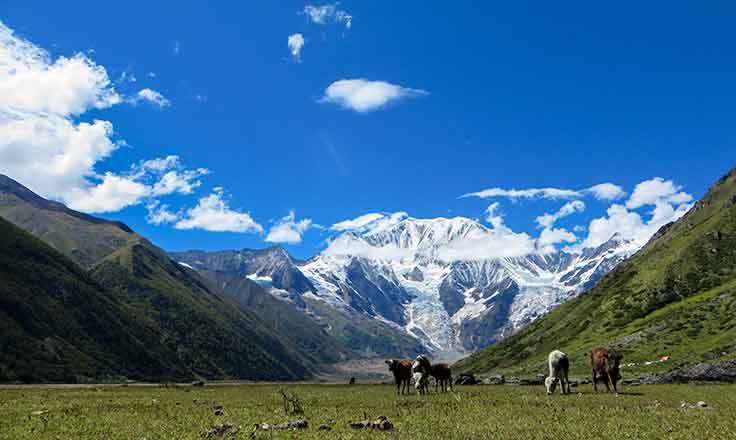
The views of mountains such as Everest, Thamserku, the Kongdi RI, Ama Dablam, Tawache, Nuptse, the Kusum Kangraru, Pumori, Makalu, and many others will constantly show you the way. You will spend time in Namche, also known as the “gateway to Everest”, exploring the Sherpa Museum in Namche Bazar along with some sightseeing of the village up close.
The Everest Base Camp trek is an incredible combination of Khumbu’s natural charm and a unique way to experience the traditions of people living in the Himalayan region.
Best Time to Trek
Spring Season — March to May (Recommended)
The most popular and spectacular season. Rhododendron forests bloom in vivid pink, red, and white at lower elevations. Skies are generally clear before the monsoon. Temperatures are mild at lower altitudes, cold but manageable at high camp. Base Camp expeditions are active, you may see summit teams preparing. The trails are busiest, especially in April.
Autumn Season — September to November (Recommended)
Crystal-clear skies after the monsoon has washed the dust from the air. Arguably the sharpest mountain views of the year. Temperatures are colder than in spring, especially in November, but the visibility is exceptional. October is peak season, book early.
Winter — December to February (Possible)
Quiet trails and dramatic snow conditions. Very cold above 4,000m. Lukla flights can be disrupted. Experienced trekkers only.
Monsoon — June to August (Not recommended)
Heavy rainfall, leeches on the trail, poor visibility. Some teahouses close. Not suitable for the EBC trek.
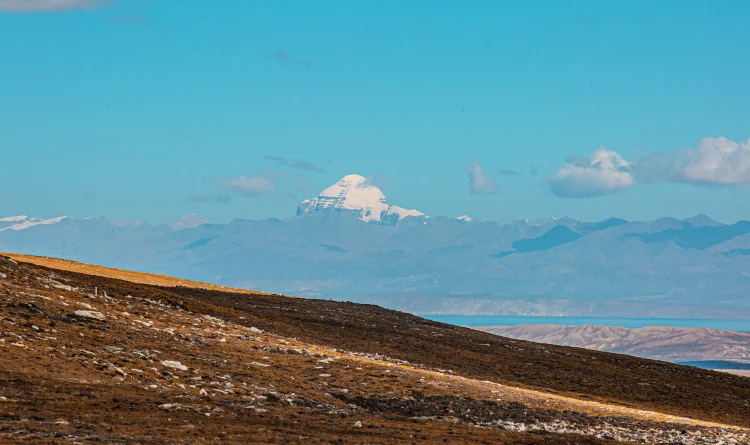
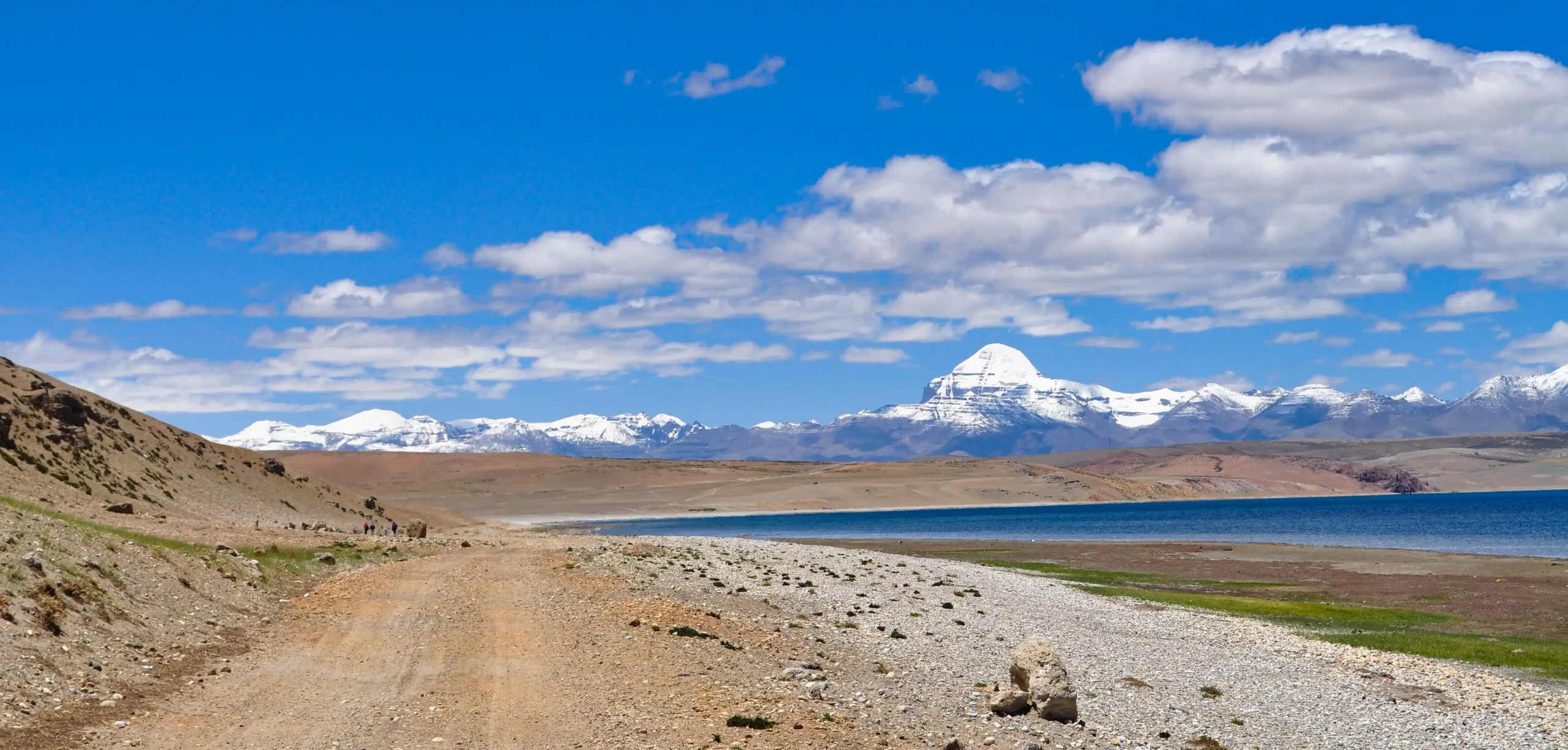
The Mount Kailash View Tour from Nepal takes you to Lapcha Syar Pass (5,133m) in remote Humla district, where Mount Kailash (6,638m) and Lake Manasarovar appear clearly across the Tibetan border, no Tibet permit required.
This is an 8-day alternative to the traditional Kailash parikrama. It’s designed for pilgrims and travelers who want the sacred darshan but can’t or don’t want to enter Tibet due to visa complications, higher costs, or physical demands of the full kora circuit. The journey combines short flights with rugged overland jeep travel through one of Nepal’s least-visited corners.
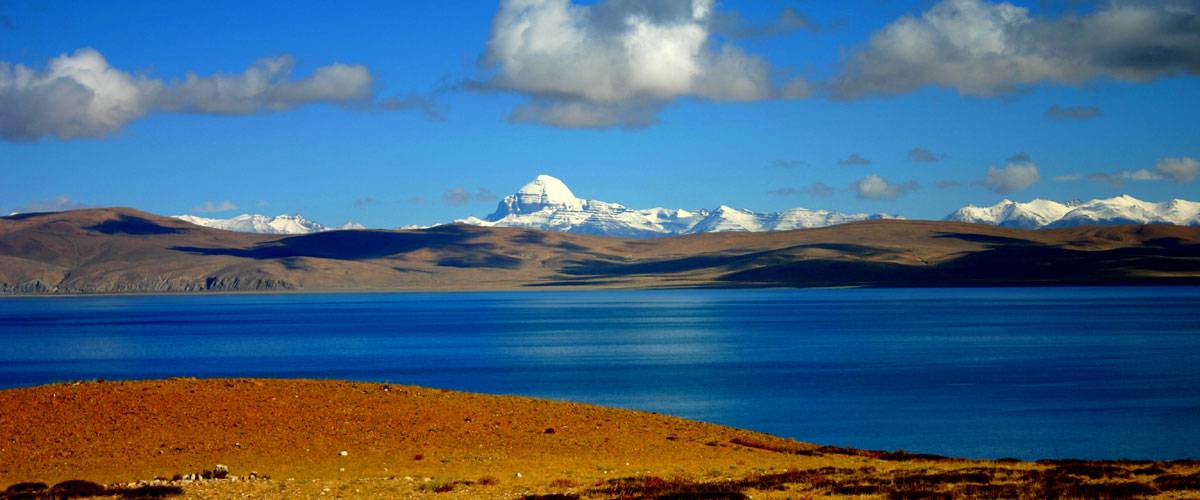
Mount Kailash is sacred to Hindus, Buddhists, Jains, and Bon followers as the spiritual axis of the world. From Lapcha Syar, all four symmetrical faces of the mountain rise clearly above the plateau. On good days, Lake Manasarovar (4,600 m) spreads turquoise below. Many pilgrims say the view alone completes their spiritual purpose.
From the heights of Limi Lapcha in Humla, Mount Kailash (6,638 m) and the turquoise expanse of Lake Manasarovar appear in quiet majesty – no border crossing required.
Why Choose This Kailash Tour Package from Nepal
No Tibet visa headaches.
This route stays entirely within Nepal. You avoid the Tibet Group Tourist Visa process, political restrictions, and the significantly higher costs of Tibet-side tours that require Chinese-approved agencies and fixed group departures.
Faster itinerary. The full Tibet kora takes 12-15 days minimum. This Nepal-side tour gets you to the viewpoint and back to Kathmandu in 8 days, making it practical for people with limited vacation time.
Moderate physical demands. While altitude is real (5,133m), the road access reduces trekking to a minimum. You drive to Dukling base camp at 4,000m, then take a final jeep approach to the pass. Suitable for anyone in decent health who can handle altitude.
Authentic Tibetan Buddhist culture. The route passes through villages where Tibetan traditions remain strong—active monasteries, prayer wheels, and communities that have lived along this trans-Himalayan trade corridor for centuries.
Firante Treks has run Humla expeditions since 2012. Our guides come from Simikot and surrounding villages, with firsthand knowledge of weather patterns, road conditions, and cultural protocols in this sensitive border region.
Journey Through Humla: The Road to Limi Lapcha Syar
After flying Kathmandu → Nepalgunj → Simikot (2,910m), the overland adventure begins. The 85km jeep route from Simikot to Dukling follows the Karnali River valley northward, climbing gradually through villages that mark the cultural shift from lowland Nepal to Tibetan Buddhist highlands.
Early stops pass stone-built settlements where Nepali is still spoken, but prayer flags and chortens start appearing along the roadside. After crossing the Hepka Khola bridge, you enter distinctly Tibetan influence Buddhist areas. Kermi village (2,700m) has natural hot springs along the river where many groups stop briefly to soak after dusty hours in the jeep. The whitewashed stupas and hand-carved mani walls here signal the cultural transition is complete.
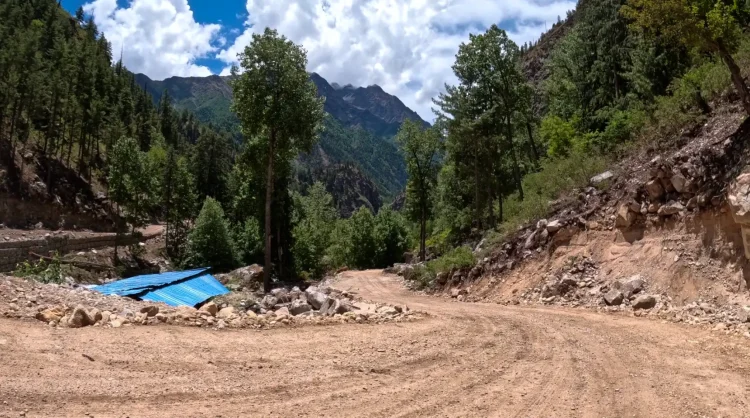
Humla’s wild overland route – the jeep path from Simikot to Limi Valley hugs steep valleys and barren ridges, leading to one of Nepal’s most isolated corners.
Further up, Muchu village sits near Yalbang Gompa(also known as Namkha Khyung Dzong Monastery), an active monastery visible from the road with sweeping views back down the valley. Monks maintain the gompa year-round, and if you pass during morning puja, you might hear chanting echo across the hills. Beyond Muchu, the landscape turns barren—less vegetation, more yaks grazing on sparse grass, and the air noticeably thinner above 3,500m.
The route continues through increasingly desolate high country toward the restricted border zone. Road quality deteriorates—expect washouts, river crossings, and sections where the jeep crawls in low gear. This is genuine backcountry; you won’t see other tourists. The 85km drive takes 6-8 hours depending on conditions.
Dukling (4,000m) is the staging point, a basic camp or guesthouse area where you overnight for crucial acclimatization before the final push. The altitude hits harder here—headaches and shortness of breath are common. Our guides monitor everyone closely and adjust plans if anyone shows severe AMS symptoms.
Day 5 starts before dawn. The rougher track from Dukling to Lapcha Syar Pass (5,133m) climbs through scree, switchbacks, and exposed ridges. Most jeeps take 3-4 hours. Then the pass crests, and there it is.
The Sacred View: Mount Kailash and Lake Manasarovar
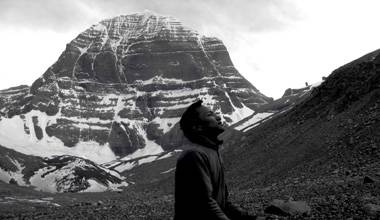
Mount Kailash dominates the northern horizon from Lapcha Syar—a massive pyramid shape with four faces aligned to cardinal directions, layered in snow and dark rock. The Tibetan name is Kang Rinpoche (Precious Jewel of Snow). Hindus know it as Shiva’s throne. From about 20km across the border, the mountain appears both enormous and strangely intimate.
Lake Manasarovar lies below to the northeast, a deep blue or turquoise expanse (depending on clouds and sun) ringed by barren Tibetan hills. Hindus believe bathing in its waters washes away lifetimes of sins. Buddhists say Brahma created it with his mind. You won’t reach the lake on this tour, but seeing it from Lapcha Syar—still, reflective, utterly remote—is enough for most pilgrims.
Prayer flags snap hard in the wind. The air is thin and cold even in summer. Most groups stay 1-2 hours, taking photos, meditating, or simply sitting with the view before descending back to Dukling. Weather can change fast—clouds roll in without warning, so morning departures catch the clearest light.
This is the Kailash Mansarovar yatra reimagined—no parikrama, no ritual dips, just the darshan from Nepal’s edge.
Best Time for Mount Kailash Tour from Kathmandu
May to September offers the most reliable weather. Humla gets lighter monsoon than the rest of Nepal, but afternoon clouds can still hide peaks. Early June and September typically deliver the clearest skies with fewer groups on the route.
October can work if conditions hold, but nights drop well below freezing and snow may close Lapcha Syar by late month. April-May is marginal—roads may have lingering ice and clouds are common.
Winter (November-March) is not viable. Snow blocks high passes, guesthouses close in upper villages, and temperatures at Lapcha Syar hit -20°C or lower.
We monitor conditions through local contacts in Simikot and adjust departure dates based on current road status and weather forecasts. If Lapcha Syar clouds out on Day 5, we include buffer time or alternative viewpoints when possible, but peak views aren’t guaranteed—this is high-altitude wilderness, not a controlled tourist experience.
What Makes This Kailash Tour Package Different
Local expertise that matters. Our lead guide, Tenzin Lama, grew up in humla and has led over 40 Humla expeditions. He knows which guesthouse owners are reliable, where landslides happen after rain, and how to handle checkpoint protocols in the border zone. That experience is critical when you’re this remote with limited backup options.
Small groups, low impact. We cap departures at 8-10 people maximum. Large tour buses can’t navigate these roads anyway, and smaller groups move faster, cause less environmental strain, and keep the experience personal rather than transactional.
Respectful cultural approach. This is a pilgrimage route for Humla locals too, not just foreign tourists. We brief travelers on etiquette—asking before photographing people or monasteries, removing shoes at gompas, understanding that some sacred sites are places where outsiders are guests, not customers with automatic access.
Honest expectations. We don’t promise perfect weather or guaranteed Kailash views. Altitude affects everyone differently, roads wash out during monsoon, and clouds hide the mountain sometimes despite clear forecasts. We plan buffer days, carry emergency oxygen and pulse oximeters, and communicate clearly about risks before you book. If someone shows severe AMS symptoms, we descend immediately—no exceptions.
For many travelers, this glimpse from Nepal is enough—a sacred sight earned through genuine effort, not packaged convenience. For some, it becomes the most meaningful journey they’ve taken.
Health and Safety Considerations
Lapcha Syar sits above 5,100m. Acute Mountain Sickness (AMS) is a real risk, especially for those flying directly from sea level to Simikot (2,910m) in one day. Our itinerary includes overnight acclimatization at Dukling (4,000m) before the final ascent, but headaches, nausea, and fatigue are common even with gradual altitude gain.
Guides carry pulse oximeters to monitor oxygen saturation, plus first aid kits and supplemental oxygen cylinders. All guides are trained to recognize AMS warning signs—confusion, inability to walk straight, severe headache that doesn’t respond to medication—and will descend with anyone showing serious symptoms.
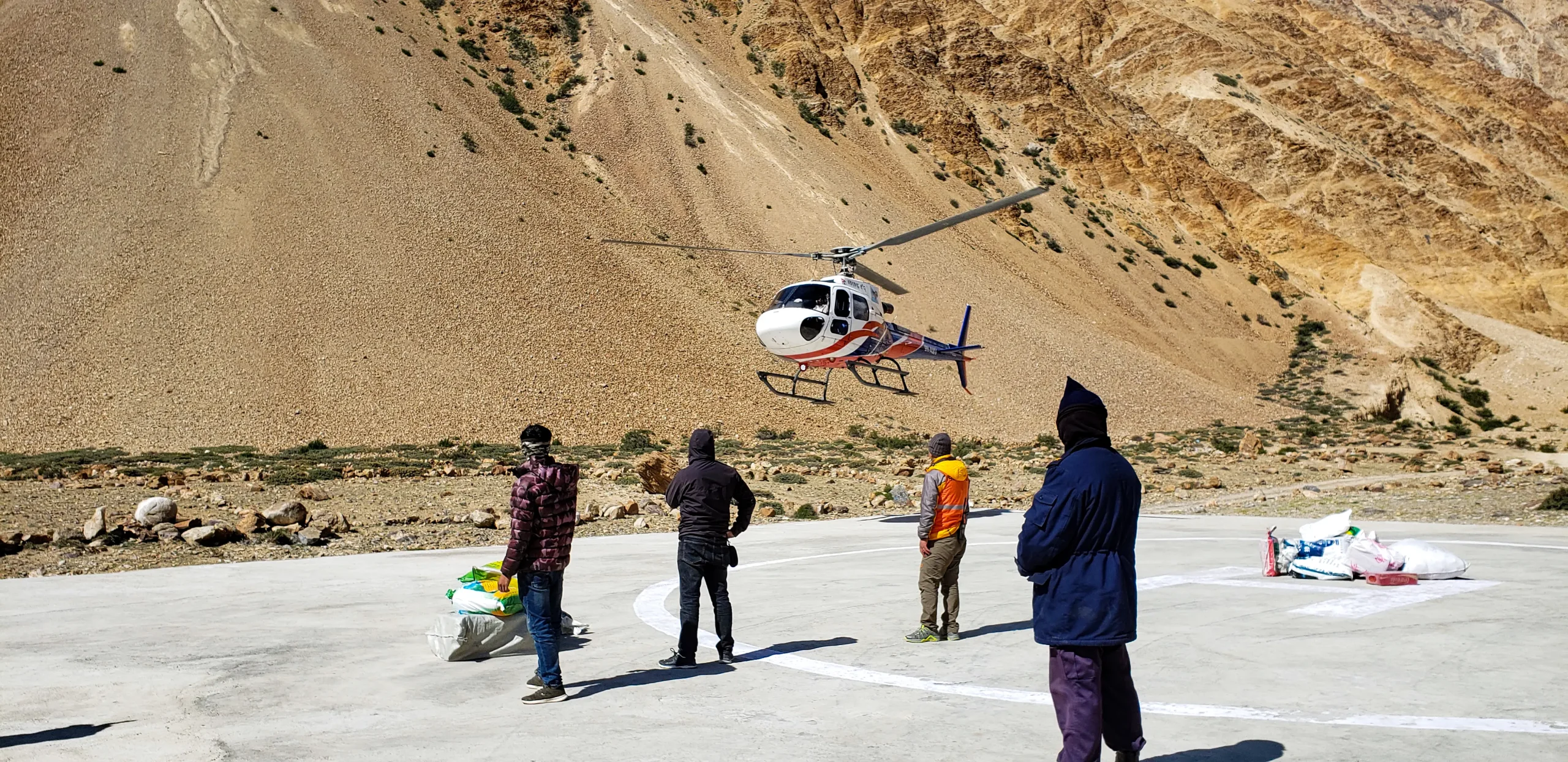
Medical facilities in Humla are extremely basic. Simikot has a small health post with limited supplies. Serious emergencies require helicopter evacuation to Nepalgunj or Kathmandu, weather permitting. We strongly recommend comprehensive travel insurance that covers high-altitude rescue (above 4,000m) and emergency medical evacuation.
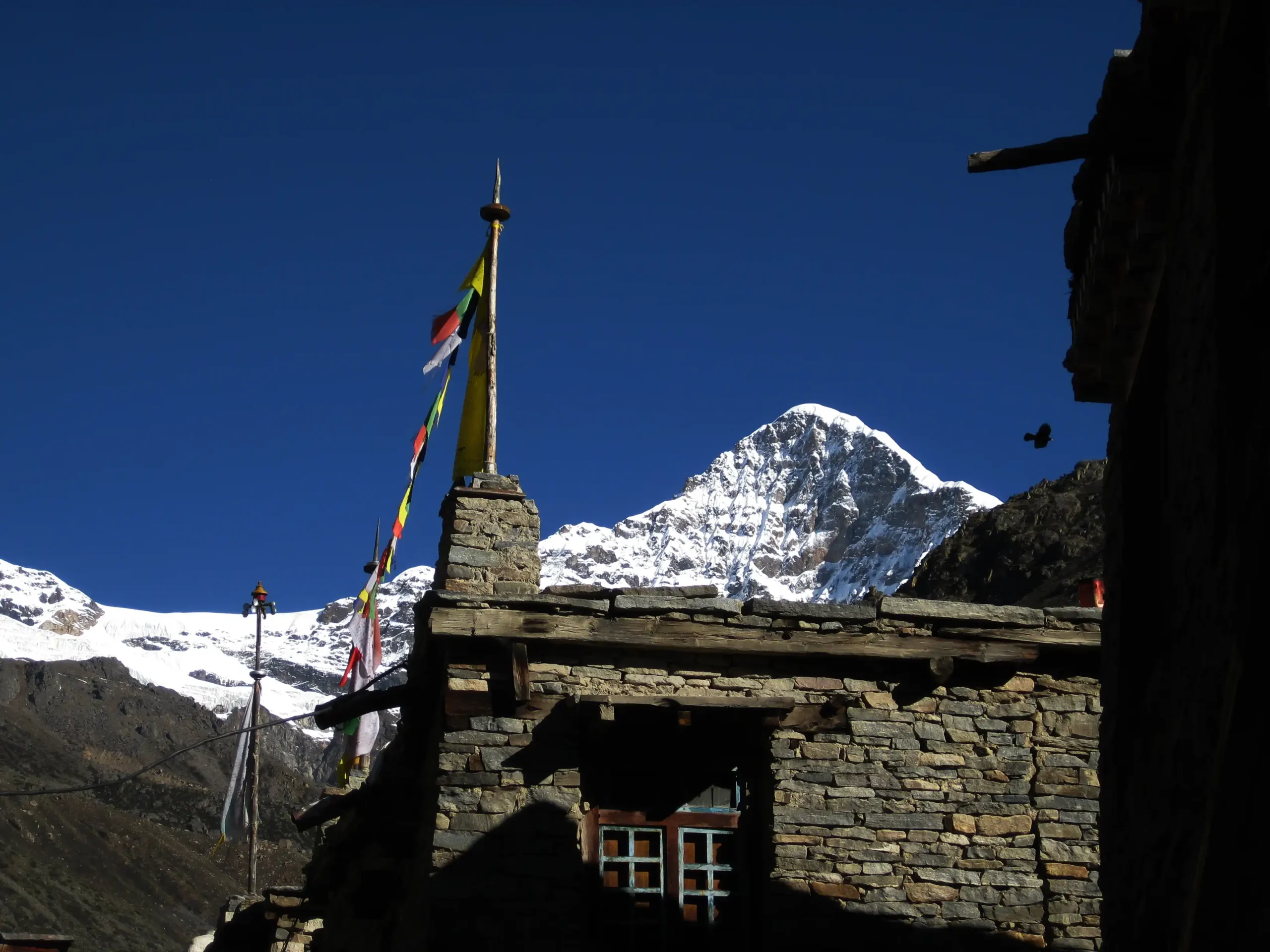
The Humla Limi Valley Trek is one of the last truly remote trekking journeys in Nepal, created for travelers who want cultural depth as much as mountain scenery. Opened to foreign trekkers only in 2002, this route enters Humla’s restricted region near the Tibetan border, where Tibetan Buddhism, seasonal migration, and traditional village life continue much as they have for centuries.
Located in Nepal’s far northwestern corner, the Limi Valley Trek in Nepal follows sections of the upper Karnali River before climbing into wide alpine valleys and crossing high Himalayan passes. The trail links the historic villages of Halji, Til, and Jang, settlements shaped by ancient salt trade routes between Tibet and Nepal. Even today, these villages remain largely untouched by modern infrastructure, making this a true off-the-beaten-path trek in Nepal.
Unlike popular teahouse routes, this trek is quiet and physically demanding, often supported by camping logistics. On clear days, trekkers may glimpse distant views of sacred Mt. Kailash across the Tibetan plateau, adding a spiritual layer to a journey already rich in history and tradition.
Why Choose the Humla Limi Valley Trek?
Authentic Tibetan Buddhist Culture
The Tibetan cultural experience in Limi Valley is among the most genuine found anywhere in Nepal. In Halji village, the Rinchenling Monastery, founded in the 10th–11th century by the renowned translator Rinchen Zangpo, still functions as an active religious center rather than a preserved monument.
Daily life follows a slow and traditional rhythm. Women continue hand-weaving carpets using wooden looms, children assist with yak herding, and prayer flags line stone houses built generations ago. Religious rituals, mani walls, and seasonal festivals are part of everyday life, not performances for visitors.
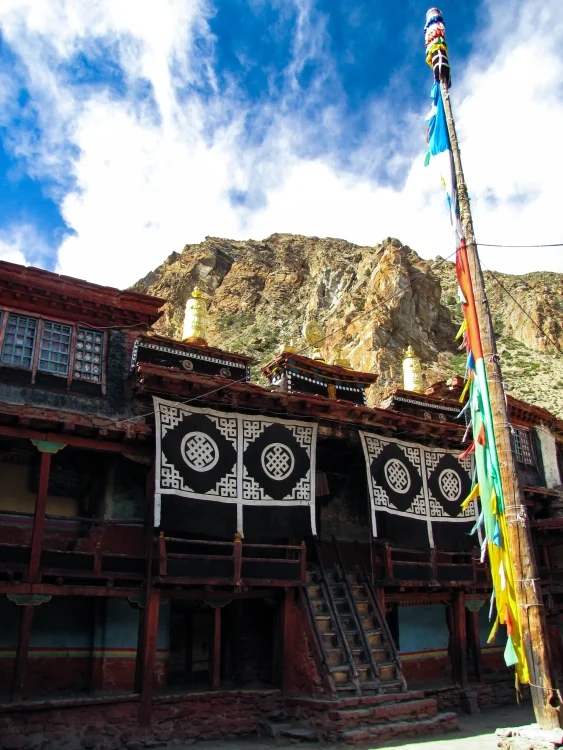
11th-century Halji Rinchen Ling Monastery, Limi Valley’s most important religious site.
High Himalayan Passes and Open Landscapes
The trek crosses two major Himalayan passes, Nara La (4,580m) and Nyalu La (around 5,000m), the highest point of the journey. These crossings are physically demanding but reward trekkers with vast, silent landscapes that define remote trekking in Humla.
The terrain shifts constantly, from pine and juniper forests to alpine meadows, yak pastures, and deep river gorges carved by the Karnali River system. From Nyalu La, weather permitting, distant views of Mt. Kailash can sometimes be seen across the border, making this a rare Mt. Kailash view trek within Nepal.
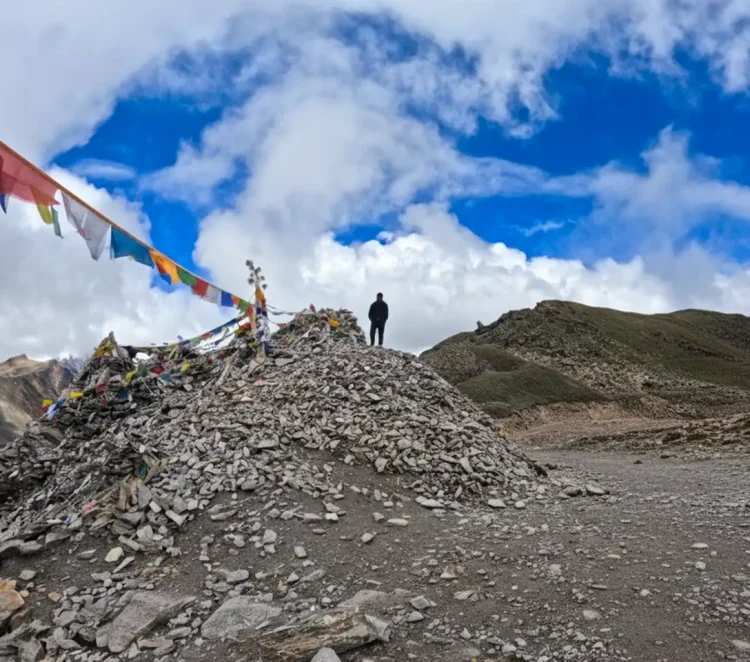
Nyalu La Pass (5000 m) – Highest point on the Humla Limi Valley Trek with distant panoramic view of Mount Kailash.
Rare Wildlife and an Intact Natural Environment
The Humla restricted area permit zone protects one of Nepal’s least disturbed mountain ecosystems. While wildlife sightings are never guaranteed, trekkers often see blue sheep (bharal), Himalayan yak grazing on steep slopes, along with marmots and high-altitude bird species.
Higher ridgelines are known habitats for snow leopards, while forested areas may shelter Himalayan black bears and musk deer. Limited human activity helps preserve the raw, untouched character of the region.
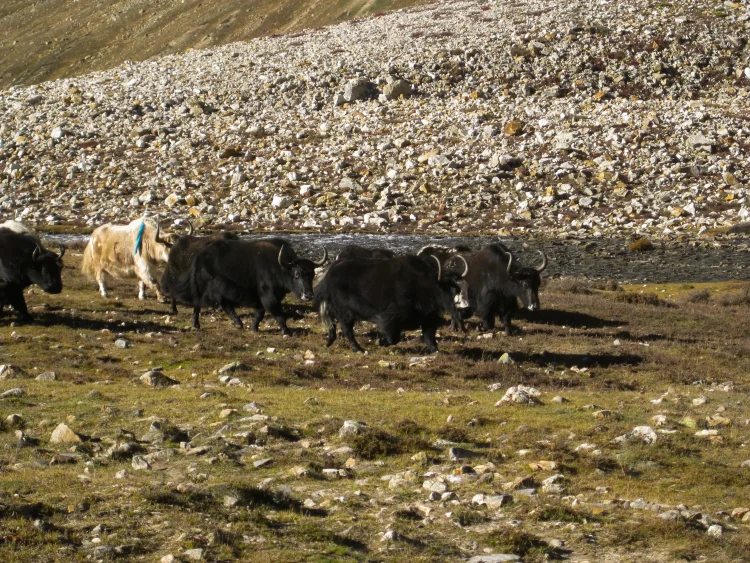
Wildlife spotting in Humla Restricted Area, Nepal – glimpse rare Himalayan animals in the wild!
The Historic Simikot to Hilsa Trek Route
The Simikot to Hilsa trek follows ancient trade and pilgrimage routes once used to exchange Tibetan salt for grain from lower Nepal. These paths shaped the settlement patterns and culture of the entire region.
Although short sections of jeep track now exist in lower areas, much of the trail remains unchanged. Long walking days, river crossings, and high passes preserve the expedition-style feel of the trek, with camping beneath clear night skies and days spent moving between isolated villages.
Cultural Immersion Experiences
🏛️
Ancient Monasteries
Visit Halji Rinchen Ling Monastery with pristine 10th-11th century murals and Buddhist artifacts.
🧵
Living Traditions
Watch women hand-weave carpets, children herd yaks, and witness centuries-old customs in daily life.
🏘️
Remote Villages
Explore Halji, Til, and Jang where less than 100 foreign trekkers visit annually.
Must-Visit Cultural Sites:
Halji Rinchen Ling Monastery – 10th-11th century gompa
Rinchenling Cave – 11th-century meditation site
Traditional Carpet Weaving – Live demonstrations
Yak Herding Culture – Meet nomadic families
Buddhist Monasteries – Functioning gompas in villages
Mani Walls & Prayer Flags – Ancient pilgrimage markers
There are treks, and then there are journeys that change how you see the world. The Kailash Upper Humla Circuit Trek is firmly the second kind.
This is not your typical Himalayan trail. There are no busy teahouse lodges, no crowds at the viewpoints, no phone signal to distract you. What you get instead is raw, unfiltered Nepal, the kind that most people never see. Ancient monasteries are still humming with daily prayer. Pine-forested gorges carved by the thunderous Karnali River. High-altitude passes where Tibet suddenly appears on the horizon like a mirage. And at the end of it all, the sacred pyramid of Mount Kailash (6,638 m), rising alone on the Tibetan plateau, is one of the holiest mountains on Earth.
Starting and ending in Simikot, the remote district headquarters of Humla, this 27-day circuit combines two extraordinary experiences in one unforgettable journey: the Upper Humla Circuit through the legendary Limi Valley, and the Kailash Kora, the 53 km circumambulation that Hindus, Buddhists, Jains, and Bon pilgrims have walked for over a thousand years.
If you have ever dreamed of walking somewhere that truly feels untouched, this is it.
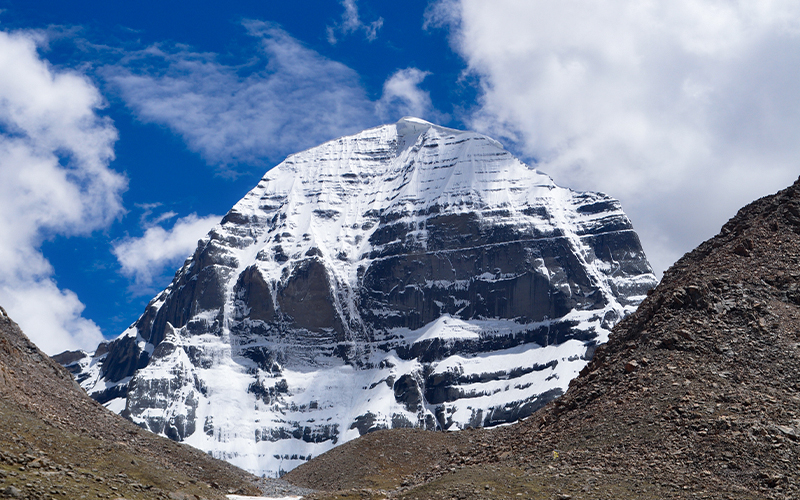
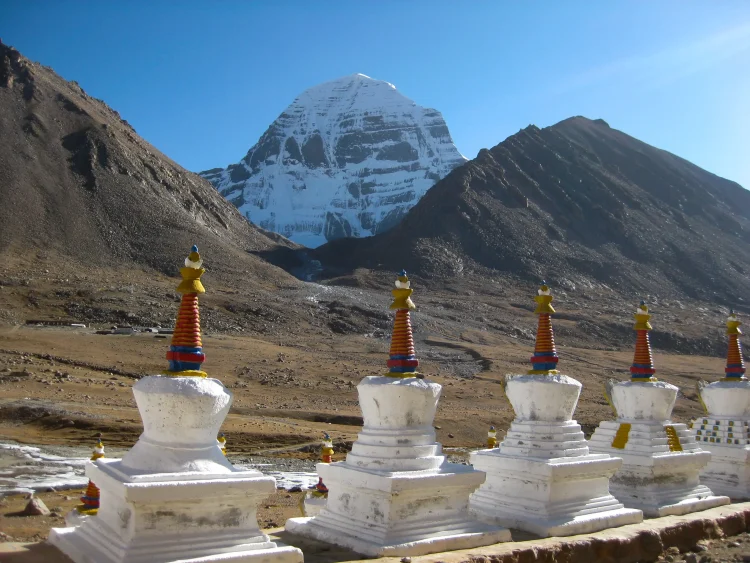
The North Face of Mount Kailash, the spiritual heart of the Himalayas.
WHY THIS TREK IS DIFFERENT
Most people who come to Nepal have heard of Everest Base Camp. Some have heard of Annapurna. Very few have heard of Humla, and that is exactly the point.
Humla is Nepal’s most remote district. For most of its history, the only way in was by air, a short mountain flight from Nepalgunj, a 45-minute hop in a small prop plane that skims over ridgelines and drops into Simikot’s narrow airstrip. In recent years, a rough unpaved track has been carved through the mountains, making it technically possible to reach Humla by road — but “possible” is doing a lot of heavy lifting in that sentence. The route is rugged, seasonally unreliable, and an adventure in itself. For most trekkers, the flight remains the practical and far preferable choice. From the moment you land at Simikot, you feel it regardless of how you arrived: this is somewhere genuinely different.
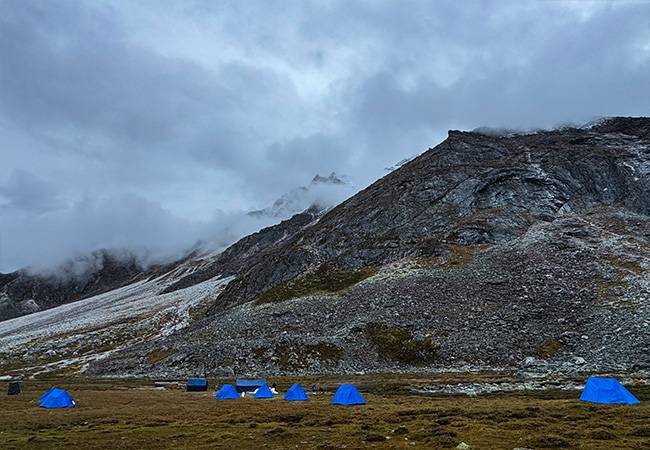
Camping in Upper Humla along the Kailash circuit, surrounded by vast landscapes and complete silence.
The Upper Humla Circuit takes you deep into the Limi Valley, a hidden Himalayan world that Nepal trekking pioneer Steve Razetti once listed among the Top 10 Treks in the World. It is a place where ancient Tibetan Buddhist culture has survived almost completely intact. Where monasteries built between 400 and 1,000 years ago still receive monks every morning, where yak caravans move through high passes exactly as they have for centuries.
And then you cross into Tibet. You walk the Kailash Kora. And you understand why millions of pilgrims across four religions consider this mountain the spiritual centre of the universe.
This is not a holiday. It is a pilgrimage. And it will stay with you for the rest of your life.
THE KAILASH KORA — WHY IT MATTERS
Mount Kailash has never been climbed. Not because it is technically impossible, several mountaineers have studied the routes. But by deep, cross-cultural agreement, it remains unclimbed out of respect. It is the one great summit that humanity has collectively decided to leave alone.
Four major religions claim it as sacred. Hindus believe Lord Shiva meditates on the summit, with Goddess Parvati beside him. Tibetan Buddhists consider it the throne of Demchok, representing supreme bliss. Jains revere it as the place where their founding teacher Rishabhadeva attained liberation. The ancient Bon religion, Tibet’s pre-Buddhist tradition, calls it the nine-storey Swastika Mountain, the central pillar of the world.
Walking the Kora, the 53 km circuit around the mountain, is said to wash away the sins of a single lifetime. Walk it 108 times, and you reach enlightenment. Most of us will be satisfied with once.
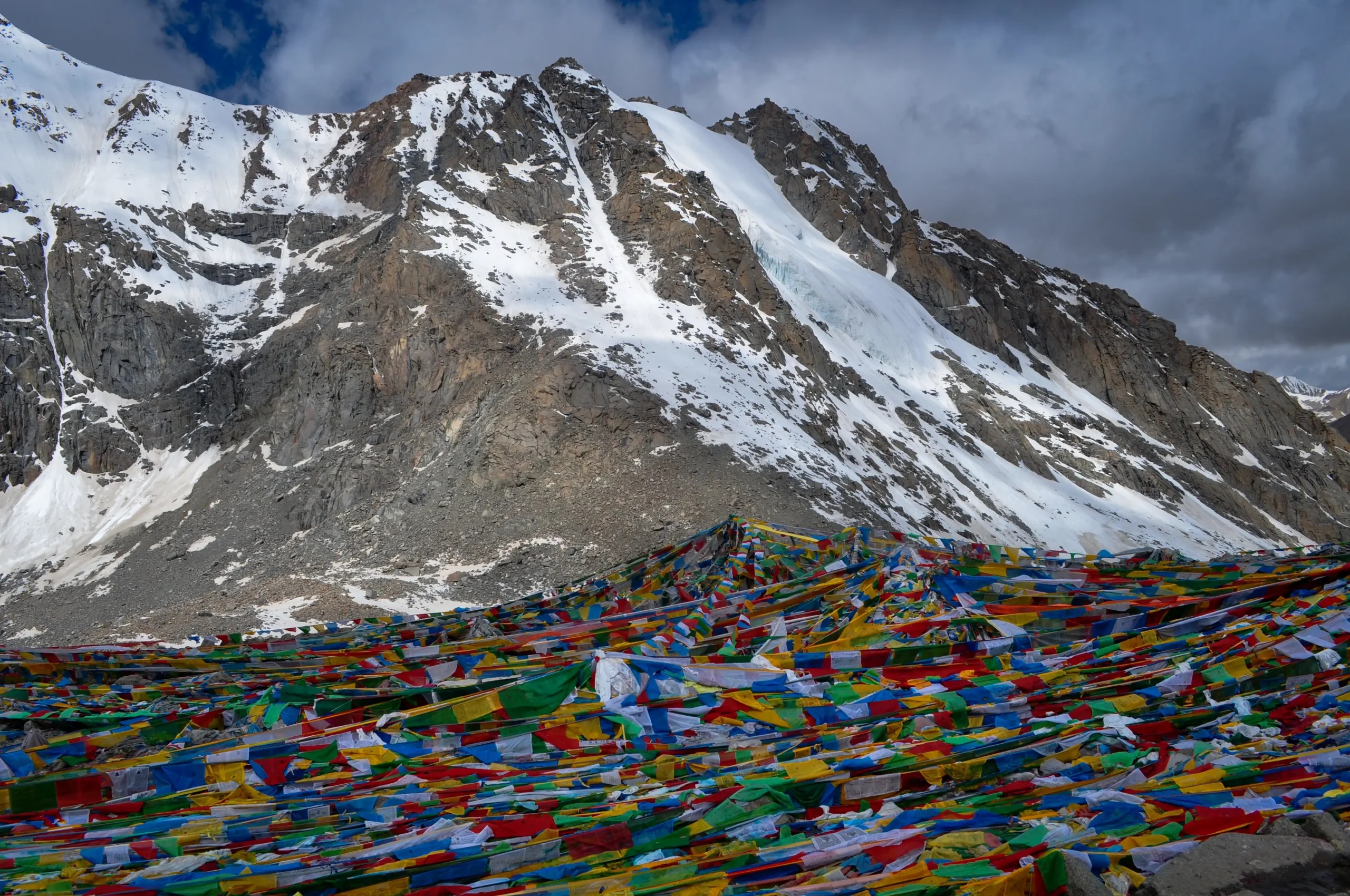
The route crosses Dolma La Pass at 5,630m, the trek’s highest point, where prayer flags fill the sky, and exhausted pilgrims weep from altitude, emotion, and sheer relief. Below lies a glacial lake of startling blue, and the descent brings the full south face of Kailash into view, four near-perfect walls of dark rock and snow rising into a sky that feels closer here than anywhere else on Earth.
There are treks you finish, and then there are journeys that stay in your memory for years. The Chang La Valley Trek via Tangin is one of those rare journeys that feels meaningful long after you return home.
Located deep in Humla in far-western Nepal, this 15-day trek goes into a region where roads still do not reach and tourism remains very limited. Life here depends on seasons, farming, and livestock, and the pace is noticeably slower than in Nepal’s popular trekking areas. Facilities are simple, but the experience feels honest and grounded.
Your trip starts in Kathmandu, a busy city where temple bells, traffic, and street life all blend together. From there you fly west to Nepalgunj and then continue to Simikot, the small hill town that serves as the main entry point to Humla. Once you leave Simikot, there are no roads ahead. Walking becomes the only way to move between villages.
The trail follows old trading routes once used by caravans transporting salt, wool, and grain between Tibet and the lower valleys. You cross wooden bridges, walk through terraced fields and open pastures, and follow ridgelines with wide views in every direction. On some days you may walk for hours without meeting other trekkers.
As you move deeper into the Chang Valley toward Tangin, the sense of isolation becomes stronger. Villages grow smaller, houses are built from stone and earth, and long prayer walls mark the entrances to settlements. Tibetan Buddhist traditions guide everyday life here. Inside monasteries, butter lamps burn quietly. Outside, prayer flags flutter above passes and yak bells can often be heard from distant slopes.
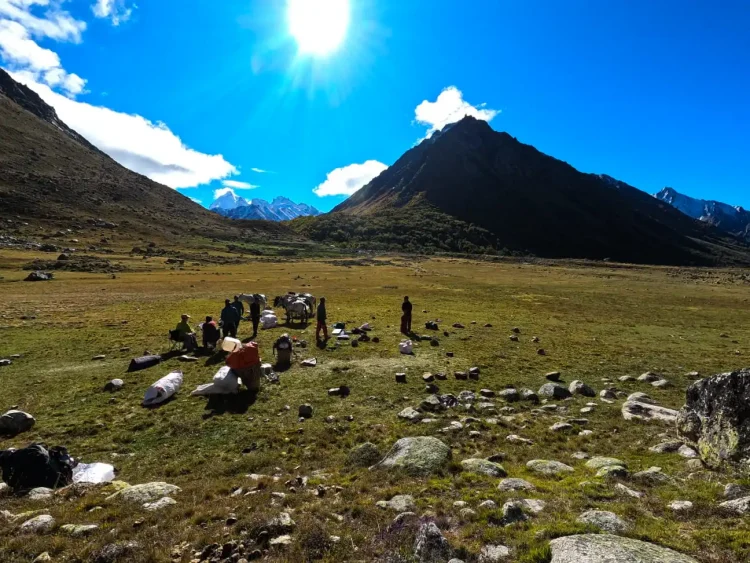
A quiet midday halt in Changla Valley: staff, supplies, and pack animals pause in a vast Himalayan meadow before continuing deeper into the remote wilderness.
This trek is considered difficult, mainly because of altitude and remoteness. The route reaches above 4,300 metres, trails can be rough, and accommodation in higher areas is basic. However, these same conditions help preserve the region’s natural and cultural environment. Trekkers sometimes see Himalayan blue sheep on cliffs, large birds riding mountain winds, or fresh animal tracks after a cold night.
The Chang La Valley Trek via Tangin is not for travellers looking for comfort or luxury. It is better suited to those who appreciate quiet landscapes, genuine cultural encounters, and the feeling of being far from modern crowds. For many people, that sense of remoteness becomes the most memorable part of the journey.
Why Choose the Chang La Valley Trek?
A Rarely Visited Region
While popular trekking areas continue to attract large numbers of visitors, Humla remains one of the least visited districts in Nepal. Villages, rivers, and mountain landscapes here still function largely without outside influence.
Authentic Local Culture
In Tangin and nearby settlements, hospitality comes from tradition rather than tourism. Meals are home-cooked using local ingredients such as barley, potatoes, and dairy products. Visitors are usually welcomed into family homes, which creates more personal interactions.
High-Altitude Wildlife
The remote terrain supports wildlife adapted to harsh mountain conditions. Blue sheep are frequently seen, and the area is considered potential habitat for snow leopards. Birdlife includes large raptors and colorful species such as the Himalayan monal.
A Genuine Physical Challenge
This trek requires preparation and stamina. Walking days are long, the air is thin at altitude, and support services are limited. Many trekkers find that completing such a remote route brings a strong sense of achievement.
A Deep Cultural Landscape
Ancient stupas, mani walls, monasteries, and prayer-flag-covered passes reflect a living Buddhist tradition that still shapes daily life. Travelling respectfully through these valleys offers insight into a way of life that has changed little over generations.
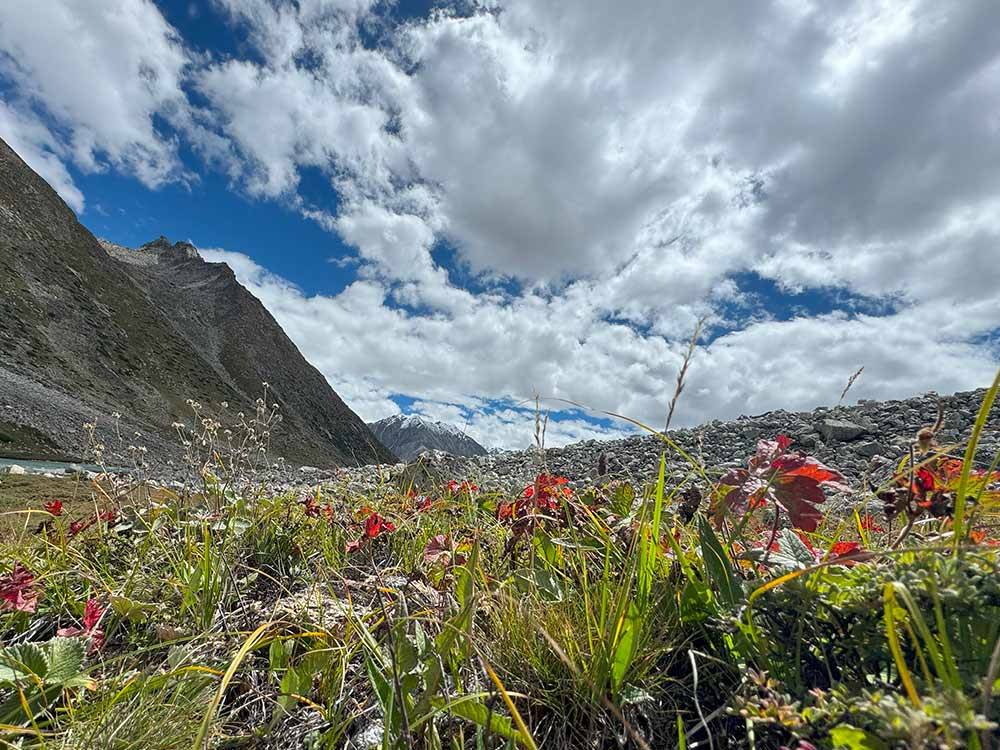
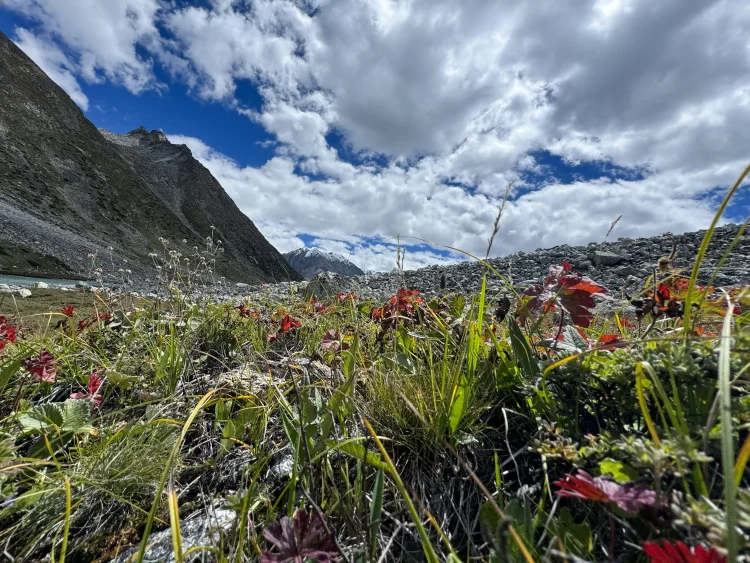
Tiny alpine blooms brighten the rugged terrain of Changla Valley, where harsh altitude and raw beauty meet under ever-changing Himalayan skies.
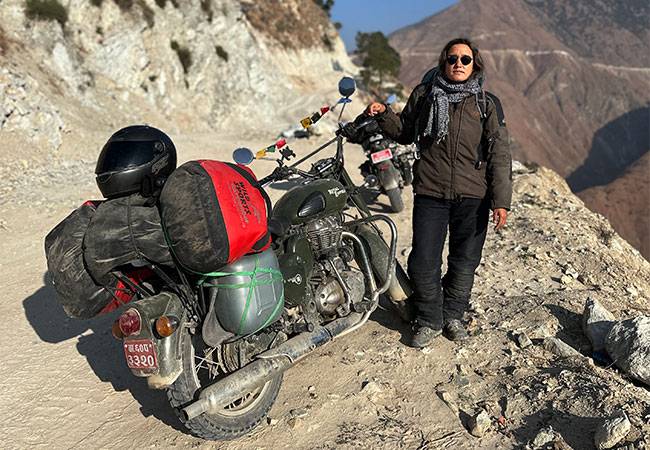
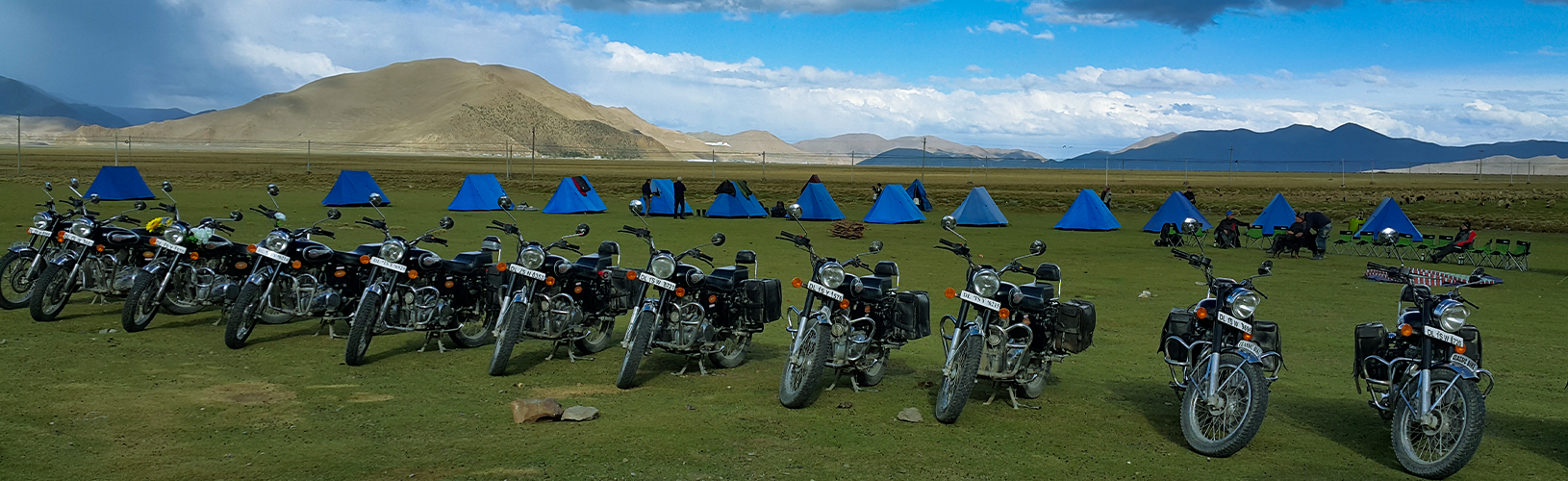
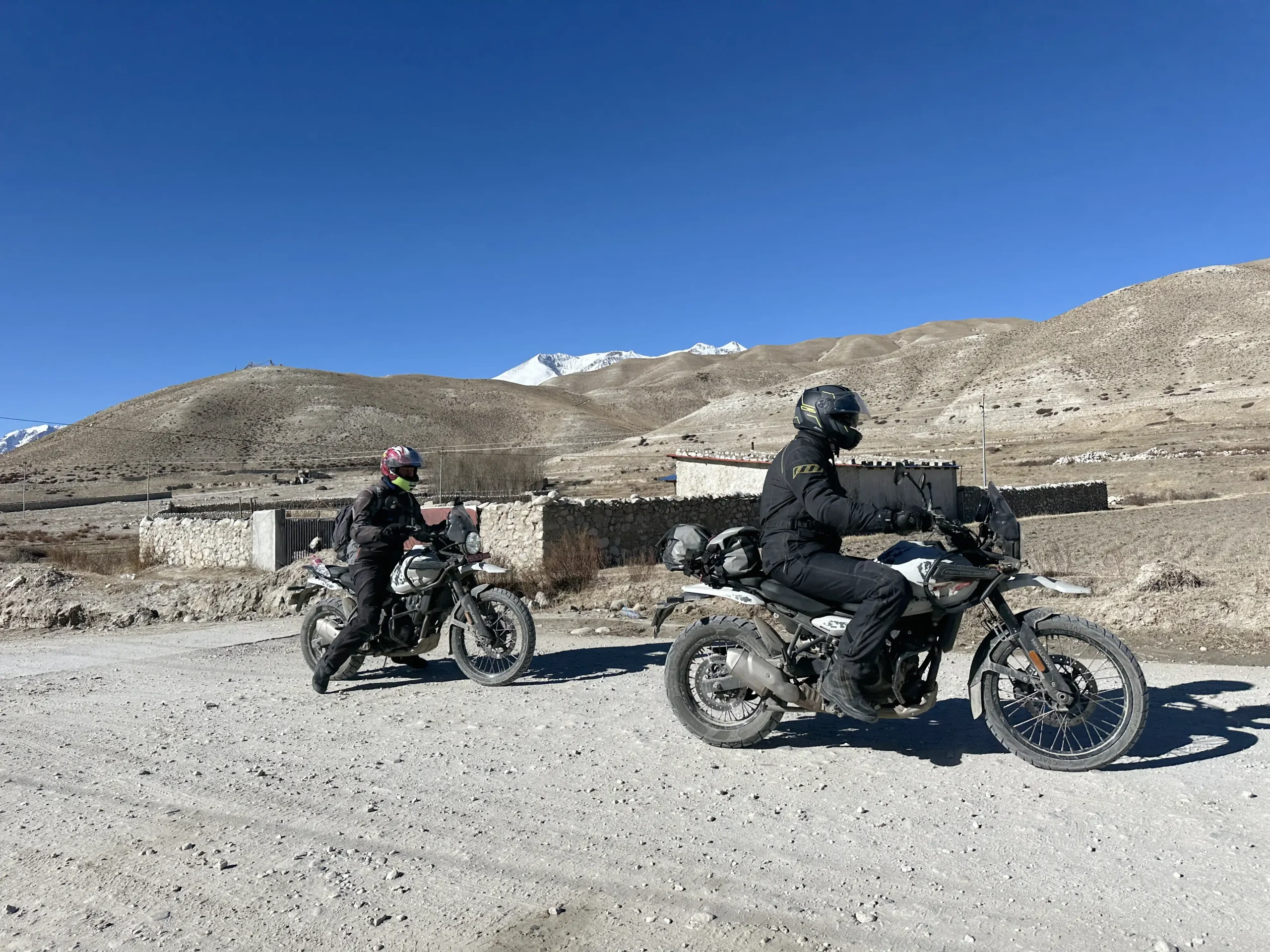
The Mt Kailash View Motorbike Tour is not a luxury ride. It’s a real journey into one of Nepal’s most isolated corners, Humla and the upper Limi Valley, where the road ends and the mountains take over.
Over 12 days, you ride from Kathmandu through western Nepal, crossing deep river gorges, dusty hill roads, and high Himalayan tracks to reach Lapcha Syar, a remote viewpoint that offers clear Mt Kailash darshan from Nepal, without entering Tibet. On a good day, the sight is quiet, powerful, and deeply personal — no crowds, no checkpoints, just you and the mountain.
The route passes through villages rarely visited by outsiders, where life moves slowly and hospitality is genuine. You’ll eat simple, organic local food, meet Humli and Limi people, and experience the raw beauty of a remote motorbike tour in Humla. This journey is as much about the ride as it is about being far from everything familiar.
If you’re looking for an authentic Mt Kailash motorbike adventure from Nepal, this is as real as it gets.
Humla trekking begins long before you set foot on the trail. It starts with the flight into Simikot, a small aircraft threading through steep ridges before landing on a short mountain airstrip. When the engine shuts off, the quiet feels immediate and unfamiliar. No traffic, no crowds, no busy trekking hub. Just a trail heading north into one of Nepal’s most isolated regions.
This 20-day journey explores two rarely visited areas of far-west Nepal: the wide, wind-carved Chang La Valley and the remote route to Hilsa on the Tibetan border. The trek crosses Phyajang La Pass (5,496 m), the highest point of the journey, reached gradually over several days of steady ascent.
These trails were not built for tourism. For centuries they were trade routes linking the Tibetan Plateau with lower Nepal. Even today you’ll see traces of that past, old mani walls, stone villages designed for harsh winters, and paths worn smooth by generations of traders and pilgrims.
In the Limi Valley, the village of Halji is home to Rinchenling Gompa, an 11th-century monastery of the Drikung Kagyu tradition. This is not a staged attraction; it’s an active religious place where local people still pray daily. Visitors are welcome, but respectfully so.
Hilsa marks Nepal’s northern frontier, where the Karnali River flows out of Tibet. Traders, pilgrims, and locals cross here with little ceremony, continuing a movement that existed long before modern borders. Standing at Hilsa, you don’t feel like you’ve reached a dramatic endpoint, more like you’ve quietly walked to the edge of a map.
This is a difficult trek. Days are long, the terrain is remote, and facilities are minimal in the high sections. Above 4,000 meters there are no teahouses, roads, or reliable communication. What you gain instead is a rare sense of space and silence; the feeling of being somewhere truly far from everything else.
Humla trekking via Chang La Valley and Hilsa is best suited to travelers who value authenticity over comfort and solitude over popularity.
Hilsa, a remote trekking gateway in Upper Humla near the Nepal–Tibet border.
Why Choose Humla Trekking via Chang La Valley?
Nepal has many famous trekking regions, but Humla offers something increasingly rare: true remoteness.
One of Nepal’s Least-Visited Trekking Areas
Compared with busy routes like the Everest Base Camp or the Annapurna Region, Humla receives very few trekkers. Access is difficult, flights are limited, permits are restricted, and there are no roads beyond Simikot. These challenges help preserve the region’s original character.
Phyajang La Pass; A Real High-Altitude Crossing
At 5,496 meters, Phyajang La Pass is physically demanding but incredibly rewarding. The climb is long rather than technical, and the views stretch across barren ridgelines toward the Tibetan Plateau. On exceptionally clear days, distant glimpses of Mount Kailash are possible.
Living Tibetan Buddhist Culture
Villages in the Limi Valley; Halji, Til, and Jang, maintain a deeply rooted Tibetan Buddhist lifestyle. Monasteries, prayer flags, and mani walls are not tourist decorations but part of everyday life.
Wildlife in an Undisturbed Environment
The high valleys support populations of Himalayan blue sheep and are known habitat for snow leopards, though sightings are rare. Large birds of prey are common, and lower elevations host species such as the Himalayan monal.
Following the Karnali River
Much of the trek follows the upper Karnali, Nepal’s longest river. Here it is raw, fast, and remote, nothing like the calmer stretches downstream. Walking beside it adds a constant sense of movement to the journey.
Best Season for Humla Trekking
Timing in Humla is not flexible.
In Everest or Annapurna, bad weather costs you comfort. In Humla, it costs you days. Sometimes your flight. Sometimes your pass crossing. Everything here is connected, and when one-part shifts, the whole plan adjusts.
There are really only two workable seasons.
April to May
Spring comes slowly in western Nepal. The lower valleys start turning green. Rhododendron shows up in patches. Higher up, the grass returns and the yaks spread out again.
Snow usually stays firm on Phyajang La in April. By May, it begins to soften but crossings are still stable in the mornings. Afternoons can cloud up. That’s normal. You start early anyway.
Temperatures are more forgiving than autumn. Camps feel less harsh at night.
If you prefer slightly warmer air and don’t mind a bit of afternoon weather movement, spring works well.
September to October
Autumn is cleaner.
After the monsoon clears out, the air feels sharper. In October, especially, the visibility can be startling. You see distance properly. Layers of ridgelines that don’t show themselves in other seasons.
But nights are cold. Once the sun drops behind the ridge, temperatures fall quickly. Sleeping gear matters.
Most experienced trekkers choose autumn. Conditions are simply more predictable.
Both seasons work. If you can travel in either, choose the dates that give you more buffer days. That matters more than the month.
Difficulty and Physical Preparation
Let’s be direct. This is a hard trek.
Not technical. Not mountaineering. But physically and mentally demanding in a way that popular routes are not.
Altitude
Phyajang La tops out at 5,496 meters.
At that height, you move more slowly whether you want to or not. Appetite drops. Sleep gets light. Small climbs feel longer than they should.
We build the itinerary to acclimatize properly. Still, altitude does not negotiate. You respect it, or it sends you down.
Anyone joining this trek needs to understand the symptoms of Acute Mountain Sickness and report them immediately. There is no prize for silence.
Daily Walking
Expect 5 to 9 hours most days.
Some trails are clear river paths. Others are rough, stony, and feel older than maps. There are no road exits once you are deep in the route.
If someone needs evacuation, it happens by helicopter if the weather allows. If not, it happens slowly.
That reality changes how you approach preparation.
Fitness
You do not need ropes. You do not need ice tools.
You do need endurance.
Three months of consistent training is a realistic minimum. Long hikes with weight. Stair climbs. Sustained cardio.
If you can comfortably walk seven hard hours at home and feel ready to go again the next morning, you’re on the right track.
If that sounds excessive, this is not the right trek.
The Mental Side
Cold mornings. Basic food. No signal for days. Wind that doesn’t stop.
Some stretches feel longer than they look on the map.
But this is also the reason people remember Humla differently from other treks. It doesn’t entertain you. It doesn’t cushion you. It gives you space and asks you to deal with it.
Trekkers who arrive expecting comfort struggle.
Trekkers who arrive expecting effort usually leave changed.
Koti Himal is a remote and largely unexplored peak located in the Limi Valley of Humla, Nepal. Standing at approximately 6,194 meters, it lies near the Tibetan border and remains one of the few unclimbed or rarely attempted peaks in the region. Surrounded by stunning Himalayan landscapes and ancient Tibetan Buddhist villages, Koti Himal offers a raw and untouched experience for adventurous climbers and trekkers seeking off-the-beaten-path exploration.
ITINERARY OVERVIEW
Day-01 Arrive to Kathmandu
Day-02 Fly Kathmandu to Nepalgunj
Day-03 Fly Nepalgunj to Simikot
Day-04 Trek to Dharapori
Day-05 Trek to Kermi
Day-06 Trek to Singjungma
Day-07 Trek to Tsongsa
Day-08 Trek to Talung via Nyalu la pass
Day-09 Trek to Takchi
Day-10 Trek to Chortenkarbu
Day-11 Trek to Base camp at 4850m/15,912’ BC at 30 12 46N, 81 49 30E
Day-12 Acclimatize at BC
Day-13 Trek to HC, 5375m, return to Base Camp
Day-14 Rest Day at Base Camp
Day-15 Trek to High Camp
Day-16 Climb Limi Koti, 6194m and return to HC Limi Koti
The Mt Kailash Trek via Changla Valley Humla is one of Nepal’s most remote and spiritually powerful trekking journeys, offering rare views of Mt Kailash and Lake Manasarovar from Nepal without entering Tibet. This 25-day expedition moves deep into the far-west Himalayan frontier of Humla, a restricted region known for its untouched valleys, ancient monasteries, and traditional Tibetan-influenced villages.
Beginning with scenic flights to Simikot, the trail follows old trade routes through Dojam, Sabakong, and Dhumling, gradually gaining altitude toward the isolated Changla Valley. The journey reaches its highest point at Phyajang La Pass (5,496m), one of the most challenging and rewarding crossings in the region. Beyond the pass, the route enters the culturally rich Limi Valley, home to historic villages such as Takchi and Halji, where life continues much as it has for centuries.
A major highlight of the trek is the day hike to Lapcha La Viewpoint, a rarely visited ridge offering clear-day views toward Mt Kailash and Lake Manasarovar from the Nepal side. This moment alone makes the expedition unique, especially for trekkers and spiritual seekers who wish to experience Kailash without crossing into Tibet.
The trek is fully supported and camping-based, designed for experienced trekkers seeking solitude, cultural depth, and raw Himalayan landscapes. Best undertaken during the summer months (June to September), Humla’s rain-shadow climate provides relatively stable trekking conditions while much of Nepal experiences monsoon rains.
The Badimalika Trek is located in Nepal’s far western region. This journey, located in Nepal’s far western area, is absolutely pristine, untouched, and spectacular trekking in Nepal. Badimalika is the religious god situated high in the mountains of the Bajura district in Nepal’s Seti Zone. Many pilgrims visit Badimalika each year, but because to the limited traffic during the festival, it is kept a secret from outsiders. The Badimalika magnificent spiritual ambiance is a divine experience in Nepal.
High mountain passes, ancient valleys, caves, breathtaking Himalayan views, cultural and traditional practices, lifestyle, and spirituality covering an excellent spectrum of natural beauty are the main attractions of the Badimalika trip. The beauty of the wilderness in the midst of unspoiled nature is breathtaking, and it is ideal for keen trekkers. The adventure in this area is worth exploring and gives a once-in-a-lifetime experience because the trekking in the far western region is relatively unknown and under-visited.
Bhagwati, a Hindu goddess, is honored in the Badimalika temple. It is a religiously significant site and a spiritually significant location. The trek’s main highlights are its remote beauty and unspoilt culture and traditions. Remote campsites, rivers, mountains, passes, Himalayan views, and magnificent green hills can all be explored. The Badimalika trek, a hidden jewel, is the ideal way to discover the mountain’s breathtaking grandeur. The wonderful grandeur of the Bajura in Nepal’s west-northwest region awaits explorers. Badimalika temple is located on a small hillside. The spiritual Badimalika trek’s main attraction is this. Furthermore, the trek provides the greatest views of the Api and Saipal mountain ranges. During the Badimalika trip, you can learn about the local people’s untouched culture and traditions.
The Badimalika temple is located around 4200 meters above sea level. Technically, this trek is not difficult, but the high-altitude sickness makes it difficult in this area. It’s difficult to trek because of the floral smell and the high altitude. The expedition isn’t entirely a camping excursion. However, because there is no human habitation in the upper section of the Bajura area, trekkers must remain in camps. Local teahouses and lodges can be found in the lower areas of the Bajura district for accommodation. The natives’ hospitality is second to none.
The trek to Badimalika begins with a flight to Dhangadi in western Nepal’s plains. Dadeldhura is a short drive from Dhangadi, the far west’s urban hub. You’ll continue on to Jadanga and Budha Krodh, two of the most pure and lovely settlements in the area. Badimalika is a little distance ahead of Triveni. You will visit the temple and take a tour of the magnificent grazelands and mountains. You will trek to Dhawalpur Lake from Badimalika. From the peak, the magnificent views of the Api and Saipal mountains are breathtaking.
Dhawalpur Lake is a wonderful lake to see in this region, nestled within the lush forest. You will trek to Lamagadh after exploring the lake. One of the most popular temples in the neighborhood is the Natyeshwari temple, which is located along the road. The Natyeshwari temple will be your destination. On the trip to Silgadhi, you will also have the option to see the Saileshwari temple. A drive from Silgadhi will take you to Dadeldhura and Dhangadi. You’ll fly from Dhangadi to return back to the Kathmandu Valley.
Kailash Mansarovar yatra is one of the most popular pilgrimages in the world, but it is also one of the most difficult and physically demanding pilgrimages in Asia due to the high altitude of 19,500 feet and hostile circumstances. The helicopter yatra from Lucknow is one of the quickest and most convenient ways to see Mt. Kailash and Lake Mansarovar. This nine-day helicopter tour takes you to the Nepal-China border via flights, from where you may see Kailash Manasarovar through comfortable and short drives.
The pilgrimage to Mt. Kailash is more than just a trip to the top of a mountain. It is a spiritual journey. For Hindus, it is the residence of Lord Shiva, for Buddhists, it is the home of Buddha Demchok, and for Jainists, it is the site of Nirvana. Each year, thousands of devout tourists bathe in the holy waters of Mansarovar and gaze at the sunset over Mt. Kailash. Many have termed the path the “steps to heaven,” and it is intended for both devout pilgrims and enthusiastic trekkers eager to explore and self-actualize.
The Kailash Mansarovar Yatra by helicopter will reduce the inconvenience of traveling difficult terrains to reach truly isolated areas. The harsh weather and the difficulties of traveling lengthy distances might detract significantly from this once-in-a-lifetime adventure. However, the Kailash Mansarovar Yatra, which departs from Nepalgunj by helicopter, securely avoids all of this, providing just the best experiences to the pilgrims. It is designed for pilgrims with a limited amount of time. This journey will provide you with breathtakingly beautiful vistas, mysterious mountains and lakes, and new inspiration.
Driving from Lucknow to Nepalgunj via the India-Nepal border is the first step. After that you will take a regular flight to Simikot and then later you will use chartered helicopter to reach Hilsa. Following the completion of your immigration formalities, you will travel to Taklakot (also known as Purang) and drive to the holy Lake Manasarovar. You can bathe in the holy lake or drink its water if you choose, as Hindus believe it will purify your all sins. You will eventually complete the Mt. Kailash parikrama in the next days, which is the most difficult stage of the Yatra, but you will gain new energy and a new perspective on life. After the excursion, you will return the same way you came before. This journey will cleanse your mind and rejuvenate your body and it is not to be missed.
Pilgrims from all over the world have a deep confidence in Mount Kailash, which is viewed differently by worshippers from many countries and ethnic groups. The Kailash Helicopter Tour allows travelers who have a strong desire to visit this sacred site but have limited time to do so to visit Mt. Kailash Manasarovar Yatra in a short amount of time. This excursion is meant for physically challenged or senior persons who wish to pay a visit to the Hindu deity Lord Shiva but are unable to trek the rocky and difficult pathways of Kailash.
Kailash and Manasarovar are the holiest places on the planet as per Hindus, Buddhists and Jains. According to Hindu myth, Mt. Kailash is Lord Shiva’s home, while Manasarovar Lake is Shiva and Parbati goddess’s bathing place. According to Buddhism, Kailash Manasarovar is the God of Snow Jewels and the meditation site of Buddha disciples (Guru Rimpoche). The 52-kilometer Kailash kora/parikrama is known as the sacred walk since it reveals many different religious philosophies at each step. Thousands of yatris participate in the world’s most famous yatra every year, with Hindus and Buddhist devotees appreciating the religious significance, cultural significance, and natural beauty of Kailash Mountain and Manasarovar Lake in Tibet.
The Kailash Manasarovar Helicopter Tour is considered a luxury tour in Tibet that begins from Kathmandu, Nepal’s capital city. On a trip from above the country’s mountains, the view from Simikot via Nepalgunj is truly stunning. Following our arrival on Simikot, we will board a private aircraft for a journey to Hilsa, where we may take in the breathtaking scenery beneath us. From here, the overland route to Mount Kailash and Lake Manasarovar is easy and pleasant. We will travel farther up to Darchen with the help of a professional guide and crew and then embark on a three-day Parikrama walk around Mt. Kailash (also known as Kora), allowing the spiritual belief to sink in.
We will embark on an overland trek to Lake Manasarovar after an exhilarating yet tranquil experience on Mt. Kailash. Most pilgrims consider the lake’s water, which they refer to as “Jal,” to be pure holy water. We will grab a small amount of water and continue on our way back to Taklakot. We will return to Simikot by helicopter and finish our adventure in Kathmandu on a regular aircraft.
The journey includes high and remote mountain flying, unique Hindu practices, Buddhist and Tibetan culture highlights and breathtaking panoramic vistas of Nepal and Tibet in the huge Karnali canyon with small hidden valley.
East spur and northwest ridge of Changwatang (6,130m) is located in the Far West in Nepal near Chinese border. Changwatang has more to offer than its low elevation suggests. The mountain provides some nice surprises, including an alpine-style climbing path. This massif is a call to all those seeking peace and quiet, to all those seeking to discover a Nepal other than the well-known massifs of the Khumbu and Annapurna’s, a Nepal that is still untamed. Here you must plan your journey, choose your valley to climb, your top to climb and learn everything there is to know about the area.
Western Nepal is a largely unknown territory. As a result, the massif’s name is somewhat ambiguous. It is no longer Dolpo, nor is it the Tibetan plateau, but the Limi region, located in the center of the massif. Many peaks exceed 6000 m. Magnificent, very alpine peaks, with slender, glacial paces, and others more debonair. Huge potential for those who want to climb, trek and explore. The starting point for these mountains is the small village of Simikot (capital of the district of Humla) which can be reached by plane from Nepalgunj. Otherwise, you will need 24 hours by bus and 6 days of walking from Nepalgunj.
Changwatang was not formally opened until 2002, but four Japanese and two Sherpas led by Tamotsu Ohnishi had made the ascent two years prior. This party is thought to have climbed the northwest ridge in its entirety, approaching from the west and setting up a high camp at 5,730 meters. The second ascent, along the south ridge, was made by Michihiro Honda’s Japanese expedition in 2008.
The Limi massif, which stretches between Simikot and Changwatang, boasts more than 16 peaks above 6,000 meters, as well as numerous glaciated lower peaks and nameless passes. Every one of these peaks is unclimbed, and a high-altitude trip from here north to Changwatang is possible. Aside from alpinism, Changwatang offers a gateway to another universe. It’s a good excuse to travel to a part of Nepal that’s rarely visited, where youngsters don’t bother you for pens or pencils as you pass.
The Limi Valley, tucked away in northwest Nepal, is a magical spot. Three ethnic Tibetan villages—Jang, Waljie and Til—make up the community. These villages are difficult to reach from Nepal and are shut off totally during the winter months. A valley that has been forgotten.
ITINERARY OVERVIEW
Day-01- ArriveKathmandu(KTM),stay Hotel
Day-02- Rest visit Ministry of Culture, Tourism & Civil Aviation for permit
Day-03- Fly to Nepalgunj
Day-04- Fly to Simikot
Day-05 to 11 Trek to BC,302002N,81 5559E,4950m/16,240’
Day-12- Trek to Changwatang ABC, back to BC
Day-13- Trek to Changwatang HC set up high-altitude tents, drop food & fuel, return to ABC
Day-14- Trek to Changwatang HC with guide,stay at HC
Day-15- Summit Changwatang Himal, 6130m return to HC, dismantle HC and return to ABC
Day-16- Return to BC
Day-17 to 18- Spare/restdays
Day-19 – 20 Spare/restdays
Day-20- Helicopter flight back to Kathmandu/ or Day 20- 25 trek back to Simikot and fly back to KTM
Chandi Himal is located north of Changwatang, towards the western extremity of the Nepalese Himalayas. It is one of Nepal’s unclimbed peaks that has recently been accessible to expeditions. It is a climbing peak in Nepal’s Chandi mountain range, which is part of the Chandi Himal municipality of the Humla district. The mountain top is 6096 meters high and is located in latitude 30.3592 and longitude 81.9514. Mount Api (7132m), Mt Saipal (7031m), Dhaulagiri, Mt Chandi and other peaks can be seen from the summit of Chandi Himal Peak.
At higher elevations, the region’s vegetation includes Pine and Hemlock woods, White Fir, Juniper, Birch, and Rhododendron, scrub and alpine plant communities. The Red Panda, Snow Leopard, Musk Deer, Himalayan Thar, Marten, Himalayan Mouse Hare (Pika), and over 118 species of birds, including the Impeyan Pheasant, Snow Cock, Blood Pheasant, and Red-billed Cough, can all be found in the park.
Climbing the Chandi Himal Peak is a 45-day difficult adventure excursion. The excursion begins in Kathmandu, where you will backpack and prepare for the journey. Your guide will provide you with all of the relevant trip information. The trail to the peak of Chandi Himal Peak runs through Simikot, Kharpunath, Thehe, Dojam and Thara Sangu and is 38 kilometers long, with a climbing route of 32.6 kilometers.
ITINERARY OVERVIEW
Day 01: Arrive in Kathmandu (KTM) – Transfer to Hotel
Day 02: Rest Day – Visit the Ministry of Culture, Tourism & Civil Aviation for permits
Day 03: Fly to Nepalgunj – 150m (492ft)
Day 04: Fly to Simikot – 2,910m (9,550ft)
Day 05 to Day 11: Trek to Base Camp – 4,950m (16,240ft)
Day 12: Trek to Chandi ABC – 5,365m (17,603ft)
Day 13: Trek to Chandi High Camp (HC) – 5,750m (18,865ft)
Day 14: Trek to Chandi HC – Stay at High Camp
Day 15: Summit Chandi Himal – 6,142m (20,151ft) via NE ridge – Return to HC, dismantle HC, and return to ABC
Day 16: Return to Base Camp
Day 17 to Day 18: Spare/Rest Days
Day 19: Trek to Changwatang High Camp (HC) – 5,500m (18,045ft)
Day 20: Summit Changwatang – 6,130m (20,112ft) via E ridge – Return to HC
Day 21: Return to Base Camp
Day 22: Trek back to Sumna
Day 23: Trek from Sumna to Gurukpa
Day 24: Trek from Gurukpa to Dhukling Khola
Day 25: Trek from Dhukling Khola to Shambakong
Day 26: Trek from Shambakong to Dojam
Day 27: Trek from Dojam to Simikot
Day 28: Fly from Simikot to Nepalgunj – Fly from Nepalgunj to Kathmandu
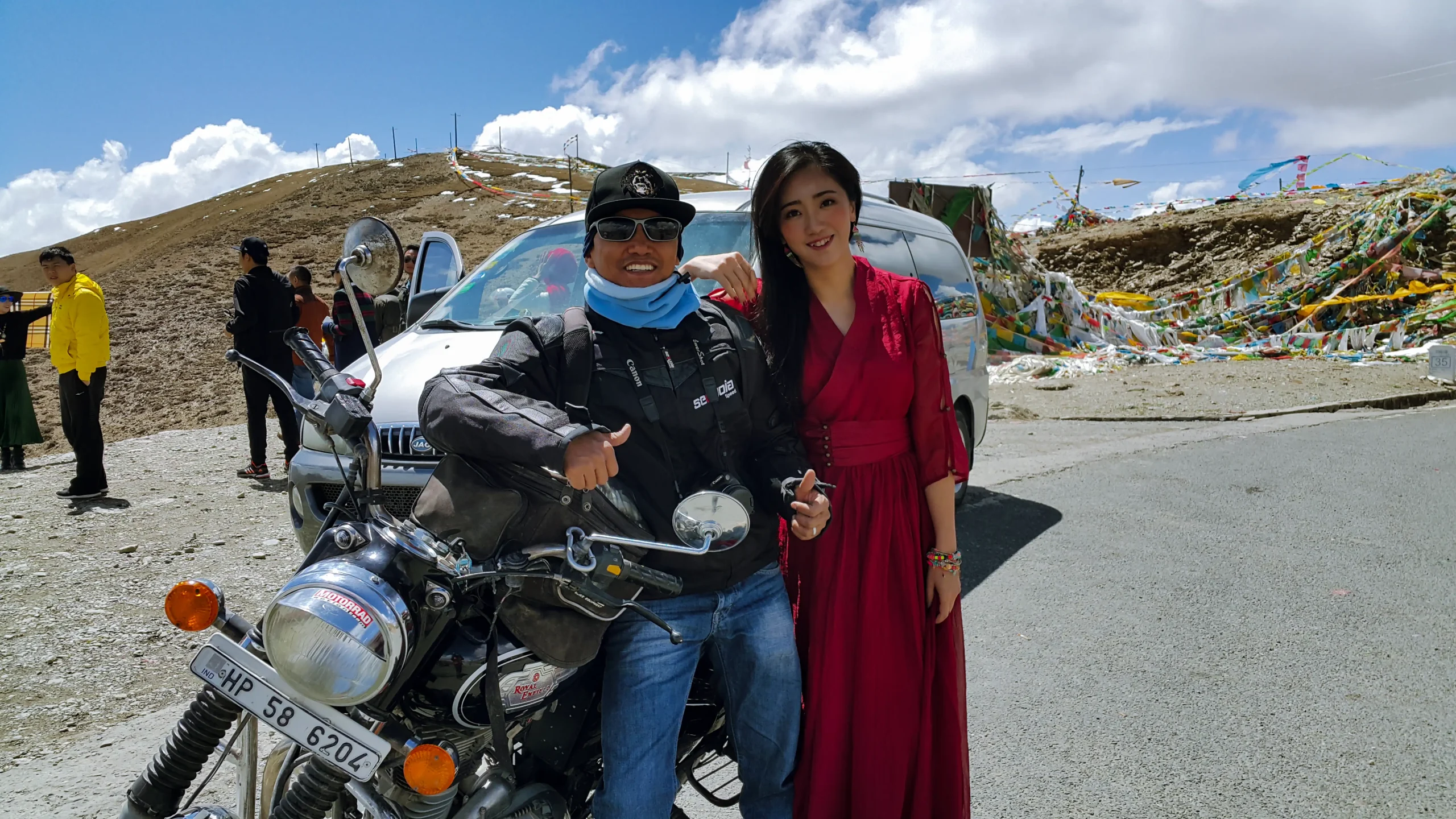
The Everest Motorbike trip is an old tour that takes you to Tibet by motorcycle on a new track. On a motorcycle, this trip to Everest Base Camp offers breathtaking mountain views and high passes. The colorful culture, great highways, rural villages and a bustling city will all be witnessed in this tour.
The Everest Motorbike Tour via Kerung provides riders with a variety of riding opportunities. In the mountains, it offers some of the best motorable road experience in the world. We will travel through Nepal and Tibet on the Everest Motorbike Tour to Everest Base Camp. Through the Tibetan Plateau, we will go to the foot of the world’s highest peak. It has become easier to ride in the Everest Base Camp lately because both Nepalese and Chinese governments have given their approval. You’ll get goosebumps from the thrill, adventure, and excitement. Additionally, you will become a storyteller about your experience. With such a story, having a relaxing time with your friends, relatives and colleagues will be much easier.
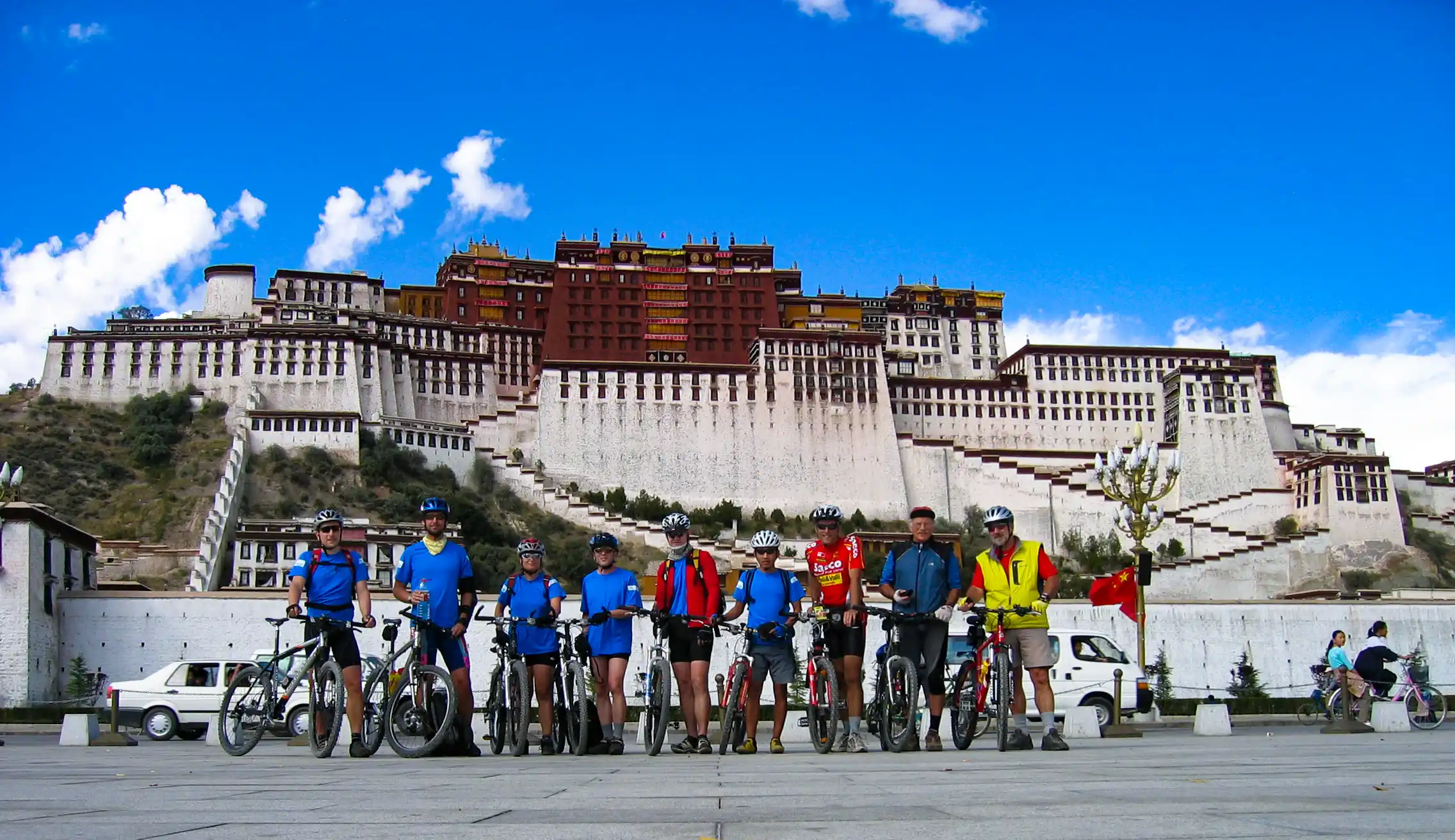
On the way, we will also pass over Nepal’s shortest motorable routes to Mt Kailash. However, we will take turn to explore Potala Palace which is located at stunning high altitude. Potala Palace is one of the monasteries that can be found in Tibet. We will ride our bikes to Kerung. It is a border crossing point between Nepal and China. Then we will set off on our journey to Shakya, Gyantse and Lhasa. Lhasa is the Tibetan capital. At the end, we will finally head towards Rongbuk, where the Everest Base Camp is located. We will return back to Kathmandu from the same route taken before to complete this Everest Motorbike Tour.
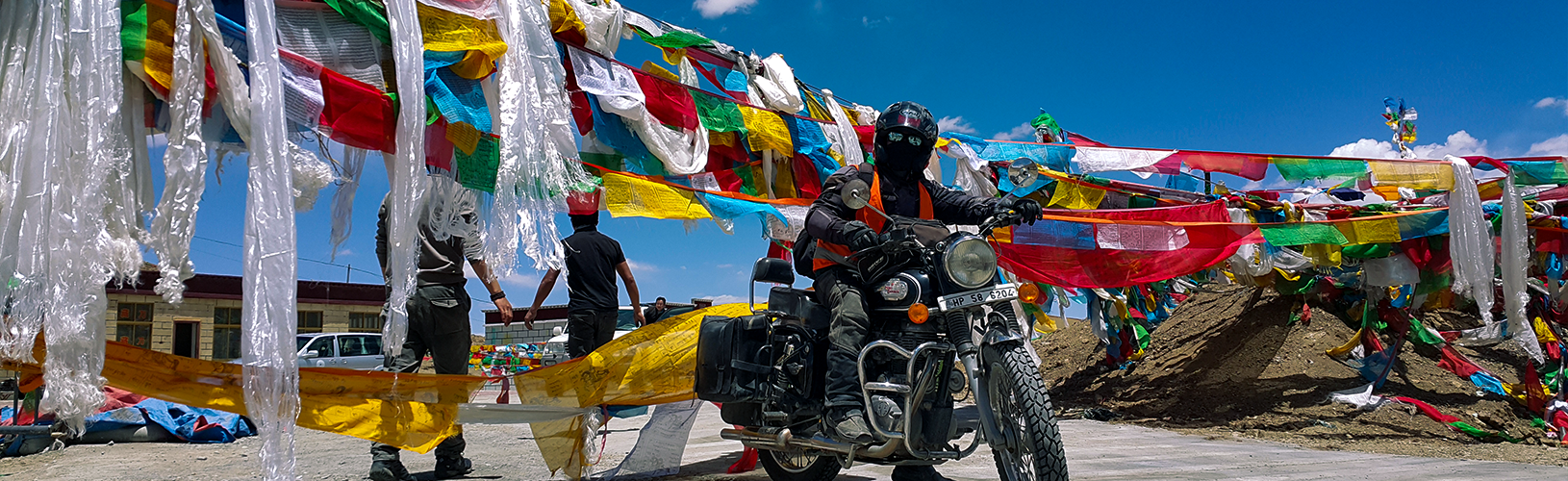
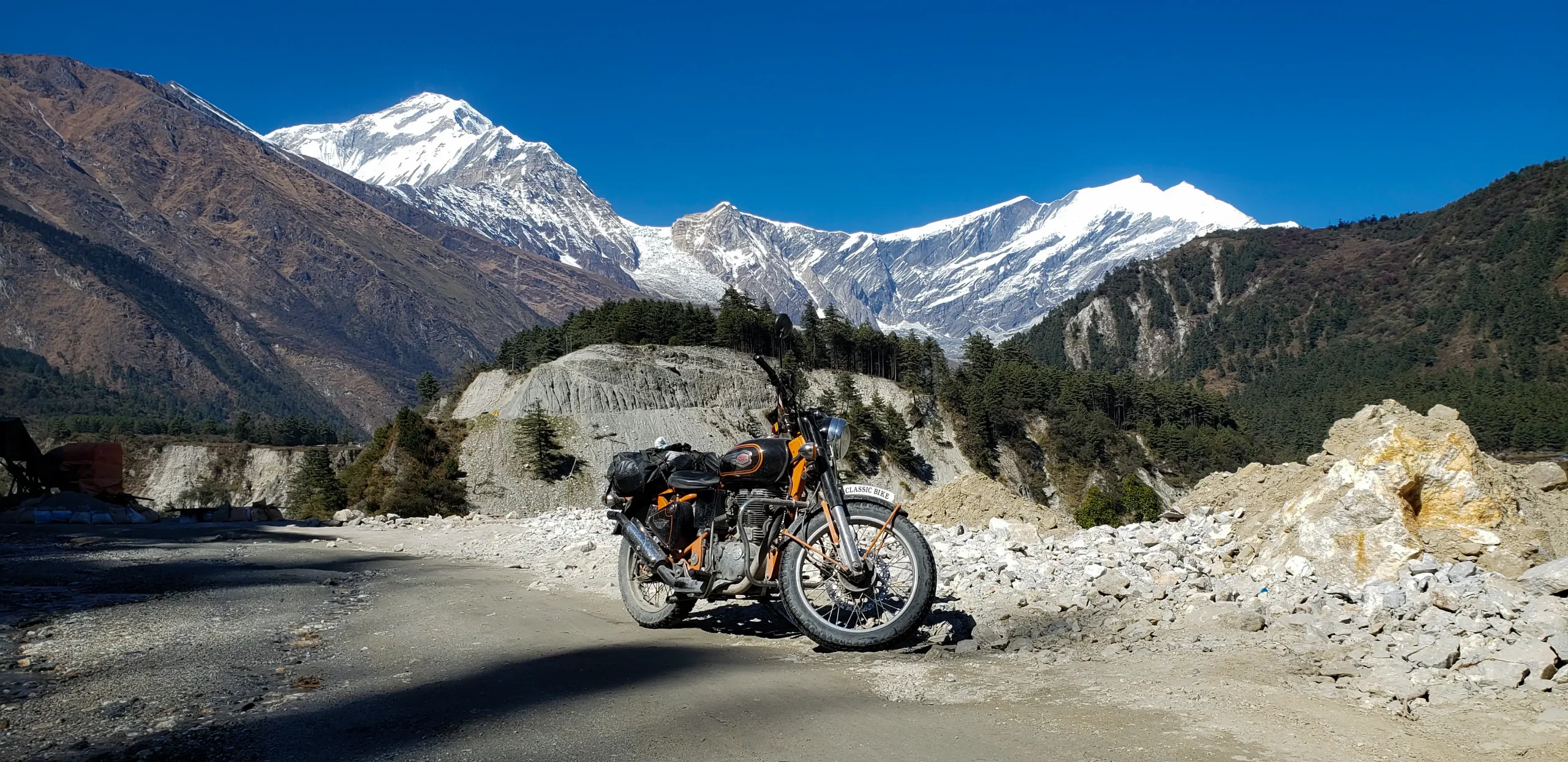
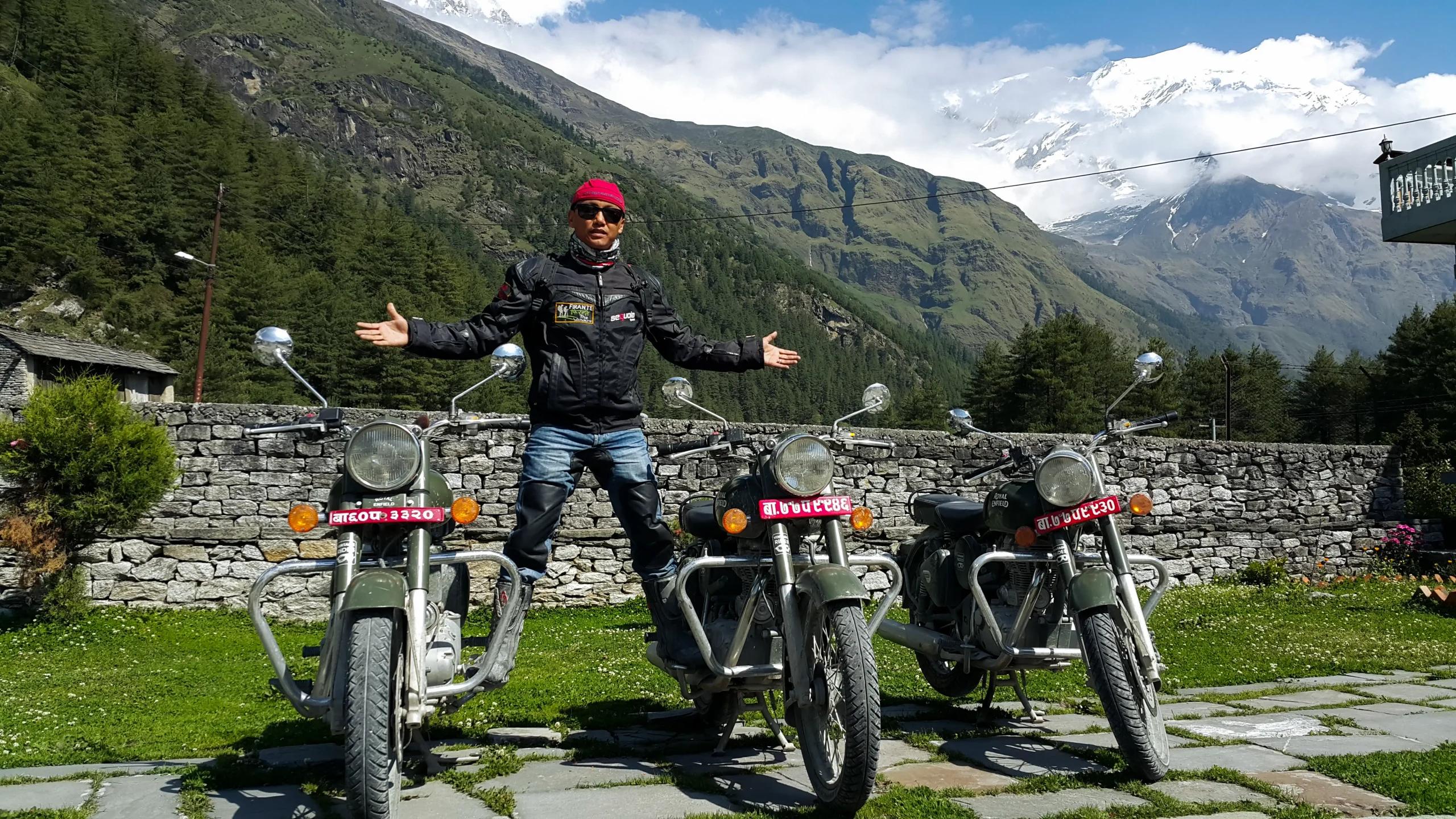
For this tour, we will ride on our trusted Royal Enfield 500 cc motorcycle. It is the most reliable bike for riding in Nepal, Tibet, China, India, and Bhutan or on any terrain. The route runs through an elevation of over 5,000 meters and over the world’s highest pass, the Everest Motorbike Tour is moderately demanding. The pathways via the high mountains are not without their challenges. If you have a lot of experience riding a motorcycle and want to see the beauty of the mountains, you will most likely be able to realize your dream of riding on this trip.
The Everest Base Camp Motorbike Tour is available all year. Spring and autumn, however, are the best times of year to visit Tibet for this journey. The weather is good, and the views are spectacular. The tour is not recommended during the winter months (December to February), as the cold weather makes the route difficult. A special permit is required to go to Everest Base Camp from Tibet.
Experience a journey across Tibet and Xinjiang that blends spiritual reflection, adventure, and cultural discovery. Starting with a flight from Kathmandu to Lhasa, travelers explore the heart of Tibetan Buddhism, visiting landmarks such as Potala Palace, Norbulingka Palace, and Barkhor Square. The route continues through historic towns like Gyantse and Shigatse, home to centuries-old monasteries and cultural treasures, before reaching the sacred Mount Kailash and the pristine Lake Manasarovar.
The itinerary includes a three-day trek around Mt. Kailash, offering the chance to soak in the spiritual atmosphere and breathtaking Himalayan scenery. After completing the circuit, the journey proceeds toward Khasgar, an ancient Silk Road hub where Uighur, Tajik, and Kyrgyz cultures converge. This tour combines pilgrimage, trekking, and cultural exploration, with flexibility to adjust the route according to personal interests and available time.
Highlights
Explore Lhasa’s Spiritual Heritage: Visit Potala Palace, Norbulingka Palace, Barkhor Square, and immerse in the vibrant Tibetan Buddhist culture.
Historic Monasteries & Sites: Discover Drepung Monastery, Sera Monastery, Kumbum Stupa, Pelkor Chode Monastery, and Tashilhunpo Monastery.
Sacred Mt. Kailash & Lake Manasarovar: Complete a three-day trek around Mt. Kailash and enjoy the tranquil beauty of Lake Manasarovar, sacred to Hindus, Buddhists, Jains, and Bon followers.
Silk Road Adventure to Khasgar: Travel along ancient trade routes and high plateaus before reaching Khasgar, a historic commercial and cultural center.
Cultural Immersion: Explore Tholing and the Guge Kingdom, witnessing traditional architecture, local rituals, and everyday life.
Flexible Itinerary: Adjust the trip based on pace, duration, or interest in additional destinations across Tibet and Xinjiang.
Scenic Landscapes & Remote Drives: Cross the Tibetan plateau, high mountain passes, and serene valleys.
Pilgrimage Meets Adventure: Perfect for travelers seeking both spiritual experiences and trekking challenges in one journey.
This Tour covers Tsedang and Samye, the ancient capital of Tibetan Kings, from where the Tibetan civilization once flourished. We will visit the first building built in Tibet (Yongbulagong) and the ancient Tombs of former Tibetan Kings. En route to Lhasa we will stop at the famous Monastery (Mindoling) of Samye. After a two days sightseeing tour within Lhasa, we make a day trip to Ganden (Ganden Monastery) at 40 km east from Lhasa. Ganden surely is one of the most spectacular sites of Tibet. Built in 1490, it once was the residence of over 4000 monks. This tour departs on Tuesdays and Saturdays from Kathmandu. The tour can be commenced from mainland China (Chengdu and Beijing) too
This is the full sweep of western and central Tibet on two wheels: sacred Lake Manasarovar, the Kailash kora pilgrimage, the stark north face of Everest at base camp, and the living heart of Tibetan culture in Lhasa. It’s about 18 days of riding (mostly on high plateau roads), with built-in time to adjust to the altitude so you’re not wrecked by AMS halfway through. You start in Kathmandu—sorting Chinese group visa and Tibet permits, wandering the old city, getting your bike prepped. Then it’s ride out to Syabrubesi, cross at Kerung/Rasuwa border into Tibet, and head west through Saga toward the holy lakes. At Manasarovar you park up for a night or two by the water—quiet, cold, immense sky. A dip or circumambulation here is a big deal for pilgrims (Hindus, Buddhists, Jains, Bonpos alike), and the mountain views are unreal. Next comes Darchen: base for the 3-day Kailash kora. Leave the bikes, walk the 52km loop clockwise (or prostrate if that’s your thing), passing monasteries, prayer flags, and high passes where the air is thin and the silence is loud. Finishing the kora feels earned—many say it shifts something inside.
This tour combines the full sacred Kailash kora with Everest’s north face and Lhasa’s culture for an epic all-in-one adventure. If you’re focused purely on Mount Kailash and Manasarovar by bike, check out our dedicated Mount Kailash Motorbike Tour (shorter 13-day version). For a faster, non-riding option, see our helicopter tours to Kailash & Lake Manasarovar.
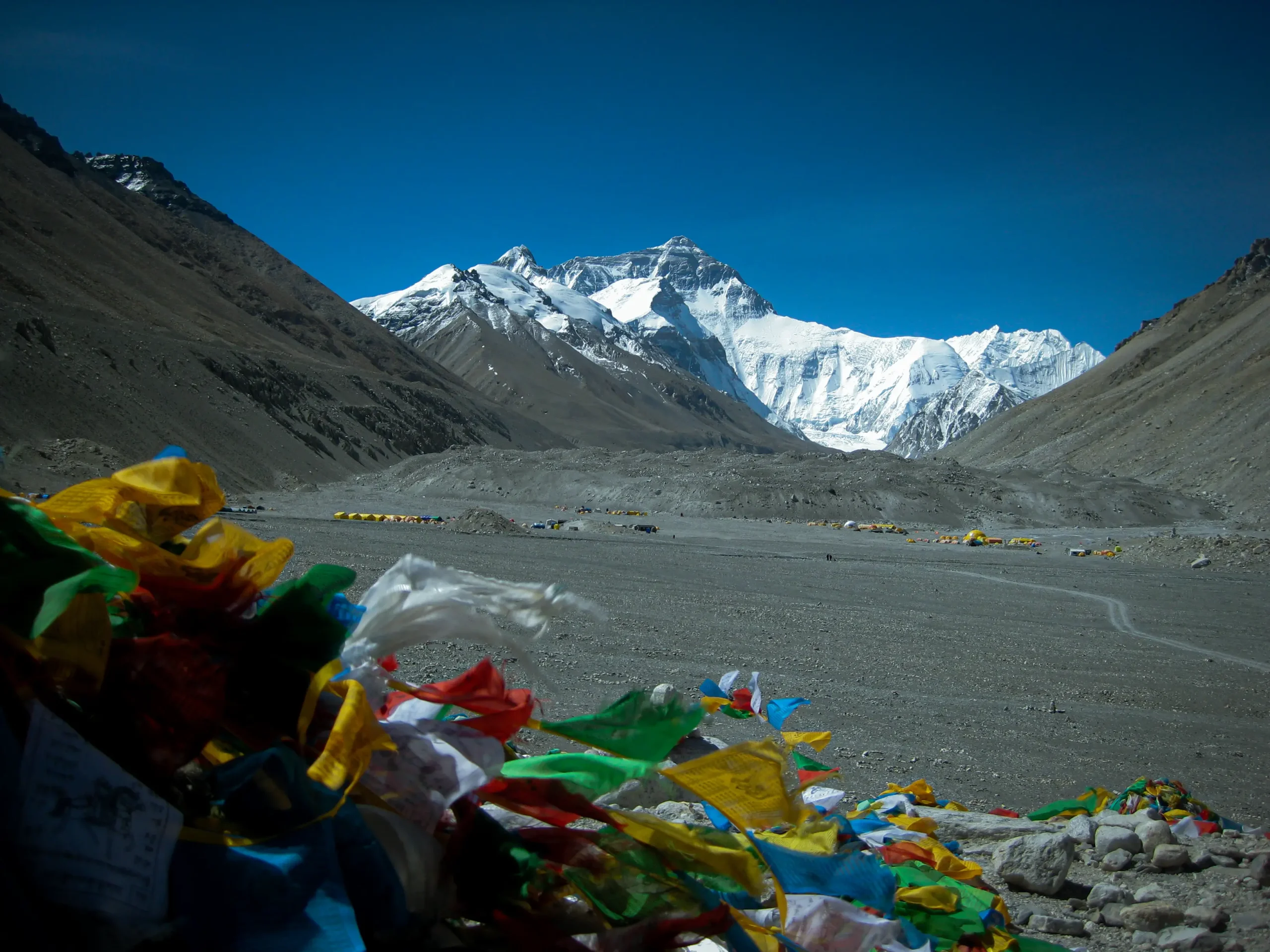
Backtrack to Saga, then swing east toward Everest. Ride to Rongbuk Monastery (one of the highest anywhere), then push the last stretch to EBC North Side at 5200m. Standing there looking up at Everest’s north face after days of riding across empty plains is heavy—raw, massive, humbling. No south-side crowds; just wind, prayer flags, and the mountain. From there it’s Tingri, cross more passes, and roll into Lhasa. Spend a few days soaking it in: Potala Palace towering above, Jokhang Temple’s incense and pilgrims, Barkhor Street’s clockwise kora crowd. It’s the perfect wind-down—culture after the wilderness. The route follows some of the world’s highest motorable roads—endless horizons, turquoise lakes, snow peaks, remote nomad camps. Best months: May to September for stable weather and open passes (April and October quieter, fewer people, sharper views but colder nights). Expect variable roads: some smooth tarmac, plenty of gravel and dust. Why riders pick this one: It’s not just scenery. You get the freedom of a bike—feeling every gust, every climb—mixed with real spiritual weight at Kailash/Manasarovar, the achievement of reaching EBC by motorcycle, and the depth of Lhasa. Few tours combine all three in one go. It’s tough (experienced riders only, solid fitness needed), but the payoff is a journey that sticks with you long after the dust settles. If you’re after purpose on the road—not just miles—this is it. Full support, experienced guides who know Tibet inside out, and a route designed for safe acclimatization. Ready to ride? Get in touch for 2026 dates, pricing, and permit details.
“ The Kailash, Manasarovar, Everest Base Camp & Lhasa Motorbike Tour isn’t just a ride — it’s a profound journey across the roof of the world. Feel the wind on the high Tibetan plateau, complete the sacred kora around Mount Kailash, stand before Everest’s mighty north face, and immerse in Lhasa’s timeless spirit — all from the saddle of your bike.
Whether you’re an experienced rider craving freedom and depth, or a seeker of spiritual adventure blended with raw Himalayan riding, our 18-day motorbike epic delivers unmatched immersion, safe acclimatization, and lifelong memories — no compromises on the experience.
Why Choose This Tour?
Most Tibet motorbike trips pick one highlight: either Kailash for pilgrimage, Everest for the mountain rush, or Lhasa for culture. This one delivers all three in a single, logical loop—without backtracking more than necessary or rushing acclimatization. • You ride the full western-to-central plateau: high passes, empty horizons, sacred lakes, and remote Tibetan life up close. • Built-in rest days at altitude reduce AMS risks—crucial at 5000m+ spots like EBC North Face and Kailash kora. • Motorbike freedom: feel the thin air, dust, wind, and silence—no bus windows between you and the landscape. • Spiritual depth without forced hype: time at Manasarovar for reflection, the kora as a personal achievement, Lhasa to ground it all in living Tibetan Buddhism. • Full support: experienced local guides/mechanics who know Tibet permits, road conditions, and how to handle breakdowns or weather changes. • Fewer crowds on the north side of Everest and in western Tibet compared to Nepal-side tours. If you’re after a journey that mixes raw adventure, cultural immersion, and something bigger than just riding miles, this stands out.
Who Can Join?
This isn’t a beginner spin around the block—it’s high-altitude, long-distance riding in remote areas with variable roads (tarmac, gravel, dust, occasional rough patches). Best suited for: • Experienced motorbike riders comfortable with 200–400 km days, high passes (up to 5200m+), and handling bikes at altitude (reduced power, thinner brakes). • People with good physical fitness—altitude hits everyone, plus walking the 52km Kailash kora over 3 days (moderate trekking, optional porter/yak support). • Adventurers who value purpose: spiritual reflection at Kailash/Manasarovar, the raw power of Everest north face, Tibetan culture in Lhasa. • Riders okay with basic guesthouses/hotels (clean but simple, shared facilities in remote spots), variable food, and group dynamics (min 2 pax, usually small groups). Not ideal if: you’re new to big bikes, have serious health issues (heart/lung conditions), or want luxury (this is adventure, not 5-star). Solo riders can join if we match you to a group. Age/fitness: No strict limits, but realistically 25–65, solid health, recent medical check recommended. Past riders include couples, friends, and solo adventurers who’ve prepped well.
When To Start (Best Time & Departure Tips)
The window is April to October—Tibet roads and borders open, weather stable enough for riding. • May–September (peak season): Warmest days (10–20°C plateau), clearest views of peaks/lakes, most open passes. Pilgrimage crowds at Kailash (especially Saga Dawa full moon in May/June), but still manageable on bikes. Best for first-timers wanting reliable weather. • April & October (shoulder): Fewer people, sharper mountain views, quieter at sacred sites. Colder nights (down to -10°C), possible early/late snow on passes—more adventurous feel, but risk of road closures. • Avoid November–March: Heavy snow, closed high passes, extreme cold. For 2026: Permits take time (Chinese group visa + Tibet permits via us). Book 4–6 months ahead for prime dates. We run departures on request for min 2, or join scheduled small groups—contact for exact 2026 calendar (e.g., May for Saga Dawa vibes, July/August for stable summer riding).
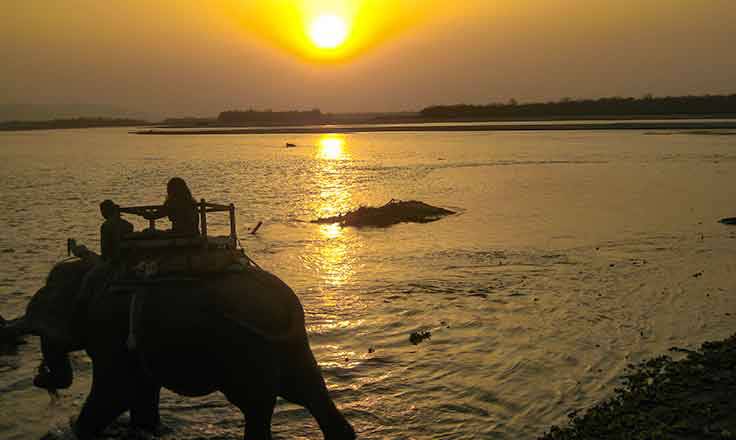
Mustang Valley, located north of the Annapurna Region and situated between Nepal and Tibet, is a remote, mysterious place with winding mountain roads. With its rocky tracks, high passes, and mountainous gorges, the road to Lower Mustang motorbike tour will provide you with the ride to remember for your lifetime. Outsiders were not allowed into the old kingdom until 1992, but now you can have a Mustang motorbike ride in Nepal that you will never regret. You will discover a hidden kingdom, breathtaking sunsets, jagged mountains, and a trip into the world’s deepest valley. We’ll ride magnificent elephants, tour an elephant breeding facility and learn about Nepali delicacies.
We will begin our 15-day motorcycle journey in Nepal on the route to Mustang in Kathmandu, which is located in the Himalayan foothills in the heart of a large valley. The first day of our tour will begin with a briefing, followed by a ride to the 2600 meters Kulekhani Pass to see one of Nepal’s many spectacular views. The next day, we will leave Kathmandu to reach our next destination Chitwan.
We’ll stop in Chitwan National Park to see some animals before continuing on to the lovely village of Bandipur and Pokhara, Nepal’s most beautiful city. From there, we’ll travel across the Himalayan mountains to the wild province of Mustang, which is the tour’s centerpiece. There will be challenges ahead! Our drive from Kathmandu to Mustang will take us via the world’s deepest gorge, Thak Khola Gorge, which connects the beautiful Annapurna (8091 meters) and Dhaulagiri (8167 meters) mountains.
We’ll descend through the jungle from Muktinath Vishnu temple to Begnas Lake, where we’ll relax at a resort in lakeside before returning to Pokhara and Kathmandu, where our trip concludes. This journey has it all, from rainforests to soaring Himalayan peaks, including a relaxing bath in hot springs after a day of riding through difficult rough terrain.
Lower Mustang tour is not like your normal Himalayan adventure, your riding skill and endurance will be thoroughly tested here. In this strange land, you will feel as if you are from another planet. There are different valleys to ride through, glacier lakes to see and the proximity to the Himalayan Mountains will amaze you. The mountain people’s kind souls and bright smiles will make it all worthwhile. Their friendly greetings will make you feel at ease, causing you to want to stay there for more. For any motorcycle enthusiast, the Mustang ride on the bike will be one of the best trips they’ve ever taken.
Mount Saipal is the second highest mountain in Nepal’s Sudurpashchim Province, rising beyond 7,031 meters above sea level. These majestic peaks have yet to be climbed because most of the northern part of the province is yet undiscovered. Mt. Saipal, which is part of the Gurans Himal range, one of the Himalayan sub-ranges, provides adventurers with plenty of thrills and wilderness. While the mountain is not particularly high in elevation, its challenging topography and challenging climbing route make it a difficult climb for even experienced mountaineers. The peak is located in Bajhang district, some 1,000 kilometers from Kathmandu and is where the Seti River originates.
When viewed from the east or north, Saipal is a magnificent peak. Simikot is the starting point for a trek to East Saipal and North Saipal Base Camp, which may be done separately or as part of the Limi Valley circuit. The path from Simikot to the East Base Camp takes a detour through steep-sided forested territory. Mt. Saipal Expedition is a once-in-a-lifetime opportunity to immerse yourself in less-known, distant, off-the-beaten-path, exotic terrain, which includes many of Western Nepal’s snowcapped summits. The Saipal region is a less busy and pristine destination. Our skilled climbing guide Sherpa has carefully planned the Saipal Himal adventure schedule to allow for a steady ascent and sufficient acclimatization for climbers.
In this excursion, we fly to Simikot from Nepalgunj, a western Nepalese hub city which will take around 55 minutes to reach there. We then travel through Thakuris and Bhotia villages (Dharapori, Kermi, and Yalbang), following the Humla Karnali river gorges and experiencing their way of life. The trail heads north from Yalbang to Chala and the Karan Khola valley, which is home to Northern Saipal Base Camp. This adventure journey passes via rugged cliffs, defended settlements and herders’ camps, jungles and provides a deep understanding of Himalayan wonderful sentiments. We will acclimate for a few days at Saipal Base Camp, practice expeditions, then summit Mt. Saipal. We will return to Base Camp after a successful summit ascent and resume back our trek to Simikot. The Saipal region is rich in cultural and natural features in addition to the peaks.
It can also provide an exciting excursion for individuals who enjoy hiking in the woods. While the lower part has challenging geography, making life tough for locals, the alpine area boasts wide grasslands. Yarsagumba, GuchheChyau, Jatamasi, Panchaunle, Padmachal and SetakChini are among the medicinal herbs found in these grasslands. Many people living below alpine areas relies on these medical herbs as a source of income. The entire area is covered in a carpet of numerous wild flowers in the spring, while the land is covered in a thick covering of snow in the winter. Several wildlife species, including Blue Sheep and the elusive Snow Leopard can be found in the area. The encounter with beautiful flora and fauna, walking through dense forest and untainted rivers and witnessing beautiful rituals and festivals of the local people, as well as their unique songs and music, will provide a “Once in a Lifetime Experience” for climbers from all over the world.
ITINEARY OVERVIEW
Day 1: Arrival in Kathmandu Day 2: Preparation Day Day 3: Sightseeing in Kathmandu Day 4: Flight from Kathmandu – Nepalgunj Day 5: Flight from Nepalgunj – Simikot Day 6: Trek from Simikot – Dharapori Day 7: Trek from Dharapori – Yalbang Day 8: Trek from Yalbang – Choila/Chala Day 9: Trek from Chala – North Base Camp via Karang Khola Day 10: Trek from North Base Camp – Saipal Base Camp Day 11 – Day 22 : Climbing period of Mt. Saipal Day 23: Trek from Saipal Base Camp – Labuk Depsa Day 24: Trek from Labuk Depsa – Yalbang Day 25: Trek from Yalbang – Kermi Day 26: Trek from Kermi – Simkot Day 27: Flight from Simikot – Kathmandu via Nepalgunj Day 28: Rest Day Day 29: Departure
Mount Kanjirowa Expedition (Unclimbed) is located at an elevation of 6612 m in the Dolpa area of Shey Phoksundo national park, with latitude 28°14’00” and longitude 82°52’35”. This Himal is also known in Dolpa by its local name, Gangchhen Ralwa Himal. Gangchhen means “Big Mountain,” and Ralwa means “Horse’s Mane,” according to the name’s meaning. It got its name because when you look at the mountain, you can see the horse’s neck and some straight lines on the mountain that seem like the horse’s mane.
Kanjirowa Himal is the second tallest peak in Dolpa and is located right on the Phoksundo Lake. However, the lack of accurate information about this peak has left climbers perplexed and has discouraged climbers from attempting the peak. According to a local source, the Japanese were the first to attempt to reach the peak of this Himal, however numerous foreign and national climbers followed suit subsequently. To date, no evidence of any climbers reaching the summit has been recorded.
The Firante Team’s Kanjirowa Expedition begins with flight from Kathmandu to Nepalgunj. Then it’s on to Juphal. After landing at Juphal’s airstrip, we will start our trek with Sherpa Guides in a remote area with stunning scenery, sub-tropical and low alpine woods. Similarly, until we reach the Base Camp, we will have the option to visit religious and culturally interesting villages. Several endangered kinds of wildlife are likely to be encountered throughout our expedition. Furthermore, we will be exposed to the genuine culture of kind, accepting and hospitable locals.
We will gradually ascend from Kanjirowa Base Camp by setting up a large number of high camps and taking plenty of time for safe acclimatization. At first, we will choose a non-technical trail that often takes us through snow-covered walls. As we approach the peak of Kanjirowa Peak, 6,883m, our ascent gets more technical and difficult. Following a successful summit ascent, we will securely return to base camp and then hike back to Juphal. Our Kanjirowa Expedition Nepal adventure comes to a close with a connecting flight from Juphal to Nepalgunj and then returning back to Kathmandu.
We provide a Kanjirowa Expedition Package that includes logistical support, transportation, lodging and a professional mountain guide – everything we need to climb Kanjirowa Peak at a fair price. Kanjirowa Expedition prices are competitive in the sense that we ensure you get the best of everything. In Nepal, we would like to explore the Himalayas and engage in professional peak climbing. All climbers who wish to reach the top of Kanjirowa in Nepal should contact Firante to realize their most cherished ambition. We feel we are capable of handling any difficulty flawlessly and effectively during our excursion in Nepal.
ITINERARY OVERVIEW
Day 1: Arrival in Kathmandu
Day 2: Fight from Kathmandu – Nepalgunj
Day 3: Flight from Nepalgunj – Jhuphal then trek to Tripurakot
Day 4: Trek from Tripurakot – Ghodakhor
Day 5: Trek from Ghodakhor – Hurikot
Day 6: Trek from Hurikot – Takpoche
Day 7: Trek from Takpoche – Gau Chaur
Day 8: Rest Day
Day 9: Trek from Gau Chaur – Thulo Palat
Day 10: Trek from Thulo Palat – Bahiri Pudwa Khola Camp
Day 11: Trek from Bahiri Pudwa Khola Camp – Bhitti Puduwa
Day 12: Trek from Bhitti Puduwa – Kanjirowa Base Camp
Day 13: Rest Day
Day 14: Base Camp – High Camp
Day 15: Acclimatization Day
Day 16: Trek to Camp I
Day 17: Summit Day
Day 18: Reserve Day
Day 19: Trek from Mt. Kanjirowa – Bahiri Puduwa
Day 20: Trek from Bahiri Puduwa – Tallo Jagdul
Day 21: Trek from Tallo Jagdul – Kaigaon
Day 22: Trek from Kaigaon – Tripurakot
Day 23: Trek from Tripurakot – Jhuphal
Day 24: Flu from Jhuphal – Kathmandu via Nepalgunj
Putha Hiunchuli is a beautiful peak in the wonderful and mysterious Dolpo region. This wornderful mountain stands in Nepal’s northwestern region. As part of the Dhaulagiri Himalayan Ranges, it is between the massifs of Dhaulagiri and Kanjiroba Himal. Dhaulagiri VI is another name for it. The Putha Hiunchuli is a unique and lonesome mountain which is rarely climbed.
In comparison to other technical mountain excursions, this peak has fewer technical obstacles. However, for the Putha Hiunchuli Expedition, good physical condition and previous peak climbing expertise are highly advised. In 1954, Jimmy Roberts and a British Expedition team became the first to reach the summit of Mt. Putha Hiunchuli. The Putha Hiunchuli Expedition is a fantastic opportunity for experienced climbers to explore the lesser-known Dolpo region while getting a once-in-a-lifetime experience of reaching the top of Mt. Putha Hiunchuli.
We’ll take a short flight to Nepalgunj, a southern town city in western Nepal, after a full day of touring in Kathmandu. We’ll take another spectacular flight from Nepalgunj to Jhuphal in the lower Dolpo. Then we will begin our trip by following the trail to Dunai, which takes us past cultural communities and highly forested areas. Lower Dolpo’s administrative and commerce centers are both located in Dunai. We continue on the path for a few days, passing through Tarakot, Musikhola, Kakot, and Phedi villages on our way to Putha Hiunchuli Base Camp.
Our Sherpa crew will inspect our climbing equipment and health status as soon as we arrive at base camp. Our experienced climbing professionals gave the directions and we started towards the summit of Mount Putha Hiunchuli, fully equipped and acclimatized. Our strenuous ascent to the summit is rewarded with beautiful views of the Dolpo region’s valleys and high peaks.
Roped-up glacier climbing including crevasse crossings is part of the Mt. Putha Hiunchuli Expedition. The snow slopes reach a maximum of 40 degrees. On the tougher areas of the climb, fixed ropes will be used, however most of the climbing will be done in roped teams. Despite the fact that our Sherpa team will set up camps on the mountain and transport food and fuel, we expect our team members to bring their own equipment. The climbing session will last two weeks, giving you plenty of time to acclimate and prepare for the peak. Above base camp, we plan to use three camps: Camp 1 at 5,400 meters, Camp 2 at 6,200 meters and Camp 3 at 6,600 meters.
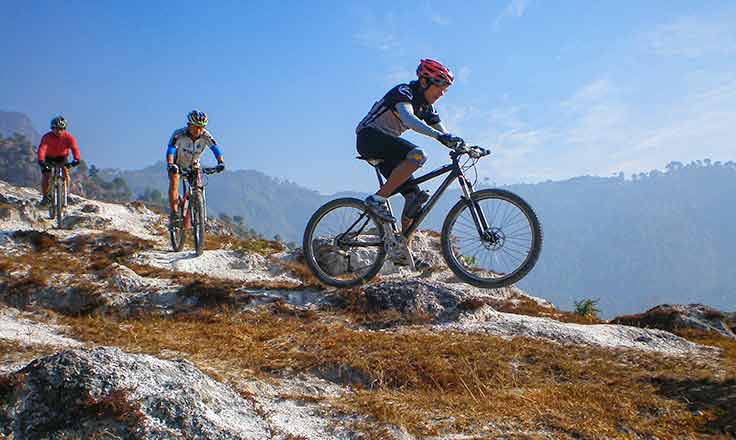
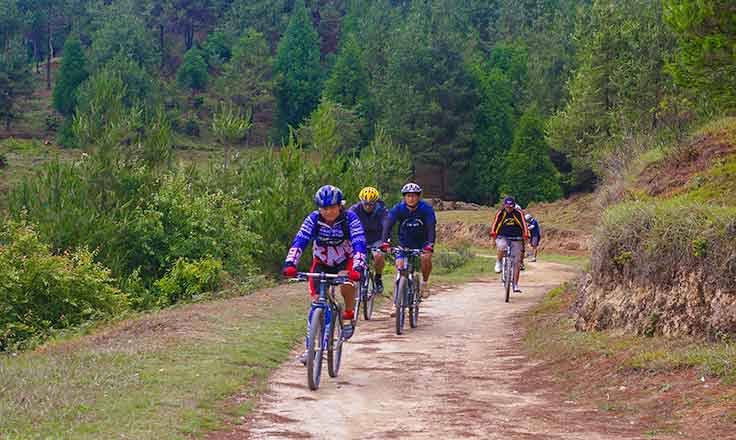
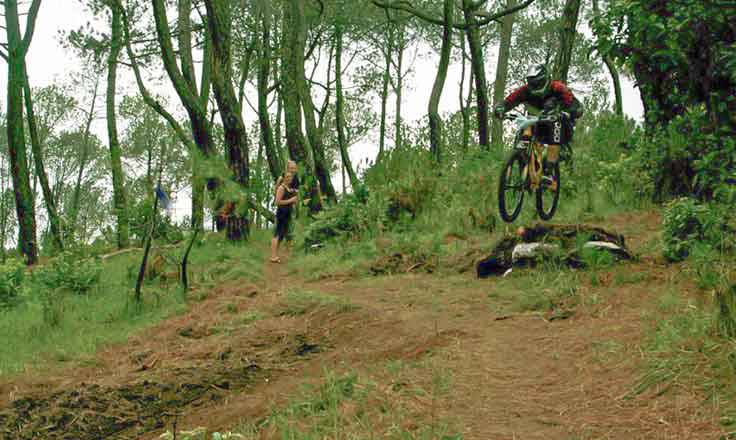
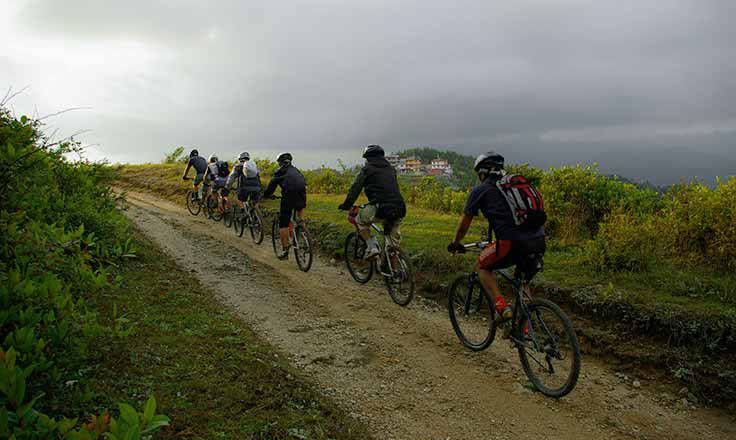
The best way to explore the magnificent peaks and mystical valleys of Bhutan is by mountain bikes. This way of traveling allows you to become more familiar with the variety in landscapes of this, until recent, undiscovered Kingdom. The relatively small distance covered in a day, allows you to store all the images and impressions, which will make this trip a memory for a life time. We start this tour flying from Kathmandu to Paro (Bhutan). Arriving at Paro airport, you will experience the flavor of Bhutan, the transparent purity of air and the absence of noise. This Himalayan Buddhist Kingdom and country of “The Thunder Dragon” has millions things to see and explore. We have found and developed “the best off road biking tour” there is to discover all the ins and outs of central and western Bhutan.
ITINERARY OVERVIEW
Day 01: Arrive Kathmandu Day 02: Kathmandu day trip Day 03: Fly to Paro Day 04: Bike to Wangdue Day 05: Wangdue to Punakha Day 06: Punakha to Phobjikha Day 07: Phobjikha – Phobjikha Day 08: Phobjikha to Bumthang Day 09: Bumthang – Bumthang Day 10: Bumthang to near Wangdue Day 11: Wangdue to Paro Day 12: Paro to Kathmandu. Day 13: Transfer out of Kathmandu to airport
The Details about this category ” 7 Days Bhutan of Adventure Tour fixed Departure ” is in under-writing. But this is the active package at all. You can contact us and ask about this package through booking or calls. Thank you for your patient.
The Details about this category ” 10 Days Central Bhutan Tour ” is in under-writing. But this is the active package at all. You can contact us and ask about this package through booking or calls. Thank you for your patient.
This is a trek for your life time; it is classed as the finest trek in Bhutan. This trek gives great opportunity to view great Himalayan summits like Mt. Jumolhari, Mt.Tsheringgang and more. The best time to trek is from April to June and September to November. Days are warm but become cold above Jangothang. Snows are near and road are muddy in the rain.
This is a short trek but you have to be fit enough to go ups and down as you have altitude rise and falls. This trek is usually possible from February to June and from September to December. Days are normally warm and nights are bit chilly.
This trek goes to the remote lunana district and considered as the most difficult trek in Bhutan. The attributes those make it a tough trek are; distances, altitudes, weathers and remoteness.
Season: The Snowman trek is frequently closed because of snow and is almost impossible during winter. The recommended season for this trek is mid June to mid October.
Getting to the surroundings of Mt Everest is a dream come true for anyone who enjoys a thrilling and challenging adventure. Thousands of tourists from all over the world visit Nepal each year to trek to Everest Base Camp. The Everest base camp from Tibet is another adventure to add to the list, a chance to experience nature at its most beautiful.
A view of the world’s most majestic peaks including Mt Kanchenjunga, Mt Everest, Mt Makalu, and many others is complimented with views of beautiful lakes and glaciers located just beneath Mt Everest’s huge north face. Aside from the primary attraction of Everest Base Camp, you can tour Lhasa, Gyantse, Shigatse, and Rongbuk, four of Tibet’s most beautiful cities and towns.
The Everest Base Camp Tour from Tibet is a nine day tour that starts from Kathmandu and concludes in Lhasa, including a visit to the Everest Base Camp. A flight from Kathmandu to Lhasa is the first step of the journey. Attractions to visit include the Jokhang Temple and Barkhor Street. In Tibet, some of the world’s largest Buddhist monasteries such as Sera, Drepung and Tashilungpo were established centuries ago and are still beautifully preserved. A trip to Lhasa would be incomplete without visiting the Potala Palace, the Dalai Lama’s former residence. The journey to Gyantse, which passes over Khamba La Pass and Yamdrok Lake on its way to the Gyantse Kumbum monastery, is also equally captivating. Shigatse is noted for its Tashilhumpo Monastery (3900m), from there we will travel to Shegar, Rongbuk and finally to Everest Base Camp.
The Tibet Everest Base Camp Tour showcases art, architecture and handicrafts at the city’s monasteries. It transports us back in time and allows us to experience the peace that Buddhist culture promotes. The Lhasa River, a tributary of the Yarlung Zangpo (Brahmaputra) River, also runs through the city’s southern section. This river, known to native Tibetans as the “merry blue waves,” flows for 315 kilometers through the Nyainqêntanglha Mountains’ snow-covered peaks and gorges before emptying into the Yarlung Zangpo River near Qüxü. This natural topography covers a large area with stunning scenery. The Tibet Everest Base Camp Tour takes you to these notable locations and allows you to experience them up close. You will be exposed to many local people and will get the opportunity to fully see Tibet’s gorgeous sights, historical and cultural locations.
Those who are keen to visit Everest Base Camp (North face) from Tibet side are welcome to join our fixed departure tour “Tibet Everest Base Camp Tour: 9 days” from Kathmandu. We make only two departures every month from Kathmandu and have given two options for the same tour, fly in to Lhasa then make overland journey to Kathmandu via Everest Base Camp or vice versa. Both options cost same and cover same places in Tibet. People can make their own choice and choose one of those options. The tour consists of a two days sightseeing tour in Lhasa. We operate this tour from April through October. From October onward through March the tour won’t be operating because the flight between Lhasa and Kathmandu will be withheld by then.
ITINERARY OVERVIEW
Day 1: Fly Kathmandu to Lhasa Day 2: Lhasa sightseeing tour Day 3: Lhasa sightseeing tour Day 4: Drive Lhasa to Shigatse Day 5: Drive, Gyantse to Xegar/Segar (Ne Tingri) Day 6: Shegar – Rongbuk – Ebc Day 7: Shegar – Kerung Day 8: Kerung – Kathmandu Day 9: Final Departure
The east of Tibet includes the regions of Kongpo and Kham. Geographically, politically and historically, these regions are a completely different world. This special biking route offers magnificent views of lush forested valleys, crystal-clear lakes, rivers and vast barren plateaus. The isolated valley, with its scattered tribal villages and remote monasteries, gives you an incredible and unique glimpse of this Eastern part of Tibet. Kham was the home of many holy men including the founders of the Drigungpa and Karmapa School. In 1070 many Buddhist faced persecution in central Tibet and fled to Kham. Here they set up influential monasteries. Later they returned to central Tibet and spearhead the so-called second diffusion of Buddhism in Tibet.
The Lhasa to Kathmandu ride could be classified as one of the most demanding rides` open to cyclists. You have to deal with high altitude, long distances, various kinds of weather, bad road conditions and change of life style. The Lhasa to Kathmandu ride could be one of the highest in the world. Proper acclimatisation is vital to anyone hoping to complete this expedition. For this purpose we spent four days acclimatizing, while sightseeing and enjoying the city and surroundings of Lhasa. We begin with a flight of one hour from Kathmandu to Gongar International Airport in Tibet and drive to Lhasa, the main capital and starting point of our expedition. We have to cross 6 high passes and descend from the Tibetan Plateau before reaching our final destination, Nepal. The majority of our time we will spend on the Tibetan Plateau at heights above 4000 metres. Exploring various side valleys such as the route to Everest Base Camp, will involve cycling on much rougher dirt & stony tracks. Daily distances will range from 50 up to 110 kilometres. This may not sound particularly great, especially not to road-orientated cyclists, but the high altitude, difficult terrain, head winds and tough ascents will make cycling in this region a challenge for everyone. During this ride we will definitely take enough time to embrace the magnificent sights and discover the people and their culture, which altogether make this tour an unforgettable experience.
ITINERARY OVERVIEW
Day 01: Arrival Kathmandu Day 02: Kathmandu final visa day. Day 03: Fly to Lhasa. Day 04: Lhasa Sightseeing Day 05: Lhasa Sightseeing Day 06: Lhasa free day or short bike ride. Day 07: Before Khamba La (Ganba). Day 08: Before Nagartze Day 09: Ralung Day 10: Gyantse Day 11: Shigatse Day 12: Before Tso La pass (Resa) Day 13: After Lhatse Day 14: Before Shegar Day 15: Tashi Dzong Day 16: Rongbuk Day 17: EBC and back to Rongbuk Day 18: Dingri Day 19: Sumo Day 20: Nyalam. Day 21: Nepal border. Day 22: Kathmandu Hotel Day 23: Transfer to airport and trip extension
This trip starts from Khasgar. A town in the autonomous province of Xingxang in the west of China. Bordering with Pakistan, Afghanistan and Turkistan it once was a major halt for Caravans on the Silk Road. Today it is a flourishing commercial centre with a population composed of Uighur, Tajik and Kirgiz nationalities. Here it are the Han Chinese that form the minority. At khasgar, we will meet with our additional supplies & support vehicles. From here we will bike the next 3 weeks through china and into tibet. Before ending our trip by driving towards Kodari, we will make the 3 days kora(circumbulation) around Kailash. This 3 days pilgrimage walk around this `only holy` mountain in the world, will defitinely be one of the highlights of this trip.
ITINERARY OVERVIEW
Day 01: Arrival to Khasgar, Hotel Day 02: Sightseeing Khasgar, Hotel Day 03: Khasgar, Relaxing/Sightseeing/Bike Assembling, Hotel Day 04: Bike day 01, Yangisar (asphalt); Bike tour-total: 1,650 km in 21 days./td> Day 05: Bike day 02, Shache (asphalt) Day 06: Bike day 03, Yecheng (sightseeing market), (asphalt) Day 07: Bike day 04, Kokyar (1/2 asphalt) Day 08: Bike day 05, Akmeqit Day 09: Bike day 06, Mazar Day 10: Bike day 07, extra day bike Day 11: Bike day 08, Xaidulla Day 12: Bike day 09, Kangxiwar Day 13: Bike day 10, Dahongliutan Day 14: Bike day 11, Quanshuigou Day 15: Bike day 12, extra day bike Day 16: Bike day 13, Tielongtan Day 17: Bike day 14, Wujiang Day 18: Bike day 15, Little Rotok Day 19: Bike day 16, Shiquanhe Day 20: Bike day 17, extra day bike Day 21: Bikeday 18, Garyursa Day 22: Bike day 19, Moincer Day 23: Bike day 20, Tirthapuri Day 24: Bike day 21, Manasarovar Day 25: Rest day Manasarovar Day 26: ½ Rest day, Transfer Manasarovar – Darchen (Jeep, 1 hour) Day 27: Kora Mt. Kailash, Day 1 Dira Puk Day 28: Kora Mt. Kailash, Day 2 Zutul Puk Day 29: Kora Mt. Kailash, Day 3, drive to Hur Qu Day 30: Jeep transfer to Paryang Day 31: Jeep transfer to Saga Day 32: Jeep transfer to Nyalam Day 33: Jeep Transfer to Kathmandu Day 34: Departure
Mountain journey to Heaven is truly into Lake Manasarovar and Mt. Kailash which is an axis for all religions. In May 1993 the governments of Nepal and China agreed to open the border between their countries. From that time on, travelers are able to make tours to Mt. Kailash & Lake Manasarovar through Humla, Nepal’s most remote district in the Northwest of the country. This route is the shortest and most practical for trekkers in terms of elevation and distance. Besides that, it treats its visitors with astounding views and great richness in culture and history. The tour to Mt. Kailash starts from Simikot, situated at an elevation of 2910 meters, and climbs up to Nara-Lagna pass (4530 meters) before reaching the arid Tibetan Plateau. From Simikot it takes a 6-day’s journey to reach the Tibetan border town. This gives you plenty of time to acclimatize to higher altitudes. We will meet with our bikes and additional supplies & support vehicles in Shera, a small town at the Tibetan border. From here we will drive to Darchen. After 3 days kora we start our bike tour traversing to the east, along the Semo Tsangpo River towards Lhasa, until Saga. Leaving Saga we head south, crossing the two major Himalayan passes (Lalung La and Yarle Shung La) before commencing a big long downhill into Nepal. On our decent we will see green forests, a wild Bhote Kosi and plenty of smiles from the friendly Nepalese people.n Biking Mt. Kailash to Kathmandu.
ITINERARY OVERVIEW
Day 01: Arrival Kathmandu – transfer hotel – tour briefing Day 02: At leisure in Kathmandu Day 03: Transfer airport – Fly Nepalgunj – transfer hotel Day 04: Transfer airport – fly Simikot, Nepal Trust Guest House Day 05: Trek Simikot to Dharapori (2300m) Day 06: Trek Dharapori to Salli Khola (2700m) Day 07: Trek Salli Khola to Muchu (2920m) Day 08: Rest day with exploring the village Day 09: Trek Muchu to Sipsip (4330m) Day 10: Trek Sipsip to Hilsa Cross the border and drive to Purang (3930m) Day 11: Drive Purang to Lake Manasarovar (Chiu Gomba- 4550m) Day 12: Explore and rest day. Day 13: Drive to Darchen (4520m) Day 14: Trek to Dera Phuk (4860m) – trekking around Mt. Kailash Day 15: Trek Dera Phuk to Zutul Phuk (4760m) – trekking Mt. Kailash Day 16: End trek and drive to Hor Que (east bank of Lake Manasarovar)- Finish Trekking around Mt. Kailash Day 17: Bike to White tent restaurant after the Mayum La pass (4800m) Day 18: Bike to mid way to Paryang (4630m) Day 19: Bike to after Paryang crossing a pass (4650m) Day 20: Bike to after Donba before a pass (4700m) Day 21: Bike to Niugu valley (4600m) Day 22: Bike to after Saga (4530m) Day 23: Bike to Piegu Tso Day 24: Bike to Shisapangma Base Camp Day 25: Bike to before Lalung La pass Day 26: Bike to Nyalam Day 27: Bike to Nepal/Tibet border Day 28: Bike to Kathmandu. Day 29: Transfer airport
The major section of the Tibet-Sichuan highway links Lhasa to Ningchi. Ningchi is a main town in Kongpo, a large district in southwest Tibet. In this eastern extremity of the Himalayas, the mighty Tsangpo makes an unexpected turn into itself. The uncommon congruence of high mountains and Tibet’s most powerful water course creates one of the deepest gorges in the world. It is a superb area for pilgrims and plant-hunters.
ITINERARY OVERVIEW
Day 1 : Fly to Lhasa and Transfer to hotel – afternoon free Day 2 : Sightseeing tour in Lhasa. In the morning, we visit Potala Palace and we visit Jorkhang Temple & Barkhor street, Norbulinka in the afternoon. Day 3 : Drive Lhasa to Ningchi via Medro Gongkar, Kongpo Giamda & Mila Snow Mountain, view Nyiyang River en route (470 km). O/N in Ningchi Day 4 : Sightseeing tour in Ningchi on AM, we vitis visit Kushuk Demdrug-the sacred tree of Bon, a magnificent specimen (considered a juniper by Tibetans) perhaps 2,000-2,500 years old, locals believe it to be the Original Tree, as old as the universe. Then drive to Sekyimla Pass, view the great Mt. Namche Barwa (7,700m) from long distance. Afternoon reach Lulang Forest-Tibet’s Shangri-La, taste the famous Lulang Hot pot. Back to Ningchi. O/N hotel Day 5 : Drive back to Lhasa, if road and time permits, visit Basum Tso (famous with its colorful water- so called Tibet’s small Switzerland!). O/N Hotel Tourist standard hotel in Lhasa Day 6 : Morning transfer to airport and fly back to your onward destination
The tour starts with a flight to Lhasa from Chengdu and can be started from Beijing or Shanghai. This is the shortest tour we operate into Everest Base Camp. It is designed for travelers with little time, but enough to have an impressive and memorable visit to Everest Base Camp. We have two options for this tour; fly into Lhasa and make an overland journey to Kathmandu via Everest Base Camp or vice versa. The tour consists of two days sightseeing in Lhasa. It runs from April to October. After this period, until March, there are no flights available between Lhasa and Kathmandu.
ITINERARY OVERVIEW
Day 1: Fly Chengdu to Lhasa Day 2: Lhasa sightseeing tour Day 3: Lhasa sightseeing tour Day 4: Drive Lhasa to Gyantse Day 5: Drive, Gyantse to Shigatse Day 6: Shigatse to Xegar (New Tingri) Day 7: Xegar – Everest Base Camp Day 8: Everest Base Camp to Nyalam Day 9: Nyalam – Zhang-Mu – Kathmandu
This tour is classed as the shortest tour we operate in Tibet. It starts with a flight to Lhasa from Chengdu and can be started from Beijing or Shanghai. The tour is designed for travelers with little time, but enough to experience the mystic- and beautiful atmosphere of this Buddhist city and former residence of the Dalai Lama.
ITINERARY OVERVIEW
Day 1: Flight, Chengdu to Lhasa – transfer to hotel. Afternoon free Day 2: Sightseeing tour in Lhasa Day 3: Drive to Yangpacheng Hot Spring (92 km north of Lhasa). En route, we can see the magnificient views of Qiangtang Grassland and Nyancheng Tanggula Snow Mt. Range. O/N hotel Day 4: Early morning, transfer to Gonggar airport for your flight to owanward destination
Mt. Kailash and Lake Mansarovar are two of the most important pilgrimage sites in the world for Hindus, Buddhists, Jains and Bon followers. An 11 Day Trip to Mt. Kailash through Simikot-Hilsa is the shortest, most balanced itinerary of all the routes to Mt. Kailash. The Adventure begins with a Blessing from Pashupatinath Temple in Kathmandu prior to flying to Nepalganj, then Simikot; pilgrims enter Tibet through Hilsa, travel onwards to Purang, then finally arrive at the Holy Lake Mansarovar. The highlight of the trip occurs during the 3-day journey around Mt. Kailash in which pilgrims go over the Dolma La Pass (5630m), which signifies to return to a real spiritually add free area and to be completely purified through it. If you are a pilgrim looking for a peaceful, less populated way and a much more enriching journey to Mt. Kailash, this itinerary will be your perfect route.
This epic adventure blends the best of Tibet’s three regions into one adventurous and spiritual journey is an awsome trekking pacakge from Firante Tours and Expedition.
The tour’s highlight is Everest Base Camp, where you can see truly breathtaking views of the world’s tallest mountain. On the other hand, Mount Kailash, with its staggering height of 6,638 meters, is more than just a mountain. It’s a spiritual adventure that will forever change your life. Panorama mountain views, gorgeous drives, old monasteries, colorful lakes, magnificent palaces and active Tibetan culture are all included in this tour. The mountainous Tibetan landscape, which is studded with characteristic nomadic tents and yak herds will take your breath away.
The Lhasa Everest Base Camp Kailash Tour begins in Kathmandu then to Lhasa which includes visits to architectural masterpieces of Lhasa such as the Potala Palace and Norbulinka Palace, which were both past residences of the Dalai Lama, as well as tours of prominent monasteries and the bustling Barkhor Bazaar. We will continue our journey across the parched Tibetan plateau to Shigatse, Sakya, and Rongbuk, where we visit the intriguing monasteries and fortresses of the towns. Rongbuk Monastery is the world’s highest monastery, located at the base of Mount Everest. The route travels from Lhasa to Everest Base Camp and then to Mount Kailash, passing through Tibet’s capital city of Lhasa and its numerous historic monasteries and temples, as well as the picturesque alpine lake of Yamdrok Tso and Tibet’s most famous glacier, the Karo La Glacier. Tashi Lhumpo Monastery, one of Tibet’s largest monasteries, is located in Shigatse, Tibet’s second largest city.
The Lhasa EBC Kailash Tour also includes a visit to Mt. Everest’s base camp, the world’s highest peak. We’ll then go to Manasarovar, Asia’s holiest lake, and Mount Kailash, Asia’s holiest mountain. You’ll spend three days trekking around Mt. Kailash, a Hindu and Buddhist pilgrimage site. The Kailash trip draws Buddhist pilgrims from all around Tibet and offers stunning Himalayan views. Following the Mt Kailash Manasarovar Tour, you will travel to Lhasa for one last night before boarding your aircraft back to Nepal.
Hinduism, Buddhism, Bon – Tibet’s traditional religion – and Jainism all regard Mount Kailash as the world’s center. Mount Kailash has symmetrical sides and is formed like a pyramid. This holy Kailash Manasarovar Tour between Lhasa and Kathmandu through Everest Base Camp is the center of worship for four sects of religions, including Buddhism, Hinduism, Jainism, and Bon and is also the Mount Olympus in the east, a fascinating destination for tens of millions of people.
The Mount Kailash Saga Dawa Festival Trek via Simikot 2026 is a rare spiritual journey that combines one of the holiest Buddhist festivals with the most authentic and scenic route to Mount Kailash. Taking place during the sacred Saga Dawa Festival—the month that marks Lord Buddha’s birth, enlightenment, and parinirvana—this pilgrimage holds exceptional religious importance, especially in the Horse Year 2026, believed to multiply spiritual merit many times over.
This journey follows the Kailash Mansarovar Yatra via Simikot, Nepal’s most remote and culturally rich gateway to Tibet. Opened after the Nepal–China border agreement in 1993, the Simikot–Humla route is considered the shortest and most gradual approach to Mount Kailash, making it ideal for proper acclimatization and a deeper spiritual experience. Unlike busier routes, this path allows pilgrims to walk ancient trade trails, cross high Himalayan passes, and slowly transition into the vast Tibetan Plateau.
The trek begins in Simikot (2,910m), reached by flights via Nepalgunj, and continues on foot and by drive through the upper Humla region toward the Nepal–Tibet border at Hilsa. Along the way, travelers cross the Nara La Pass (4,530m) and experience dramatic landscapes shaped by time, faith, and nature. The slower pace of this route is especially valued during Saga Dawa Festival at Mount Kailash, allowing pilgrims to arrive physically prepared and mentally grounded.
Upon entering Tibet, the journey continues to Lake Mansarovar and Mount Kailash, where pilgrims witness grand Saga Dawa celebrations—prayer flags raised, monasteries alive with chanting, and thousands of devotees performing sacred rituals. For many, performing the Kailash Kora during Saga Dawa is a once-in-a-lifetime spiritual calling.
This Kailash Yatra 2026 via Simikot is ideal for pilgrims seeking authenticity, spiritual depth, and a less commercialized route—whether traveling traditionally on foot or opting for support options such as horse or helicopter assistance from Simikot where available.
If you’re dreaming of a once-in-a-lifetime spiritual journey to Mount Kailash, 2026 is the year to make it happen. This is the Tibetan Year of the Horse—a cycle that comes around every 12 years, and believers say the merits from walking the kora multiply in ways that feel almost magical. Add the Saga Dawa Festival peaking on May 31, 2026 (the full moon day celebrating Buddha’s birth, enlightenment, and Parinirvana), and you’ve got one of the most powerful times to be there. Pilgrims from everywhere gather at Tarboche for prayers, flag-raising, and that electric energy you only feel in sacred places like this. Our 14-day Mount Kailash Saga Dawa Festival Tour via Zhangmu starts right here in Kathmandu—easy for anyone flying in. We take the classic overland route across the Kodari-Zhangmu border (also called the Friendship Bridge), climbing steadily through lush Nepali valleys into the wide-open Tibetan plateau. It’s a scenic drive with dramatic changes: green hills one day, high desert the next. We build in extra time at Nyalam for proper acclimatization so the altitude doesn’t catch you off guard—trust me, that’s key at 3800m+. Along the way, you’ll reach the holy Lake Manasarovar for quiet rituals and maybe a dip if the weather cooperates, then head to Darchen for the three-day Kailash kora—that unforgettable 52km loop with the north face views at Dirapuk and the tough but rewarding climb over Dolma La Pass (5630m). We handle everything: Tibet group visa and permits, comfortable 4WD Land Cruiser rides, simple guesthouses, vegetarian meals, English-speaking guides, and porters/yaks for the trek days. This isn’t just a tour—it’s a pilgrimage that leaves most people changed. We’ve run this route for years from our base in Kathmandu, and every group comes back talking about the silence on the plateau, the festival vibes, and that sense of completion after finishing the kora. Fixed departures timed for late May 2026—small groups, personalized feel. Ready to join? Drop us a message, and let’s get you sorted.
I’ve done this ride a few times now, and every single trip feels different—like the mountain itself decides what you’ll take home. Our Mount Kailash motorbike tour starts and ends in Kathmandu, but the real story begins the moment you cross into Tibet at Kerung. Over about 1,600 kilometres of riding—some days smooth, some days rough as hell—you’re heading straight to the heart of something ancient: Mount Kailash and the still, shining waters of Lake Manasarovar.
People have been coming here for centuries. Hindus see Kailash as Lord Shiva’s home; Buddhists, Jains, and Bon followers call it the center of the universe. Yet hardly anyone actually makes it. It’s just too far out there in western Tibet. That’s what makes this Kailash yatra by motorbike so special—you’re not just ticking off a destination. You’re earning it, one twist of the throttle at a time.
You’ll be on a Royal Enfield, the bike that was practically born for these roads. The route throws everything at you: tight Himalayan switchbacks, wide-open plateaus where the sky feels bigger than the land, stretches of desert that look almost lunar. One minute you’re waving at kids in Nepali villages, the next you’re sipping salt-butter tea with Tibetan nomads who smile like they’ve been waiting for you all day. Prayer flags snap overhead, yaks wander across the track, and every pass you crest gives you another jaw-dropping view of snow peaks and that impossible turquoise lake.
When you finally roll into Darchen, the bikes stay parked. That’s when the real pilgrimage starts—the three-day Kailash Kora on foot. It’s tough, no question. The Dolma La Pass at 5,630 metres will test you, but reaching the top and looking down at Gauri Kund… something shifts inside. Most people I’ve travelled with say the same: those three days walking around the mountain change you in ways you can’t quite explain until you’re back home telling the story.
We take care of every detail so you don’t have to think about paperwork or permits. Tibet visa, bike permits, border formalities—all sorted. You’ll have an English-speaking Tibetan guide who knows these roads like family, good accommodations, and proper acclimatisation stops (two nights in Kerung make a huge difference). Whether you’re joining from Delhi, elsewhere in India, or flying into Kathmandu, we make the logistics disappear.
The trek from Kharta valley to Kangshung, the eastern face of the Everest, is one of the most magnificent in the world. The entire region from the Kharta to the Kama Valley, extending to the Arun Valley in Nepal, is part of the blessed land of Guru Rinpoche, also known as “Belyul Khebalung” or the Hidden Valley. The region is famous for its untouched wilderness, beautiful lakes and superb views. Here you can admire the views of Mt. Makalu (8463m) and Mt. Karma Changri (6289m), along with the enormous Khangsung glacier hanging from the East face of the Mt. Everest.
We start this trek from the Kharta valley, which is situated 140 kilometer south-east from Xegar. From here we trek ahead to the Khangsung face via the Kamma valley. The Kamma valley offers spectacular views of the rocky giants such as Makalu, Chomo, Lhotse and Mt. Everest itself. The trek is approaching the highest trekking territory on earth, with passes getting up to 6000 meters.
We can start this trek driving from Zhang-mu or flight to Lhasa from Kathmandu or from mainland China. The best time for trekking to the Kharta valley and khangsung face is between May and September.
ITINERARY OVERVIEW
Day 01: Transfer airport – fly Lhasa – transfer hotel Day 02: Lhasa sightseeing Day 03: Lhasa sightseeing Day 04: Drive, Lhasa / Gyantse Day 05: Gyantse / Shigatse Day 06: Shigatse / Xegar Day 07: Xegar / Kharta. Overnight camp Day 08: Trek to Yueba Day 09: Yueba / Base of Langma-La Day 10: Langma La / Cave Day 11: Cave / Pethang Day 12: Pethang / Pethang Ringmo Day 13: Pethang Ringmo / Sharlung Day 14: Sharlung / Sharo Day 15: Sharo / Yueba Day 16: Yueba / Kharta Day 17: Drive / Xegar Day 18: Xegar / Nyalam Day 19: Nyalam/Zhangmu/Kathmandu – transfer hotel
Lapchi lies to the southwest of Tingri and east of Nyalam. Milarepa, the famous Tibetan saint, poet & singer from the 12 th century, lived and died in this region. This made this region one of the most sacred destinations in the Tibetan Himalayas. People usually know about Milarepa’s Cave near Nyalam, but there are various other cave hermitages in Lapchi.
We start our trekking from Pelgyeling, a village near Nyalam, which is situated on the friendship highway. From Pelgyeling, we trek to Tashigang (the cave of Sang Phuk) and Jamgang La, eventually reaching Lapchi. In Lapchi we take an extra day to explore the region before returning to Nyalam via the same route.
ITINERARY OVERVIEW
Day 01: Flight Kathmandu to Gonggar airport – meet at the airport and transfer to Lhasa – Evening, free. Day 02: Sightseeing in Lhasa: We visit Potala Palace, Jorkhang Temple & Barkhor street Day 03: Sightseeing in Lhasa: We visit Drepung Monastery, Sera Monastery and Norbulinka Palace. Day 04: A full day sightseeing trip to Ganden Monastery. Evening come back to Lhasa Day 05: Drive to Tsurpu Monastery, o/n guest house in Yangpacheng or Tsurpu Day 06: Tsurpu Monastery Day 07: Drive back to Lhasa. Free in the afternoon Day 08: Drive Lhasa/Gyantse via Yamdrok Lake, o/n in Gyantse Day 09: Visit Pelku Chode and Kumbum, drive to Shigatse, o/n in Shigatse Day 10: Visit Tashilunbo Monastery, drive to Tingri, o/n in Tingri Day 11: Drive to Nyalam, free. Day 12-14: Commence trekking from Nyalam-Tashigang-Jamgangla-Lapchi, visit Milarepa’s Caves. En route, we will camp. Day 15: Back to Nyalam Day 16: Drive to Zhangmu, cross border then drive back to Kathmandu.
Annapurna Base Camp is a natural ringed by Annapurna South and Annapurna I, Varahashikhar, Gangapurna and the holy mountain Macchapucchre (Fish Tail). The first few days are spent traveling through quaint Gurung villages and lush forests before reaching more barren and rugged terrain.
The trail to Annapurna Base Camp threads up the valley into the sanctuary where it gradually gives way to a gray screen and scrub before reaching snow fields, there are no villages to speak of for five days. Annapurna Base Camp trek is a wonderful trek with some tremendous views, from base camp a labyrinth of mountains tower almost vertically above with Annapurna I in dominance.
An hour or two is spent here taking in the high mountains before commencing the return journey. Five further days are taken returning to Pokhara. Annapurna Base Camp trek is a good introduction to higher altitude without being too strenuous.
The Annapurna Region is the most popular and highly diverse trekking region in Nepal. Annapurna circuit trek route takes you around the whole Annapurna massifs along with crossing the highest pass at Thorung La (5,416 m), strolling through the Kaligandaki gorge, deepest gorge of the world, witness the sunrise from Poonhill over the Himalayas, and a major pilgrimage site Muktinath temple.
The trek is not too demanding, suitable for everyone, and is fun that stretches to the historic Mustang district. Rather than the other remote trekking area of Nepal, you can spend nights in convenient lodges where food is good and fresh here.
We get the chance to learn about the Tibetan way of life, which is prevalent in the Mustang valleys. We also have a modest chance of witnessing a snow leopard as well as blue sheep in Yak Kharka.
Due to the construction of roads, the western part of the trek route is accessible to vehicles. Over the years, it has changed the typical nature of this trek. It is still a beautiful trek which can be accomplished in a distinct way. It can be a customised short 9-day trek to a maximum of a month-long journey.
After a picturesque drive from Kathmandu, the trek to Annapurna Circuit begins in Bhulbhule and follows the Marsyangdi River valley to Jagat, Dharapani, Chame, and Pisang.
We walk to Manang, where we will rest and acclimate before climbing the Thorung La pass. We proceed on the trail from Manang to Yak Kharka. We climb up to Thorong Phedi the next day. Also, between Thorong Phedi and Thorong La Pass (5,416 m/17,769 ft). We descend to Muktinath after traveling across the Thorong La pass, which is a sacred Hindu and Buddhist pilgrimage site.
We then drive from Muktinath to Tatopani and spend the night there. The next day, we drive to Ghorepani, Poon Hill and Berithanti before returning to Kathmandu via Pokhara.
This Annapurna circuit trip is for trekkers who want to go on a more challenging tour in Nepal’s Himalayas and see the Annapurna circuit’s diverse scenery, topography, and climate zones. The ideal seasons to trek the Annapurna Circuit are in the spring and fall season. It’s only in the winter that there are problems, as the Thorung La pass is frequently closed due to heavy snowfall.
Teahouses are provided throughout the Annapurna Circuit, as like other Nepalese treks and all meals, snacks, and water can easily be purchased along the way.
A short trek starting from near Pokhara named after Prince Charles of England after he chose this for his trekking destination. This trek offers excellent mountain views of Annapurna and Dhaulagiri range. This trek is less traffic and is a lovely walk. This trek ends at Begnas Lake and transport awaits to transfer you to hotel. With this trek you have added option of wild life safari in Chitwan National park.
Poon hill, a hilltop situated at an altitude of 3192 meters is perhaps the highlight of this journey provides some some excellent views of both the Annapurna to the east as well as the Dhaulagirito the west. The experience of sunrise views one can get from Poon Hill has become very famous among trekkers.
Mainly traveling through a Gurung culture practicing villages, some of these old villages on route has lush forests of bamboo, oak and rhododendron particularly very apparent in the spring.
This trek is the most popular short trek in Nepal. It provides stunning scenery and opportunities to get closer to the ways of mountain life. The lodges on the way are with good facilities, hot showers and good food.
Tsum Valley, located in northern Gorkha, is a sacred Himalayan pilgrimage valley. Ancient art, culture, and religion abound. The locals are Tibetans who speak a dialect of their own. The untouched beauty of one of the most isolated Himalayan valleys adds to the enjoyment and pleasure of the trek. The landscapes and mountains such as Ganesh Himal, Shringi Himal, and Boudha Himal are all visible from the valley. Because access was prohibited until 2008, the Tsum valley does not have the same level of publicity as other trekking sites. Many holy monasteries, such as Rachen Gompa and Mu Gompa, are located in the valley since it is rich in Buddhist culture. Not only is the culture wonderful, but the biodiversity is as well, with numerous woods, rivers, caverns, and other natural wonders.
The trek begins with a picturesque drive to Arughat, which is followed by a trip to Soti Khola. We’ll ascend the Budhi Gandaki valley upstream, passing through a variety of green terrains and numerous communities. We’ll pass through rhododendron and pine forests on our journey. We will continue our trip from Jagat to Lokpa, where the trail will take us to Tsum valley, which is home to Tibetans. Many prayer flags and mani walls will be visible along the road, indicating Buddhist culture. Along the way, we’ll see glacial rivers, stunning waterfalls and the natural splendor of the valley. On the route, we’ll stop by the Piren Phu cave, which is one of the valley’s most revered caverns. We may spot native wildlife along the journey, such as Himalayan Thar or blue sheep.
We will stop at monasteries along the trip, such as the Mu Gompa and the Rachen Gompa. We will arrive in Gumba Lungdang after over multiple suspension bridges, where we will spend the night before trekking to the Ganesh Himal base camp. This thrilling journey to the camp is truly worthwhile. Then it’s back on the trail to Lokpa and then down to Jagat. The next day, we will drive back to Kathmandu through Arughat Bazaar after passing over several bridges and villages. The Tsum Valley Trip is an adventure journey that takes you off the main path to learn about Tibetan culture, see natural beauty and have a nice trek.
Tsum Valley provides trekkers who are captivated by Tibetan culture as well as mountains. It provides the chance to see Tibetan Buddhist people in their villages, monks and nuns in their various religious orders, and stunning Himalayan views in an almost pilgrimage-like trek into this hidden valley.
Our Heli biking starts with an exciting chopper ride across the Mt. Annapurna and Dhaulagiri from Pokhara. We begin our ride from Muktinath located at 3700m and slowly make huge descents towrads world’s deepest gorge Kali Gandaki River Valley. The following few days are spent biking back along Kali Gandaki gorge via many exciting lower Mustang and Thakali villages. On from Marpha the scenery changes into more alpine and into Tatopani where you can relax in the hot spring pool and bike towards Pokhara.
This tour runs around Kathmandu Valley visiting all the high points, you’ll have 360 degree views from hilltops that capture the greatest Himalayan peaks, you bike through pine forests and enjoy the Himalayan fresh air. To relieve your rear end, a 2-day (or more) option of Canyoning or bungy jumping or rafting is available to complete your adrenaline experience of Nepal and you can bike till the Tibetan border and view the town on the other side of border.
ITINERARY OVERVIEW
Day 01: Arrive Kathmandu Day 02: Bike day tour in Kathmandu Day 03: Kathmandu to Mulkharka Day 04: Mulkharka to Chisapani Day 05: Chisapani to Nagarkot Day 06: Day tour in Nagarkot Day 07: Nagarkot to Barabise Day 08: Barabise to Border Day 09: Rafting or Canyoning or Bunging jumping Day 10: Rafting or Canyoning or Bunging jumping Day 11: Bike border to Dhulikhel Day 12: Bike Dhulikhel to Kathmandu Day 13: Transfer out of Kathmandu to airport
A special tour to give you a complete experience of Nepal’s diverse landscape and culture as you ride from the foothills of the Himalayas to the lush Terai plains, home of different wild animals and birds, Royal Chitwan National Park. You’ll spend two nights and three days at Chitwan viewing wildlife and visit local Tharu Villages. A combination tour biking and Chitwan Safari, we start this tour from Kathmandu biking to Daman (2450m), a perfect hilltop. You’ll have 180 degree perfect views of Himalayas all the way to Tibet. Second day you visit a nearby Bhutanese monastery, a flavour of Bhutan then the rewards for your climb is a 2250-m (7380ft) descent to the tropical, lowland plains of Hetauda and then next day half day biking to Chitwan for further safari programme.
ITINERARY OVERVIEW
Day 1: Arrive Kathmandu Day 2: Kathmandu to Daman Day 3: Daman to Hetauda Day 4: Bike Hetauda to Chitwan and half day sightseeing Day 5: Chitwan Jungle safari Day 6: Chitwan morning programme and depart for Kathmandu. Day 7: Depart for onward destination.
This tour runs around Kathmandu Valley visiting all the high points, you’ll have 360 degree views from hilltops that capture the greatest Himalayan peaks, you bike through pine forests and enjoy the Himalayan fresh air. To relieve your rear end, a 2-day (or more) option of Canyoning or bungy jumping or rafting is available to complete your adrenaline experience of Nepal and you can bike till the Tibetan border and view the town on the other side of border.
A tour to friendship bridge, a bridge between Nepal and Tibet. We start this tour with a climb to Nagarkot hilltop, that capture the 360 degrees views of the majestic Himalayan peaks. And then head to the Tibetan border via off road and sealed road with panoramic views of Himalayas and Tibetan landscapes. This Tour has always option of doing two extra days of rafting or canyoning or bungy jumping to complete your adrenaline experience of Nepal.
ITINERARY OVERVIEW
Day 1: Arrive Kathmandu Day 2: Kathmandu to Nagarkot Day 3: Nagarkot to Border Day 4: Border to Dhulikhel Day 5: Dhulikhel to Kathmandu Day 6: Departure for onward destination
Are you thinking about one-day tour? You have numerous options to go wherever you prefer. This tour is basically a cross-country type with mixed single and jeep trials biking with your professional guide the whole day, through terrace lands and interesting Nepalese villages.
A one-day Downhill tour with 700 meter decent, so forget the up hills! We will drive you to a Hilltop Nagarkot (2100m) for breakfast. Starting for an early breakfast with views; 8 of the world’s 10 highest peaks right from the breakfast table. A clear day will give you views from Everest in the east to Dhaulagiri in the west. You’ll bike on winding sealed downhill roads with off road option through terraced hills, fields, villages and to 16th Century Kingdom of Bhaktapur for lunch. You will have sightseeing in Bhaktapur before being returned to Kathmandu.
This Tour runs around Kathmandu Valley visiting all the high points, you’ll have 360 degree views from hilltops that capture the greatest Himalayan peaks, you bike through pine forests and enjoy the Himalayan fresh air. You can have an option, a 2-day of Canyoning or bungy jumping or rafting at the end of your bike trip.
ITINERARY OVERVIEW
Day 1: Arrive Kathmandu Day 2: Kathmandu to Mulkharka Day 3: Mulkharka to Chisapani Day 4: Chisapani to Nagarkot Day 5: Day tour in Nagarkot Day 6: Nagarkot to Dhulikhel Day 7: Dhulikhel to Namobuddha Loop Day 8: Dhulikhel to Kathmandu Day 9: Departure for onward destination.
This unique bike tour is a perfect blend of the remote western pockets of Nepal, with stunning rural trails of the Annapurna region. It combines mountain biking in Annapurna circuit, through the foothills of the Annapurna Himalayas, with explorations of the Kali Gandaki valley and more. From Kathmandu, our bus takes you to Besisahar, the starting point for Annapurna circuit trek. We then start our trip to Himalayas making up to 5416m Thorang La pass, the highest pass of the tour and down to Jomsom with thrilling decent of 2700m. We have massif view of Annapurna, Gangapurna, Nilgiri and many more. Throughout the tour, friendly people with broad smiles will cheer up your journey. But the tour is for the professional bikers with a strong will power. In other hand you can also call it trekking and biking combination tour if you don’t like to push yourself. The views will make you forget all your tiredness and difficulties.
ITINERARY OVERVIEW
Day 1: Drive kathmandu to besisahar, (850m) Day 2: Besisahar to Bahundanda, (1400m) Day 3: Bahundanda to Tal, (1710m) Day 4: Tal to Chame, (2720m) Day 5: Chame to Pisang, (3210m) Day 6: Pisang to Manang, (3400m) Day 7: Manang rest day Day 8: Manang to Yak Kharka, (4000m) Day 9: Yak Kharka to Phedi, (4420m) Day 10: Phedi to Thorang pass and to Muktinath, (3700m) Day 11: Muktinath to Jomsom, (2720m) Day 12: Jomsom to Kalopani Day 13: Kalopani to Tatopani, (1190m) Day 14: Tatopani to Beni Day 15: Beni to Pokhara, (835m) Day 16: Pokhara to Kathmandu
Annapurna Jomsom biking, starts with a 35-minute early morning flight to Jomsom from Pokhara, the important business center in lower Mustang. And next day we head north to an ancient fortress settlement on the boarder of Upper Mustang called Kagbeni. The following day is an interesting ascends through arid country up to the temple of Muktinath. The terrain here gradually looks like the Tibetan plateau providing some fascinating rock formations on route. Rather than spending overnight at Muktinath we bike back down to Jarkot village, a sample village. The following few days are spent biking back along Kali Gandaki gorge via many exciting lower Mustang and Thakali villages with a sip of apple brandy made in Marpha. On from Marpha the scenery changes into more alpine and into Tatopani where we rest for a day and relax in the hot spring pool and bike towards Pokhara.
Highlights
Scenic mountain biking in the Annapurna and Mustang regions
Flight to Jomsom with breathtaking Himalayan views
Ride through the Kali Gandaki Valley, one of the world’s deepest gorges
Visit the sacred Muktinath Temple
Traditional villages like Jharkot, Kagbeni, and Marpha
Exciting downhill rides and varied terrain
Relaxing dip in the natural hot springs at Tatopani
Supportive Firante team with local knowledge and logistics
Combination of biking, culture, and Himalayan scenery
Firante Treks & Expedition run a series of Kayak Clinics each season on Seti River. These introductory courses are designed for those with little or no previous kayaking experience. The thrill and gratification of learning to kayak in the Himalaya is a great start to kayaking. Throughout the 4-day clinic, you will cover all the basic skills including paddle strokes, Eskimo rolls, Eskimo rescues and the art of reading whitewater. The priority is safety, not forgetting however the joys of a more intimate relationship with the magical Himalayan Whitewaters! Our instructors are some of the best whitewater paddlers and kayak instructors in the world with a strong history of running rivers worldwide. The clinics are supported by state of the art rafting equipment, which carries all personal gear, camping and other supplies down the river to our campsites. The Seti River is one of the most beautiful and pristine rivers in the Himalayas. With dense remote jungle, exquisite sandy beaches and class II – III whitewater runs, perfect for beginner kayakers.
Karnali River Rafting takes you into one of Asia’s last great undammed rivers, a raw, powerful waterway carving through the remote wilderness of far-western Nepal, etching deep gorges and dense jungle corridors that few travellers ever witness. Often likened to the Grand Canyon of Asia for the scale of its canyon walls and the intensity it delivers, this is not just a rafting trip. It is a full expedition into one of Nepal’s most extraordinary and least-explored landscapes.
Over the course of this 11-day journey, Firante Treks brings you into the heart of this wild river. You will paddle through Class III to V whitewater, pass beneath towering canyon cliffs, drift through jungle-lined corridors alive with birdlife, and camp on remote riverbanks under skies filled with stars. Each day on the water is different, from heart-pounding rapids to long, meditative floats where the jungle closes in and time seems to slow.
This is an adventure balanced with comfort. Warm, freshly cooked meals by the campfire. Experienced International Rafting Federation-certified guides who know this river intimately. Safety kayakers in position on every major rapid. And at the end of it all, a farewell dinner in Kathmandu, massage tables, music, and memories that stay with you.
The Karnali is still wild. Firante Treks will take you there properly.
Trishuli river rafting is one of the thrilling adventure experience in Nepal.It helps you in exploring the unique landscapes with varieties of flora and fauna with the fun of white water rapids in Trishuli river.The rafting spot lies between Dhading and Chitwan district of Nepal.
Because of its impressive gorges, exciting rapids and beautiful verdant valleys on its way, the Trishuli river rafting is one of the most renowned white water rafting near Kathmandu valley. It takes just around 3 hours of drive from Kathmandu to reach the rafting spot.
Firante Treks & Expedition’s Trishuli river rafting starts from the place named Charaudi and ends at Kuringhat(17 km rafting) if it’s a one day rafting package.It starts from the same place and ends at the place called Simaltar(41 km rafting) if it’s a two days rafting package.
Bhote Kosi, originating from the snow-capped peaks of Tibet, the Bhote Kosi river provides some of the most exciting rafting and kayaking in Nepal, and is quite possibly one of the best short river trips offered anywhere in the world. The Bhote Kosi is a very steep and has very continuous rapids.
This thundering river, downstream giving a chance to reflect on the awesome beauty of the river surroundings; green fields, terraced land high above the river, curious villagers and many.
Details about this adventure of jungle safari of Bardiya National Park is under-writing…
ITINERARY OVERVIEW
Day 1: Receive by jungle guide on the highway and drive to resort. Discover Tharu life and culture through our Tharu village/culture tour Day 2: Whole day walking safari to view Gangetic Dolphins and swimming also possible. Day 3: Exploration of Tiger territory by foot before lunch. Elephant back safari or jeep safari in the afternoon. Bird watching tour will be carried out very early morning followed by the opportunity to relax or explore the surrounding villages again. Departure to Kathmandu or to Pokhara with a public bus after lunch
You can relax in the wonderful natural garden and write memorable diary, read books or choose any of your optional activities on the extra cost. Guides are always there to help you. Food supply and sleep is still in the package for the extra day. The prices for above safari programs will be inclusive of all meals (breakfast, lunch, dinner and tea or coffee), all accommodations in private room with bathroom in twin sharing basis (single stay in a room is also possible), all payable government avenues and all jungle safari activities. The prices for above safari programs will be exclusive of any alcoholic drinks, coca-cola, mineral water, any expenses of personal nature and the air transportation. We are not responsible for any extra expenses due to road blockage; sudden announced public strikes, or any natural disaster.
Welcome to luminous, bustling Nepal and to its breathtaking landscapes of mind-boggling naturally picturesque beauty with warm & friendly local communities across the nation.
Get seated on our Royal Enfield bikes and ride through the unscathed lands of Nepal who desire to explore and discover its enchanting vistas by a motorbike tour in Nepal. Hence, our Magic Nepal rides tour is specially designed to provide riders with a one of a kind, 100% unadulterated Nepal experience. With affordable activities and lodging options, this can be your momentous motorcycle excursion of a lifetime on Nepal’s exhilarating roads. Our highly trained and experienced professional team shall guide you through out your venture and provide you with all the necessities needed in other to make your dream trip an actual reality. So join Firante Treks now and explore the nation of Himalayas with our available thrilling motorbike tours in Nepal.’
Day-1- Flying independently to Kathmandu and drive to Mugling.
Day-2- From Mugling to Gorkha
Day-3- From Gorkha to Begnas Lake
Day-4- From Begnas Lake to Pokhara via Baghlung
Day-5- Pokhara – Siddhartha Highway – Tansen
Day-6- Tansen – Mahendra Highway – Chitwan National Park
Day-7- Chitwan National Park
Day-8- On the Rajpath Mountain Road to Daman
Day-9- Daman – Kathmandu ring road – Nagarkot hill station
Day-10- From Nagarkote to the “LAST RESORT” – Adventure Resort Nepal
Day-11- The Last Resort – the adventure resort at the Bothe Kosi River
Day-12- Last Resort – Charikote
Day-13- Charikote – Kathmandu
Day-14- Kathmandu – Patan
Day-15- In Kathmandu – Mount Everest sightseeing flight, Monkey Temple and shopping
Day-16- Flying independently out of Nepal to your home or next destination
Muktinath Nepal Motorbike Tour offers unsurpassed motorcycling experience around the Mustang region to the holy temple of Muktinath.
The northern-west part of Nepal can be considered as a motorcyclist’s heaven with lavish landscape, serene environment and beautifully festooned trails. Our Muktinath Nepal Motorbike Tour is particularly designed for the adventure enthusiasts who yearn for mysteries and adventures while riding their bike up and down the valleys of Nepal. Every bend in the road shall reveal a new thing thus keeping the mystic feel of the trip alive. Our committed tour teams are fully knowledgeable and thus trained to provide riders with a safe and genuine professional service. With the safety of our riders in mind, we thrive to provide our self-efficient and cost effective tour package for the riders. Contact Firante Treks now and join us for a winding ride through the narrow lane ways to the incredible wide opening terrains of Muktinath.
Rara Lake Motorbike Tour is an exciting and adventurous riding tour of West Nepal. It is an overland motorcycle journey in the Karnali region’s wilderness. This motorbike journey brings you to Nepal’s largest lake, Rara, as well as to some of the country’s most attractive locations, including the plain Terai region and the high mountainous region.
Rara Lake is situated at an altitude of 2,990 meters. This region of Nepal is still one of the least visited and untouched. The preserved natural alpine forest and its surrounding are rich in historical value with a distinct western Nepali culture. The beauty of mountain views as well as the wild animals and birds, makes this an excellent spot for people who want to get away from the well-traveled areas.
The gorgeous Karnali region and a motorcycle journey to Rara Lake add to this adventure of the tour. Imagine riding a motorcycle across Rara Lake’s twisting roads, Rocky Mountains, and isolated landscapes. It will surely be a surreal experience. Due to its calming beauty and ideal position, it is referred as “paradise on earth.”
The inhabitants here are very old-fashioned, almost primitive, which allows you to take a step back in time and ponder on the distinctions between modern culture and civilization. As always, the magnificent high mountain beauty enchants and attracts many visitors here. Along the route and surrounding the lake, you can view animals such as the Serow, Yellow-throated Marten, Musk deer and a variety of birds like the Himalayan Monal or Impeyan pheasant as well as Kalij. At 2,980 meters, the lake is also home to indigenous snow trout.
The excitement of riding a motorcycle in Nepal’s western region allows you to spend your days in the wild but also in mind-blowingly calm areas. The trip is thrilling as you ride your motorcycle through the winding roadway, examining the jagged mountains and remote landscapes of the territory. With its serene elegance, you will feel as if you are in a paradise on earth.
The months of February to June, as well as September to November, are ideal for visiting Rara. This location, which is under a slight rain shadow, is drier than other sections of Nepal, even during the monsoon season.
The peaceful and divine quality of Nepal’s largest lake compensates the full motorbike riding trip through the waterway valley, southern plain and mountains. Despite the fact that the entire expedition is undeniably stimulating, being in the mountains with a massive lake in front of you is an experience that cannot be described in words.
ITINERARY OVERVIEW
Day- 01: Arrival in Kathmandu and transfer to Hotel
Discover Tibet’s ancient culture and mystical religion, as well as the stunning attractions of the Roof of the World! This Tibet motorcycle tour will take you through twisting mountain roads to Tibet’s remote plateaus, snow-capped Himalayan peaks, Tibetan nomads’ steppes and hills, the sacred turquoise-blue Namtso and Yamdrok salt lakes and spiritual hermitages and meditation caves deep in the Mountains.
Our Tibet bike tour takes you across twisting passes at elevations of over 5,000 meters, explores the most notable Tibetan monasteries and monuments and reaches half-forgotten locations. The views of Everest, which stands at 8,848 meters, and spending the night in Rongbuk Monastery with a view of this real king of mountains are highlights of a bucket-list journey you’ll never forget.
Our motorcycle journey begins in Kathmandu, Nepal’s capital. We’ll then fly to Lhasa on an International flight. We’ll see the Dalai Lama’s former residence, the Potala Palace in Lhasa, as well as the ancient Barkhor Market in the old town, the Jokhang Temple, Drepung Monastery, and other sights in Tibet’s capital. We’ll ride our motorcycles south along the Yarlung Tsangpo River to Tibet’s first fortification once we’ve acclimatized. Next, we’ll visit the holy Yamdrok Salt Lake and the 5,100-meter Karo La glacier. We’ll arrive in Tingri, the starting point of every trek to Everest, through the Friendship Highway and small side roads and valleys.
We’ll travel over a 5,280-meter pass to reach the “road of 108 bends,” one of the world’s most stunning panorama roads, with sights of Everest and four other mighty 8,000-meter peaks. At an altitude of 4,900 meters, we’ll spend the night at Rongbuk Monastery, where we’ll enjoy sunset and sunrise views of Everest — a wonderful experience in the cool mountain air. The next day, our journey takes us off the beaten path and through rural terrain on our way back to Tingri and Shigatse, including the highest pass of the trek, Gyatso La, at 5,220 meters.
We’ll visit the Tashi Lhunpo Monastery and enjoy town’s amenities before riding through the alpine hinterlands, past wheat fields and through small settlements to the deep blue Namtso Lake, Tibet’s largest Salt Lake. Our Tibet motorcycle trip ends one day later in Lhasa.
Everest base camp motorbike tour from Kerung is a lovely tour for anyone looking for a taste of the exotic orient. This package includes breathtaking views of Mount Everest, as well as authentic Tibetan cultural traditions and monasteries. This is a fantastic bike ride across a beautiful green roadway with views of high mountains gleaming in the sunlight. Following that, you will be visiting the delights of Mt Everest’s northern side, which has breathtaking scenery.
A motorbike trip to Everest Base Camp is one of the most exciting means to visit Mount Everest’s base camp. You will not only reach the Tibet side of Everest Base Camp, but you will also have the opportunity to discover Tibet and its breathtaking scenery. The world’s highest point, sometimes known as the Roof of the World is one of the world’s most remote locations. Despite the fact that they are both Himalayan countries, the cultural and lifestyle variations between them will astound you.
This bike tour departs from Kathmandu, Nepal and travels to Tibet via the Kerung border. The planning period begins in Kathmandu with the lease of a motorcycle and a discussion of the tour itinerary with the rest of the crew. The Royal Enfield classic or Himalayan Royal Enfield is the preferred Tibet motorcycle tour. This has a cheap rental cost and is comfortable for a single person. This trip allows you to ride a Royal Enfield 500cc across the famous Tibetan plateau’s road along the newly established Nepal-Tibet connecting border Kerung.
It’s a once-in-a-lifetime adventure to the top of the world. This is a unique opportunity to ride the Himalayan Range while also visiting cities known for their culture and magical allure.
The voyage begins in Kathmandu and ends in Syabrubesi, near Kerung border. On the second day, we will take a short ride to Kerung Bazar, which is located at an altitude of roughly 2900 meters, where we will spend one night to acclimate. The next day, we will ride through the immense Tibetan plateau, passing through Tibetan communities and crossing 5200-meter-high hills to reach Tingri. We will ride from Tingri to Rongbuk, where we will spend the night and visit Everest base camp, before returning to Kathmandu through the same route. You’ll pass through five high passes totaling over 4,500 meters on your way to EBC. The path is made up of 80% tarmac and 20% non-technical off-road.
As you go from Kathmandu to Tibet on one of the world’s most remote roads, you will be able to see the enormous terrain that connects these two countries while riding alongside the towering Himalayas. The highlights of this journey include visits to various World Heritage sites in Kathmandu, exploration of age-old monasteries in Tibet, riding in the world’s highest plateau and a stop at Everest Base Camp to marvel at the sight of Mt. Everest which stands tall at 8848m. The trip will be easier because you will be riding a motorcycle. You will visit various cultural heritage sites in the region during your stay, where you will learn about Tibetan history and tradition.
From April to November is the optimum time to go on an Everest Base Camp Motorcycle Tour. You may appreciate the cool air, deep blue sky, lovely terrain, and magnificent Himalayan Range throughout this season. December, January, and February are also pleasant months for weather;however, bike riding is not recommended because of the cold weather.
ITINERARY OVERVIEW
Day 01: Arrival in Kathmandu
Day 02: Visa Prepration
Day 03: Sightseeing as well as Trip preparation
Day 04: Ride from Kathmandu – Rasuwagadi border – 124 km
Day 05: Ride from Rasuwagadi border – Kerung – 24 km
Mustang is a beautiful region of Nepal that lies between the Nepal-Tibet border. It is filled with breathtaking scenery, excellent off-road riding, a thriving culture and an immediate impression that this is a region that appeals to all of your senses. The Mustang region is a magnificent gift to the earth that must be seen to be believed. We can observe the uniqueness of the treeless terrain, rocky paths, views of Nilgiri, Annapurna, Dhaulagiri and other Himalayas in Nepal’s Upper Mustang region. Upper Mustang is one of the world’s best conserved locations, having been a restricted territory until 1992 and only accessible to non-Nepali trekkers fifteen years ago.
Nothing beats the feeling of motorcycle tour to Mustang. Relaxation, freedom and the sensation of being a different person are all on the road to Mustang. Furthermore, riding a motorcycle through Upper Mustang offers a unique level of adventure. Because this is not your standard Himalayan trip, your riding skill and endurance will be tested to the maximum on the Upper Mustang motorbike tour. When compared to the magnificent beauty and cultural lifestyle of the inhabitants that the journey has to offer, the challenge of riding is nothing.
The route winds its way up and down the edge of the Mustang valley, providing breathtaking views of snowcapped mountains, fascinating valleys, and green grass cultivated hills. The view improves as you ascend and the fresh mountain air refreshes you. Once you begin your adventure, you will encounter continuous rows of hills, waterfalls and even extreme difficulties when the terrain is tough and the thin alpine air hits your face directly. There are valleys to ride through, glacier lakes to see and the proximity to the Himalayan Mountains will astound you.
Kathmandu is the starting point for the Upper Mustang Bike Tour. You will start your bike ride from Kathmandu to reach Pokhara on the first day. From Pokhara you will head towards Beni and then start riding down the Kali Gandaki Valley on a dry and rough track to reach Kagbeni. From there, you will continue riding uphill towards Muktinath from Kagbeni. Muktinath is the holy temple of Lord Shiva. The ride then continues along the trail to Upper Mustang’s forbidden land.
Lo-Manthang is reached after passing via the settlements of Chele, Syangboche, and Tsarang. The former “Kingdom of Lo’s” walled capital, Lo-Manthang, is home to numerous ancient monasteries and well-preserved Tibetan culture and history. We will return from Lo-Manthang through some new single-track roads with spectacular views of the surrounding high peaks and magnificent valleys. We will ride through Marpha’s apple orchards and continue downhill to Tatopani, where you may wash away your exhaustion after a fantastic riding experience. Then we will ride from Tatopani to reach Beni. With a ride from Beni to Pokhara and ultimately to Kathmandu, the adventurous and thrilling bike tour journey to Upper Mustang will come to an end.
ITINERARY OVERVIEW
Days Itinerary Ride Distance (in km) 1. Arrival in Kathmandu – 2. Ride from Kathmandu – Pokhara 200 km 3. Ride from Pokhara – Kalopani 125 km 4. Ride from Kalopani – Muktinath – Kagbeni 65 km 5. Ride from Kagbeni – Ghami 27 km 6. Ride from Ghami – Lo Manthang 16 km 7. Rest Day 8. Ride to China border 9. Ride from Lo Manthang – Ghiling 23 km 10. Ride from Ghiling – Kagbeni 24 km 11. Ride from Kagbeni – Tatopani 66 km 12. Ride from Tatopani – Bandipur 178 km 13. Ride from Bandipur – Kathmandu 147 km 14. Final Departure
Mt. Namcha Barwa (7756m) is situated in the lush forested valleys of South-Eastern Tibet. It was first climbed by a joint Chinese-Japanese team on 30 October 1992. The Tsangpo River flowing to the east is the world highest river. Before reaching India, the river has to make several huge loops in this beautiful mountainous landscape.
This trek starts in Lhasa through Samye and Tsedang; Close to the disputed Indian border area we follow the Tsangpo River and arrive at the village of Lusha near the big bend in the river. Passing through villages of the Loba people (a Tibetan minority group), we make our way through the forested region of Pei to the Namcha Barwa Base Camp.
The relatively low altitude of the base camp area (1600m.) offers amazing views of the vertical snow capped peak of Namcha Barwa. After a circumambulation of the holy mountain of Atsom Neh, we continue to the Gyala monastery. We make our return to Lhasa via Gongbu Jiangda and Ganden.
We can also operate this trek in reverse.
ITINERARY OVERVIEW
Day 01: Fly, to Lhasa. We meet you at the airport and transfer to Hotel in Lhasa Day 02: Lhasa Sightseeing tour Day 03: Lhasa Sightseeing tour Day 04: Ningchi – Ningchi is 420 Km far from Lhasa, on the way you will be cressed through the Mang Shung La (5000 m) high pass. Over night a Day 05: Drive to Lusha then start trek to Punkar Day 06: Pungkar to Pe Day 07: Pe to Tripe Day 08: Tripe to Beach Camp Day 09: Beach Camp to Gyala Day 10: Gyala to Kumang ( 09 km) Day 11: Kumang to Nyuk Sang (13 km) Day 12: Nyuk Sang to Senge Dzong (12 km) Day 13: Pemako chung Monastery Day 14: Back to Sange Dzong Day 15: Sange Dzong to Nyuk Sang Day 16: Nyuk Sang to Kumang Day 17: Kumang to Gyala Day 18: Gyala to Beach Camp Day 19: Beach Camp to Tripe Day 20: Tripe to Pe Day 21: Pe to Pungkar Day 22: Pungkar to Lusha Day 23: Lhasa Day 24: Kathmandu
Shishapangma, or “God of the Grasslands” in Tibetan, is the lowest of the world’s fourteen 8,000-meter summits. It’s also the only 8000-meter mountain entirely within Tibet, and international climbers have only been allowed on it since 1978. Shishapangma, at 8,027 meters (26,289 ft), is a fantastic introduction to high Himalayan peaks that is accessible by ski or snowshoe. In 1964, a Chinese expedition led by Xu Ching climbed it by the northern route for the first time. It’s one of Tibet’s best-kept trekking secrets, as well as one of the best high-alpine treks in the country.
The Shishapangma base camp trek is an excellent chance to see Tibet’s rural farm life, which includes cattle herding and the breeding of yaks, cows, sheep, goats and Tibetan ponies. We have created and organized the Shishapangma base camp trek to take you to hidden valleys and high Tibetan hills located north of the Nepalese Himalayan ranges of Langtang and Jugal Himal, which extends to Tibet sides adjacent to Mt. Shishapangma. It will be an exclusive trip where only a few foreign and local Tibetan’s travel around the magnificent and beautiful locations south of Mt. Shishapangma, which stands at 8,013 meters and 26,289 feet and is the world’s 14th highest mountain.
This journey is one of the few in Tibet that does not include a pass crossing, making it a little easier than our other Tibet treks but no less rewarding. Trekking upstream along the Tsongdupu-chu valley from Nyalam provides excellent views of the Langtang Himalayan peaks to the southeast. From June to early September, the monsoon from the Indian subcontinent manages to cross the Jugal Himal, bringing rain on most evenings. The majority of the days will be clear, with nutritious lush meadows and a spectacular display of wildflowers high in the mountains.
March through May is the best period for clear views until late afternoon, when wildflowers are in bloom and the views of the mountains are spectacular. It provides a lovely day with cool mornings and evenings. Another good period for clear views of peaks with short daylight days is October to November. Depending on altitude and overnight stays, it can be bitterly cold in the morning and at night. Tibet, while being under a rain shadow, is less affected by the monsoon’s wet and heavy rains in July and August. However, due to its proximity to Nepal’s topography and climate, monsoon rain still affects the region and the trekking route on this journey, which is located near the Nepal/ Tibet Mountain ranges of Langtang and Jugal Himal.
Pisang Peak rises above the Marshyangdi valley. It was first ascended by J. Wellenkamp as part of German expedition in 1955. This trekking peak is a uniform slope of ice and snow to the final summit pyramid. Pisang peak is also considered one of the easy peaks among the trekking peaks in Nepal. The path ascends through sparse wood and pasture to a Kharka at (4,380m) which is considered the best place for setting up the base camp. High Camp is set up at (5,400m) climbing to a shoulder on the South-West Ridge. Normally there will be snow at the high camp from the end of November to the end of March.
ITINERARY OVERVIEW
Day 01: Arrival in Kathmandu and met our staff and transfer to hotel. Day 02: Kathmandu. Day 03: Kathmandu – Beshi Sahar and trek to Khudi (790m) by bus. Day 04: Trek to Jagat (1310m) Day 05: Trek to Dharapani (1860m) Day 06: Trek to Chame (2700m) Day 07: Trek to Upper Pisang (3300m) Day 08: Trek to Kharka Base Camp (4370m) Day 09: Trek to South West Ridge High Camp (5420m) Day 10: Pisang Peak Summit (6091m) Day 11: Trek to Kharka Base Camp (4370m) Day 12: Trek to Pisang (3200m) Day 13: Trek to Manang (3440m) Day 14: Trek to Thorong Phedi (4500m) Day 15: Trek to Muktinath (3800m) via Thorong – La (5416m) Day 16: Trek to Marpha via Kagbeni (2620m) Day 17: Trek to Kalapani (2500m) Day 18: Trek to Tatopani (1183m) hot spring. Day 19: Trek to Ghorepani (2900m) Poon Hill (3200m) Day 20: Trek to Ghandrung (2000m) Day 21: Trek Nayapul and drive to Pokhara Day 22: Pokhara drive back to Kathmandu by tourist bus.
Yala peak is a part of the Langtang Himal which lies just to the north of Kathmandu in the Langtang region. The base camp of Yala Peak is Kyangjin Gompa (3749m/12300 ft). Yala Peak, considered one of Nepal’s easier trekking peaks, is a fantastic beginner’s mountaineering trip. This beautiful peak affords surprising views of Shishapang 8012 m, which is the only solo mountain in Tibet with a height above 8000 m.
The climb is easy and suited for anyone with trekking experience. We start in Syabrubesi after a 5 hour drive from Kathmandu and spend five days hiking up the beautiful Langtang valley to Kyanjin Gompa at 3800 m. Kyanjin Gompa is situated below Langtang Lirung (7246 m) and we spend three days acclimatizing taking day-hikes in spectacular surroundings. The last 400 m is on ice so we will be using crampons, ice axe and rope.
ITINERARY OVERVIEW
Day 01: Arrival in Kathmandu and met our staff and transfer to hotel. Day 02: Half day guided sightseeing tour of Kathmandu valley. Day 03: Drive to Dhunche (1950m) and stay at camp. Day 04: Trek to Syabru (2200m) Day 05: Trek to Lama Hotel (2500m) Day 06: Trek to Langtang (3100m) Day 07: Trek to Kyangching Gompa (3750m) Day 08: Excursion to Tserko Ri (5033m) Day 09: Trek to Yala Peak Base Camp (4800m) Day 10: Yala Peak summit (5500m) Day 11: Reserve day. Day 12: Trek to Ghora Tabela (3050m) Day 13: Trek to Syabru (2200m) Day 14: Trek to Sing Gompa (3300m) Day 15: Trek to Dhunche (1950m) Day 16: Dhunche drive back to Kathmandu by bus. Day 17: Free day in Kathmandu. Day 18: Transfer to airport to return to home.
The first ascent of Mera was made by Jimmy Roberts and Sen Tenzing on 20 May 1953, who appeared to have climbed the central summit. The next recorded ascent was not until 1975 when French Climbers Jolly, Baus and Honills climbed the north summit. Mera is among the highest of Nepal’s official trekking Peak.
This superb trek takes us right through the Khumbu region with some wonderful views of the major peaks in the area including Everest itself. Whether you want to attempt the summit or just go alone for trek, you will feel as though you have taken part in a real Himalayan expedition. The climb is not technical, but you will need good adaptation to altitude and basic knowledge of ice axe and crampon techniques.
Island peak stands at 6189 m (20,305 ft). This trekking peak offer great potential for climbing and provide a challenging but achievable alternative to full scale mountaineering expeditions with a chance to stand on top of a Himalayan peak.
Trekking peaks do vary in terms of difficulty from non-technical plods to very technical climbs. Island peak is mostly a plod up but does require the use of ice axe and crampons and there is one part where a rope is needed.
The Kanchenjunga Base Camp Trek is one of the main Himalayan paths that runs through Nepal’s eastern region. In Nepali, the word “Kanchenjunga” means “clear sky.” Kanchenjunga (8586m) is the world’s third highest mountain and is also known as the “Five Treasures of the Great Snow,” which include gold, silver, precious stones, grain and the Holy Scriptures. Kanchenjunga is a renowned mountain in Nepal’s north-east region, bordering India’s Sikkim. Kanchenjunga can be seen from India, Bhutan and Tibet because the peak is partially in Nepal and partly in India.
The trek to Kanchenjunga Base Camp passes through the Arun Valley, which is regarded as one of Nepal’s most attractive trekking areas. The Kanchenjunga Conservation Area, which encompasses an area of 2035 square kilometers, is one of the trek’s key highlights. The area is home to a diverse range of flora and fauna, as well as species such as Himalayan black bears, musk deer, snow leopards, wild boar, red panda and other animals. From alpine grasslands to subtropical woods, low river valleys, glacial moraine, and rocky scree slopes, the route to basecamp presents a diverse landscape.
Trekkers can enjoy breathtaking panoramic views of enormous mountain peaks such as Lhotse (8516m), Everest (8848m), Kanchenjunga (8586m), Makalu (8481m), and many others throughout the journey. The trip ascends through the gorgeous and cultivated foothills into the great mountain fortress of peaks such as Jannu, Kumbhakarna, Rathong, and, of course, Kanchenjunga, delivering some of the Himalaya’s most awe-inspiring and majestic views on the way to South Base Camp (5143m). Until recently, the trek could only be completed by asserting considerable effort in transporting all of life’s necessities, such as food and camping gear, but with the addition of tea houses along the journey in response to its increasing popularity, the supply chain of the journey has become significantly easier.
The Kanchenjunga trip is for those seeking adventure, a desire to explore lesser-traveled trails, and the resolve and conditioning to face the demands of a physically demanding route through one of Nepal’s most remote locations. The Kanchenjunga region is home to a mixed community of Sherpa, Rai, Limbu, and Gurung, providing trekkers with an opportunity to learn about their culture and way of life.
Mt. Makalu (8481 meters / 27,825 feet) is fifth highest peak of the world and Mt. Everest’s proud neighbor. It’s presence graces throughout the trek. The Makalu Barun National Park established in 1992 is 1500 square kilometers of unexplored land in eastern Nepal. The Barun Valley stretches east from Solukhumbu National Park, passing through Tibet’s high plateau and a deep sub-tropical gorge formed by the Arun River. As a result of a bilateral agreement between Nepal and China, this distant territory is classified as an International Protected Area. Solukhumbu and Sankhuwasabha are the two districts that make up the Makalu Barun National Park.
The Barun Valley trek begins in Tumlingtar and travels down the Barun River Valley, passing through various villages and over high altitude passes like as Shipton La Pass (4220m), Keke La Pass I (4150m) and the midnight blue Kalipokhri Lake. Makalu Base Camp is the highest point on this trek (5000m). The adventure begins in the center of Makalu-Barun Valley National Park. There are so many different sceneries on the trail that no two days are the same. High waterfalls cascade into deep valleys and lush forests are nestled between massive rocky outcroppings. Colorful alpine flowers flourish in broad fields of rock and rubble at higher elevations. Much of the trail is desolate, requiring tent camping. Sleeping outside in the shadow of the Himalayas offers an extra layer of adventure. You will have a more intimate encounter with Mother Nature. Recognize that you do not exist in isolation from nature, but rather in partnership with it.
The track gradually ascends from broadleaf forests to highland shrub and meadow environment. The great range of plants and animals in the Barun Valley will be presented to you as you embark on this journey. Enjoy one of the 3,000 flowering plants (including 25 different rhododendron kinds!). Look out for some of the 440 bird species, as well as the endangered snow leopard, red panda, musk deer, wild boar, and other animals! Because certain species can only be found here and nowhere else on the planet, it has been dubbed a “living laboratory” for scientific research by certain scientists.
Trekking is available all year, but the finest seasons are spring (March to May) and autumn (September to November). The rhododendrons are blossoming in the Spring, while the skies are often clearer in the Autumn months. However, there are fewer tourists during the monsoon season. Each season has its own set of advantages. To avoid serious mountain sickness, the Barun Valley Trek requires moderate fitness or acclimatization.
Rolwaling is a deep Himalayan valley hidden behind the massive snow mountain Gauri Shankar (7134m) and revered by the local Buddhists as a spiritual sanctuary. Rolwaling’s name means ‘valley carved by a plough,’ and its sheer cliffs resemble a plough-shaped furrow. The magnificent trees and scenery are some of the greatest in Nepal. This is a lightly trekked region with more basic facilities. It is a fantastic trek that begins in the beautiful Rolwaling Valley which is northeast of Kathmandu and west of the Everest/Khumbu region.
The Rolwaling trek path takes you on a fascinating journey via pristine glaciers, steep hills and snow-fed lakes. You will have an up-close interaction with the Tamang and Sherpa communities who live in this area. The pathways lead to a centuries-old monastery in Na Gaon, where Buddhist Guru Padma Sam bhava is said to have meditated for a long period, and then to Tsho Rolpa, a famous lake whose calm cannot be conveyed in words.
The starting point of this trek is Kathmandu. From Kathmandu, we will take a jeep ride to Jagat. It is the starting point for the Rolwaling Valley trek. At Simigaon, you’ll be immediately treated with a breathtaking view of Mount Gauri Shankar. We will then trek through the nearby woodland to the Dongang village. The teahouses are right on the banks of the local river. In the valley, Beding and Na Gaon are typical Sherpa communities. A visit to the Beding monastery is worthwhile. You’ll spend a couple nights at Na Gaon for some fantastic day hikes. We will acclimate there and then the next day, we will trek to Tsho Rolpa Lake, which is higher up the valley. The views of the enormous Glacier from the lakeside will be breathtaking.
After that, you’ll trek back to Simigaon, a charming village passing through Beding and Kyalche. The Rolwaling Valley trek will come to end at this settlement. From Simigaon, you’ll trek to Chettchett and catch a bus to return back to Kathmandu, where our journey will officially end.
This grade of journey might take up to two (2) weeks to complete. Trails typically reaches altitudes of above 4000 meters, and you can anticipate to trek for 5 to 7 hours per day. It is the ideal venue for an introduction to Nepal’s moderate and demanding trekking. The activity level/physical rating is slightly higher than leisure, and there are some challenging days. Expect some ups and downs, as there will be hills to climb and the well-known ‘Nepali flat’, a little up and a little down.
The Dhaulagiri Round Trek is a demanding and exciting trek that takes you around the Dhaulagiri massif (8167m), the world’s seventh highest mountain. This region’s trekking is relatively tough, so you’ll need to be physically fit and have some prior trekking expertise. Only a true explorer can complete the trail, which passes through freezing glaciers, snow-covered hills and lateral moraines.
The Dhaulagiri Round Trek trail passes through terraced fields connected to mountain villages where you can view shops, tea houses and learn about the everyday lives and cultures of the Magar, Gurung and Thakali people. You’ll also pass-through rugged pathways, lush forests and suspension bridges on your way there. During this journey, you will be rewarded with spectacular views of Dhaulagiri I (8167m), Dhaulagiri II (7751m), Dhaulagiri III (7715m), Dhaulagiri IV (7661m) and Dhaulagiri V (7618m). As it reaches French Pass (5300m), the top of Hidden Valley and crosses Thapa Pass (5200), the trail is capped by snow and glaciers on many sections. The spectacular French Pass (5300m) is the trek’s highest point as well as a connecting point between the Dhaulagiri and Annapurna ranges.
Dhaulagiri Round Trekking begins with a drive from Kathmandu to Beni and after Beni the route is through farmed area connecting to mountain villages, allowing visitors to learn about the lives of Gurung, Chhetri, and Magar people. We will then follow the Myagdi Khola west to Darbang, then turn north on a little trail that winds through the woods to the high hills. We will cross The French Pass (5360m) and Hidden Valley (5200m) on our trail from where we can see the stunning views of the Dhaulagiri, Thorong and Annapurna summits, as well as the Kali Gandaki River (the world deepest gorge).
The trek passes through some of the Annapurna region’s most famous locations, including Marpha, Tatopani, Ghorepani, and Poon Hill, a popular vantage point for viewing the high Himalayas and witnessing a spectacular sunrise. Overall, the Dhaulagiri Round Trek offers a stunning blend of nature and adventure in an off-the-beaten-path setting that eager adventurer will enjoy. The best seasons to visit the Dhaulagiri pass are autumn and spring. This trek is not recommended during the monsoon or winter. Remember that the weather is made by the mountain, no matter what season you walk in Dhaulagiri.
This trek route is a new experience to five holy lakes through untouched traditional villages in spectacular Himalayan landscapes. This trek to Panch Pokhari at the base of Jugal Himal offers pristine mountain views, rich culture and genuine adventure. This area, northeast of Kathmandu offers a combination of rich cultural heritage, unsurpassed beauty and biological diversity. as you trek to a group of high altitude holy lakes, sacred to Buddhist and Hindu people.
Trekkers first travel by bus to Chautara, five hours northeast of Kathmandu towards the Tibetan border. We travel through a mixture of beautiful mountain scenery and the terraced fields and characteristic houses of rural villages from different ethnic groups. On your first night, you will experience life in the village homes of Sherpa and Tamang people and your guide will give a short talk on trekking, altitude sickness and the highlights of the trek. These include the holy Five Lakes, the incredible Himalayan scenery and the life style of nomadic people unchanged by time.
The unusual climatic and geographical mix makes this area a naturalist’s dream and a mecca for those who appreciate traditional cultures. This trek starts from 1,400m and goes up to 4,000m at Panch Pokhari, a seldom visited pilgrimage site where the Janaipurnima festival is held in August. Many Hindu and Buddhist pilgrimages visit this site each year. This is a very spectacular and spiritual trek.
The top of Panch Pokhari (4100m) offers an excellent view of Jugal Himal Range, Rolwalling Range, Gosainkund, Kanchenjunga and Makalu. This trek can be done all year round except for the monsoon months and can be combined with a rafting tour.
ITINERARY OVERVIEW
Day 01: Arrival Day 02: Kathmandu valley sightseeing Day 03: Drive Kathmandu (1350m.) – Chautara (1200m) Day 04: Chautara-Phusre (2045m.) Day 05: Phurse-Kami kharka (2845m.) Day 06: Kami Kharka -Pauwa Bas (3000m) Day 07: Pauwa Bas-Hille Bhanjyang (3400m) Day 08: Hille Bhanjyang – Nasim Pati(3700m.) Day 09: Nasim Pati- Panchpokhari (five lakes) (4100m) Day 10: Panchpokhari- Nasimpati (3700m.) Day 11: Nasimpati-Dukang (2100m.) Day 12: Dukang – Dhap (1200 m) Day 13: Dhap – Melamchipul (800m) Day 14: Melamchi Pul Bazaar – drive to Kathmandu Day 15: Departure.
A trek in Nepal’s center eastern region, one of the Himalayas’ least-explored places, located between the most popular trekking sites of Langtang to the east and Manaslu to the west. A trip through the magnificent hidden valley that allows you to experience a diverse range of cultures and natural scenery. Ganesh is a Hindu god with an elephant head. The Peaks (Ganesh I, Ganesh II, Ganesh III, Ganesh IV), Mount Manasalu, Tibet range, Langtang, and Annapurna are all visible from this region, as well as views of the Tibet range, Langtang, and Annapurna. Traveling through the Ganesh Himal area allows you to photograph the beautiful scenery of mountains, waterfalls, Saint George, dramatic landscape paintings, towering cliffs, and stunning rock formations.
Ganesh Himal Trek covers the route just west of Langtang National Park, but your experience will be no different than any other trek in Nepal’s Langtang region. Ganesh Himal Trek is distinguished by its terraced hills, beautiful woods, diversified topography, and Tamang culture. In just one day, you’ll go through sub-tropical to alpine vegetation zones as you stroll along your trail. The colorful Tamang towns will provide you with some insight into the people, their unique culture and their customs. Ganesh Himal Trek is a wonderful joy of trekking along fewer traveled paths to a magnificent destination nestled amongst lush hills and woods against the backdrop of the Himalayan peaks.
After a short drive from Kathmandu, the trek begins in Balche. We will hike from Balche to Singla Pass, the highest point on the trail. The trail passes through a dense forest of bamboo, pine, and fir trees in the Himalayas. From Singla pass (4,200m/13,779ft), we will have a panoramic view of the Ganesh Himal massif (7,893m), Manaslu (8,156m), Annapurna (8,091m), and Langtang (8,091m).
The trail will descend to Sertung and Chalish after passing via the Singla pass. The next day, we will spend wandering through distant hills and mountains and relaxing at a hot spring on Ganesh Himal’s lap, before heading to Neber to witness the best scenery from the Ri Gaon of a town called Jharlang at the opposite end. We will arrive in Jyamrung Danda, the endpoint of this trip, after two days of trekking from Ri Gaon. This location allows us to visit a historical royal home and watch the sunrise before boarding a bus to Dhading Besi, from where we will travel back to Kathmandu.
The Ganesh Himal trek is suitable for people of all ages, as it allows you to experience a distant lifestyle through overnight trekking and watch the stunning landscape of mountains as well as the mix of ethnic groups living nearby, each with its own culture, traditions, and religious practices. Ganesh Himal trekking is great for people looking to get away from the more well-known Annapurna, Everest, and Langtang regions. It is known for its pristine Tamang culture, breathtaking mountain views and vibrant rhododendron forest.
The Jugal Himal Base Camp Trek is a stunning remote trekking location in Nepal’s eastern region. This trek brings you to a sacred pilgrimage destination through some gorgeous rural communities in the Himalayan environment. The name “Panch Pokhari” means “five lakes” (Panch means “five” and Pokhari means “lakes”). It receives its name from the region’s five glacial lakes. These lakes are nestled among lush green hills in a beautiful setting. They play a vital role in preserving the region’s local biodiversity.
Panch Pokhari is a very important holy site. In this temple, followers of the two divergent faiths of Buddhism and Hinduism pay their devotion to their gods. On the auspicious day of Janai Purnima in August, a large number of worshippers flock to this temple. This trek will provide you with a breathtaking view of the high central and eastern Himalayas. You’ll learn about historical customs and cultures. At the base of Jugal Himal, you will have a fantastic adventure and an unforgettable experience.
Nepal and Tibet are separated by the Jugal Himal Mountain Range. Dorje Lokpa and Jugal Himal, both towering over 20,000 feet, are the prominent peaks in this mountain range. The trail ascends gently through the Indrawati Valley to the Panch Pokhari (Five Holy Lakes) and then descends via the secluded Balephi Valley. At the Panch Pokhari, we reach a maximum altitude of 14,000 feet. We will meet villagers from the Tamang caste, among others, on the Jugal Himal Trek, which is an old trade route between Nepal and Tibet. This excursion will provide us an insight into the ancient and primitive culture of this distant part of Nepal, where we may feel as if we have stepped back in time hundreds of years.
The Langtang, Gauri Shankar, and Rolwaling Himalayan ranges are all visible from the Jugal Himal trek. After a six-hour drive from Kathmandu, we will arrive in Chautara. This expedition is not as difficult as the others, but it is still a thrilling adventure. This trek takes place in a reachable region, showcasing the village’s culture and demonstrating how Nepalese people live in the countryside. From Chautara we will trek to Syaule on the same day. From Syaule, we will head towards Choyochyo Danda via Kamikharka Danda.
From there we will hike towards steep ridge to reach Hile Bhanjyang and then to Nasim Patti. Early in the morning from Nasim Patti, we will head towards Panch Pokhari which translates in English as five ponds. We will also take a rest day at Panch Pokhari and stroll there for a day. From there we will head back to Nasim Patti and head towards west to Yarsa Kharka. We will hike through oak and rhododendron forest to reach Yangrima Khola. From there to Laghang Gompa and Tarke Ghyang.
After a short trek, we will arrive in Tarke Ghyang from Laghang Gompa, which is a well-known Helambu hiking route, just a few days before the finish of your expedition. In Chisapani, we can witness a local Nepalese village with Buddhist and Hindu residents. We will walk down to Sundarijal after Chisapani and then back to Kathmandu. It will be a long journey of approximately 18 days.
The Khaptad Trek, also known as the Khaptad National Park Trek, is one of Nepal’s least popular and isolated treks. This trek begins out easy, but as you progress, it becomes increasingly difficult. Khaptad National Park was formed in 1984 and is home to a diverse range of plants. The Park is rich in flora and wildlife, with 224 types of medicinal herbs, 270 species of birds, and a variety of animals, and it is estimated to house 11% of Nepal’s flowers.
Trekking in the Khaptad Region is a hidden Shangri-La in Nepal’s western region. This Khaptad region covers 225 km2 and is located within the Khaptad national park. This national park is located in the Seti Zone and spans Doti, Accham, Bajhang, and Bajura. The word Khaptad comes from a spiritual person who has spent many years in this region doing meditation and study. As a result of his fame, the national park was named after him. As a result, this region is well-known not just among trekkers, but also among pilgrims, researchers, and followers of Khaptad Baba.
Tourists come to see Khaptad Lake and the breathtaking views of the Api and Saipal Himal ranges. The Ganga Dashahara Carnival is conducted in Khaptad on the 14th Jestha of the Nepali month, which falls in the last week of May. The carnival provides guests with a unique opportunity to experience far western culture and lifestyle. Butchering, drinking and smoking are all prohibited in his area.
The journey begins with a flight from Kathmandu to Nepalgunj. The flight will be fantastic and you will be able to see that Nepalgunj has a more Indian-style lifestyle. As we leave Nepalgunj’s rush and bustle, we will see colorful people. However, we will drive from Nepalgunj to Buditola and then another trip the next day to the famed town of Silgadhi. It’s a long journey from Silgadhi to Jhigrana via Baglek and then to Bukipani via Bichpani. Along the trek, we will also reach Dharamsala (3020 m). We will arrive in Khaptad and visit Khaptad Baba’s Ashram and Triveni after resting for a while. Similarly, the following day, we will spend the entire day exploring Khaptad National Park. We will go to the Museum, Khaptad Danda, Patan (Meadow) and Tower. Finally, the road back to Silgadhi passes through Jhigrana. After going via Silgadhi, we alter our route to Nepalgunj, from where we will fly back to KTM.
The best part of Khaptad is that it can be visited all year round. Each season has its own set of benefits. You can appreciate the beauty of wild flowers during the monsoon season of Jestha – Ashadh, but you can view the splendor of the Himalayas if you visit Khaptad during the fall season of Ashoj – Kartik. Khaptad is covered in snow throughout the winter season of Poush-Magh, but when you arrive during Chaitra-Baishakh, the rhododendrons bloom, enchanting the traveler’s heart. The views of Api and Saipal mountains can be enjoyed from the crest of Khaptad.
RamaRoshan, a lovely hill station with meadows and lakes, is located at a height of 2500 meters in Nepal’s Achham District. It is a famous tourism spot in Achham District, notable for its 18 patches of meadow (locally called as patans). It’s also the only place where Nepal’s national bird, the Danfe, can be found (Lophophorus). The Budhi Ganga valley, as well as the peaks of Mount Saipal and Mount Api, can be seen from here. Stiff rocky cliffs & lush forests, terraced hill slopes and lovely lakes surround the area. The abundance of brightly colored orchids and flowers along the path will make you fall in the beauty of nature.
The name RamaRoshan has been the subject of numerous stories. Some people say that ‘Rama’ and ‘Roshan’ are two flatlands separated by half an hour, from which the name RamaRoshan was derived. On the other hand, Rama is a term for several deities, and Roshan refers to scenic locations, hence the name RamaRoshan has stuck around since the deities used to visit that area. Similarly, some people believe that the name of the area is also taken from King Rama’s name. Rama used to arrive at a lovely place called Roshan, hence the name “Ramaroshan.” RamaRoshan is located 42 kilometers from Mangalsain, the district headquarters of Achham district, and is easily accessible via gravelled motorable road. Achham, Bajura and Kalikot are the three districts that make up the area.
The meadows (flatland) and the pond itself are the main attractions of RamaRoshan. Huge flatlands surround the hills and lakes, providing opportunities for hiking to nearby districts. A beautiful day begins with a trip to the pond and exploration of the surrounding hills. Aside from birds and animals, the area is home to a diverse range of plants as well as several large streams. The area near RamaRoshan is home to a diverse range of plant species. The Khaptad plateau has a broad variety of floras, ranging from subtropical forests at lower elevations to temperate forests at higher elevations. The area is home to Nepal’s national bird, the Danfe, as well as other birds like Munal, Kaalij and Dhukur, as well as wild creatures including tiger, deer, wild boar, beer, wild cat, musk deer and others.
The RamaRoshan Trek begins with a flight to Dhangadi, where we will stay for the night and explore Mohana Corridor and Tharu Village. We will drive to Safebagar the next day, which takes 7/8 hours across hilly terrain. Autumn and spring are the finest times to go on the Ramaroshan Trek. We will either travel to Dhangadi, Surkhet, or Nepaljung after the trek as per your decision to catch a flight back to Kathmandu. We can return back from Nepaljung or Surkhet, but because Dhangadi is the largest city in the Far Western Region, we will suggest you that it will be worthwhile to visit the bustling town to witness their modern life.
(Listed on Steve Razetti’s Top 10 treks in the world.) Highest point: 4300m. This trek follows through the Southern Humla with incredible views of foothills, hills, mountains, lush forests to arid lands. The trail leads along the Karnali River, the longest river of Nepal touching various village settlements of ethnicities like Khasas, Thakuris, Brahmins, Byansis and occupational castes. It ends at Rara Lake, the biggest lake in Nepal which lies in the Rara National Park.
The area is a home for hundreds of species of trees, plants, birds and animals. This trek can also be done in reverse starting from Mugu or Jumla upwards. The alpine meadows and forests blended with the Khasa culture and village settings provide a unique experience of southern Humla where the Rara Lake adds spice making your trip memorable forever.
There is no direct air service from Kathmandu to Simikot, so travelers generally have to fly Simikot via Nepalgunj, the regional hub of Western Nepal. Nepalgunj-Simikot flight operates early in the morning, so we must stay a night in Nepalgunj to catch early.
The Saipal Base Camp trek begins in Simikot, a small mountain town overlooking the Karnali River valley. Once you leave the town, the road quickly disappears, and the journey continues on foot along traditional mountain trails.
The first days follow the river through deep valleys and forested slopes before gradually entering the quieter Nyin Valley. This area is known for its open grazing land, scattered villages, and views of distant Himalayan peaks.
Villages such as Burause and Nimatang offer a glimpse of everyday life in Humla. Stone houses, small fields of barley and potatoes, and prayer flags moving in the wind create a peaceful mountain setting.
One cultural highlight along the route is Raling Gompa, an old Buddhist monastery built on a hillside above the valley. Many trekkers stop here to explore the monastery and learn more about local traditions.
As the trek continues higher, the landscape becomes more alpine. After several days of steady walking, the trail finally reaches Saipal Base Camp, where the massive south face of Saipal Himal rises above the surrounding valleys.
Culture and Village Life in Humla
Humla is one of the most remote districts in Nepal, and traditional lifestyles remain strong here.
The region is home to several communities, including Thakuri, Lama, and Khas families. Agriculture and livestock herding are the main sources of livelihood. Barley, buckwheat, and potatoes grow in small terraced fields, while sheep and yaks graze on the higher slopes.
Because tourism is still limited, interactions with local people often feel genuine and relaxed. Many trekkers remember the warm hospitality in village homes and simple mountain meals shared after a long day of walking.
Typical meals during the trek include dal bhat, local potatoes, seasonal vegetables, and roasted barley flour (tsampa).
Reaching Saipal Base Camp
The final days of the trek move into higher alpine terrain where vegetation becomes sparse and the mountains feel closer.
At Saipal Base Camp (around 5,100 m), the view of Saipal Himal dominates the landscape. The mountain rises sharply above rocky slopes and glacier remnants, creating one of the most dramatic viewpoints in western Nepal.
Because this region sees very few trekkers, the base camp area often feels completely quiet and untouched.
Why Choose the Saipal Base Camp Trek
One of Nepal’s Least Crowded Treks
While many trekking routes in Nepal see thousands of visitors each year, the Saipal region remains largely unexplored. Trekkers often spend entire days walking without meeting other groups.
Unique Culture of Humla
Humla has strong cultural connections with Tibetan traditions. Monasteries, prayer walls, and seasonal festivals remain an important part of village life.
Remote Himalayan Landscapes
The trek passes through deep river valleys, alpine pastures, and high mountain terrain. The scenery changes each day, offering a rich and varied trekking experience.
Views of Saipal Himal
At 7,031 meters, Saipal Himal is the second-highest peak in western Nepal. From base camp, trekkers can see its powerful south face rising directly above the valley.
Trek Difficulty
The Saipal Base Camp Trek is considered a moderate trek, but the remote location makes preparation important.
Trekkers should be comfortable walking 5 to 7 hours per day on uneven mountain trails. The highest point of the trek reaches over 5,000 meters, so gradual acclimatization is essential.
Because medical facilities are limited in Humla, trekking with experienced guides and proper planning is recommended.
The Rara Lake Trek via Sinja Valley is a hidden gem in Nepal’s far-western Himalayas, offering raw beauty, peaceful trails, and a cultural journey into the heart of Karnali Province. This moderate trek blends alpine wilderness with ancient heritage, culminating at the pristine Rara Lake — Nepal’s largest and arguably most beautiful lake at 3,040 meters.
You’ll trek through enchanting pine forests, remote mountain villages, and unspoiled valleys where the rhythm of life follows centuries-old traditions. The trail through Sinja Valley, a historic seat of the Khas Kingdom, brings history alive with ancient temples, scripts, and untouched rural life.
This trek is perfect for trekkers looking for solitude, authentic local interaction, and a deep connection with nature — without the crowds. Expect breathtaking views, warm local hospitality, and the peaceful magic of Rara’s alpine beauty.
This trip is the shortest and yet one of the most culturally and scenically striking trips in Humla. The valley is reached in a day walk from Simikot at elevations between 3000m and 4100 m. Nyinba, a Bhotia community also called Bara-Thapalya inhabit this valley in four major villages in the area. The attractions are experience of the unique village structure resembling Buddhist Mandala and culture practiced within these villages that deeply carry the ancient pre-Buddhist Shamastic tradition blended with the Buddhist culture and religion. Mt Shelmogang (5300m) (also known as Mount Crystal Peak) and Raling Gompa and Siddhi caves of Guru Rimpoche are some of the places to visit. The trail has been planned to visit Kharpunath temple where the Karnali from west Tibet and Chang/Dozam river meet forming the main Karnali, the longest and holiest river of Nepal.Saga Dawa Festival is observed as one of the most important festival in Buddhist society all over the world. This festival held each year on the full moon day of the fourth lunar month of the Tibetan calendar. This festival is celebrated in honor of Sakyamuni’s enlightenment. And this auspicious day coincide with three important events in Buddha’s life, Birth, Nirvana and death.
Trek Facts
Duration: 12 days Starting from: Simikot, Humla Ending at: Simikot, Humla Grade: Moderate Highest access of the trek: 4200m Culture: Chettries, Tibetan origin Mode of trekking: Camping trek only Himalayan sights: Crystal Peak, Chang La Most attraction of the Trek: Mountain views, rivers, lakes, hidden valley, Monasteries, Tibetan villages .
This trek is offered as an extension to Trek Jumla to Rara, so this will add a further week to your trip. The journey north whilst rewarding in its beauty, is a difficult hike as one travels steeply up and then down from one gorge to another. This is the province of Humla, often referred to as the Hidden Himalayas and ups and down trails, will soon become your mantra.
The Great Himalayan Trail (GHT) runs across the length of Nepal from east to west through the high passes of the Himalayan range. The GHT covers a distance of 1700KM, divided into 10 sections and encompassing the different ethnic groups of this colourful, diverse country. The GHT trail in the far North West of Nepal, Simikot to Hilsa in Humla is the final part of the GHT trail. We feel proud to have been born and brought up in this region. As a native of this area it enables us to operate safe treks and give firsthand experience of the culture and people of the Humla region.
Itinerary at a Glance:
Section 1: Eastern Region (Kanchenjunga to Makalu)
Day 1-4 – Arrival and Preparation
Day 1: Arrival in Kathmandu
Day 2: Permit preparation and gear check
Day 3: Fly to Bhadrapur, drive to Ilam
Day 4: Drive to Taplejung (Suketar)
Day 5-18 – Kanchenjunga Base Camp Trek
Day 5: Taplejung – Mitlung
Day 6: Mitlung – Chirwa
Day 7: Chirwa – Lelep
Day 8: Lelep – Amjilosa
Day 9: Amjilosa – Gyabla
Day 10: Gyabla – Ghunsa
Day 11: Ghunsa (acclimatization)
Day 12: Ghunsa – Kambachen
Day 13: Kambachen – Lhonak
Day 14: Lhonak – Pangpema (Kanchenjunga North BC)
Day 15: Explore and return to Ghunsa
Day 16: Ghunsa – Selele La
Day 17: Selele La – Tseram
Day 18: Tseram – Oktang (South BC) and return
Day 19-29 – Kanchenjunga to Makalu via Lumba Sumba Pass
Day 19: Tseram – Ramche
Day 20: Ramche – Tortong
Day 21: Tortong – Yamphudin
Day 22: Yamphudin – Omje Kharka
Day 23: Omje Kharka – Thudam
Day 24: Thudam – Kharka Camp
Day 25: Kharka – Chyamtang via Lumba Sumba Pass
Day 26: Chyamtang – Hatiya
Day 27: Hatiya – Gola
Day 28: Gola – Hedangna Gadi
Day 29: Hedangna Gadi – Num
Day 30-42 – Makalu Base Camp Trek
Day 30: Num – Seduwa
Day 31: Seduwa – Tashigaon
Day 32: Tashigaon – Khongma Danda
Day 33: Khongma – Dobato
Day 34: Dobato – Yangle Kharka
Day 35: Yangle Kharka – Langmale Kharka
Day 36: Langmale – Makalu Base Camp
Day 37: Explore Makalu Base Camp
Day 38: Return to Langmale
Day 39: Langmale – Yangle
Day 40: Yangle – Tashigaon
Day 41: Tashigaon – Seduwa
Day 42: Seduwa – Num
Section 2: Makalu to Everest via Sherpani Col, West Col, Amphu Lapcha
Day 43-59 – Crossing High Passes to Everest Region
Day 43: Num – Khongma Danda
Day 44: Khongma – Dobato
Day 45: Dobato – Kharka Camp
Day 46: Kharka – Barun Valley Camp
Day 47: Barun Valley – High Camp Sherpani Col
Day 48: Cross Sherpani Col – West Col Camp
Day 49: Cross West Col – Amphu Lapcha High Camp
Day 50: Cross Amphu Lapcha – Chhukung
Day 51: Chhukung – Dingboche
Day 52: Dingboche – Lobuche
Day 53: Lobuche – Gorakshep
Day 54: Gorakshep – Everest Base Camp – back to Gorakshep
Day 55: Gorakshep – Kala Patthar – Dzongla
Day 56: Dzongla – Dragnag via Cho La
Day 57: Dragnag – Gokyo
Day 58: Gokyo Ri climb, explore Gokyo Lakes
Day 59: Gokyo – Renjo La – Lungden
Section 3: Rolwaling & Langtang Region
Day 60-75 – Rolwaling Valley and Tashi Labsta
Day 60: Lungden – Thame
Day 61: Thame – Marulung
Day 62: Marulung – Thengbo
Day 63: Thengbo – Na Gaon
Day 64: Na – Tsho Rolpa
Day 65: Tsho Rolpa – Tashi Labsta High Camp
Day 66: Cross Tashi Labsta – Kharka
Day 67: Kharka – Beding
Day 68: Beding – Simigaon
Day 69: Simigaon – Jagat
Day 70: Jagat – Shivalaya
Day 71-84 – Langtang and Helambu Trek
Day 71: Drive to Syabrubesi
Day 72: Syabrubesi – Lama Hotel
Day 73: Lama Hotel – Langtang Village
Day 74: Langtang – Kyanjin Gompa
Day 75: Explore Tserko Ri
Day 76: Return to Lama Hotel
Day 77: Lama Hotel – Thulo Syabru
Day 78: Thulo Syabru – Shin Gompa
Day 79: Shin Gompa – Gosaikunda
Day 80: Gosaikunda – Ghopte
Day 81: Ghopte – Kutumsang
Day 82: Kutumsang – Chisapani
Day 83: Chisapani – Sundarijal – drive to Kathmandu
Day 84: Rest in Kathmandu
Section 4: Central and Western Nepal (Manaslu, Annapurna, Mustang)
Day 85-100 – Manaslu Circuit Trek
Day 85: Drive to Arughat – Soti Khola
Day 86: Soti Khola – Machha Khola
Day 87: Machha Khola – Jagat
Day 88: Jagat – Deng
Day 89: Deng – Namrung
Day 90: Namrung – Lho
Day 91: Lho – Samagaon
Day 92: Samagaon acclimatization
Day 93: Samagaon – Samdo
Day 94: Samdo – Dharamsala
Day 95: Dharamsala – Larkya La – Bimthang
Day 96: Bimthang – Tilije
Day 97: Tilije – Dharapani
Day 98: Dharapani – Chame
Day 99: Chame – Pisang
Day 100: Pisang – Manang
Day 101-112 – Annapurna Circuit and Tilicho Lake
Day 101: Acclimatize in Manang
Day 102: Manang – Khangsar
Day 103: Khangsar – Tilicho Base Camp
Day 104: Visit Tilicho Lake – back to Khangsar
Day 105: Khangsar – Yak Kharka
Day 106: Yak Kharka – Thorong Phedi
Day 107: Cross Thorong La – Muktinath
Day 108: Muktinath – Kagbeni
Day 109: Kagbeni – Chele
Day 110: Chele – Syanboche
Day 111: Syanboche – Lo Manthang
Day 112: Explore Lo Manthang
Section 5: Upper Dolpo, Rara, Limi Valley, and Far West
Day 113-131 – Upper Dolpo to Shey Gompa
Day 113: Lo Manthang – Yara
Day 114: Yara – Tangge
Day 115: Tangge – Chharka Bhot
Day 116: Chharka – Norbulung
Day 117: Norbulung – Sangda Phedi
Day 118: Sangda Phedi – Sangda
Day 119: Sangda – Jomsom – Fly to Nepalgunj
Day 120: Fly to Juphal – Dunai
Day 121: Dunai – Chhepka
Day 122: Chhepka – Rechi
Day 123: Rechi – Ringmo (Phoksundo Lake)
Day 124: Rest day Phoksundo
Day 125: Ringmo – Forest Camp
Day 126: Forest Camp – Saldang
Day 127: Saldang – Shey Gompa
Day 128-136 – Shey to Rara Lake
Day 128: Shey Gompa – Namgung
Day 129: Namgung – Saldang
Day 130: Saldang – Dho Tarap
Day 131: Dho Tarap – Nawarpani
Day 132: Nawarpani – Tarakot
Day 133: Tarakot – Dunai
Day 134: Dunai – Juphal – fly to Jumla
Day 135: Jumla – Danphe Lagna
Day 136: Danphe – Rara Lake
Day 137-145 – Limi Valley and Hilsa
Day 137: Rara – Ghorosingha
Day 138: Ghorosingha – Gamgadhi
Day 139: Gamgadhi – Simikot
Day 140: Simikot – Dharapori
Day 141: Dharapori – Kermi
Day 142: Kermi – Yalbang
Day 143: Yalbang – Tumkot
Day 144: Tumkot – Yari
Day 145: Yari – Hilsa – Lapcha Syar
Day 146-150 – Return Journey
Day 146: Lapcha Syar exploration (Mt. Kailash viewpoint)
Day 147: Return to Hilsa – Simikot
Day 148: Simikot – Nepalgunj – Kathmandu (by flight)