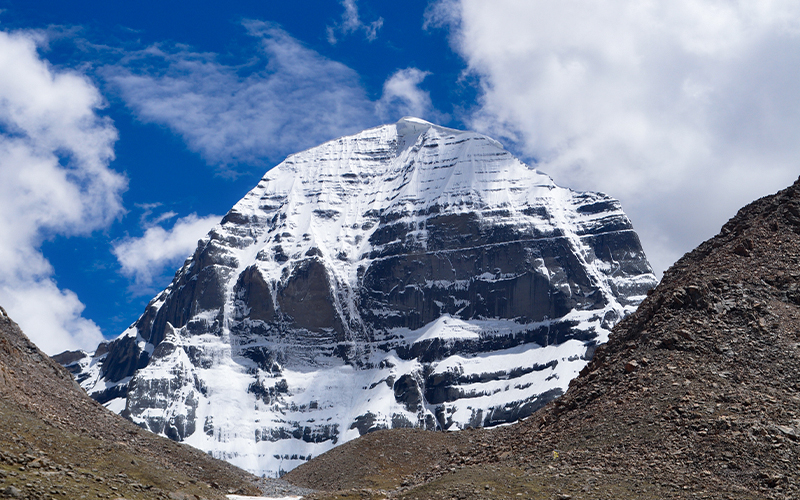
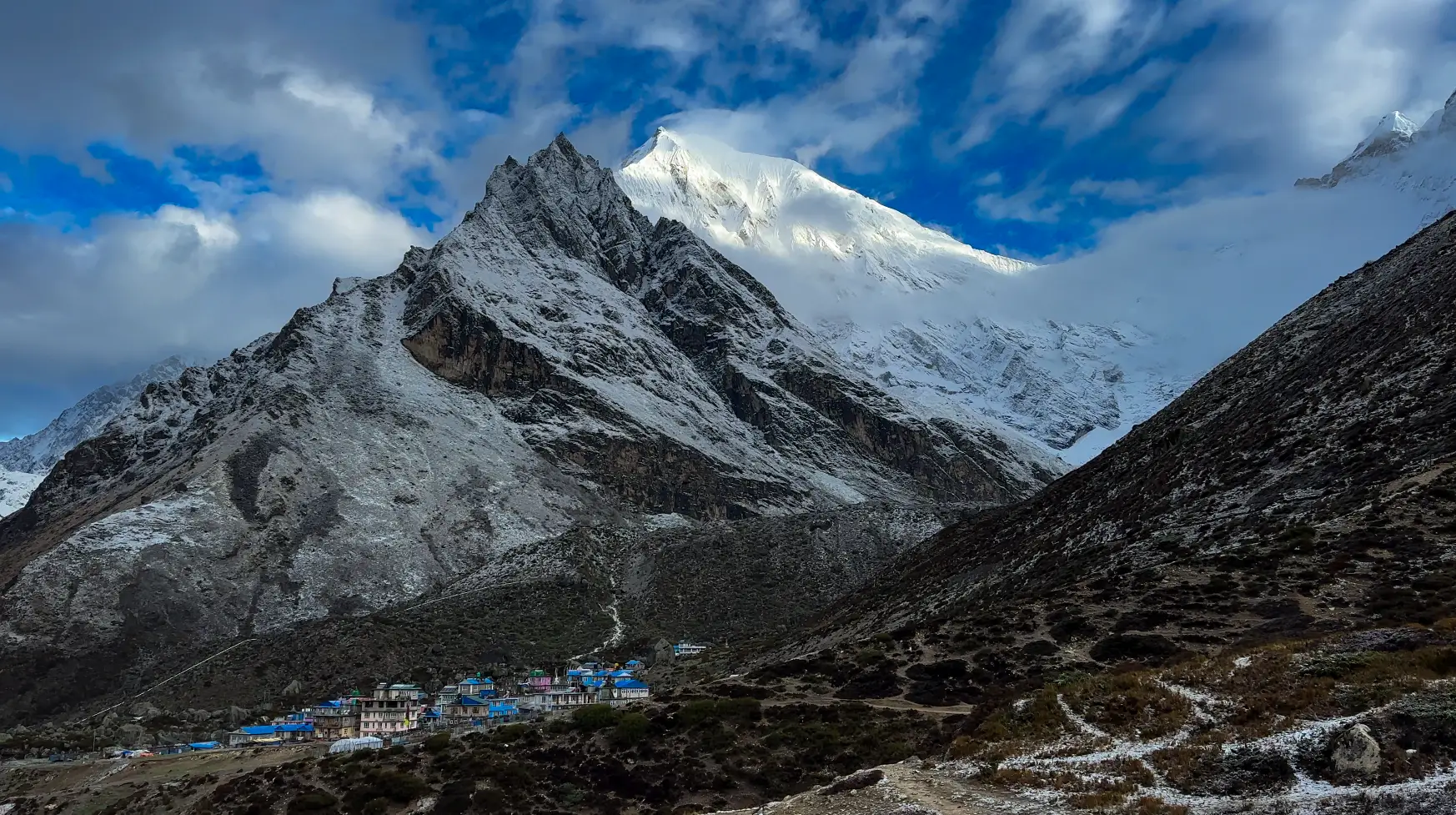
Everest Base Camp Trek: Experience the ultimate Himalayan adventure with breathtaking views of Mount Everest, Sherpa culture, and iconic monasteries. Perfect for thrill-seekers and nature lovers. Trek safely with proper acclimatization, expert guides, and essential gear.

Trip Facts
Country Nepal
Trip Facts
Trip Durations 14  Days
Trip Facts
Activities Trekking
Trip Facts
Trip Difficulty Moderate
trip duration
Meals Breakfast, Lunch & Dinner
trip duration
Max Altitude 5,545 m
trip duration
Best Season March - May & Sept - Nov
trip duration
Start/End Point Kathmandu / Kathmandu
trip duration
Group Size Min 2 Pax

Trip overview

Everest Base camp trek is  one of the trendy trekking routes of the Himalayas. Adventure, thrills, beautiful scenery along with the excitement of reaching the base camp of the hightest mountain of the world makes this trek very popular amongst hikers.

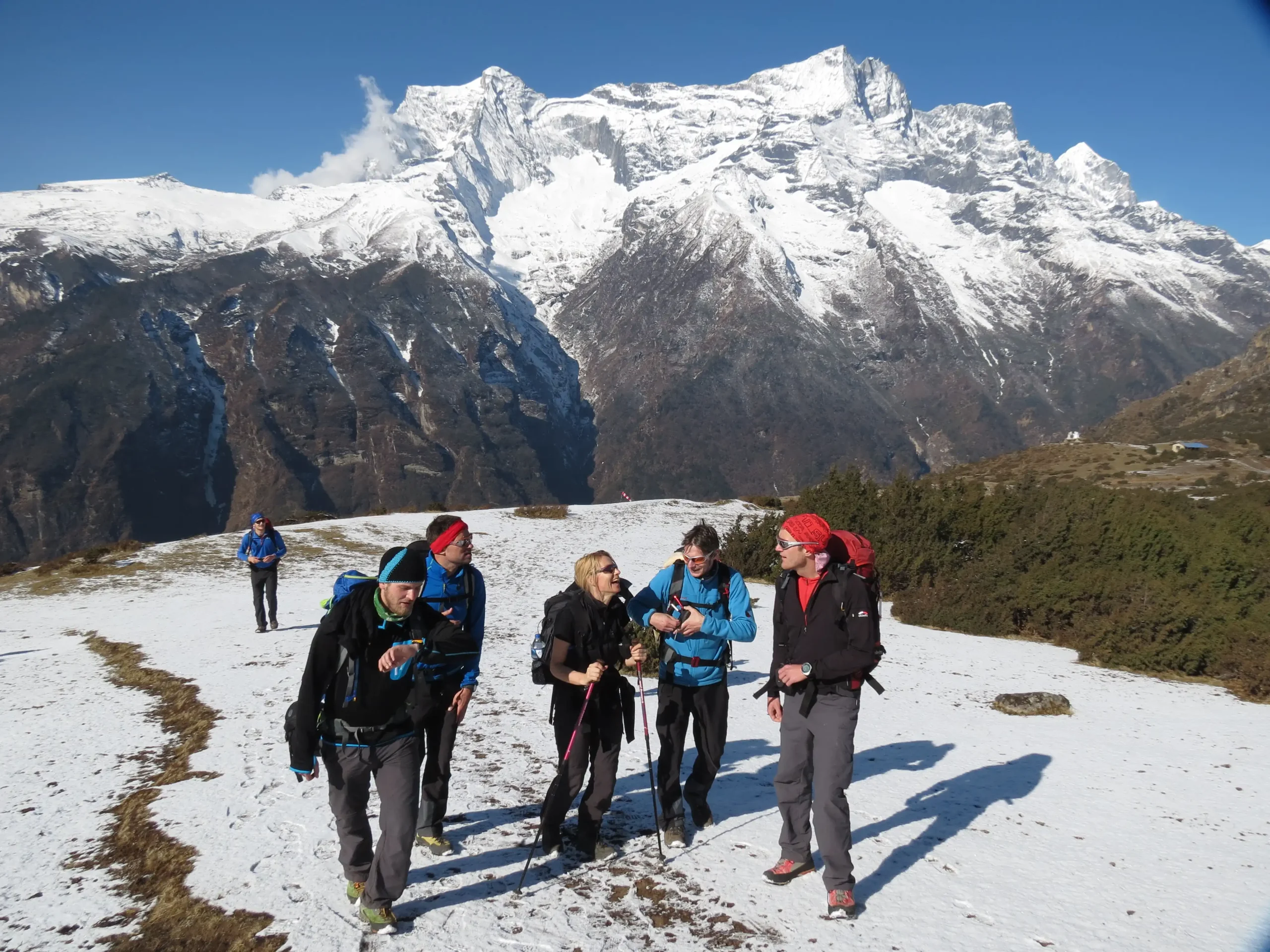
The journey is a remarkable one that provides wonderful experience of exploring the surrounding SoluKhumbu region and the Sagarmatha National Park while enjoying the pure Sherpa culture. Our path crosses through multiple villages of the region, hiking up and down the captivating landscape with new experience each day.

The journey starts from a scenic flight to Lukla from Kathmandu. The trek begins from a hike to beautiful village of Phakding and then to Namche Bazaar, Tengboche, Dingboche, Lobuche and so on.
We also ascend to Gorakshep and finally the base camp of Everest.

After the base camp, we trek up to the famous Kala Patthar viewpoint and pass Gorakshep. As the trails wind through many hills and valleys, you will walk along the Dudh Koshi River, crossing wooden and suspension bridges. We will pass many chortens and Gompas along with the famous Tengboche Monastery. At regular intervals, Mani stone wall carvings and colorful prayer flags decorating the region can also be seen.

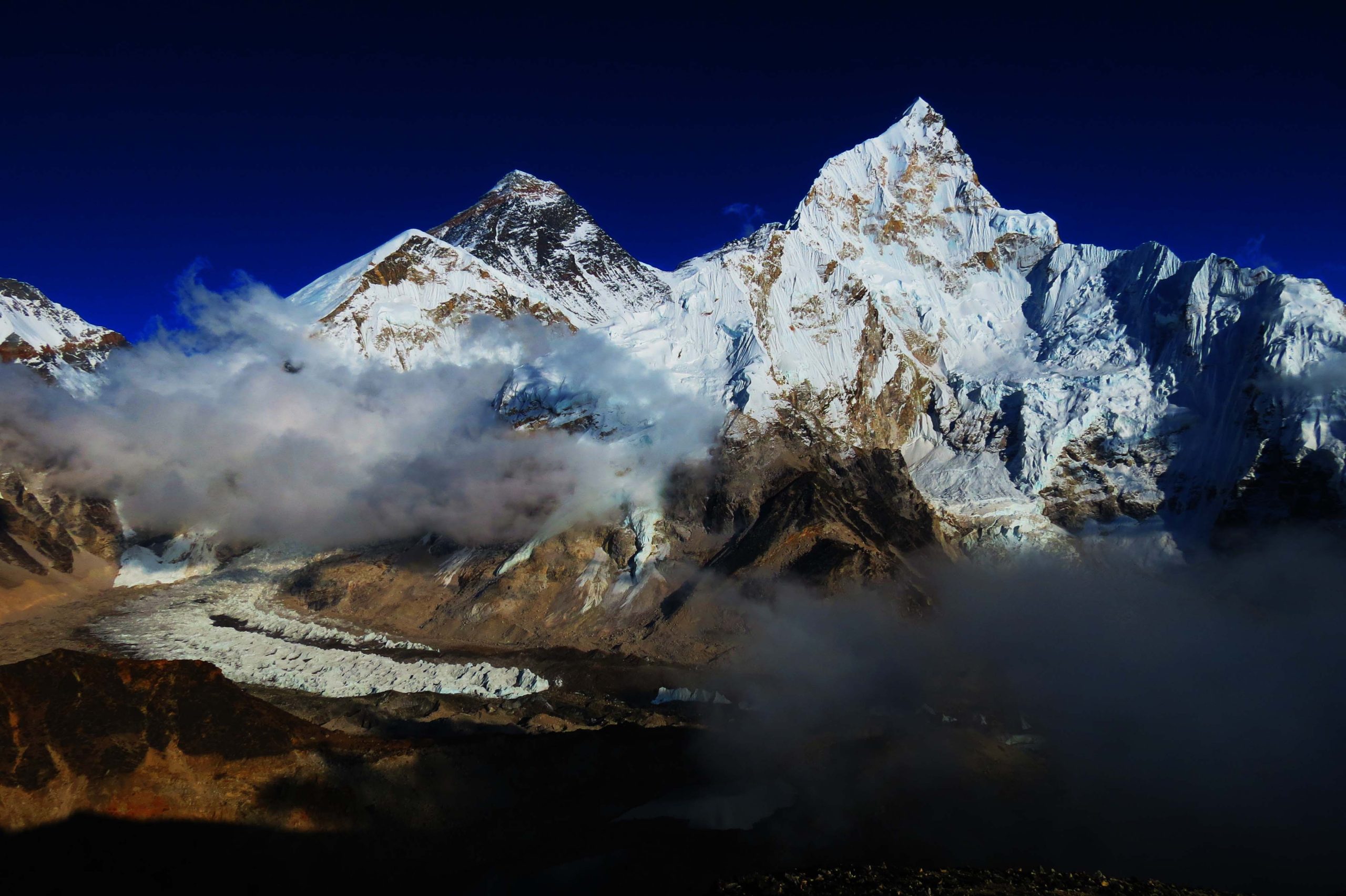
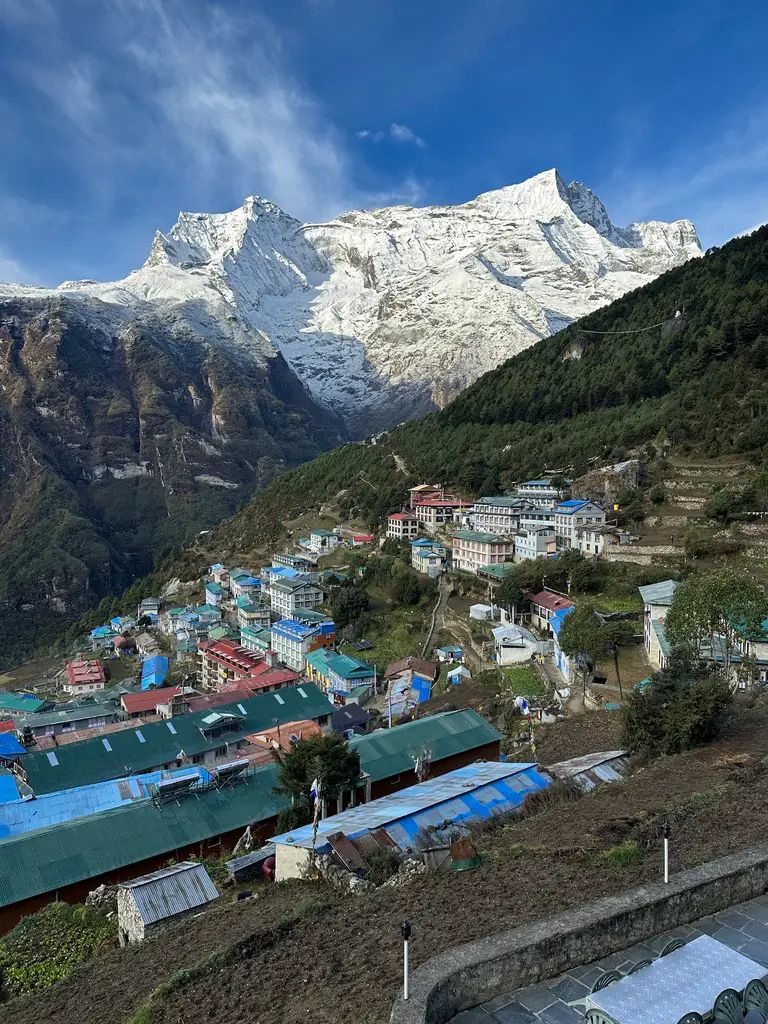
The views of mountains such as Everest, Thamserku, the Kongdi RI, Ama Dablam, Tawache, Nuptse, the Kusum Kangraru, Pumori, Makalu, and many others will constantly show you the way. You will spend time in Namche, also known as the “gateway to Everest”, exploring the Sherpa Museum in Namche Bazar along with some sightseeing of the village up close.

The Everest Base Camp trek is an incredible combination of Khumbu’s natural charm and a unique way to experience the traditions of people living in the Himalayan region.

Best Time to Trek

Spring Season — March to May (Recommended)

The most popular and spectacular season. Rhododendron forests bloom in vivid pink, red, and white at lower elevations. Skies are generally clear before the monsoon. Temperatures are mild at lower altitudes, cold but manageable at high camp. Base Camp expeditions are active, you may see summit teams preparing. The trails are busiest, especially in April.

Autumn Season — September to November (Recommended)

Crystal-clear skies after the monsoon has washed the dust from the air. Arguably the sharpest mountain views of the year. Temperatures are colder than in spring, especially in November, but the visibility is exceptional. October is peak season, book early.

Winter — December to February (Possible)

Quiet trails and dramatic snow conditions. Very cold above 4,000m. Lukla flights can be disrupted. Experienced trekkers only.

Monsoon — June to August (Not recommended)

Heavy rainfall, leeches on the trail, poor visibility. Some teahouses close. Not suitable for the EBC trek.

Everest Base Camp Trek Highlights

  • Trek to Everest Base Camp (5,364m), the legendary foothold of the world’s highest mountain, Mount Everest

  • Scenic mountain flight from Kathmandu to Lukla, marking the start of an iconic Himalayan adventure

  • Walk through the heart of the Solu Khumbu region inside Sagarmatha National Park, a UNESCO World Heritage Site

  • Experience authentic Sherpa culture, visiting traditional villages such as Phakding, Namche Bazaar, Tengboche, Dingboche, and Lobuche

  • Explore Namche Bazaar, the gateway to Everest, including visits to the Sherpa Museum and local markets

  • Visit the famous Tengboche Monastery, the spiritual center of the Khumbu region

  • Hike to Kala Patthar (5,545m) for sunrise views over Everest, Nuptse, and Pumori

  • Cross dramatic suspension bridges over the Dudh Koshi River, adorned with prayer flags

  • Walk past ancient mani walls, chortens, and gompas, reflecting deep Himalayan Buddhist traditions

  • Enjoy constant views of iconic peaks including Everest, Ama Dablam, Thamserku, Lhotse, Nuptse, Pumori, Makalu, and Kongde Ri

  • A perfect balance of adventure, altitude, culture, and mountain scenery, making it one of the most rewarding treks in the world

Everest Base Camp Trek Itinerary

Expand All
01 Day

Welcome to Kathmandu (1,350 m)

As soon as you arrive at the Kathmandu airport, our representative will pick you up after completion of your custom formalities and hence and a warm welcome before driving you to your hotel. In the evening, our company will be hosting a welcome dinner in an excellent Nepali restaurant, which serves mouth-watering Nepali cuisine.

Meals: Welcome Dinner
Accommodation: A 3 Star Hotel in Kathmandu
Trek Time: 30 min drive
Max Altitude: 1350 m
02 Day

Fly to Lukla & Hike to Phakding (2860 m - 2,652 m)

On this very second day – you’ll board on a flight to Lukla from Kathmandu in the early morning, which will take around 35-40 minutes. Once we land at Tenzing Hillary airport at Lukla; after a quick exploration of the village, we’ll start our trek to Phakding, descending down alongside the deep Dudh Koshi River.

This trail leads to Namche Bazaar, which is situated over Chaunrikharka. Once we have descended from Lukla, we will continue an easy hike, passing the tiny village of – Ghat until we finally reach Phakding. Today’s – trekking for approximately 3 hours.

Meals: Breakfast, Lunch & Dinner. 
Accommodation: Trek Lodge
Trek Time: 3-4 hrs. trek and 35 Min flight
Max Altitude: 2860 m (Lukla) & 2652 m (Phakding)
03 Day

Trek from Phakding to Namche Bazaar (3440 m)

Today you will be trekking for approximately 6 hours to Namche Bazaar, where we will be spending our day acclimatizing to the altitude. On our acclimatization hike, you will get the first view of Everest. On this leg of the trek, we will be crossing the Dudh Koshi River, following the steps of our trekking guide.

On the way, you’ll be walking through pine forests as you follow the river, and if you trek in the spring season, you’ll be able to observe beautiful blooming rhododendron.

Crossing the Dudh Koshi River over the Hillary Suspension Bridge, we will get to view several mountains like Kusum, Thamserku, and Kanguru which are above 6,000 meters.

We then stop for lunch at Monjo, where we enter the national park, and we’ll continue trekking alongside the river passing the village of Jorsale. From Jorsale, the trail becomes a bit difficult with a steep ascent towards Namche Bazaar. Again, we will be crossing the river over the Hillary suspension bridge before ascending toward our destination of Namche Bazaar, where we will be viewing breathtaking views of the stunning peaks of Everest, Nuptse, Lhotse, and Tawache. In Namche, you can take advantage of a hot shower in the hotel as in the upper regions, there might not be any showers.

Meals: Breakfast, Lunch & Dinner.
Accommodation: Trek Lodge
Trek Time: 10-12 km (5-6 hrs. trek)
Max Altitude: 3440 m
04 Day

Day Hike & Return to Namche Bazaar (3440 m)

Today, we will be spending another night in Namche for proper acclimatization. To ensure we are at our best, we’ll be hiking up in the surrounding hills to a higher elevation where we will visit and explore some sites as well as view the mind-blowing mountain sceneries. It is necessary to adapt the altitude properly.

There is also an alternative option for you to hike above the Bhote Koshi river valley to Thami or simlply tour around the headquarter of the national park to capture the best sunrise and sunset views of Everest and the Khumbu peaks.

The headquarters of National park showcases the culture of the Sherpas and the varied floras and faunas of this region. In Namche Bazaar, the local people sell locally made products like dried goat meat and much more.

Meals: Breakfast, Lunch & Dinner.
Accommodation: Tea house or Trekking Lodge
Max Altitude: 3440 m
05 Day

Trek through Kumjung to Tengboche (3870 m)

Today we will be trekking towards Thyanboche, and on the trail – you will be observing varied birds – Danphe (Pheasant – Nepal’s national bird) and others. You might even get to spot a Himalayan Thar, which is similar to a goat. Heading on the trail towards the Tengboche monastery, we’ll relish the views of Everest & several other snowcapped peaks.

Once we ascend to Thyangboche, we will see the monastery, where we can explore the tradition and religion of Buddhism. From the monastery, we will get splendid views of the mountains such as Ama Dablam, Kantega, and the Everest. Today we’ll be trekking approximately 5 hours, and we’ll be spending our night in Thyanboche.

Meals: Breakfast, Lunch & Dinner
Accommodation: Trek Lodge
Trek Time: 10 km (6 hrs trek)
Max Altitude: 3870 m
06 Day

Trek to Dingboche (4400 m)

Today we will be trekking to Dingboche and notice that the views of Everest are getting closer. On our way, we will ascend towards the Pangboche village and stop for lunch with panoramic views of several snowcapped peaks. After lunch, our trek continues, following the Imja River and thus passing several teahouses while crossing the river and glaciers.

Once we reach Dingboche village, with its beautiful fields that are surrounded by the stone walls we’ll acclimatize once more in preparation for our final push to Everest Base Camp. Feel free to roam around the village, taking in the stone walls surrounding the crops for protection from the cold winds. Here you will find barley and potatoes.

Also from here, we can get amazing views of Everest hiding behind the Nuptse and Lhotse ridges. If the sky is clear, we’ll get a spectacular view of the sunset being revealed on the peaks.

Meals: Breakfast, Lunch & Dinner.
Accommodation: Trek Lodge
Trek Time: 11 km (6 hrs.)
Max Altitude: 4400 m
07 Day

Trek to Dingboche (4400 m)

Today, we will spend our night in Dingboche for proper acclimatization. There are plenty of trails that we can choose from for our acclimatization hike, such as the trail to Ama Dablam base camp or a trail to the Chukung or Nagarjun hills.

The hike to the Ama Dablam peak leads to Everest base camp, and on the trail, one gets splendid views of snowcapped peaks, whereas from the Nagarjuna hills (5100 m), one gets a striking view of Island Peak, Makalu, and Ama Dablam.

The hike to Chukhung at 4,750 meters will be the short hike. Nonetheless, one gets awesome views of several snow-capped peaks.

Meals: Breakfast, Lunch & Dinner.
Accommodation: Trek Lodge
Max Altitude: 4400 m
08 Day

Trek from Dingboche to Lobuche (4900 m)

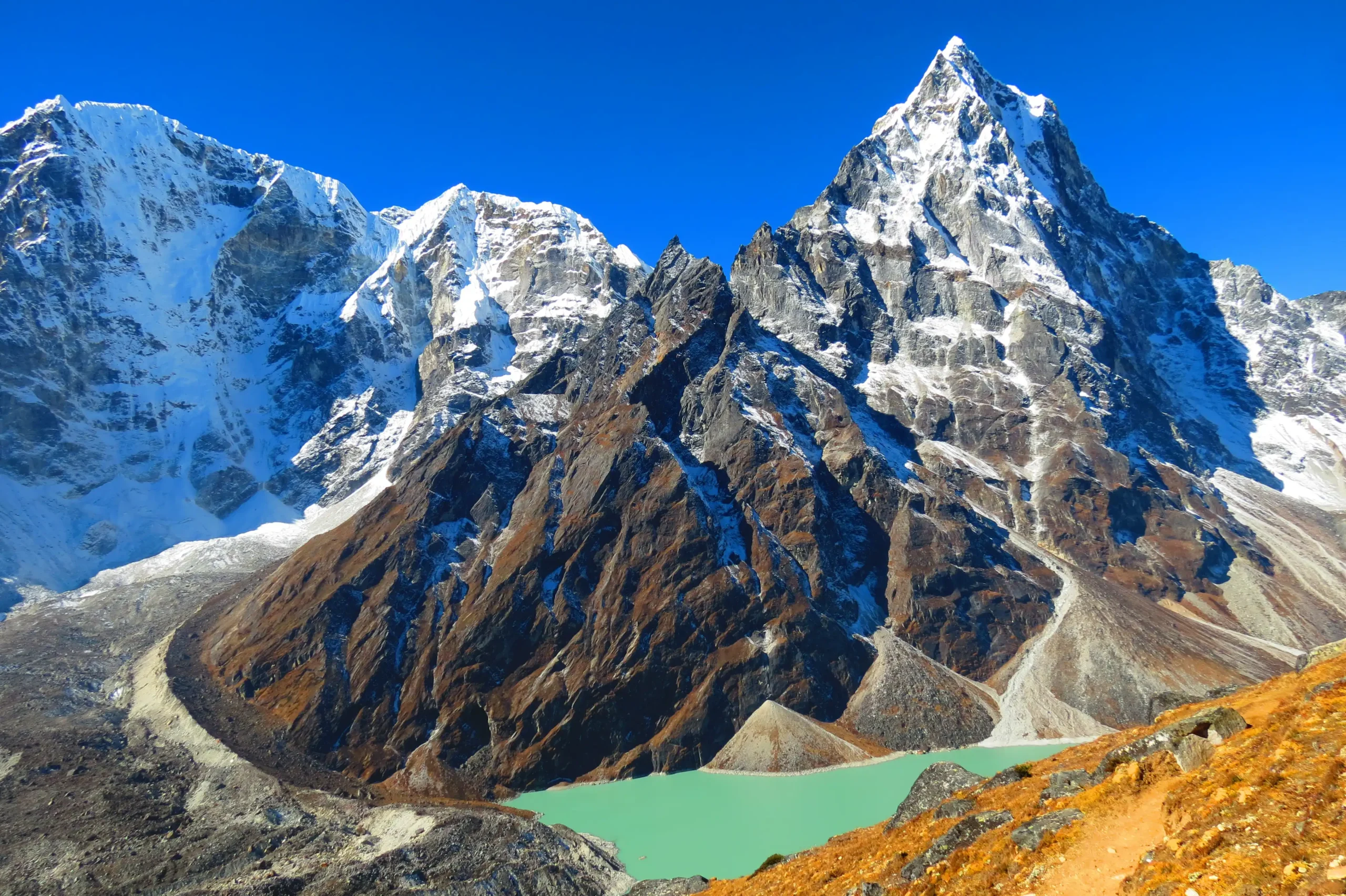
Today we’ll be heading to Lobuche, and on the way, we might come across expedition groups heading to summit the peaks. The hike will include a climb up a small ridge above Pheriche where we will be able to take in impressive views of Tawache and Cholatse peaks from the top of this stupa.

Our trail will then level out for relatively easy walking in the flat land on wide fields. Please be advised that you should always drink plenty of water and stay hydrated to avoid the altitude sickness during your trek.

Once we cross the Kumbu River and stop at Dughla for lunch, we’ll continue ascending through the rocky trails where we will pass stacks of stones constructed in memorial to the late Sherpa climbers.  From here, one gets amazing views of Mount Pumori, Lingtren, Khumbutse and many other snowcapped peaks.  We follow the river afterward to the Lobuche Lodge.

Meals: Breakfast, Lunch & Dinner.
Accommodation: Trek Lodge
Trek Time: 11-12 km (6-7 hrs.)
Max Altitude: 4900 m
09 Day

Trek to Gorakshep, Climb Kala Patthar or hike to the Everest Base Camp (5180 m- 5364 m)

Today is the big day – the Everest Base Camp!

We get up early for our long day and head for Gorakshep following a wide valley, which runs parallel to the Khumbu glacier. As we go, we ascend slowly and gradually while trekking to the higher altitudes. Once we reach the moraine of the Changnup glacier, we ascend and descend down rocky trails, which lead to Gorakshep.

After a brief rest and have something to eat, we’ll continue our trek to Everest Base Camp! Although one cannot get the views of Everest from the camp, you won’t be disappointed because there will be views of stunning glaciers, caves, and lakes.

Note: While trekking to the Everest Base Camp arena, we do not visit the climbing camp out of the respect of climber’s health and privacy.

Meals: Breakfast, Lunch & Dinner.
Accommodation: Trek Lodge
Trek Time: 15km (6-8 hrs.)
Max Altitude: 5180 m (Gorekshep) & 5364 m (EBC)
10 Day

Gorekshep to Kala Patthar and Pheriche (5545 m - 4320 m)

Today we wake up early in the morning and trek toward Kala Patthar to enjoy the fabulous sunrise with close views of Everest and several other snow-capped peaks. For this breathtaking view, we’ll be ascending a steep path that is a bit challenging, but the view you’ll get from this hill- KalaPathar, will blow you away.

You’ll also get views of Mount Ama Dablam, Changtse, Kangtenga, and Tewache  plus the Khumbu icefall. After a brief stay, we’ll descend to Gorakshep and cross the Khumbu river, where we ascend to the high hills where we get to capture views of Ama Dablam, the Imja valley, and Kantenga. Our destination will be Orsho where we will spend our night telling tales of all we’ve seen.

Meals: Breakfast, Lunch & Dinner.
Accommodation: Trek Lodge
Trek Time: 12-13 km (5-6 hrs)
Max Altitude: 5545 m (Kala Patthar) & 4320 m (Pheriche)
11 Day

Trek to Namche Bazaar - with views of Everest, Lhotse, and Ama Dablam. (3440 m)

Today, we will cross the Imja River on a suspension bridge and enjoy the amazing views of Ama Dablam, Imja valley, and Kangtega. As we retrace our path to Everest Base Camp back to Thyangboche we will descend a steep section of the trail into lush juniper, rhododendron and fir forests.

Here, we will cross the Dudh Koshi river and climb back up towards Trashinga and continue our trek to Shanasa and finally, Namche Bazaar. We spend the night in Namche Bazaar lodge.

Meals: Breakfast, Lunch & Dinner.
Accommodation: Trek Lodge
Trek Time: 13-15 km (7-8 hrs)
Max Altitude: 3440 m
12 Day

Hike back to Lukla (2860 m)

Today will be the last day of your trek, and we’ll be hiking approximately 5 hours, descending steeply before crossing the Dudh Koshi River to Jorsale. We then retrace our step back to Monjo, hiking through rhododendron and pine forests with views of Kusum Kangaru. The trail then ascends up to Lukla where we can enjoy a hot shower in our hotel.

Meals: Breakfast, Lunch & Dinner.
Accommodation: Trek Lodge
Trek Time: 16 km (6-7 hrs)
Max Altitude: 2860 m
13 Day

Return flight from Lukla to Kathmandu, weather permitting (1350 m)

Today we take a flight to Kathmandu, which is approximately 35-40 minutes. Once we land, our representative will receive you and drop you at your hotel. Your options are wide open after that: you can stroll around Thamel area, visit souvenir shops in the afternoon take a rickshaw ride, visit Durbar Square or the Monkey Temple.

Later in the evening, Firante  will host a farewell dinner for the successful completion of our endeavor.

Meals: Breakfast and Dinner.
Accommodation: A 3 Star Hotel in Kathmandu
Trek Time: Flight 35 min
Max Altitude: 1350 m
14 Day

FInal Departure and Good Bye

Your 14 days Everest Base Camp Trekking journey comes to an end today unless you would like to extend some additional days for sightseeing some other places. If so, we can surely arrange that for you. Our representative will drop you at the airport three hours (recommended) prior to your flight schedule.

Meals: Breakfast
Trek Time: Airport Drop-Off in a Private Car
Max Altitude: 1350 m

Not quite satisfied with this itinerary?

No worries – every traveler has unique preferences, and we’d be happy to adjust the plan to match your style, comfort, and interests. Let us know what you’d like to add or change, and we’ll create a journey that feels truly yours.

Customize Trip

Cost Includes

  • Airport transfer pick up and drop
  • Hotel accommodation in Kathmandu with breakfast (Twin sharing)
  • Domestic airfare (Kathmandu-Lukla-Kathmandu)
  • Tea house accommodation during the trek
  • Breakfast, Lunch and Dinner during the trek(with tea and coffee)
  • Experienced English speaking local trekking guide, assistant trekking guide and local porter(s) along with their flights, salary, lodging, food and insurance
  • Everest National park entry permit
  • TIMS permit
  • Khumbu Pasang Lhamu Rural municipality  entry permit
  • First aid Medical kit
  • All government and local taxes (including 13% VAT)
  • Transportation on private vehicle as agreed on the itinerary

Cost Excludes

  • Your Nepal entry visa fee
  • All kinds of beverages (soft/hard and Mineral water)
  • Travel insurance and emergency evacuation expenses
  • Extra baggage charges in domestic flights­­­­­­­­­­­­
  • Sightseeing in kathmandu
  • Additional days accommodation expenses (Ktm/Lukla)
  • All personal expenses
  • Tips for guides and porters

Additional Informations

Accommodation

Firante Treks and Expedition manages the best and most comfortable accommodation and also provides you with hygienic food. Standard (3 Star) accommodations are booked in cities such as Kathmandu and Pokhara, whereas a typical trek lodge will be booked in remote areas.

Luxurious rooms from 5 Star hotels are also made available on demand in the cities at an additional cost, but remote regions don’t have such facilities.


Altitude Sickness: What You Need to Know

Acute Mountain Sickness (AMS) is the most serious risk on the EBC trek. Symptoms include persistent headache, nausea, dizziness, and sleep disturbance. It can affect anyone regardless of fitness level; altitude experience is the primary predictor.

This itinerary builds in two acclimatization days (Namche on Day 4, Dingboche on Day 7), following the “climb high, sleep low” principle recommended by the Wilderness Medical Society. The golden rule: never ascend to a new sleeping altitude if you have AMS symptoms. If symptoms worsen, immediate descent is the only cure.

Our guides carry a Gamow bag (portable hyperbaric chamber) and maintain radio contact with Himalayan Rescue Association clinics at Pheriche and Namche throughout the trek.

Trip Review

Sanjib
Sanjib USA

Everest Base Camp Trek

I finally did the Everest Base Camp trek and honestly, it was one of the most incredible things I’ve ever done. The views were just out of this world—huge mountains, peaceful little villages, and the most amazing sunrises. It wasn’t always easy, but so worth it.

I went with Firante Treks and Expeditions, and they took care of everything from start to finish. The guides were super friendly, helpful, and really knew their stuff. I always felt safe and supported, even at high altitudes. If you’re planning to do this trek, I’d definitely recommend going with them. It’s something I’ll never forget.

Trip FAQs

1. How fit do I need to be for Everest Base Camp trek?

You don’t need mountaineering experience, but cardiovascular fitness is essential. We recommend training 3–4 months beforehand: hiking with a loaded pack on inclines, regular running or cycling, and gym sessions targeting leg strength. You should comfortably manage 5–7 hours of walking per day on uneven terrain with a 5–8 kg daypack.

2. Is the Everest Base Camp trek safe?

Yes, when done with a reputable operator, proper acclimatization, and good preparation. The main risks are Acute Mountain Sickness (AMS), weather disruptions, and trail injuries. Our licensed guides are trained in wilderness first aid, carry supplemental oxygen and a Gamow bag, and maintain contact with rescue services throughout the route. Travel insurance with helicopter evacuation cover is mandatory.

3. What is the best month to trek to Everest Base Camp?

April and October are the two peak months. April offers blooming rhododendrons and an active expedition season at Base Camp. October delivers the clearest post-monsoon skies and the sharpest mountain photography. Both months have the highest trail traffic. If you prefer quieter trails with similar conditions, try late March or early November.

4. Do I need previous trekking experience?

Previous trekking experience is strongly recommended but not strictly required. Trekkers with no prior experience should complete several multi-day hikes at altitude, ideally above 3,000 m, before the EBC trip. First-timers in Nepal may want to consider the Annapurna Base Camp or Langtang Valley treks as warm-up journeys.

5. How much does the Everest Base Camp trek cost?

Package prices vary by group size, season, and operator. Our 14-day guided package (all-inclusive except visa, insurance, and personal expenses) is competitively priced with transparent costs. Contact us for the current per-person rate. Budget for roughly USD 30–50/day in additional personal spending on beverages, souvenirs, and tips for your guide and porter.

6. Can I trek to Everest Base Camp solo?

Solo trekking is permitted, but strongly discouraged above Namche Bazaar. At altitude, having an experienced local guide significantly reduces the risk of safety incidents. Guides recognize early AMS symptoms, know evacuation routes, and have relationships with teahouse owners. Nepal’s tourism regulations require licensed guides for treks inside national parks, so a guided experience is also the legal requirement.

7. What is the maximum altitude on this trek?

The highest point is Kala Patthar at 5,545 m (18,192 ft), reached on Day 10 for sunrise views of Everest, Nuptse, and Pumori. Everest Base Camp itself sits at 5,364 m (17,598 ft). Both are visited within the same high-altitude section of the itinerary.

8. Is there WiFi and mobile network on the trek?

WiFi is available (for a fee) at most teahouses from Namche Bazaar upward, though speeds are slow and connection quality drops at higher altitudes. Nepal Telecom’s 4G/3G signal covers the main Khumbu trail up to Gorakshep on clear days. Download offline maps and any entertainment before departing Kathmandu.

9. What food is available on the trek?

Teahouse menus offer a wide range: dal bhat (the local staple filling and nutritious), pasta, soups, rice dishes, omelettes, porridge, pizza (yes, even at altitude), and hot drinks. All breakfasts, lunches, and dinners during the trek are included in our package. At altitude, your appetite may decrease, so prioritize carbohydrates and stay well hydrated.

10. What permits are required for Everest Base Camp trek?

Three permits are required: (1) Sagarmatha National Park Entry Permit, (2) TIMS Card (Trekkers’ Information Management System), and (3) Khumbu Pasang Lhamu Rural Municipality Permit. All three are included in our package. You will need your Nepal entry visa separately, which can be obtained on arrival at Tribhuvan International Airport, Kathmandu.

11. Can older trekkers or beginners complete the EBC trek?

Age is not a barrier; trekkers in their 60s and 70s complete EBC each year. What matters more is cardiovascular health, joint condition, and mental preparedness. We recommend a thorough medical check-up with your doctor before booking, particularly to assess heart health and altitude suitability. We can also customize the itinerary with additional acclimatization days if needed.

12. What happens if I get altitude sickness?

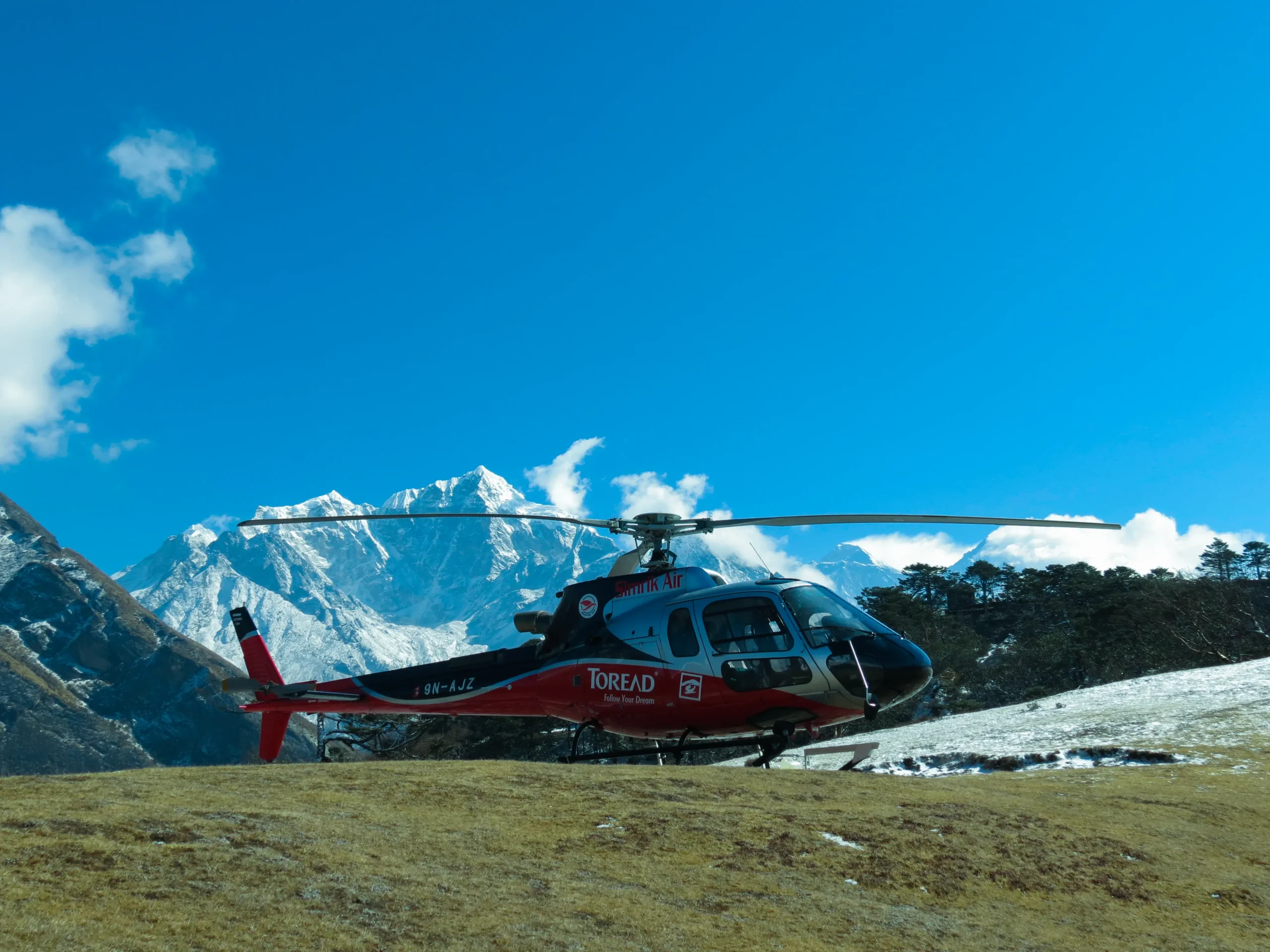
Your guide will monitor you daily using a pulse oximeter and symptom checklist. At the first sign of serious AMS, the protocol is immediate descent to a lower altitude, typically 300–500 m lower, and rest. If symptoms are severe, helicopter evacuation from designated landing zones is arranged. This is why comprehensive travel insurance covering helicopter rescue above 5,000 m is mandatory before we confirm your booking.

Subscribe for
travel stories & fresh trails:

chat-in-website
Need Help? Chat with us
chat-in-website
Need Help? Chat with us
Book Inquire