

The Humla Limi Valley Trek is a 21-day remote camping trek in northwestern Nepal that follows ancient Tibetan trade routes through Halji, Til, and Jang villages. This restricted area trek crosses Nara La Pass (4,580m) and Nyalu La Pass (5,000m), offering authentic Tibetan Buddhist culture, Himalayan wilderness, and rare views toward Mount Kailash.


Trip overview
The Humla Limi Valley Trek is one of the last truly remote trekking journeys in Nepal, created for travelers who want cultural depth as much as mountain scenery. Opened to foreign trekkers only in 2002, this route enters Humla’s restricted region near the Tibetan border, where Tibetan Buddhism, seasonal migration, and traditional village life continue much as they have for centuries.
Located in Nepal’s far northwestern corner, the Limi Valley Trek in Nepal follows sections of the upper Karnali River before climbing into wide alpine valleys and crossing high Himalayan passes. The trail links the historic villages of Halji, Til, and Jang, settlements shaped by ancient salt trade routes between Tibet and Nepal. Even today, these villages remain largely untouched by modern infrastructure, making this a true off-the-beaten-path trek in Nepal.
Unlike popular teahouse routes, this trek is quiet and physically demanding, often supported by camping logistics. On clear days, trekkers may glimpse distant views of sacred Mt. Kailash across the Tibetan plateau, adding a spiritual layer to a journey already rich in history and tradition.
Why Choose the Humla Limi Valley Trek?
Authentic Tibetan Buddhist Culture
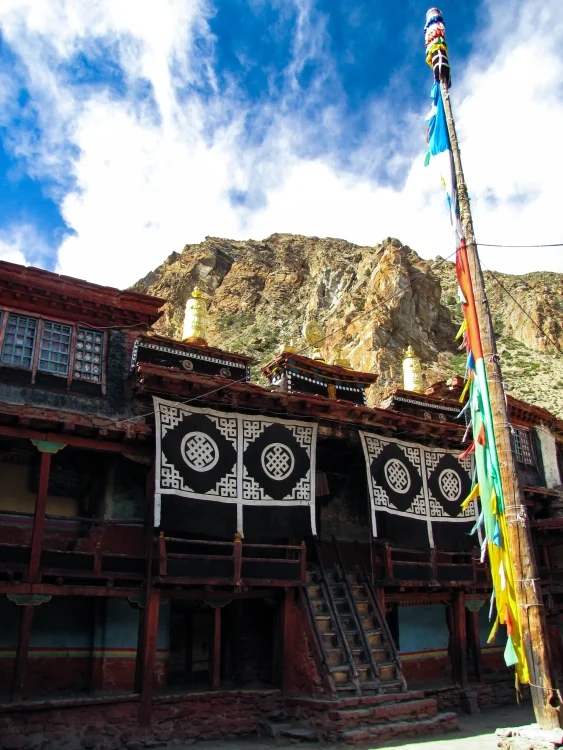
The Tibetan cultural experience in Limi Valley is among the most genuine found anywhere in Nepal. In Halji village, the Rinchenling Monastery, founded in the 10th–11th century by the renowned translator Rinchen Zangpo, still functions as an active religious center rather than a preserved monument.
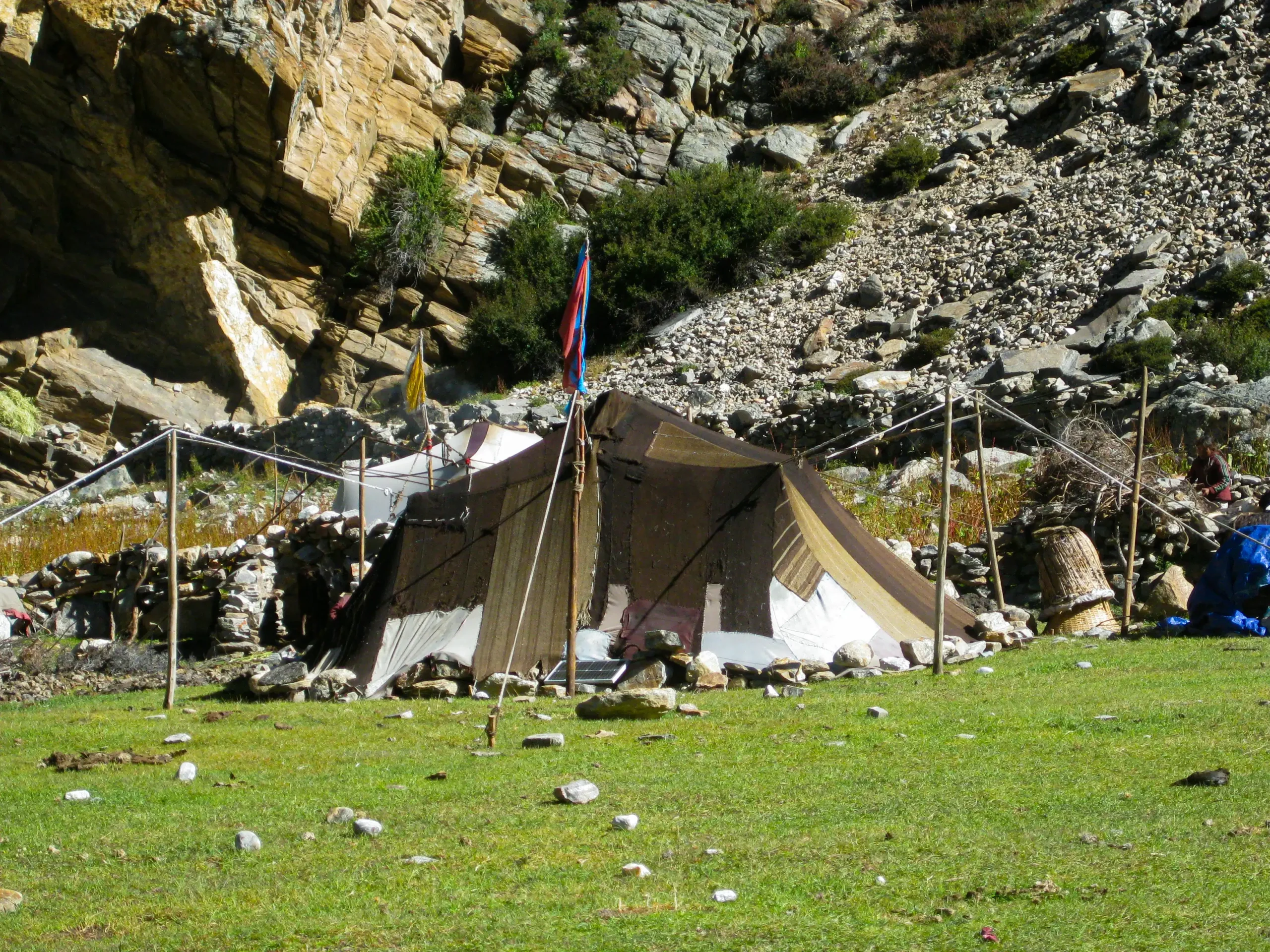
Daily life follows a slow and traditional rhythm. Women continue hand-weaving carpets using wooden looms, children assist with yak herding, and prayer flags line stone houses built generations ago. Religious rituals, mani walls, and seasonal festivals are part of everyday life, not performances for visitors.
High Himalayan Passes and Open Landscapes
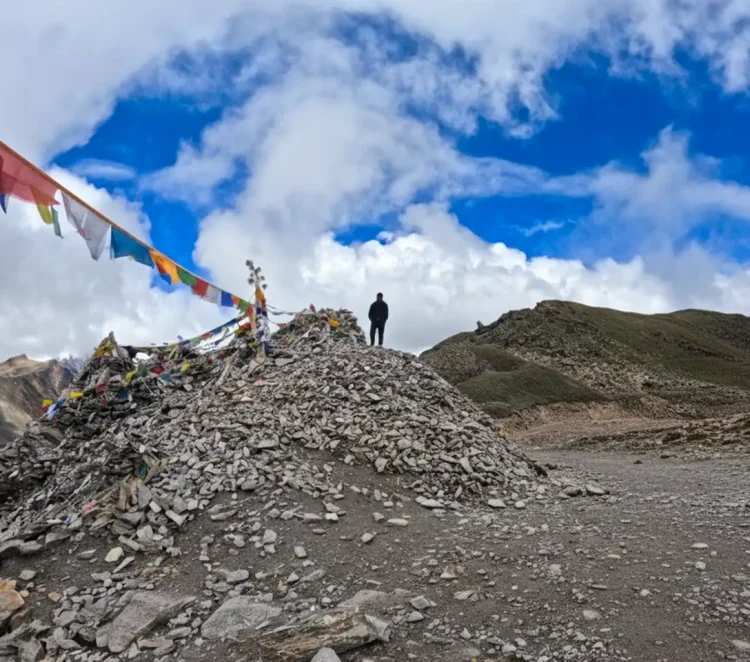
The trek crosses two major Himalayan passes, Nara La (4,580m) and Nyalu La (around 5,000m), the highest point of the journey. These crossings are physically demanding but reward trekkers with vast, silent landscapes that define remote trekking in Humla.
The terrain shifts constantly, from pine and juniper forests to alpine meadows, yak pastures, and deep river gorges carved by the Karnali River system. From Nyalu La, weather permitting, distant views of Mt. Kailash can sometimes be seen across the border, making this a rare Mt. Kailash view trek within Nepal.
Rare Wildlife and an Intact Natural Environment
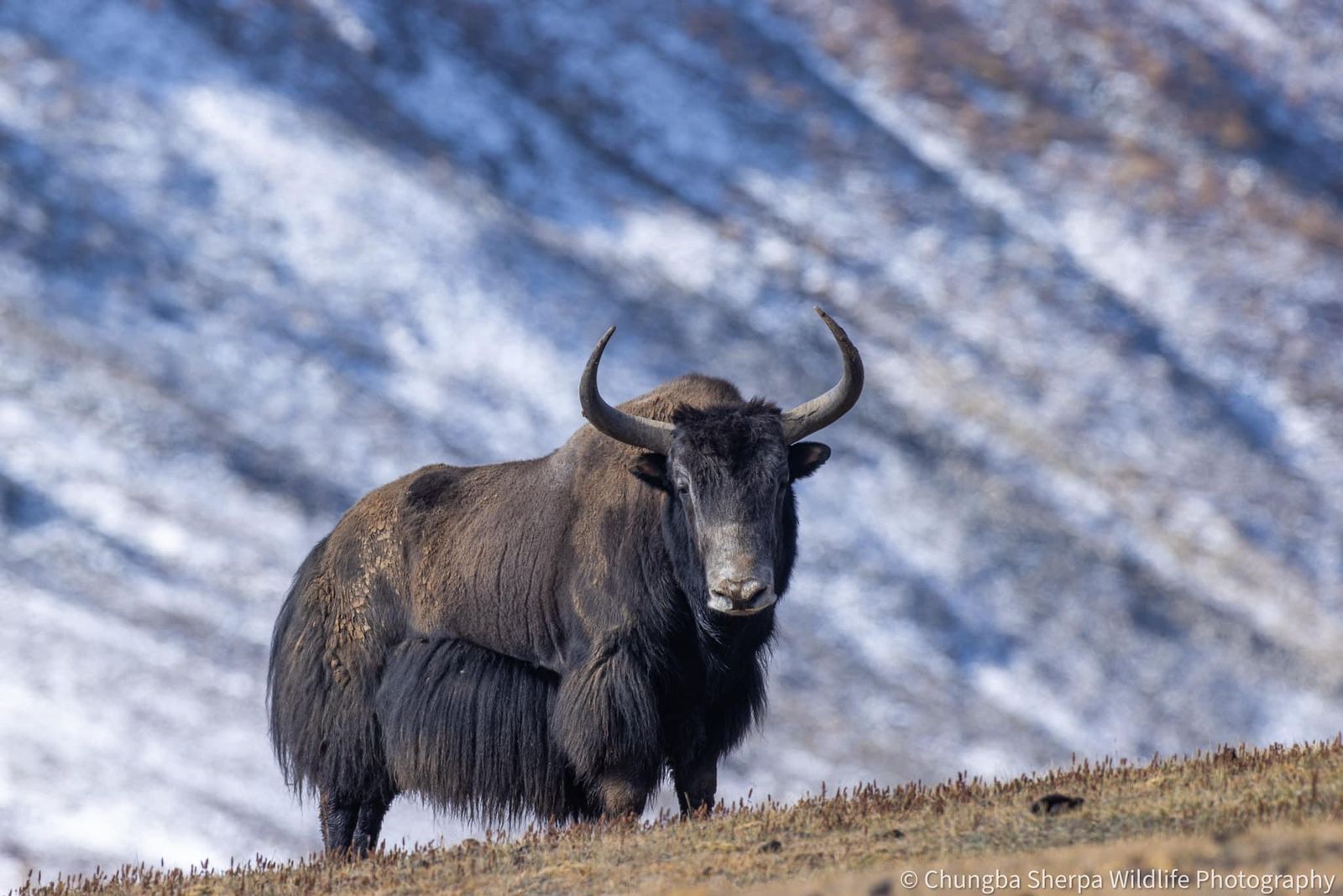
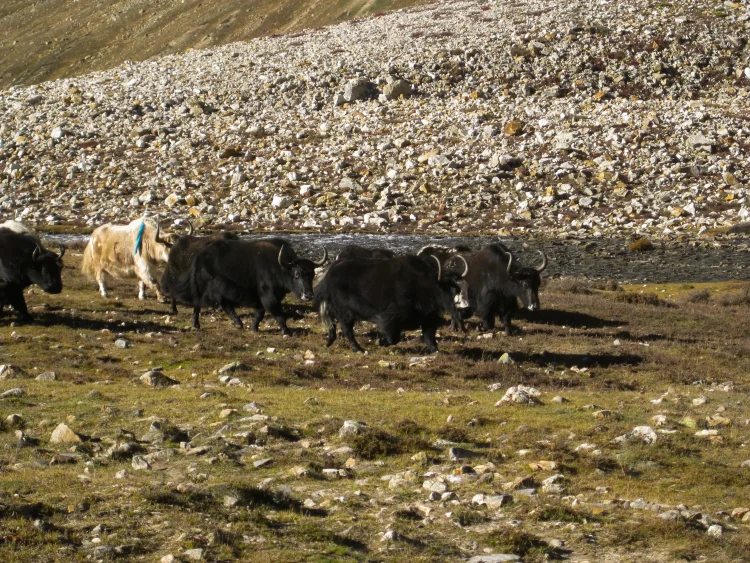
The Humla restricted area permit zone protects one of Nepal’s least disturbed mountain ecosystems. While wildlife sightings are never guaranteed, trekkers often see blue sheep (bharal), Himalayan yak grazing on steep slopes, along with marmots and high-altitude bird species.
Higher ridgelines are known habitats for snow leopards, while forested areas may shelter Himalayan black bears and musk deer. Limited human activity helps preserve the raw, untouched character of the region.
The Historic Simikot to Hilsa Trek Route
The Simikot to Hilsa trek follows ancient trade and pilgrimage routes once used to exchange Tibetan salt for grain from lower Nepal. These paths shaped the settlement patterns and culture of the entire region.
Although short sections of jeep track now exist in lower areas, much of the trail remains unchanged. Long walking days, river crossings, and high passes preserve the expedition-style feel of the trek, with camping beneath clear night skies and days spent moving between isolated villages.
Cultural Immersion Experiences
Ancient Monasteries
Visit Halji Rinchen Ling Monastery with pristine 10th-11th century murals and Buddhist artifacts.
Living Traditions
Watch women hand-weave carpets, children herd yaks, and witness centuries-old customs in daily life.
Remote Villages
Explore Halji, Til, and Jang where less than 100 foreign trekkers visit annually.
Must-Visit Cultural Sites:
- Halji Rinchen Ling Monastery – 10th-11th century gompa
- Rinchenling Cave – 11th-century meditation site
- Traditional Carpet Weaving – Live demonstrations
- Yak Herding Culture – Meet nomadic families
- Buddhist Monasteries – Functioning gompas in villages
- Mani Walls & Prayer Flags – Ancient pilgrimage markers
Humla Limi Valley Trek In Nepal Highlights
Mountain Passes & Views
• Cross Nara La Pass (4,580m) and Nyalu La Pass (5,000m) : trek’s highest point
• Distant views of sacred Mt. Kailash across the Tibetan border
• Stunning Seliman Lake (4,570m) with turquoise waters and jagged peaks
• Panoramic Himalayan vistas from high-altitude passes
Tibetan Buddhist Culture
• Explore remote villages: Halji, Til, and Jang, unchanged for centuries
• Visit the 10th-11th century Halji Rinchen Ling Monastery with ancient murals
• Witness traditional carpet weaving and yak herding culture
• Experience daily Buddhist rituals and prayer ceremonies
• Visit Rinchenling Cave: 11th-century meditation site
Remote Adventure
• Fewer than 500 trekkers annually: true wilderness experience
• Trek through Nepal’s restricted area with permit requirements
• Expedition-style camping under Himalayan stars
• Follow ancient salt trade routes between Tibet and Nepal
Natural Beauty & Wildlife
• Trek along the Karnali River through dramatic gorges
• Diverse terrain: pine forests, alpine meadows, yak pastures
• Spot blue sheep (bharal), snow leopards, musk deer, Himalayan black bears
• Chyachhahara Waterfall and natural hot springs at Kermi
Authentic Experience
• Genuine cultural encounters away from commercial tourism
• Traditional stone villages with 100% authentic local life
• Share butter tea with nomadic herding families
• Stay in areas with minimal modern infrastructure
Humla Limi Valley Trek In Nepal Itinerary
Expand AllArrival in Kathmandu (1,350m)
Welcome to Nepal! When you arrive at Tribhuvan International Airport, a member of our team will be there to greet you and take you to your hotel in Kathmandu. You will have the rest of the day to relax, recover from your journey, and take in the sights of Nepal’s bustling capital. In the evening, you will be briefed about the trek and prepared for the incredible journey into the Limi Valley.
Free Day in Kathmandu – Trek Preparation for the Limi Valley Adventure
Before heading into the Limi Valley Trek, it’s a great pacemaker day in Kathmandu. You should visit the UNESCO world heritage sites, walk through the colorful markets in Thamel, or take an optional Everest scenic flight, which will give you birds-eye views of the great Himalayan range. In the afternoon, you will meet with your guide who will review your gear, finalize permits, and brief you about the route and mountain conditions.
Fly from Kathmandu to Nepalgunj (150m)
Today, you will take a short flight from Kathmandu to Nepalgunj, a busy town in the lowlands that sits close to the Indian border. This flight is only about an hour, and if the skies are clear, there is a chance you’ll see the Annapurna and Dhaulagiri ranges far off in the distance gleaming above the clouds. Once you have landed, you will transfer to your hotel, and will then rest for the day. The warm, flat landscape of Nepalgunj stands in stark contrast with the hills and valleys of Kathmandu; this is the promising introduction to your adventure in Humla and Limi Valley.
Fly from Nepalgunj to Simikot (2,910m)
Today you will take a beautiful mountain flight from Nepalgunj to Simikot, the first stop and gateway to Humla, and the starting point for the Limi Valley Trek. The small plane climbs from the flat southern plains into the heart of the Himalayas within just 45 minutes – a stunning change from the warm lowlands to cool mountain air. You will see terraced fields, stone-roofed houses and sweeping ridgelines in this remote district as your plane descends towards Simikot.
When you land, you will meet your trekking crew and get organized. The rest of the day is yours to relax, wander through the small bazaar and adjust to the higher altitude.
Trek from Simikot to Dharapori (2,300m)
Today marks the beginning of your actual trek by leaving Simikot. The trek starts with a gentle uphill slope along wheat and barley fields with nettleness on your two sides leading up to forested ridge with large stones overlooking the town. After approximately 45 minutes, you climb down steeply via rocky switch backs to Tuling (Majgaon, 2,270m). From Tuling, the trail rolls along some ups and downs beside the Karnali River with glimpses of local fields, pine forests, and small settlements. When you get to the late afternoon, you will eventually arrive the Dharapori campsite (2,300m). After a long day’s trek, you’ll have a chance to rest and appreciate the surroundings of the Himalayas taking in your first night sleeping under the stars and experiencing life on a camping trek.
Trek from Dharapori to Salli Khola (2,700m)
Today’s trek moves along the north side of the Karnali River, with a lot of gentle ups and downs. Along the way, you will get amazing views of the river valley, but be sure to stop halfway to visit the giant Chyachhahara Waterfall (2,365m), which is a great place to rest and take some fresh pictures.
After the waterfall, the trail continues steeply up some stairs and then gradually steepens again to Danda Kermi (2,650m). You will bypass Kermi village itself. If you have time, and in good weather, an hour above the village are some natural hot springs. This is a hidden gem for people who want to enjoy a warm soak.
From this point, you will then climb a ridge into a large valley, before traversing a distance on a fairly level path through mostly barren pine trees, where there is a mani wall and a rock stack at 2,990m. From this point on, it is a series of switchbacks down to Salli Khola (2,700m), where you will cross a small suspension bridge to set up camp on the opposite bank of the river.
A new jeep track has opened along part of this route, but the majority of the trail remains untouched, and the wilderness experience is fully intact. The trek you just went on has only covered lightly used sections. The serenity is intact, and you are still presented with the breathtaking views and seclusion that made Limi Valley such a profound experience.
Trek from Salli Khola to Tumkot khola (3,350m)
Today’s hike begins with an ascent on a steep rocky ridge and then a descent to the speedy Karnali River before continuing the upwards ascent to Yalbang Chaur (2,800m) and after a short walk over to the Namkha Kyong Zong Monastery, a lovely still place to rest and appreciate the area. Afterward, the trail continues through the village of Yangar, a modest village where the daily pace of life follows a slower time-honored rhythm. The trail gradually starts to descend to the river at 2,770 meters before connecting to the Gerik Pani Bridge (2,800m), the first crossing of the Karnali River, to the south part of the river. After the bridge, the trail climbs past streams and apricot orchards into Kagni, the gateway to Muchu village (3,020m). You will see a few chortens, and depending on what time of day it is, you can camp here or continue another 30 min to Tumkot khola (3,350m) for the night.
Trek from Tumkot khola to Yari Thadodunga (4,100 m)
Today may be one of the harder, more rewarding days of the trek. It starts off gently sloping down the valley and you will end up at the bottom of Tumkot village (3,350 m). This would also be a good place for a tent camp if you needed one.
From Tumkot, the ascent will begin in earnest. You will cross the Bumchhiya Khola, a small mountain stream, and will continue steeply ascending for about two hours, passing through the normal villages of Palbang, Pani Palbang, Bhaise Pani, and Bhaikunte Pani. The terrain will gradually change again as you ascend from pine forests into dry, high-altitude terrai with very little vegetation.
By the late afternoon, you will arrive at Yari village (3,730 m), which sits on a high plateau with expansive mountain views. An opportunity to experience a glimpse into “traditional” living in one of the last remote places in Humla. Then continue to campsite Thadodunga below the Nara pass (4,100m) A perfect place to rest and enjoy the beautiful scenery.
Trek from Yari to Hilsa (3,640m)
Today you continue your journey to Hilsa Crossing, Nara La pass (4,580m). From the top of Nara La Pass, wide views open across the barren mountains of Humla and toward the Tibetan Plateau, marking a dramatic transition into the Limi Valley region, the isolated corner of the Nepal-Tibet border, and into the still-untouched Limi Valley. The trek starts off with a climb up to high altitude till Nara La pass, and then the trail goes all the way down till the Hilsa border. Overnight at a local guest house/hotel, or you can camp as you wish.
Trek from Hilsa to Manepeme (3,990m)
Today you continue your journey away from Hilsa, the isolated corner of the Nepal-Tibet border, and into the still-untouched Limi Valley. The trek starts off with a climb up and down rocky, high-altitude slopes near the Chinese check post. While arduous, the effort is quickly forgotten by the all-encompassing views of the Karnali River gorge and the Himalayan peaks in the distance.
To Manepeme (3,990m), it takes roughly five hours to trek. Situated behind a ridge in a large side canyon, nestled amongst a clear mountain stream.
Trek from Manepeme to Til Village (4,100m)
Today’s trek takes you deeper into the heart of the Limi Valley, following ancient footpaths that have connected local communities for centuries. The route features a mix of gentle ascents, rocky trails, and open valley landscapes as you make your way toward Til, one of the most important settlements on the Humla Limi Valley Trek.
Along the way, you will pass the sacred Rinchen Zangpo Cave, an important pilgrimage site associated with the renowned Buddhist scholar and translator Rinchen Zangpo. According to local tradition, he meditated here during the 11th century while spreading Buddhism across the Himalayan region. The cave remains a place of spiritual significance for local residents and visiting pilgrims.
As the trail continues, the striking peak of Mandun Himal dominates the skyline above the valley. The surrounding landscape reflects the unique character of the trans-Himalayan environment, with wide open valleys, high-altitude grazing lands, and traditional agricultural terraces maintained by local communities.
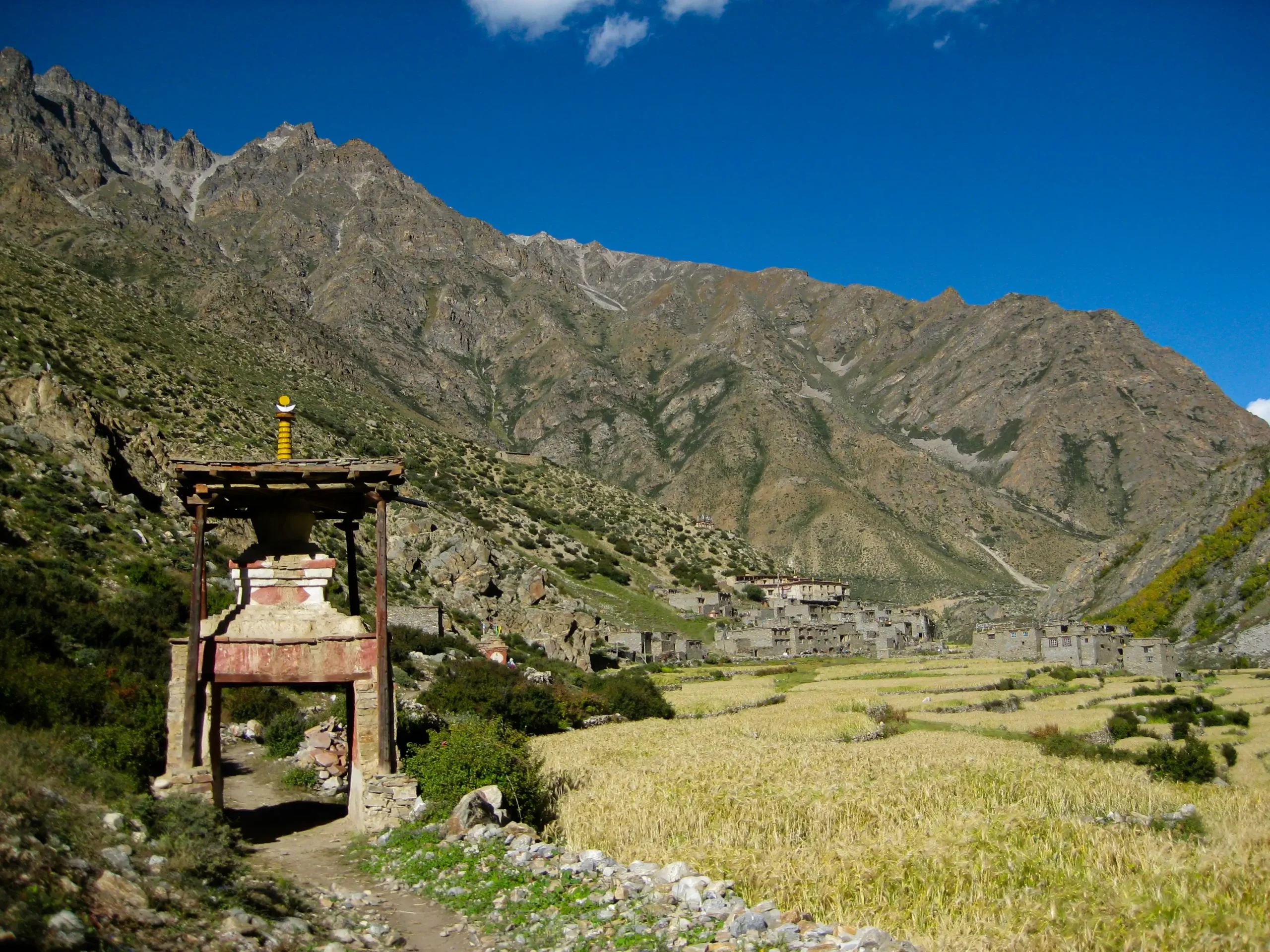
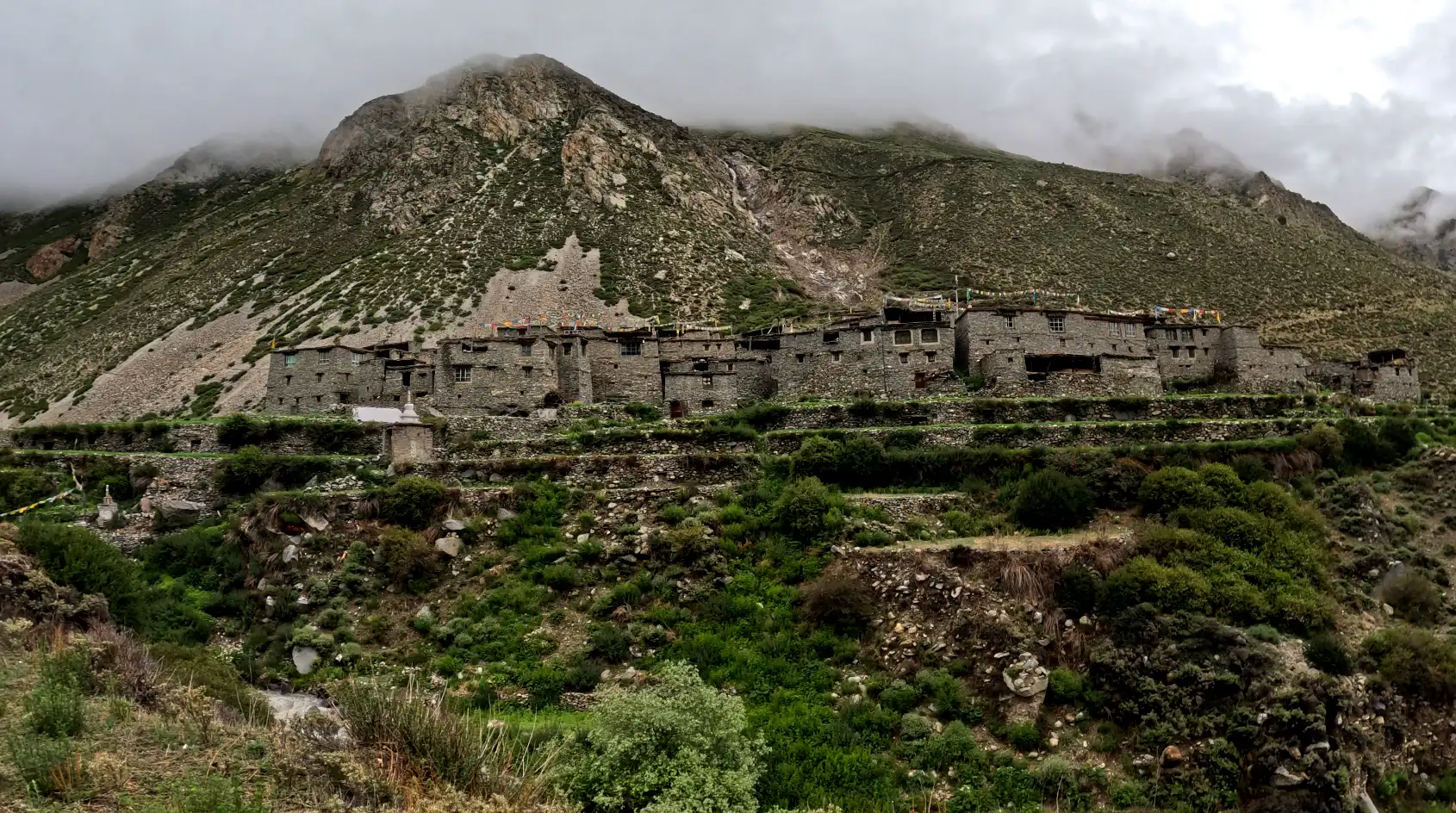
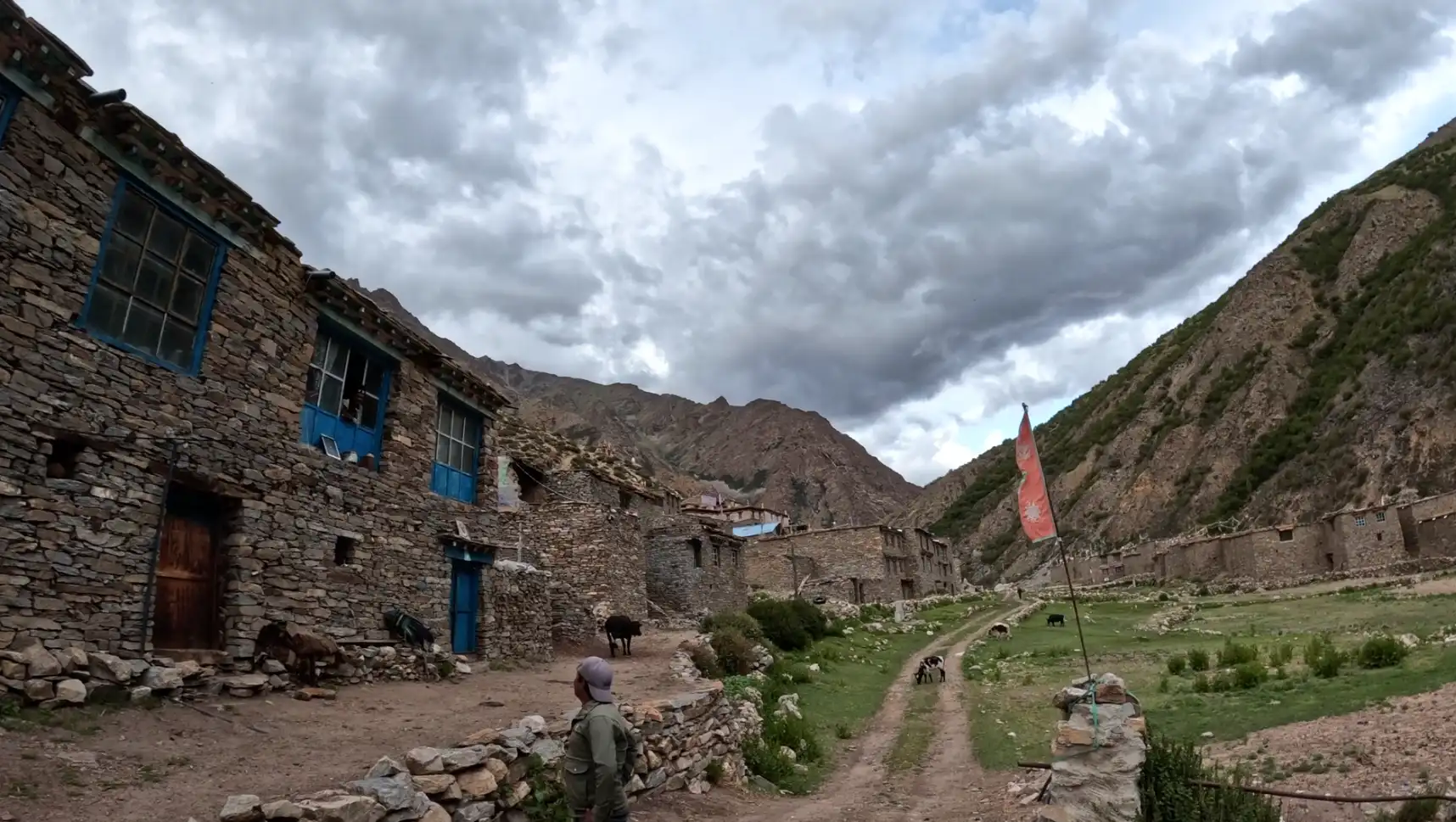
After approximately five hours of trekking, you arrive in Til Village (4,100m), the first major settlement in the Limi Valley. Til is known for its traditional stone houses, narrow village lanes, and centuries-old Tibetan Buddhist heritage. Walking through the village offers a glimpse into a way of life that has remained remarkably well preserved despite the region’s remoteness. You will have time to explore the settlement, observe daily village life, and visit local religious sites while enjoying views of Mandun Himal rising above the valley.
Trek from Til to Halji Village (3,700m)
Today you will trek from Til to Halji Village (3,800m) in the beautiful Limi Valley. The trek is three hours. You’ll start on a nice, gentle one-hour descent, then walk for two hours mostly flat on the floor of the valley. All the while, you will continue to enjoy views of the higher peaks of the Himalaya, the expansive valleys below you, and settlements of the region that highlight what makes this region of Humla special for trekking.
Halji is the middle village of the three main villages in Limi Valley, comprising an estimated 80 households. Halji is a tranquil village that acts as a center for traditional Tibetan culture. The main attraction in Halji is the 10th to 11th century Halji Rinchen Ling Monastery established by the translator of the Tibetan texts, Rinchen Zangpo. This ancient Drikung Kagyu Buddhist monastery contains murals, statues, and artifacts that are in stunning condition and allow you to see the majority of the Tibetan spiritual world intact and hundreds of years old. Trekking through this preserved site is highly respectful and small donations to support the monks and monastery which is highly encouraged.
While in Halji, you’ll have time to explore the village, walk through traditional houses, and meet the warm, welcoming locals. Observing the daily life and unique customs in this remote Humla region provides an authentic cultural experience that few other places can offer.
Trekking Halji to Jang Village (3,920m)
On this day you will be travelling from Halji to Jang Village (3,920m). You should expect this to take about four hours of hiking, and the elevation gain will be gradual, as you will be following the right bank of the Limi River, while traversing through wide valleys, high altitude pastures, and stunning views of the Himalayas. Feel free to enjoy the tranquility of the surroundings and the untouched beauty of this remote place.
Jang Village is small and peaceful. Over the years many families have moved from the high mountains to lower altitudes or towns. Thus, there are very few families that remain in Jang village. It has the feeling of being remote and untouched. The Buddhist monastery in Jang village is still functioning and is an important aspect of village life. You will have the opportunity to walk around, explore, visit the monastery, and participate in the unique traditions of this high Himalayan community.
After your trek today you will be camping for the night in Jang village with the comforting backdrop of the mountains and the gentle sound of the Limi River flowing nearby.
Trek from Jang to Nyalu Base Camp in Talung Valley (4,200m)
Today, you will trek from the settlement of Jang to Nyalu Base Camp, located at the far end of the Limi Valley in Talung Valley, which will take about six hours, ideally passing through high-altitude pastures and landscapes of drama typical of the Himalayas. Along the way, you will have a stop at a stunning highland lake.
You will take lunch near the small settlement of Thakche, rewarding view of the Ardang La one of the most stunning peak of the valley, where you will eventually stop at a bridge which crosses the Thakche Khola. Shortly after reaching Thakche, you will encounter the Nying Khola, which can be crossed in one of two different ways; if the water level is shallow then you can wade across, or alternatively, one can take a 1½ hour detour to a bridge nearby. Either option will allow you to pleasantly enjoy the surroundings and wilderness of this remote area of Humla.
After the trek through to the valley you will arrive at Nyalu Base Camp / Talung Valley (4,200m), where you can rest and enjoy the ambiance of the Talung Valley amongst the festooning landscape of Himalayas mountains.
Trek from Talung to Tsongsa (3,900m) over Nyalu La Pass (5,000m)
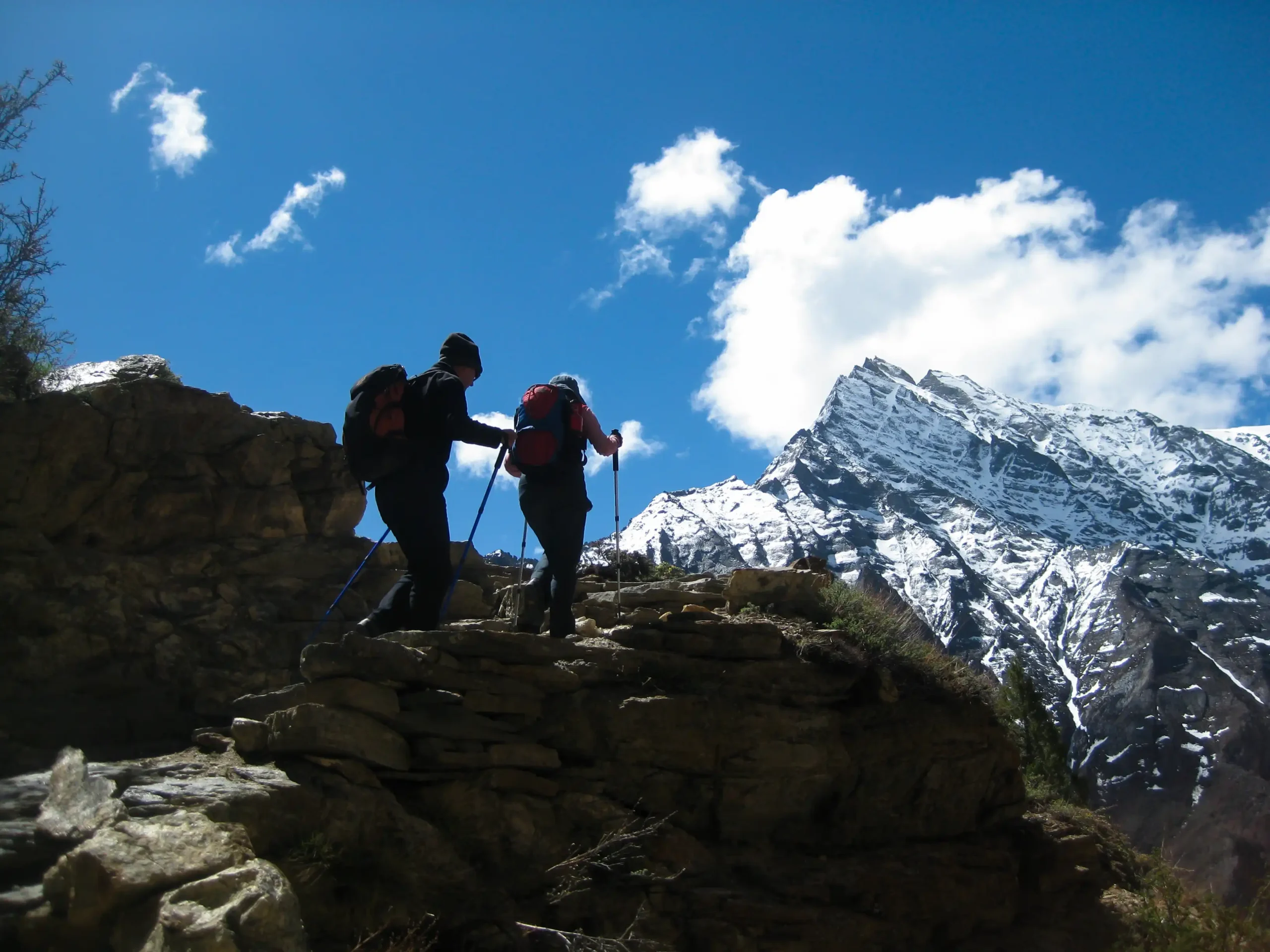
Today is the most challenging and rewarding day of the Humla Limi Valley Trek as you cross Nyalu La Pass (5,000m), the highest point of the entire journey. After an early start from Nyalu Base Camp, the trail steadily ascends through rugged alpine terrain, glacial moraines, and high-altitude ridges shaped by centuries of wind and ice.
As you climb higher, the landscape opens dramatically, revealing sweeping views of the remote Himalayas of Humla and the vast Tibetan Plateau beyond. On clear days, trekkers may even witness distant views of Mount Kailash, one of the most sacred peaks in the Himalayan region, adding a powerful spiritual dimension to the journey.
Reaching Nyalu La Pass is a defining moment of the trek. Prayer flags mark the summit, where you can pause to take in one of the most spectacular panoramas in western Nepal. This is the highest altitude point of the Humla Limi Valley Trek, making it a true milestone for trekkers.
From the pass, the trail descends carefully toward the stunning Seliman Lake (4,570m), a hidden turquoise alpine lake surrounded by dramatic mountain peaks. The reflection of the sky on its crystal-clear waters creates one of the most beautiful landscapes in the entire Limi region, offering a perfect place for rest and photography.
After a short break at the lake, the descent continues through rocky slopes and open valleys before reaching Tsongsa (3,900m), a peaceful campsite nestled in the high Himalayas.
Trekking from Tsongsa to Langdok Base (3800m)
As you trek deeper into the valley, you will encounter summer pasture camps of the villagers of Chyadok and Dinga. In good weather, the local herders will bring in their yaks, goats, and sheep to graze, resulting After breakfast, you will leave Tsongsa and begin your trek to Langdok Base (3,800m)along a pleasant trail through heart of the Zhetse Valley. You’ll first cross the Tsongsa River, and will subsequently follow the left bank of the Zhetse Khola, through open meadows and cliff and rock formations. This area is undeveloped and wild, and you truly feel a sense of isolation and remoteness.
in a vibrant yet tranquil setting in the backcountry. You will find that hanging out around the camps allows you to appreciate the traditional herding lifestyle that has defined Humla for generations.
You will continue further up the river and further up in elevation, taking in all of the spectacular beauty of the high valley until you arrive at Langdok Base or Dinga Herders’ Camp. It’s a peaceful campsite amongst alpine terrain, so it’s a great location to relax and reflect in the vast wilderness of northwestern Nepal.
Trek from Langdok Base to Digha Lagna (3,600m)
This day you will descend from the Langdok Base through the breathtaking Chumsa Khola Valley, through mixed terrain of alpine and woodland. The trail gradually winds down through the dense pine and birch forest with scenic views of the Humla Karnali river flowing far below. After a few hours you will arrive at a fork in the trail — the right route leads into Simikot via Kermi, and the left continues toward Digha, which will be your path.
After this point, the path quickly turns east and it soon steepens as it begins to climb with the ridge through the dense pine forest and river stream. The climb continues but becomes less aggressive as you crest the high ridge at 4220m. After descending a short distance your next climb at a slightly less aggressive incline reaches you to Langdok Lagna Pass at 4550m. The views out from the pass are broad and breathtaking across the remote Humla hills and deep valleys.
After leaving the pass the path undulates downward mostly downhill with a few gentle ups and downs through oak, birch, and rhododendron forests sprinkled with some fern and wildflowers you will notice the air is warmer and rich with the smell of trees and the altitude has gained depth slicing into the air. Eventually you will arrive at Digha Lagna 3,600m and you will pitch camp for the night.
Trek from Digha Lagna to Simikot (2,910m)
Today is the last day of your trek as you will follow the newly cut jeep trail as it descends very gently to Simikot from Digha Lagna. Communities of Hapka, Tangin, and Aul Digha will stretch past your periphery as you see settlements, stone houses, and mani walls. You are walking through an undisturbed area of Humla.
As you move downward, you will reach the Hapka Khola which you will cross over a metal bridge. After crossing the bridge, the trail takes a steep climb uphill to the Thakuri village of Okhreni. The village is located on a ridge with commanding views of the valleys below. From there, the jeep trail continues to gradually descend through ridges and wooded hills you will eventually arrive at Simikot Lagna overlooking the Nyinba Valley. Then it is a final easy descent into Simikot, where a hot shower, a warm bed, and a big meal awaits you. It will be a perfect way to end your incredible journey into the Limi Valley!
Fly to Nepalgunj from Simikot and back to Kathmandu
Following your unforgettable trek in Limi Valley, you will fly from Simikot to Nepalgunj in a short flight in the morning. After arriving, there should be some time to relax and grab lunch before your connecting flight back to Kathmandu. This day is more travel than anything else; a chance to relax, reflect and enjoy the scenery from the air.
Shopping and relaxing in Kathmandu
Today in Kathmandu is your rest day, allowing you to recharge from your trek. You can experience the bustling streets of Thamel, buy souvenirs, handicrafts, or trekking gear, and take in the city’s surroundings. It is also a great time to sit back, enjoy a local café, or walk through nearby temples and cultural sites at your own leisure.
Departure from Nepal
Your time in Nepal comes to an end today. Depending on your flight time, you will be taken from your hotel to Kathmandu’s Tribhuvan International Airport for your ownward flight. You leave here with unforgettable memories of the Limi Valley trek, its remote villages, stunning Himalayas, and the hospitality of the people you met during your journey.
Not quite satisfied with this itinerary?
No worries – every traveler has unique preferences, and we’d be happy to adjust the plan to match your style, comfort, and interests. Let us know what you’d like to add or change, and we’ll create a journey that feels truly yours.
Customize TripCost Includes
- All airport transfers
- Accommodations in Kathmandu twin share with breakfast
- 1 night Twin sharing basis hotel in Nepalgunj with Dinner.
- Guide, cook and kitchen support staff.
- Mules or porters for luggage on the trekking.
- All meals during the treks, Simikot to Simikot.
- All camping and cooking equipments.
- All camping Charges.
- Clients Airfare Kathmandu / Nepalgunj / and return to Kathmandu.
- Humla restricted area permit fee.
- All travel expenses for Nepali staffs.
- DDC tax.
- 1 days sightseeing in Kathmandu (Boudhanath, Pashupatinath and Bhaktapur).
- Transport for sightseeing.
- Sightseeing guide.
Cost Excludes
- Insurance for Clients and Emergency Rescue and medicines and medicals.
- Sightseeing entrance fees in Kathmandu.
- Personal beverages.
- Lunch and dinner in Kathmandu.
- Domestic access baggage charge weight limit is 15 kg.
- Sleeping bag & mattress during trip.
- International flights.
- Extra services and nights of accommodations if needed.
- Extra nights at Nepalgunj due to flight cancelations.
- Any extra flight charters or flight upgrades
- Tips
Additional Informations
Accommodation
Due to the remote and isolated nature of the Limi Valley, accommodation is fully camping-based from Simikot onward. Here’s a breakdown:
Kathmandu & Nepalgunj: Comfortable hotels with modern amenities.
Simikot: Simple local guesthouse or lodge before the trek begins.
Beyond Simikot (Dhinga to Hilsa and back): Tent camping in scenic natural settings. All camping gear, including sleeping tents, kitchen tents, and dining tents, is provided. Meals are freshly prepared by an experienced trekking cook, using locally sourced organic products when available.
Expect a warm and hospitable environment, with a dedicated crew ensuring cleanliness, comfort, and local flavors throughout your high-altitude adventure.
Trip Gallery
Trip FAQs
1. What is the Humla Limi Valley Trek in Nepal?
The Humla Limi Valley Trek is one of Nepal’s most remote and authentic off-the-beaten-path treks in the Humla district, near the Tibetan border. This hidden gem offers ancient Tibetan Buddhist culture in villages like Halji, Til, and Jang, dramatic high passes (Nara La 4,580m & Nyalu La 5,000m), distant views of sacred Mt. Kailash, and pristine Karnali River gorges. It’s ideal for adventurers seeking true wilderness and cultural immersion away from crowded routes. Ready to experience Nepal’s untouched side? Contact Firante Treks for your personalized Limi Valley Trek itinerary.
2. How difficult is the Humla Limi Valley Trek?
The Humla Limi Valley Trek is considered moderate to challenging. It involves 5–7 hours of walking daily on rugged trails, crossing two high passes (up to 5,000m), and camping in remote areas. Previous trekking experience and good physical fitness are recommended due to altitude, long days, and basic facilities. Proper acclimatization helps avoid issues. Firante Treks provides experienced guides to ensure a safe, enjoyable journey. Inquire now for fitness tips and training advice.
3. What is the best time to do the Humla Limi Valley Trek?
The best time for the Humla Limi Valley Trek in Nepal is spring (March–May) and autumn (September–November), when the weather is clear, the trails are dry, and the views are stunning. Some sources note it’s possible in summer/monsoon (June–August) as Humla is a rain-shadow area with less rain. Winter (December–February) brings heavy snow and closed trails. For the clearest skies and safest conditions in 2026, plan for autumn. Book early with Firante Treks as spots are limited in this restricted area.
4. What permits are required for the Humla Limi Valley Trek?
The Humla Limi Valley Trek is located in a restricted area of northwestern Nepal and requires special permits before trekking. The main requirement is the Humla Restricted Area Permit (RAP), which must be arranged through a registered trekking agency.
In addition to the restricted area permit, all foreign visitors must hold a valid Nepal tourist visa. Permit regulations and fees may change over time, so it is advisable to confirm the latest requirements before your trip.
Firante Treks handles all permit applications and trekking logistics for the Humla Limi Valley Trek, ensuring that you have the necessary documentation for a smooth and hassle-free adventure in one of Nepal’s most remote Himalayan regions.
5. Can I do the Humla Limi Valley Trek independently?
Solo travelers can now obtain permits for the Humla Limi Valley Trek and trek on their own itinerary. However, independent trekking without a licensed guide is still not permitted in the Humla restricted area.
All permits must be arranged through a registered trekking agency, and a licensed guide is required throughout the trek. Porters and camping support are optional but highly recommended due to the remote nature of the route.
Firante Treks arranges permits, experienced guides, camping logistics, transportation, and customized itineraries for both solo travelers and small groups.
6. How long is the Humla Limi Valley Trek itinerary?
The standard Humla Limi Valley Trek itinerary typically takes 17–20 days, including flights between Kathmandu, Nepalgunj, and Simikot. The duration allows time for acclimatization, crossing high mountain passes such as Nara La and Nyalu La, and exploring the traditional Tibetan villages of Halji, Til, and Jang.
Some trekkers choose to extend the Humla Limi Valley Trek to spend more time in local communities or combine the journey with a visit to Mount Kailash and Lake Manasarovar in Tibet. The exact itinerary can be customized depending on your interests, fitness level, and available travel time.
7. What are the highlights of the Humla Limi Valley Trek?
The Humla Limi Valley Trek is one of Nepal’s most remote and culturally rich trekking adventures. Highlights include authentic Tibetan culture in the traditional villages of Halji, Til, and Jang, visits to the ancient Halji Rinchen Ling Monastery, and spectacular crossings of Nara La Pass and Nyalu La Pass with distant views toward Mount Kailash.
Trekkers also experience dramatic Karnali River gorges, centuries-old salt trade routes, nomadic yak herding communities, and opportunities to spot Himalayan wildlife such as blue sheep and snow leopards. As a true off-the-beaten-path trek in Nepal, the Humla Limi Valley Trek receives only a small number of visitors each year, making it an ideal choice for travelers seeking wilderness, culture, and authentic Himalayan experiences.
8. Is the Humla Limi Valley Trek suitable for beginners?
The Humla Limi Valley Trek is considered a moderate to challenging trek and is not generally recommended for complete beginners. The route reaches altitudes of around 5,000 meters, includes long walking days, and involves camping in one of Nepal’s most remote trekking regions.
However, physically fit travelers with experience on multi-day hikes can complete the Humla Limi Valley Trek with proper preparation, acclimatization, and the support of an experienced guide. Regular cardio training, hill walking, and endurance exercises before the trip can greatly improve your trekking experience.
Firante Treks includes acclimatization days, experienced guides, and full logistical support to help trekkers safely enjoy this remarkable Himalayan adventure.
9. How much does the Humla Limi Valley Trek cost?
The cost of the Humla Limi Valley Trek depends on factors such as group size, trek duration, transportation, permit fees, and the level of support included. Most fully supported Limi Valley Trek packages include domestic flights, restricted area permits, licensed guides, camping equipment, meals, and logistical support throughout the journey.
As one of Nepal’s most remote restricted area treks, the Humla Limi Valley Trek generally costs more than popular teahouse routes due to its complex logistics and camping requirements. For the most accurate and up-to-date pricing, contact Firante Treks for a customized quotation based on your travel dates, group size, and preferred itinerary.
10. Can I combine the Humla Limi Valley Trek with Mt. Kailash?
Yes. The Humla Limi Valley Trek can be combined with a journey to Mount Kailash, creating one of the most rewarding cultural and spiritual adventures in the Himalayas. Many trekkers extend their trek from Hilsa, Nepal’s border crossing with Tibet, to continue toward the sacred Mount Kailash and Lake Manasarovar.
During the Humla Limi Valley Trek, trekkers may enjoy distant views toward Mount Kailash from Nyalu La Pass on clear days. For those seeking a deeper pilgrimage or exploration of the trans-Himalayan region, the trek can be extended to include the Mount Kailash Kora and visits to Lake Manasarovar in Tibet.
This combination offers a unique blend of remote Himalayan trekking, ancient Tibetan culture, and one of Asia’s most revered pilgrimage destinations.
You may also like

Everest Base Camp Trek
Everest Base Camp Trek: Experience the ultimate Himalayan adventure with breathtaking views of Mount Everest, Sherpa culture, and iconic monasteries. Perfect for thrill-seekers and nature lovers. Trek safely with proper acclimatization, expert guides, and essential gear.
Lukla to Namche Trek
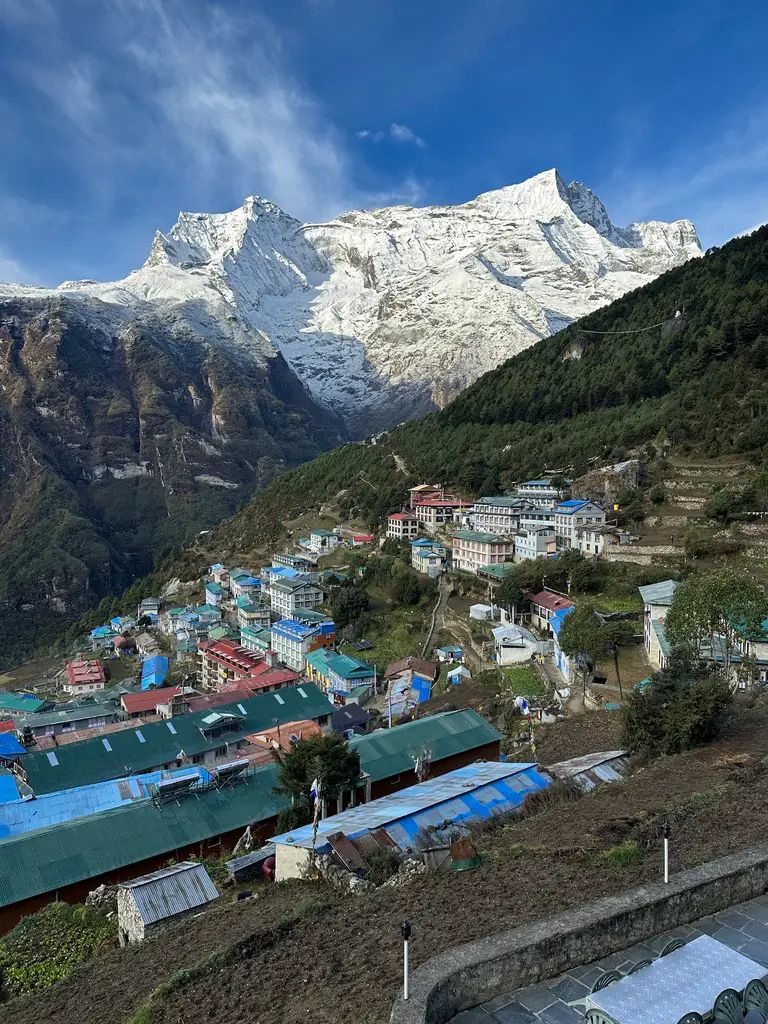
The Lukla to Namche Trek is where many Everest journeys begin, but it is also a complete journey on its own. You fly into...
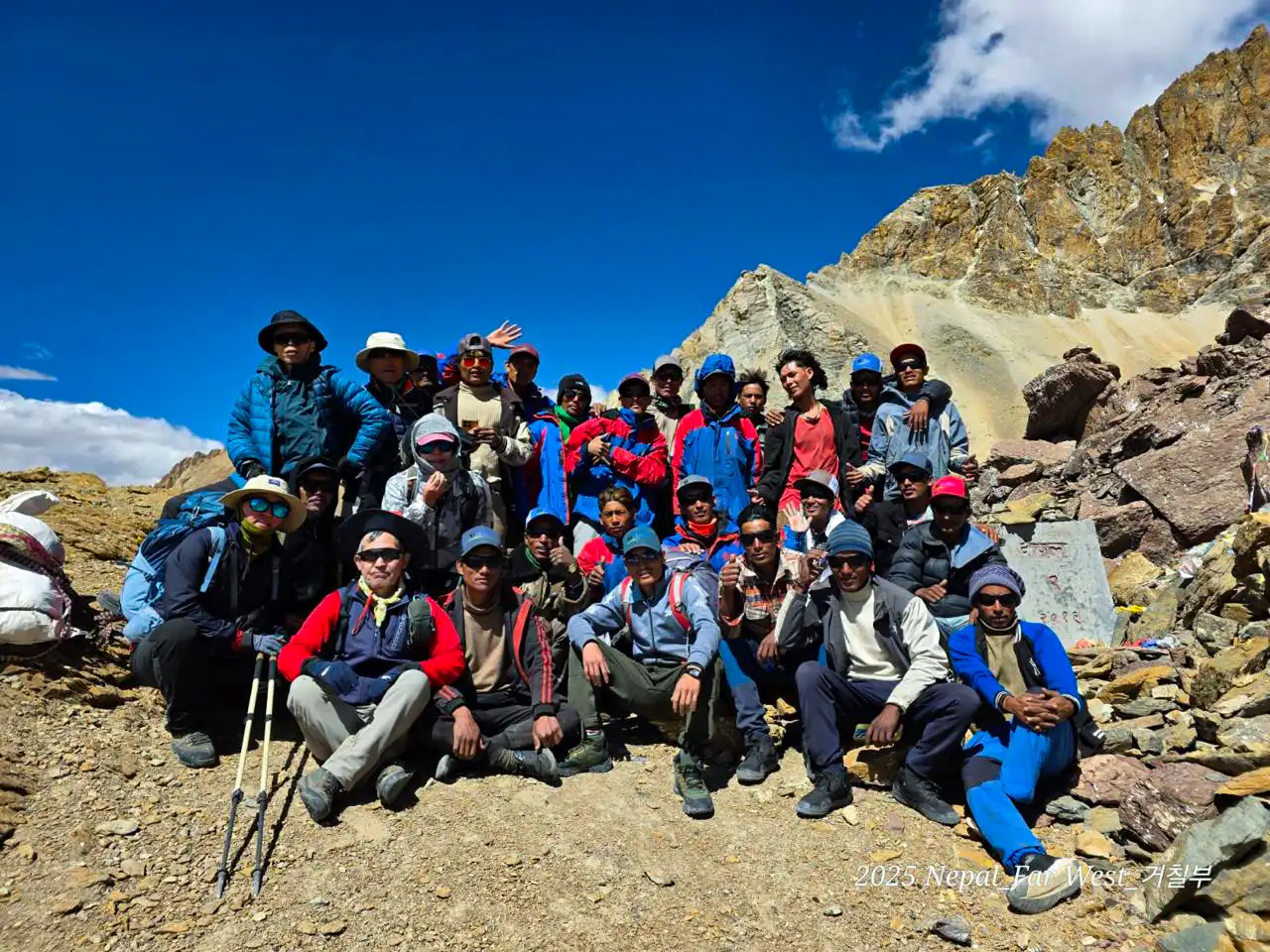
Nepal Has Two Faces. Most Trekkers Only See One. Everyone knows Everest Base Camp. Everyone has seen the photos of the Annapurna Circuit. They...
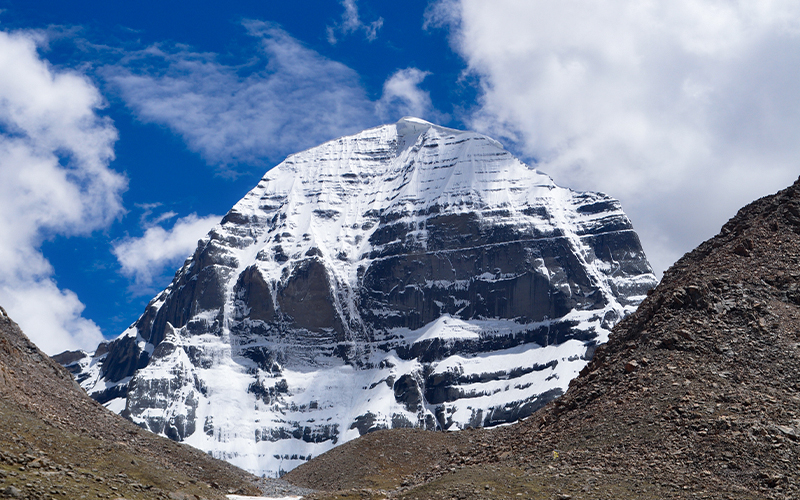
Kailash & Upper Humla Circuit Trek 2026: Start your spiritual journey to Mount Kailash and the remote Upper Humla region. Experience breathtaking Himalayan landscapes, unique Tibetan culture, and untouched wilderness. Trek safely with proper acclimatization, local guides, and essential gear for an unforgettable Kailash Yatra 2026.
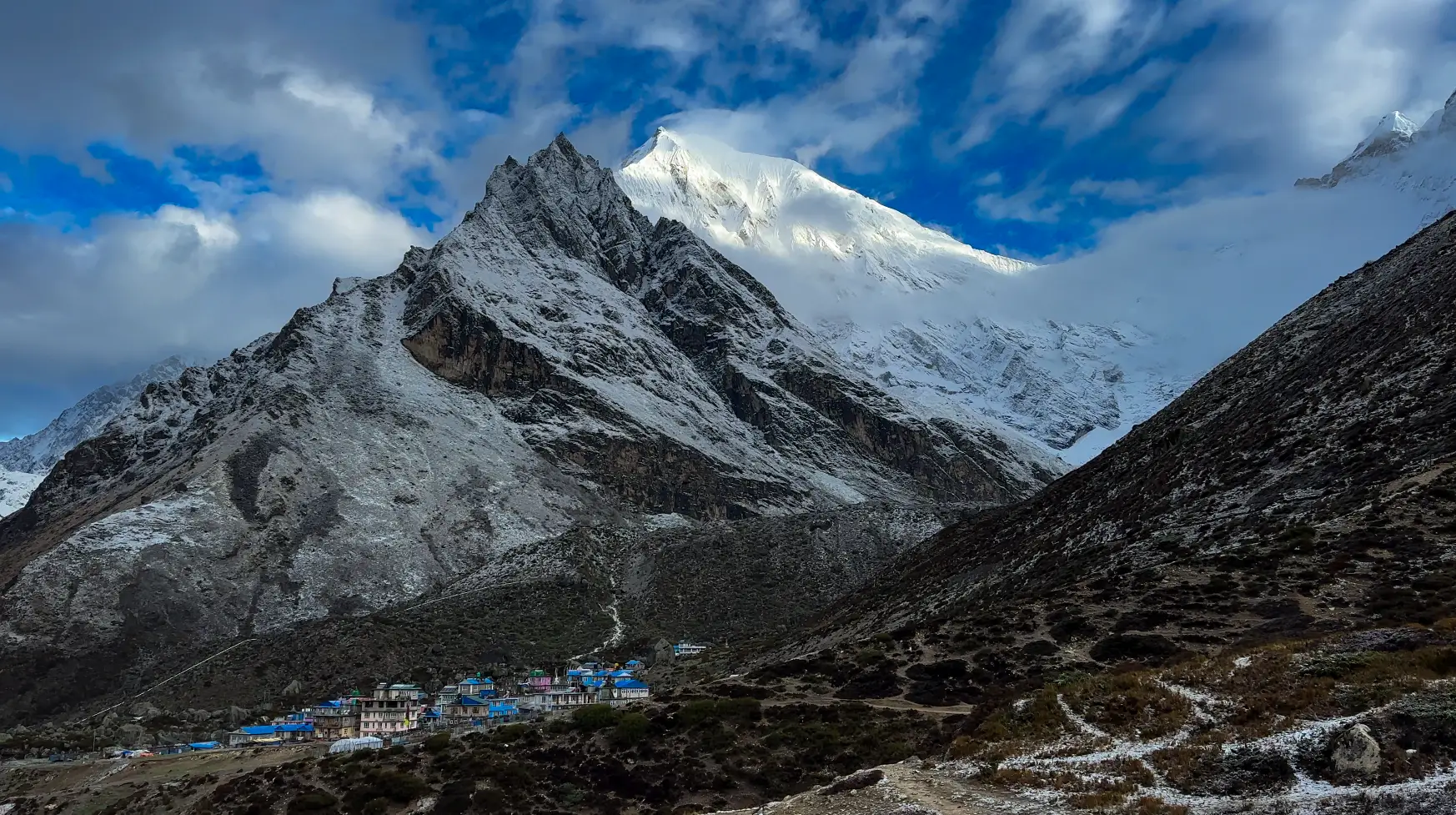
Langtang Valley Trek
Overview The Langtang Valley Trek is one of Nepal’s most beautiful and accessible Himalayan journeys. Nestled just north of Kathmandu, the valley combines stunning...
