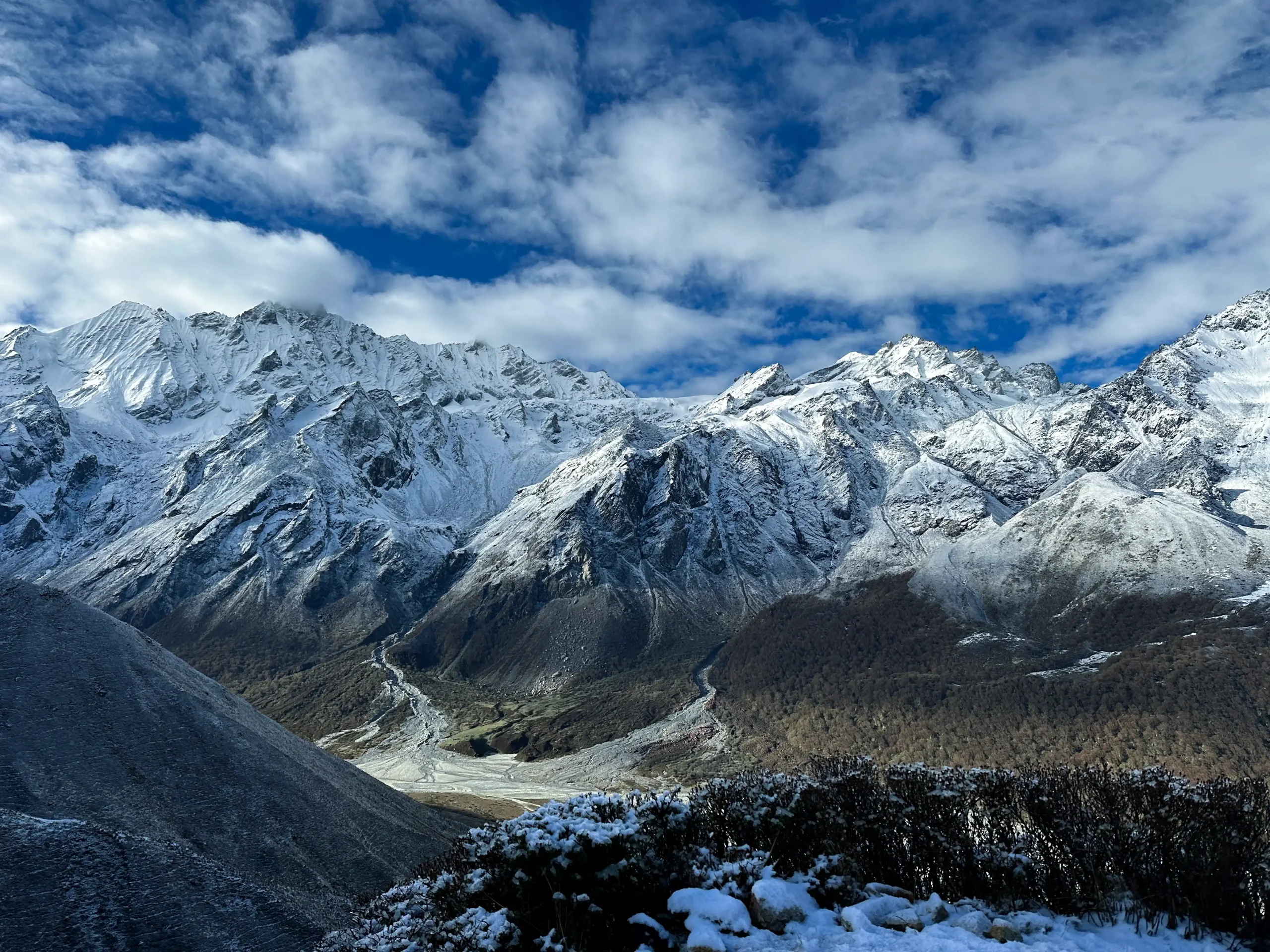
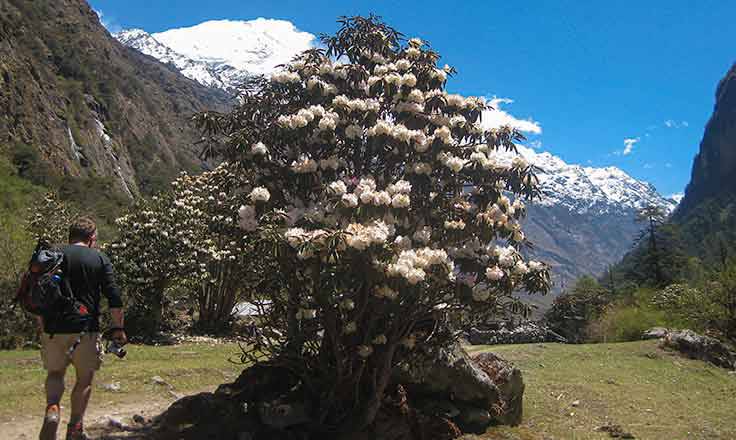
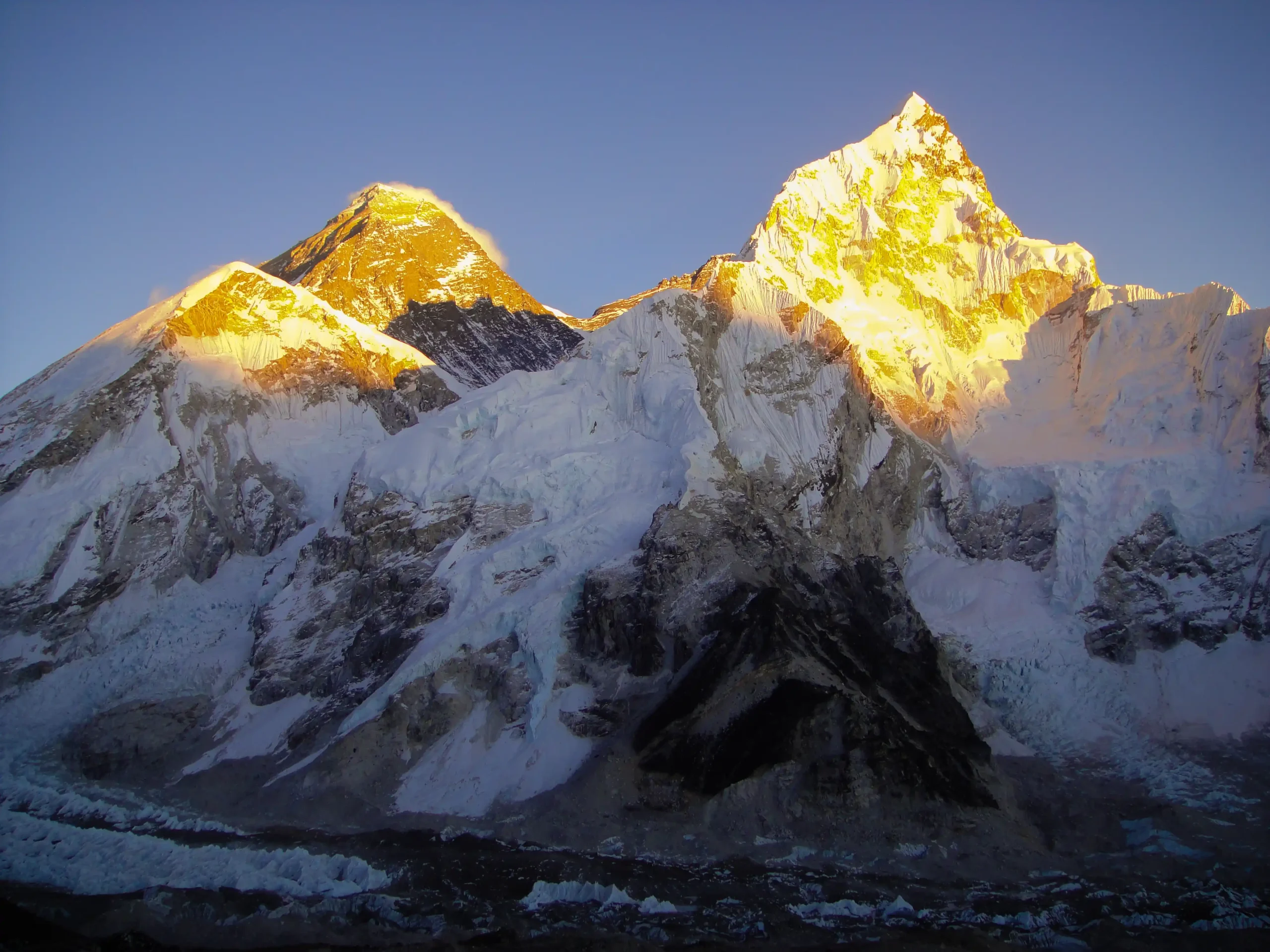
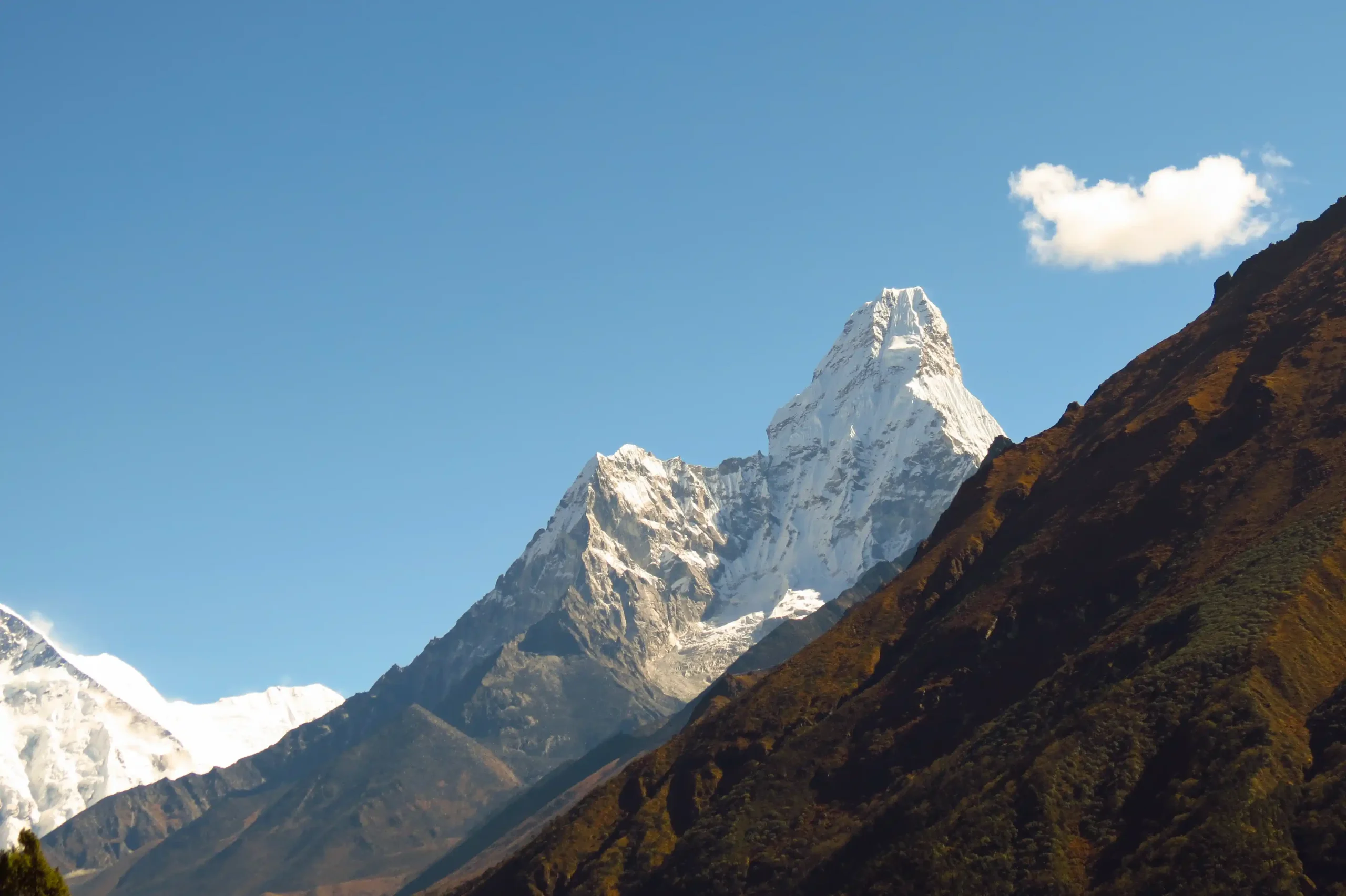
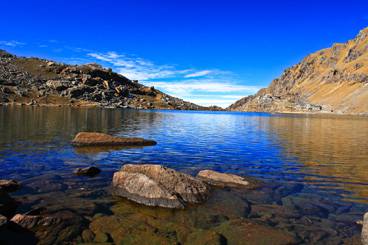
The Upper Dolpo Trek is widely regarded as one of the most challenging, culturally immersive, and least-visited trekking routes in Nepal. Located in the far northwest of the country, between the mighty Dhaulagiri range and the Tibetan Plateau, Upper Dolpo offers a unique high-altitude desert landscape that feels strikingly different from the rest of the Himalayas.
Because it lies in a complete rain shadow and remains a restricted area, only a small number of trekkers reach here each year. Those who do often describe it as a once-in-a-lifetime experience, a journey into ancient Bon-Buddhist traditions, dramatic wilderness, and genuine Himalayan solitude.
Where Is Upper Dolpo and What Makes It So Special?
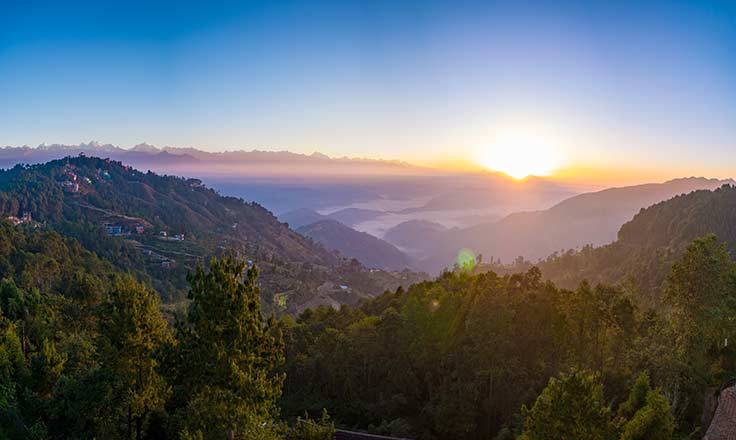
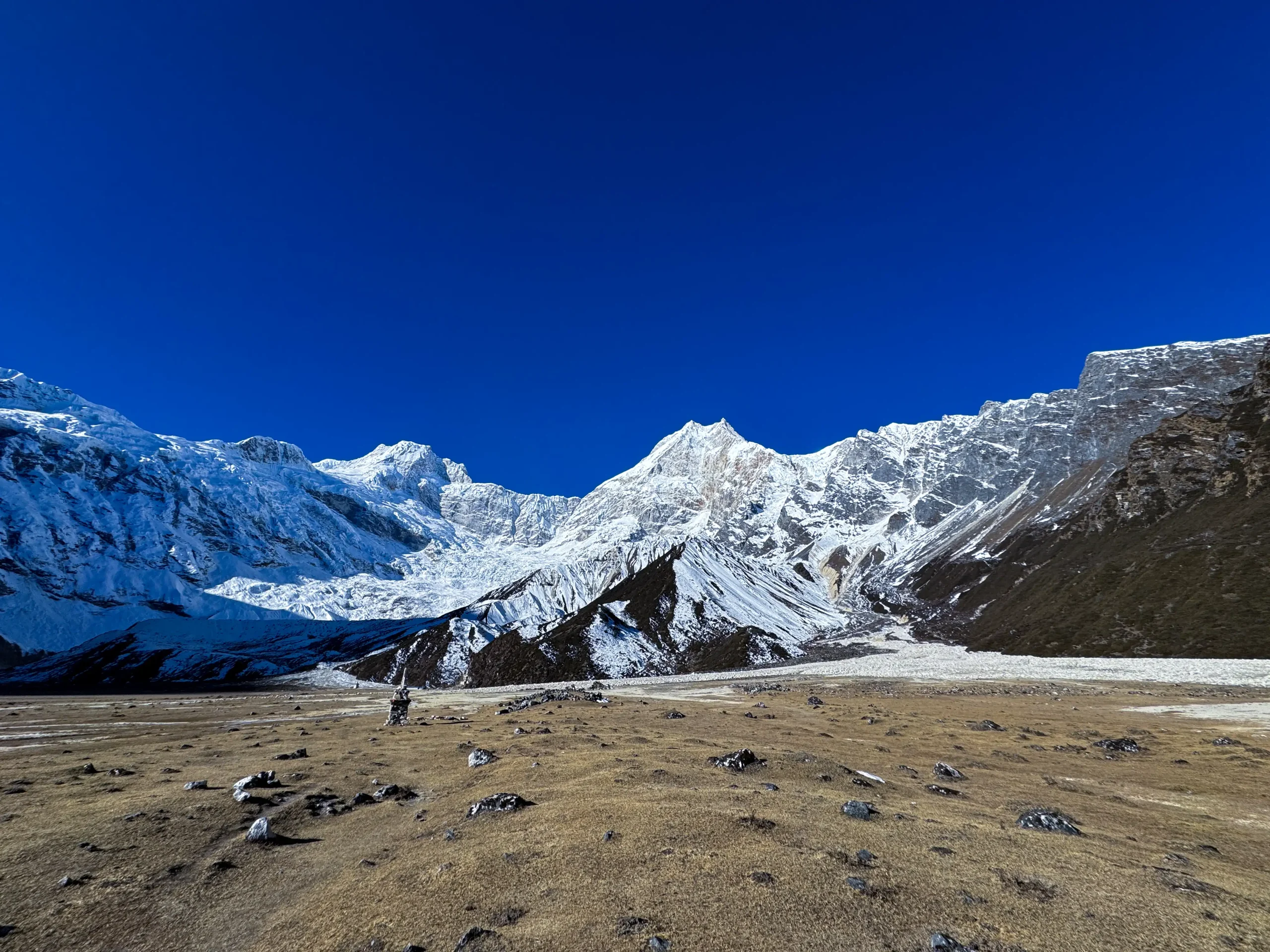
Upper Dolpo is located in Karnali Province, hidden behind the Dhaulagiri and Annapurna ranges. The high mountain walls block the monsoon rains, creating a barren, high-altitude desert above 4,000 meters. The region was completely closed to foreigners until 1989, and even today, independent trekking is not permitted. All trekkers must obtain a special Upper Dolpo Restricted Area Permit and travel with a registered agency like Firante Treks.
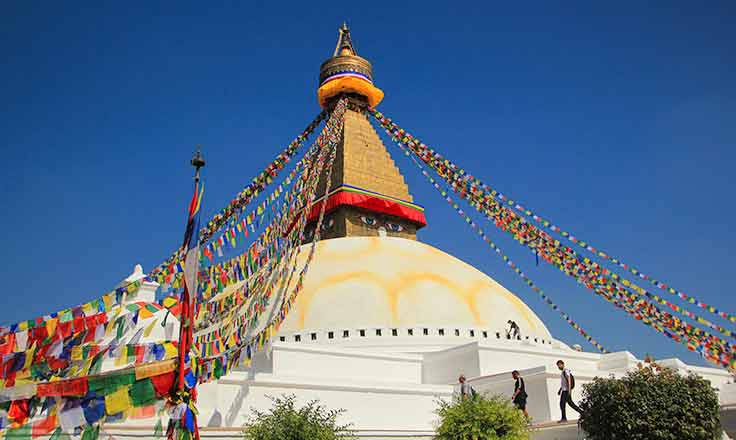
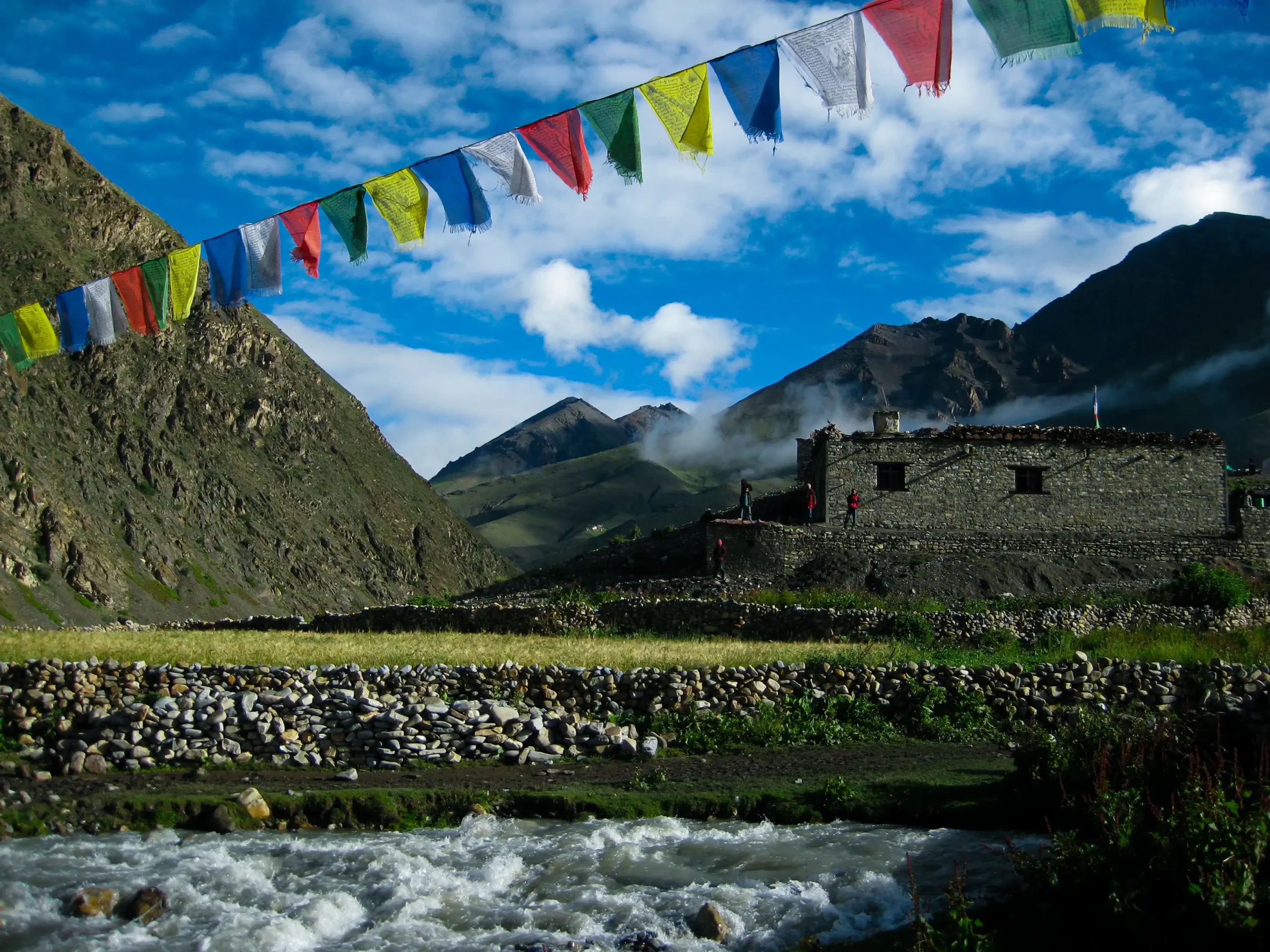
The local Dolpo-pa people have preserved their traditional Tibetan-influenced lifestyle for centuries. They speak their own dialects, practice seasonal migration with yak herds, grow barley on terraced fields, and follow a unique blend of Tibetan Buddhism and the ancient Bon religion. This deep cultural isolation is what makes every encounter here feel authentic and powerful.
Shey Phoksundo Lake: Nepal’s Deepest Lake
One of the most beautiful highlights of the trek is the dramatic arrival at Shey Phoksundo Lake (3,611 m). Nepal’s deepest lake is famous for its vivid turquoise color that contrasts sharply with the arid, rocky surroundings. The trail approaches through the narrow Suli Ghat gorge, passing Nepal’s tallest waterfall (167 m). The small Bon monastery in Ringmo village adds a serene spiritual touch to this already stunning landscape.
Shey Gompa: The Spiritual Heart of Upper Dolpo
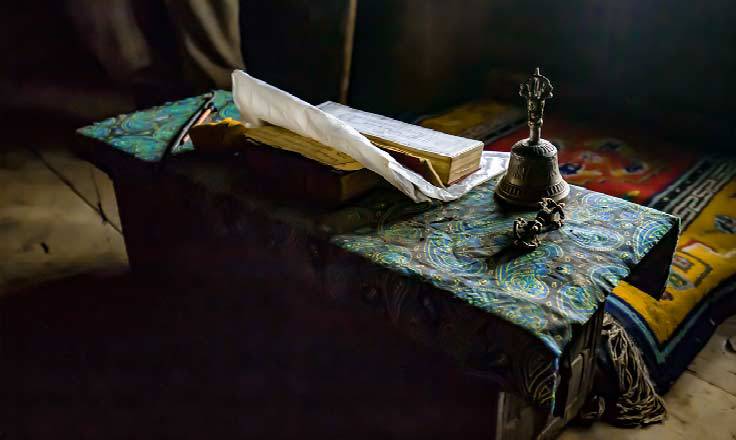
At the center of the trek lies Shey Gompa, an 11th-century monastery situated at the base of Crystal Mountain (Ribo Drukta) at approximately 4,200 meters. Legend says it was founded by the Tibetan master Drotob Senge Yeshe. The gompa contains ancient thangkas, sacred statues, and manuscripts revered by both Buddhists and Bon practitioners.
Crystal Mountain is considered Dolpo’s sacred peak, its own version of Mount Kailash. Pilgrims perform a kora (circumambulation) around the mountain to cleanse karma. Every 12 years, during the Tibetan Year of the Dragon, Shey Gompa hosts the rare Shey Festival. The most recent festival was held in 2024, with the next one expected in 2036.
The Three High Passes: What to Expect
The Upper Dolpo Trek involves crossing three demanding passes above 5,000 meters. These are long, tough days that usually require 7–8 hours of trekking. Starting early is essential to avoid afternoon winds.
| Pass Name | Altitude | Key Characteristics |
| Nagdalo La (Kang La) | 5,350 m | Long scree climb; marks the entry into inner Upper Dolpo; stunning views of Crystal Mountain |
| Shey La | 5,000–5,200 m | Gradual ascent across a high plateau; wide views toward Mustang and Tibet |
| Jeng La | 5,110 m | Often the most challenging pass, possible snow and ice, spectacular panoramic reward |
Bon-Buddhist Culture and the Hidden Villages of Dolpo
What truly sets this trek apart is the depth of cultural immersion. As a full camping trek, you walk straight through the daily life of communities that rarely see outsiders.
- Saldang: The largest and most important village in Upper Dolpo. Its stone houses, barley terraces, and ancient gompa offer a timeless Tibetan feel.
- Dho Tarap (4,070 m): A cultural bridge between inner Dolpo and lower valleys, with both Buddhist and Bon monasteries. A rest day here is highly recommended.
- Yangtser Gompa (Yangze Gompa): One of Dolpo’s least-known monasteries, perched on an open plateau. The sound of monks chanting in such isolation is an unforgettable experience.