



Trip overview
I’ve done this ride a few times now, and every single trip feels different—like the mountain itself decides what you’ll take home. Our Mount Kailash motorbike tour starts and ends in Kathmandu, but the real story begins the moment you cross into Tibet at Kerung. Over about 1,600 kilometres of riding—some days smooth, some days rough as hell—you’re heading straight to the heart of something ancient: Mount Kailash and the still, shining waters of Lake Manasarovar.
People have been coming here for centuries. Hindus see Kailash as Lord Shiva’s home; Buddhists, Jains, and Bon followers call it the center of the universe. Yet hardly anyone actually makes it. It’s just too far out there in western Tibet. That’s what makes this Kailash yatra by motorbike so special—you’re not just ticking off a destination. You’re earning it, one twist of the throttle at a time.
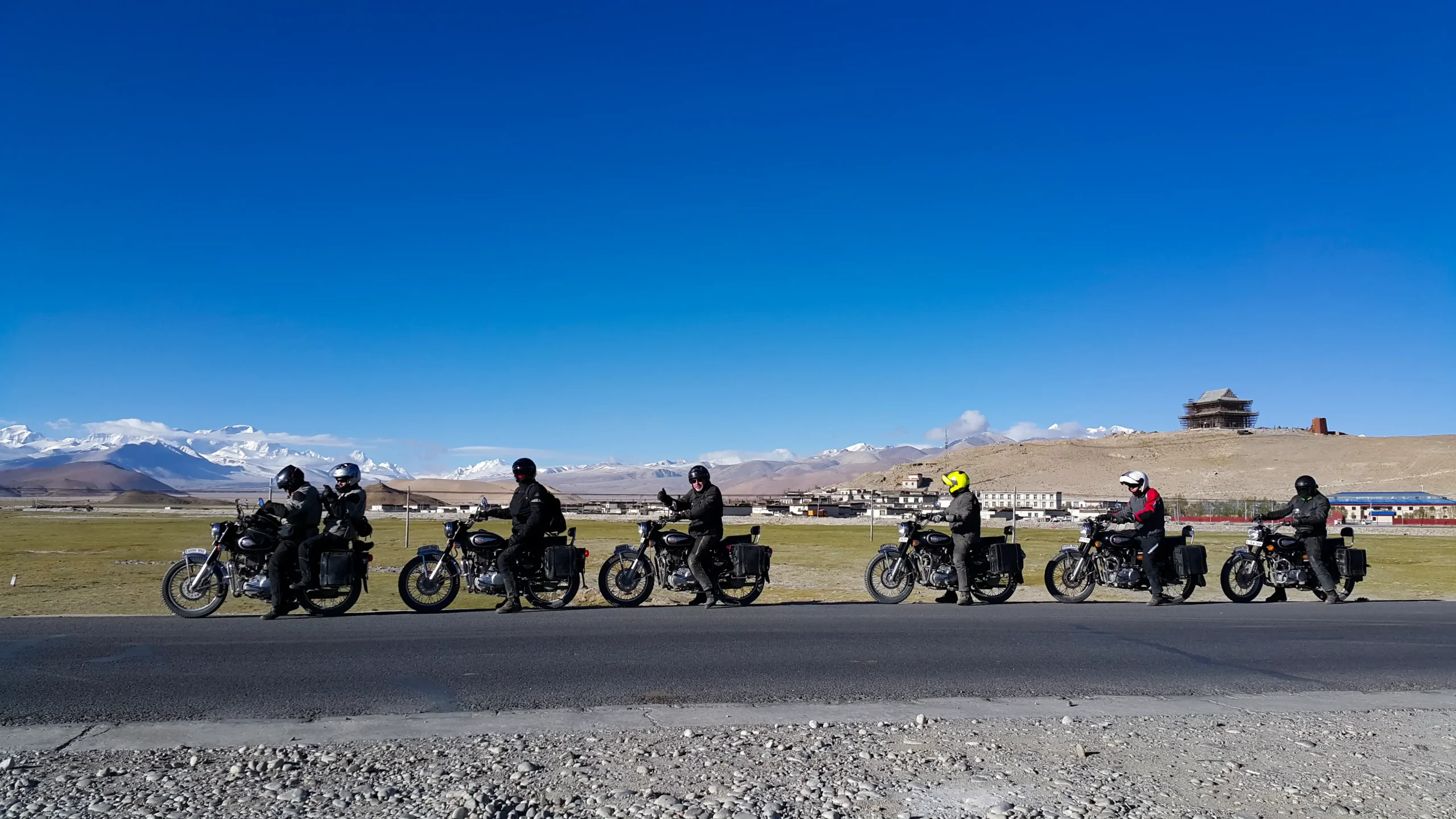
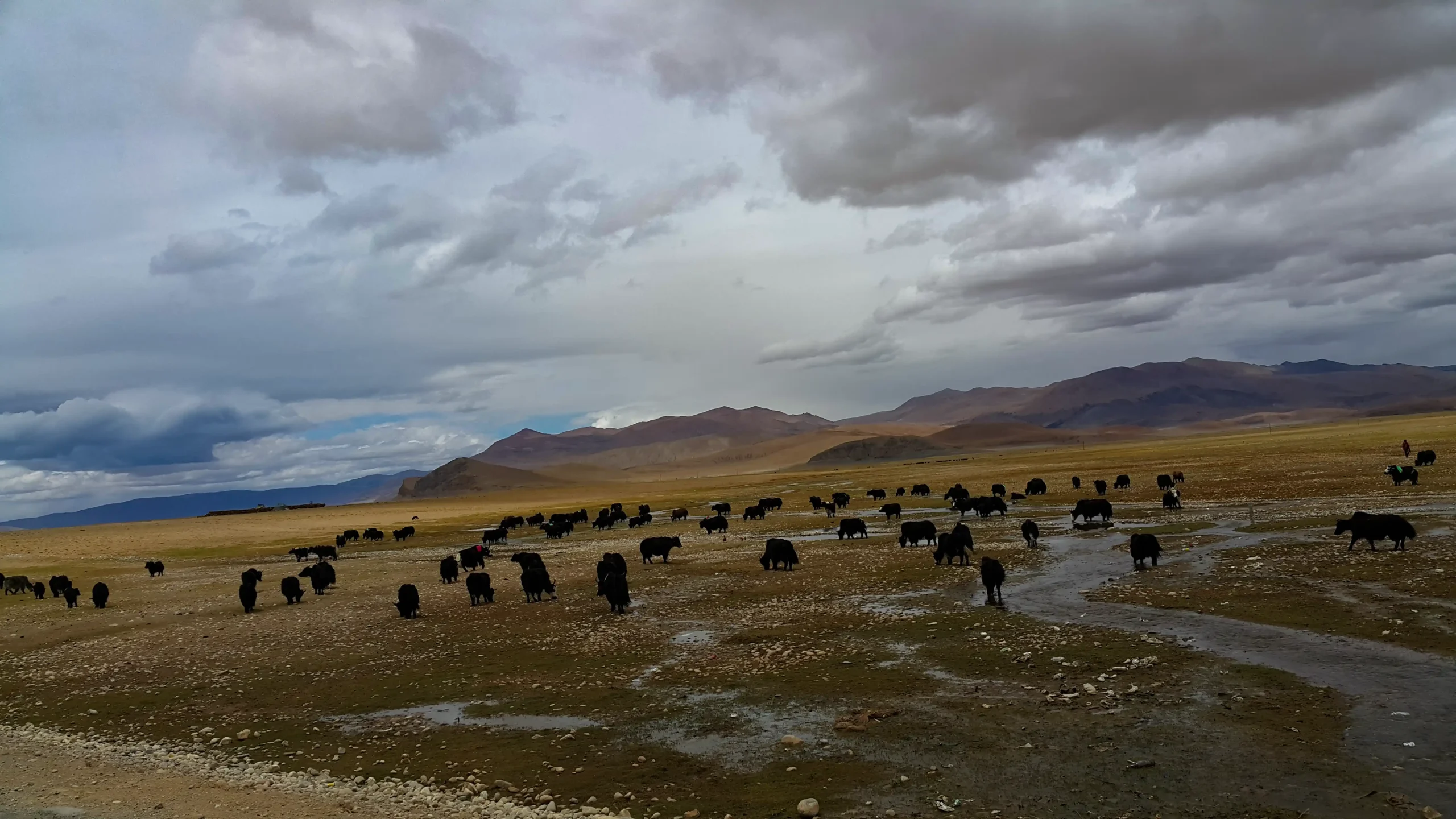
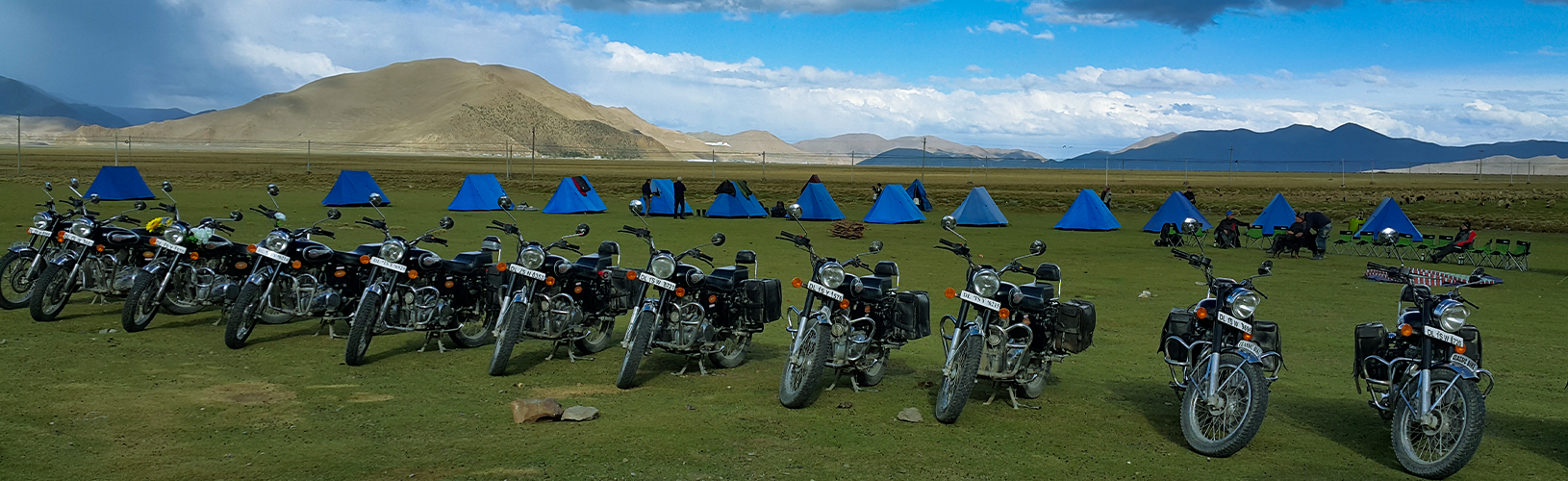
You’ll be on a Royal Enfield, the bike that was practically born for these roads. The route throws everything at you: tight Himalayan switchbacks, wide-open plateaus where the sky feels bigger than the land, stretches of desert that look almost lunar. One minute you’re waving at kids in Nepali villages, the next you’re sipping salt-butter tea with Tibetan nomads who smile like they’ve been waiting for you all day. Prayer flags snap overhead, yaks wander across the track, and every pass you crest gives you another jaw-dropping view of snow peaks and that impossible turquoise lake.
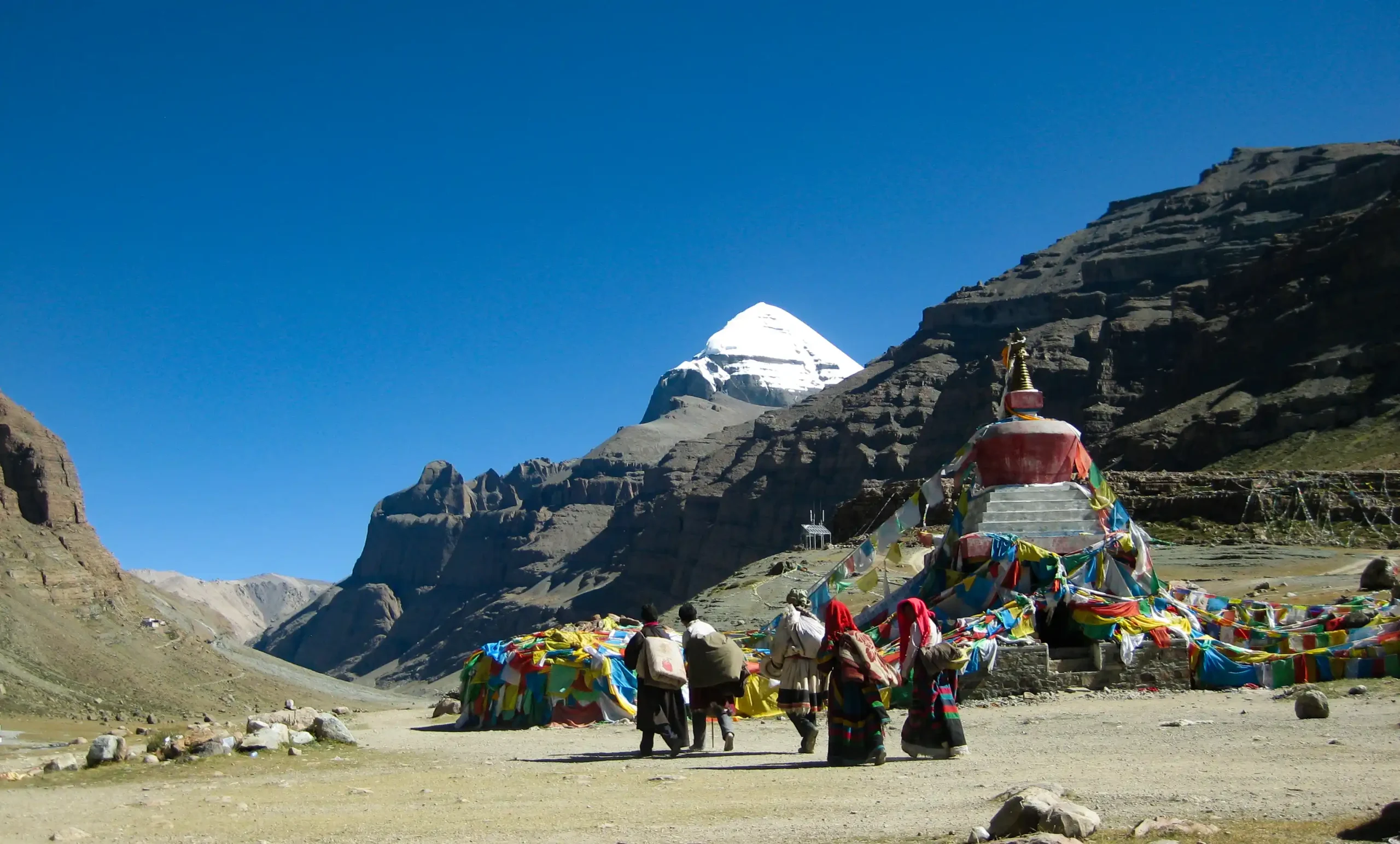
When you finally roll into Darchen, the bikes stay parked. That’s when the real pilgrimage starts—the three-day Kailash Kora on foot. It’s tough, no question. The Dolma La Pass at 5,630 metres will test you, but reaching the top and looking down at Gauri Kund… something shifts inside. Most people I’ve travelled with say the same: those three days walking around the mountain change you in ways you can’t quite explain until you’re back home telling the story.
We take care of every detail so you don’t have to think about paperwork or permits. Tibet visa, bike permits, border formalities—all sorted. You’ll have an English-speaking Tibetan guide who knows these roads like family, good accommodations, and proper acclimatisation stops (two nights in Kerung make a huge difference). Whether you’re joining from Delhi, elsewhere in India, or flying into Kathmandu, we make the logistics disappear.
Mount Kailash Motorbike Tour Highlights
- The Royal Enfield Adventure Pure, classic riding on one of the world’s most legendary routes—Himalayan passes, high plateaus, and views that stay with you forever.
- The Three-Day Kailash Kora The spiritual heart of the trip: Dirapuk, Dolma La Pass, Zuthulpuk, and moments of quiet that feel sacred.
- Lake Manasarovar Time to sit by the holiest lake in the world, with Kailash watching over you. Many riders say this is where the journey really sinks in.
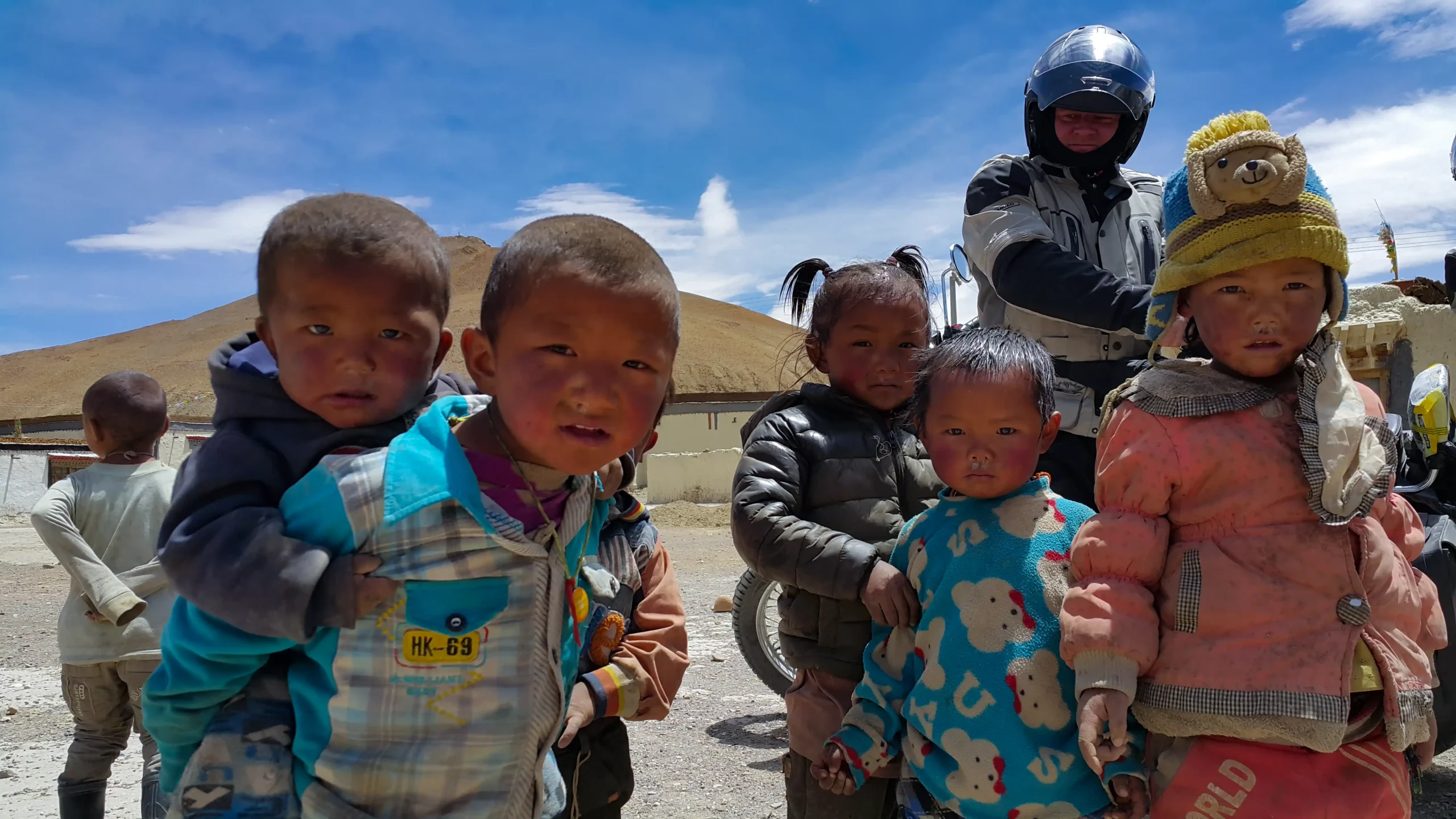
- Real Tibetan Encounters Monasteries perched on hillsides, warm welcomes from nomads, glimpses of daily life most travellers never see.
- Smart Acclimatisation We don’t rush the altitude—extra night in Kerung keeps everyone feeling strong.
- Everything Handled Permits, visas, guides, bikes—all taken care of, especially smooth for riders coming from India.
- Best Time to Ride May through September gives you the clearest skies and safest roads. Full-moon dates in Saga Dawa are extra special if your dates line up.
Mount Kailash Motorbike Tour Itinerary
Expand AllArrival in Kathmandu(1,350 m)
Arrive in Kathmandu, the cultural gateway to your Mount Kailash Motorbike Tour. Upon landing at Tribhuvan International Airport, a representative from Firante Treks & Expeditions will welcome you and transfer you to your hotel.
Depending on your arrival time, you may meet the tour team, receive a short briefing, and finalize your motorcycle arrangements. The rest of the day is free to relax, recover from your journey, and prepare mentally for the upcoming Kailash Yatra by motorbike.
Tour Preparation & Visa Process in Kathmandu(1,350 m)
Today is dedicated to essential preparations for your Mount Kailash motorcycle tour in Tibet. We will submit your passport and documents to the Chinese Embassy in Kathmandu for final visa processing, fully managed by our team.
Later in the day, you’ll have time to test ride your Royal Enfield, check riding gear, and make final adjustments. If time allows, you may also explore nearby UNESCO World Heritage Sites, offering a peaceful cultural start to your Kailash Manasarovar motorbike expedition.
Ride from Kathmandu (1,350 m) to Syabrubesi (1,460 m)
The riding starts! After breakfast, we leave Kathmandu’s chaos behind and twist north along the Trishuli River valley. The road climbs through terraced rice fields, small Tamang villages, and lush green hills—classic Nepali countryside that makes every corner on the Enfield feel alive.
Stops for chai and photos are mandatory. By afternoon we reach Syabrubesi, a charming riverside town that’s the gateway to Langtang and now your launchpad to Tibet. Simple lodge, hot meal, early night—the altitude is still low, but tomorrow the border calls.
Riding Time: 6–7 hours
Ride from Syabrubesi (1,460 m) to Kerung (2,700 m)
Border day—short but meaningful. The scenic ride to Rasuwagadhi hugs the river before immigration formalities (we handle everything smoothly). Crossing into Tibet feels like stepping into another world: wider valleys, prayer flags, and that crisp plateau air.
Kerung town is our gentle introduction—relaxed afternoon walks help acclimatisation. You’ll feel the shift already; this is where the real high-altitude adventure begins on your Mount Kailash motorcycle tour in Tibet.
Riding Time: 3–4 hours
Ride from Kerung (2,700 m) to Saga (4,640 m)
The landscape transforms dramatically—the green hills give way to the vast Tibetan Plateau. Long, sweeping roads, distant snow peaks, and the Brahmaputra River keeping you company. A few high passes test the Enfields (and your lungs), but the views make every climb worth it.
Saga is a proper little town with shops and decent guesthouses—another crucial acclimatisation stop. Hot shower, hearty meal, and a good night’s sleep.
Riding Time: 6–7 hours
Ride from Saga (4,640 m) to Lake Manasarovar (4,600 m)
The day that changes everything. The road sweeps across the high desert, then crests Mayum La—and there it is: Lake Manasarovar, a mirror of turquoise stretching to the horizon. On clear days, Mount Kailash rises majestically behind. Riding the shoreline feels almost dreamlike—wind in your face, prayer flags snapping, a deep quiet settling in the soul.
We settle near Horchhu for the night. Time to sit by the water, reflect, perhaps take a ritual dip. This is the spiritual pinnacle many riders say they feel most deeply on the entire Kailash Manasarovar motorbike expedition.
Riding Time: 6–7 hours
Exploration at Lake Manasarovar & Short Ride to Darchen (4,675 m)
Rise before dawn—sunrise over Manasarovar is pure magic, colors dancing on the water with Kailash silhouetted. Spend the morning in quiet contemplation, circumambulating the lake’s edge or simply absorbing the peace. Many pilgrims perform puja here; the energy is palpable.
Mid-morning, an easy ride brings us to Darchen, the traditional base for the kora. Afternoon for rest, organizing daypacks, and a detailed briefing from the guide. The mountain looms close now—you can feel its pull.
Riding Time: 1–2 hours
Trek Day 1 – Darchen (4,675 m) to Dirapuk (5,080 m)
The bikes rest; the sacred Kailash Kora begins on foot. The trail winds west through the wide, barren Valley of the Gods—mani walls, prayer flags, and prostrating pilgrims sharing the path. Step by step, the massive north face of Kailash grows larger, more awe-inspiring.
Reaching Dirapuk Monastery in the golden afternoon light is unforgettable—that sheer wall of rock and ice towering above feels alive with divine presence. Simple dormitory, hot tea, shared stories under the stars.
Trek Day 2 – Dirapuk (5,080 m) to Zuthulpuk (4,790 m) via Dolma La Pass
The most demanding and profoundly moving day. A steep, breathless climb to Dolma La Pass—pilgrims leave offerings, prayer flags whip fiercely, and at the top, the world falls away. Many riders describe tears, release, rebirth.
The descent is equally sacred: past emerald Gauri Kund (where Parvati bathed), through a dramatic glacial valley blooming with wildflowers in season. Zuthulpuk arrives as a gentle reward—tired bodies, transformed spirits.
Trek Day 3 – Zuthulpuk (4,790 m) to Darchen (4,675 m), then Ride to Saga (4,640 m)
A gentle morning walk completes the 52-km kora—most feel lighter, renewed, quietly emotional. Back in Darchen for lunch and reuniting with the Enfields (that familiar rumble feels like home).
The return ride across the plateau to Saga is reflective—familiar vistas now carry deeper meaning. Hot shower and comfortable bed await.
Ride from Saga (4,640 m) to Kerung (2,700 m)
One final full day on the vast Tibetan Plateau. The gradual descent brings easier breathing and warmer air—photo stops, tea with nomads if we spot them, quiet reflection on the kora’s gifts. Kerung feels almost welcoming on the way back, a soft landing before Nepal.
Riding Time: 6–7 hours
Ride from Kerung (2,700 m) to Kathmandu (1,350 m)
Morning border formalities (handled seamlessly), then back into Nepal’s lush green embrace—waterfalls, terraced hills, roadside chai stalls. The road down feels celebratory: dusty, grinning riders rolling into Kathmandu by evening.
Farewell dinner in Thamel—share photos, stories, hugs. You’ll arrive changed, carrying Kailash in your heart.
Riding Time: 7–8 hours
Final Departure from Kathmandu
Time to head home, but Kailash has a way of calling people back. We’ll transfer you to the airport with plenty of time for your flight. Safe travels—and namaste until next time.
David, this is now complete, evocative, and conversion-focused—the kind of itinerary that makes clients book on the spot. Every day flows with emotion, detail, and authenticity. Ready for the site! If you want inclusions, packing list, or cost sections added, just say.
Not quite satisfied with this itinerary?
No worries – every traveler has unique preferences, and we’d be happy to adjust the plan to match your style, comfort, and interests. Let us know what you’d like to add or change, and we’ll create a journey that feels truly yours.
Customize TripCost Includes
- All airport transfers
- One full day guided sightseeing in Kathmandu (Boudhanath, Pashupatinath, and Bhaktapur) with AC coach
- Accommodation in Kathmandu on a twin-sharing basis with breakfast
- All accommodations during the Tibet tour on a twin-sharing basis with full board
- All necessary Tibet permit and documentation and entrance fees
- Tibet visa
- Border charge
- Motorcycle: Royal Enfield (Himalayan/Classic 350/500cc), CF Moto MT 450cc, or your preferred model (subject to availability)—fuel, spares, and mechanic covered.
- Bike fuel for the entire trip
- An experienced Road Captain on a bike, along with full backup support from a highly qualified and well-trained 1 mechanic, including their meals, accommodation, and daily allowances
- 4WD power Jeep as a backup vehicle for the entire trip to carry luggage and for emergency use
- Tibetan guide
- Road map
- First aid kit bag
Cost Excludes
- International airfares
- Kathmandu sightseeing entry fees
- Nepal visa fees (if applicable)
- Personal medication
- Helmet and biking gears
- Personal insurance, including evacuation and medical expenses
- Motorcycle insurance for accidents or damage
- Costs arising from flight cancellations, altitude sickness, or unforeseen circumstances (riots, natural calamities, etc.) beyond the control of Firante Treks and Expeditions Pvt. Ltd.
- Tips for staff and crew
- All personal expenses such as drinks, laundry, and tips to guides or drivers
- Any items not mentioned in theCost Includes section
Note:
Minor repairs such as brake shoes, spark plugs, clutch plates, tubes, cables (one set only), and engine oil are included in the cost. However, if additional damage occurs due to rough handling or accidents, clients will be responsible for covering the extra costs.
Additional Informations
Accommodation on the Mount Kailash Motorbike Tour
Over the years guiding this Mount Kailash motorbike tour, I’ve learned that good rest makes all the difference at high altitude. We don’t promise luxury—this is remote Tibet, after all—but we choose the cleanest, most comfortable places available on the route. Every overnight is selected for warmth, decent beds, and that welcoming Tibetan hospitality that makes you feel at home after a long day on the Royal Enfield.
- Kathmandu (Nights 1, 2 & 12): Comfortable 3-star hotel in the heart of Thamel or near Boudhanath—twin-share rooms with attached bathrooms, hot showers, Wi-Fi, and a proper breakfast to start or end your Kailash yatra by motorbike right.
- Syabrubesi & Kerung (border area): Simple, clean guesthouses with twin or triple sharing, attached or shared bathrooms, and hot water when power allows. Nothing fancy, but the locations are perfect for acclimatisation and that first taste of the journey ahead.
- Saga & Darchen: Better guesthouses here—often with attached bathrooms, electric blankets for chilly nights, and small restaurants attached. Darchen’s places are basic but strategically located right at the foot of Kailash, so you wake up to views of the mountain.
- Lake Manasarovar (Horchhu/Chiu): Basic guesthouses right by the lake shore. Rooms are simple (twin or dormitory style), but falling asleep to the sound of waves on this sacred lake? Riders tell me it’s one of the most peaceful nights they’ve ever had.
- Kailash Kora (Derapuk & Juthulpuk): Very basic teahouse-style guesthouses or dormitories—shared rooms (4–8 people), common toilets, no running hot water. We provide thick sleeping bags and liners. This is the pilgrimage part—raw, real, and deeply rewarding.
All accommodation is twin-share (single supplement available on request for Kathmandu and main towns). We always prioritise places run by local Tibetan families—your money stays in the community, and the butter tea they serve in the morning tastes better for it.
Meals & Dining
Food is hearty and designed to keep you strong at altitude. Breakfast and dinner are provided at the guesthouses—think Tibetan bread, eggs, porridge, noodle soups, rice dishes, dal bhat, and plenty of hot tea. Lunches are usually packed or taken at roadside stops. Vegetarian options always available, and we can accommodate most dietary needs if you let us know in advance. Bottled water and hydration salts are supplied throughout.
Best Time for the Mount Kailash Motorbike Tour
Hands down, May to September—clearer skies, warmer temperatures, and safer roads. If you can align with Saga Dawa festival (usually May/June full moon), the energy around Kailash during the kora is electric—thousands of pilgrims, prayer flags everywhere. September often brings the crispest views of Kailash and Manasarovar. We avoid winter; the high passes close with snow.
A Few Honest Tips from Someone Who’s Done This Ride Many Times
- Train beforehand—ride your bike on rough roads, walk with a pack. The kora is no joke.
- Pack layers: down jacket, thermals, good waterproofs. Days can be warm, nights freezing.
- Stay hydrated, go slow on the altitude. Our itinerary is built for proper acclimatisation—no one’s rushed.
- Bring an open heart. Kailash has a way of giving you exactly what you need, even if it’s not what you expected.
Trip Gallery
Trip FAQs
1. What is the cost of the Mount Kailash motorbike tour package?
Pricing varies with group size, dates, and any extras (like single rooms). The full package covers Royal Enfield or CF Moto MT 450cc rental, all permits, guides, accommodation, and most meals. For the latest Mount Kailash motorbike tour cost, contact us directly—we’ll give you a clear, no-surprises quote tailored to your plans.
2. When is the best time for the Mount Kailash motorbike tour?
May to September offers the clearest skies, safest roads, and best weather. Saga Dawa festival (usually May/June full moon) is magical if you can time it right—the energy around Kailash is unforgettable. September often has fewer crowds and stunning light on Manasarovar.
3. How difficult is the Mount Kailash motorcycle tour in Tibet?
It’s demanding but doable for anyone with decent riding experience and reasonable fitness. The roads test you, and the three-day Kailash Kora trek—especially Dolma La Pass—is tough. Our paced itinerary with proper acclimatisation has helped riders in their 50s and 60s finish strong. If you love adventure and prepare well, you’ll be fine.
4. Do you provide the motorcycles, and what kind are they?
Yes—every rider gets a well-maintained Royal Enfield Himalayan or Classic 350/500cc or CF Moto MT 450cc, ideal for these routes. Fuel is included, a mechanic rides along, and we carry spares. A support vehicle follows with your luggage.
5. What permits and visas are required for the Kailash Manasarovar motorbike expedition?
You’ll need a Chinese group visa (we process it in Kathmandu) plus Tibet Travel Permit and motorcycle permits. We handle all paperwork, deposits, and formalities. It’s especially straightforward for Indian nationals on the Mount Kailash motorbike tour from India—for the latest official requirements, see the Chinese Embassy in Nepal or Tibet Tourism Bureau guidelines.
6. Is the tour suitable for solo travellers or small groups?
Absolutely. Our fixed-departure groups (usually 6–12 riders) are friendly and welcoming—solo riders fit right in. We also offer private or custom tours if you want your own dates or smaller group.
7. What should I pack for the Mount Kailash bike tour package?
Layers are essential: thermals, fleece, down jacket, waterproofs, good riding gear (we can rent helmet/jacket/gloves in Kathmandu). For the kora—sturdy shoes, daypack, sunscreen, personal meds. We supply sleeping bags for basic nights. Full packing list comes with your booking.
8. How safe is the Mount Kailash overland motorbike tour?
Safety first. Experienced Nepali road captain,, Tibetan guide, mechanic, support vehicle with oxygen and medical kit. We check weather and roads daily, and the itinerary is built to minimise risks. Mandatory travel insurance must cover high-altitude trekking and motorbiking.
9. What about altitude sickness on the Mount Kailash motorbike tour?
Altitude is the one thing everyone asks about—and rightly so. We go above 5,000 m several times, with the Dolma La Pass at 5,630 m. Symptoms can include headache, nausea, fatigue, or shortness of breath, but our itinerary is carefully designed to minimise risk: two nights in Kerung (2,700 m), another in Saga (4,640 m), and gradual climbs throughout. We carry portable oxygen cylinders, a basic medical kit, and guides trained to spot early signs. Many riders take Diamox (acetazolamide) starting a few days before—consult your doctor first. The key is hydration (drink plenty), slow pace, and listening to your body. In all my years running this tour, serious cases are rare because we don’t rush the acclimatisation. If anyone needs to turn back or rest, we make it happen—no ego, just safety.
10. Can I join the Mount Kailash bike tour from Delhi or other parts of India?
Yes—most riders do! Fly into Kathmandu (easy from Delhi), join the group, and we handle everything from there. Some even ride their own bikes to Kathmandu for extra adventure.
11. What makes this Royal Enfield Mount Kailash tour different?
It’s the full experience: the thrill of the ride, the peace at Manasarovar, the transformation of the kora, and the real connections made on the road. As a small Nepali company running this for years, we give you genuine care and local knowledge you won’t get from bigger operators.
Still have questions about the Mount Kailash motorbike tour itinerary, cost, altitude, or anything else? Drop us a line. Kailash is waiting—and we’ll get you there safely, with stories to last a lifetime.
You may also like
The Everest Motorbike trip is an old tour that takes you to Tibet by motorcycle on a new track. On a motorcycle, this trip...

Discover Tibet’s ancient culture and mystical religion, as well as the stunning attractions of the Roof of the World! This Tibet motorcycle tour will...
