



Trip overview
The Lukla to Namche Trek is where many Everest journeys begin, but it is also a complete journey on its own.
You fly into Lukla on a small mountain aircraft. The landing is short, steep, and unforgettable. When the engine cuts and the mountain air hits you, the shift is immediate. The Khumbu doesn’t feel like the rest of Nepal. It feels higher, older, quieter in a different way.
This 11-day trek follows the classic Everest Base Camp trail as far as Namche Bazaar, the main Sherpa town of the region. But instead of rushing through, this itinerary gives you time. Time to adjust to the altitude. Time to sit in teahouses. Time to actually experience the rhythm of the trail.
From Lukla, the path follows the Dudh Koshi River through small villages like Phakding, across long suspension bridges, and into Sagarmatha National Park. The forests grow denser. The air gets thinner. The climb to Namche is steady and demanding, but when you reach the amphitheater-shaped town at 3,440 meters, it feels earned.
Many trekkers pass through Namche in a hurry on their way to Everest Base Camp. This trek doesn’t rush. You stay. You explore. You walk higher to Khumjung Valley at 3,880 meters, where the views open wide and the crowds thin out. You continue to Thame, a quieter village tucked into a side valley, known for its monastery and deep mountaineering history.
The Lukla to Namche Trek is rated moderate. The trails are well-established, and the lodges are comfortable by mountain standards. Still, you should arrive prepared. The altitude is real, and the uphill days require steady pacing rather than speed.
Why Choose the Lukla to Namche Trek?
The Everest Region Without the Full Commitment
Not everyone has three weeks for Everest Base Camp. This route gives you the essential Everest experience in eleven days: the flight to Lukla, the famous bridges, Sherpa villages, and Himalayan views without pushing into extreme altitude.
For many trekkers, this is enough. You see the culture. You feel the terrain. You understand the scale of the mountains.
Namche Bazaar Is More Than a Stop
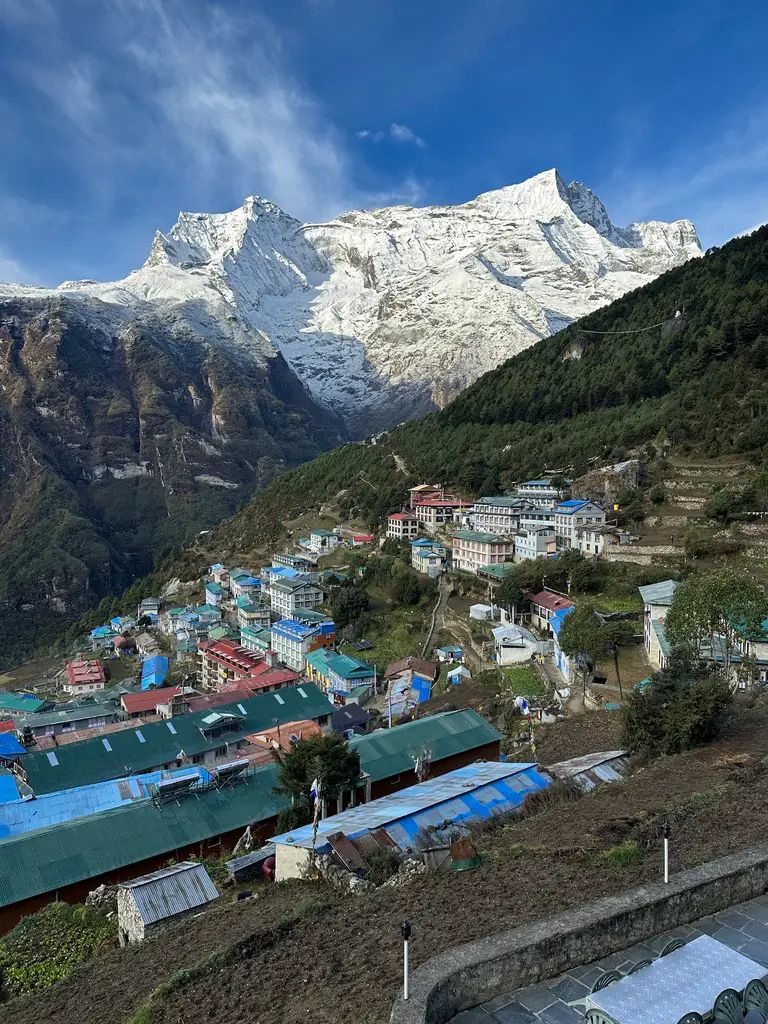
Namche Bazaar surprises people. It is not just a village; it feels like a small mountain town built into a hillside. There are bakeries, gear shops, a weekly market, and museums dedicated to Sherpa mountaineering history.
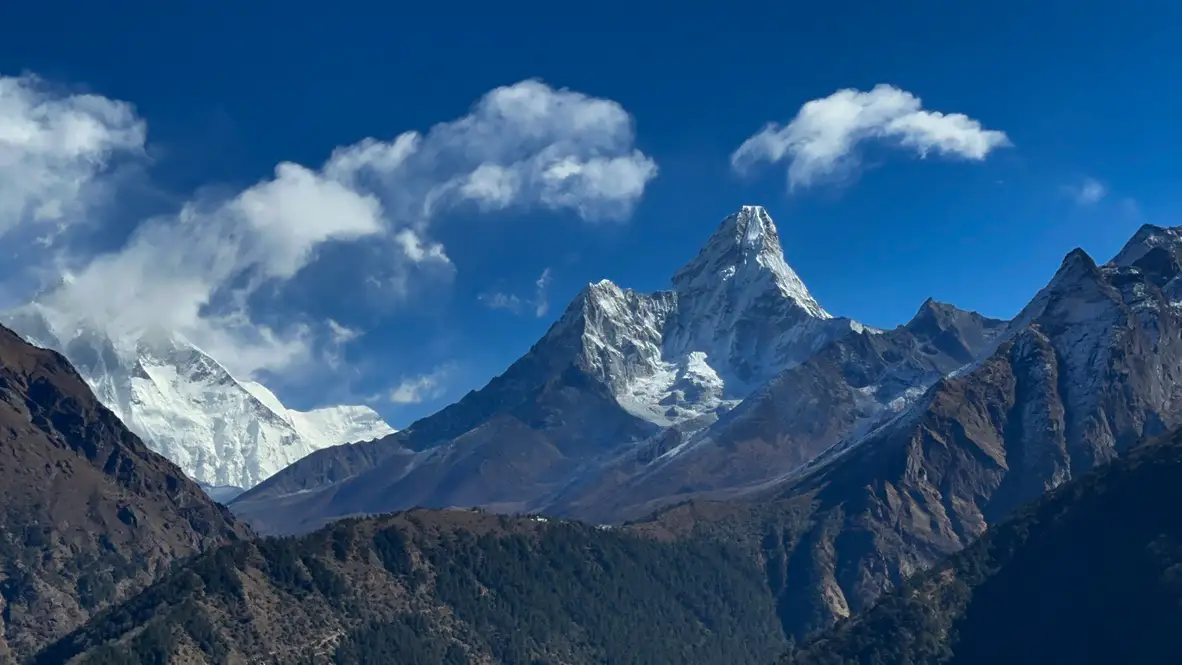
Above town, on a clear morning, you can see Mount Everest, Lhotse, and Ama Dablam rising beyond the ridges. It’s often the first real view of Everest for trekkers, distant but unmistakable.
Khumjung and Thame: The Quieter Side of Khumbu
The extension to Khumjung and Thame changes the character of the trek. Fewer groups. Slower mornings. Stone houses and old monasteries.
Khumjung sits high above the valley with wide views and open pastureland. Thame feels even more remote, historically connected to the Nangpa La trade route into Tibet. These villages are part of the Everest region, but they feel less commercial and more rooted in daily mountain life.
A Protected Himalayan Landscape
Once you pass Monjo, you enter Sagarmatha National Park, a UNESCO World Heritage Site. The forests below Namche are home to Himalayan tahr, musk deer, and the colorful Danphe, Nepal’s national bird.
It’s easy to focus only on the high peaks, but the lower elevations of the Khumbu hold just as much character, with pine forests, river valleys, and the constant sound of the Dudh Koshi moving below the trail.
Lukla to Namche Trek Highlights
Scenic flight to Lukla Airport, one of the world’s most thrilling mountain airstrips
Walk along the Dudh Koshi River through pine and rhododendron forests
Cross iconic Himalayan suspension bridges, including the Hillary Bridge
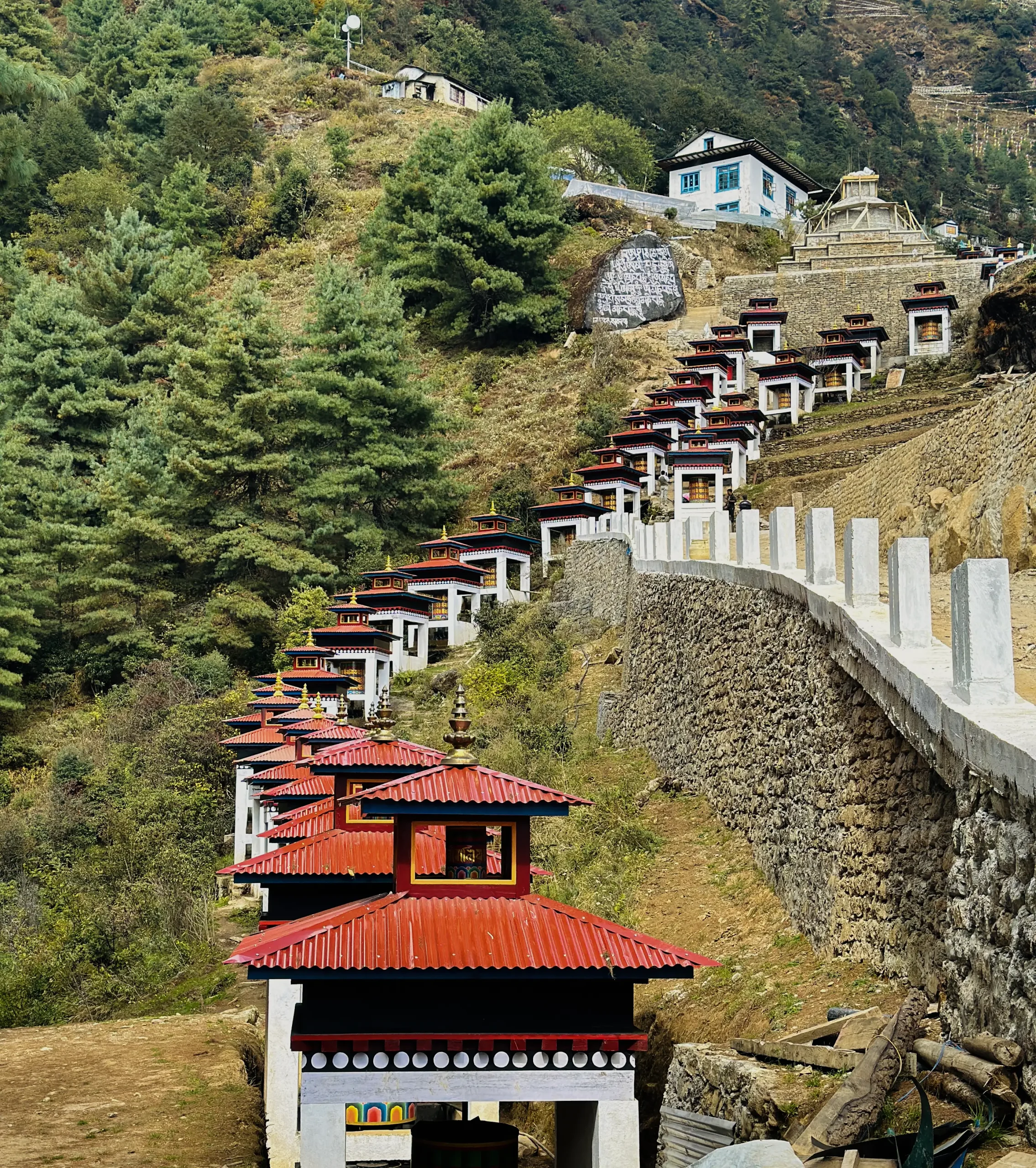
Experience authentic Sherpa villages and Buddhist prayer wheels, mani walls, and chortens
Enter Sagarmatha National Park, a UNESCO World Heritage Site
First clear views of Thamserku, Kongde Ri, and Kusum Kanguru
Explore Namche Bazaar (3,440m) – the cultural and commercial hub of the Khumbu region
Perfect short trek or ideal warm-up for Everest Base Camp and higher Everest treks
Lukla to Namche Trek Itinerary
Expand AllDay 01: Arrival in Kathmandu – Transfer to Hotel – Tour Briefing
Upon arrival at Tribhuvan International Airport, Kathmandu, you will be warmly welcomed by our representative and transferred to your hotel.
After check-in and some rest, we will meet in the evening for a tour briefing, where you’ll receive detailed information about the trek, safety guidelines, and equipment check.
Overnight: Hotel in Kathmandu
Meals: Welcome dinner (optional)
Full Day Kathmandu Sightseeing
After breakfast, enjoy a guided sightseeing tour of Kathmandu Valley’s UNESCO World Heritage Sites, including:
- Pashupatinath Temple – the holiest Hindu temple in Nepal
- Boudhanath Stupa – one of the largest Buddhist stupas in the world
- Swayambhunath (Monkey Temple) – panoramic views of the valley
- Kathmandu Durbar Square – historic royal palace and temples
This day helps you understand Nepal’s rich culture and spiritual heritage before heading into the mountains.
Overnight: Hotel in Kathmandu
Meals: Breakfast
Fly Kathmandu to Lukla – Trek to Phakding (2,652 m)
Early morning transfer to the airport for a scenic mountain flight to Lukla (approx. 30–35 minutes).
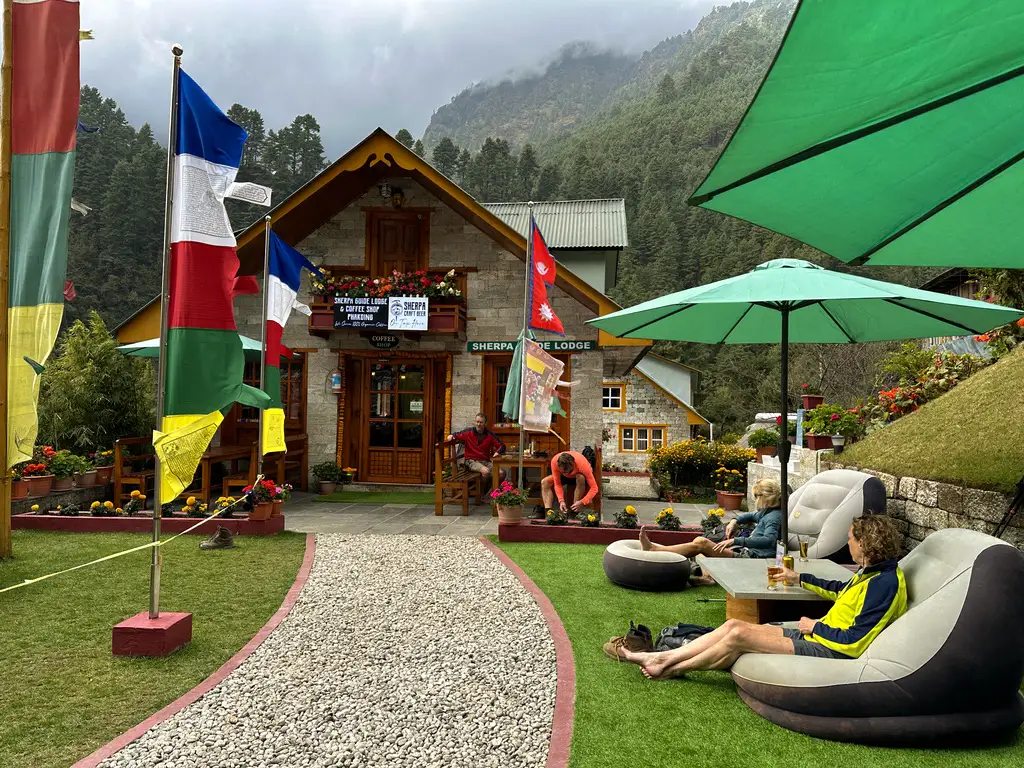
After meeting the trekking crew and final preparations, begin your trek toward Phakding. The trail descends gently through Sherpa villages, prayer wheels, mani stones, and pine forests along the Dudh Koshi River.
Trekking Time: 3–4 hours
Overnight: Teahouse in Phakding
Meals: Breakfast, Lunch, Dinner
Phakding to Namche Bazaar (3,446 m)
Today’s trek follows the Dudh Koshi River, crossing several suspension bridges, including the famous Hillary Bridge.
You will enter Sagarmatha National Park at Monjo, where permits are checked. After a steady uphill climb, you’ll reach Namche Bazaar, the vibrant Sherpa capital and main trading hub of the Everest region.
Trekking Time: 5–6 hours
Overnight: Teahouse in Namche Bazaar
Meals: Breakfast, Lunch, Dinner
Trek to Khumjung valley, Everest Hotel (3880m)
This is a crucial day for acclimatization to help your body adjust to the altitude.
You can take a short hike to:
- Everest View Hotel for views of Everest, Lhotse, Ama Dablam
- Syngboche Airstrip
- Sherpa Culture Museum and Sagarmatha National Park Museum
- Khumjung and Khunde valley visit
The rest of the afternoon is free to explore cafés, bakeries, and local markets.
Overnight: Teahouse in Namche Bazaar
Meals: Breakfast, Lunch, Dinner
Trek to Thame and back to Khunde (3840m)
Today you trek towards Nepal, Tibet border the village call Thame and Thamo monastery and after lunch trek back via Khunde village for overnight stay.
Overnight: Teahouse in Khunde village
Meals: Breakfast, Lunch, Dinner
Trek Khunde to Phakding
Today you descend back through Namche Bazaar and retrace the trail down to Phakding.
The walk is mostly downhill, passing forests, Crossing the long Hillary suspension bridge over the Dudh Koshi river, and walking riverside settlements like Jorsalle and Manjo
Trekking Time: 6–7 hours
Overnight: Teahouse in Phakding
Meals: Breakfast, Lunch, Dinner
Phakding to Lukla (2,840 m)
A pleasant final trekking day back to Lukla.
This is a relaxed walk with time to reflect on the journey and celebrate the successful completion of the trek with your guide and porter team.
Trekking Time: 3–4 hours
Overnight: Teahouse in Lukla
Meals: Breakfast, Lunch, Dinner
Fly Lukla to Kathmandu
Early morning flight back to Kathmandu, enjoying last views of the Himalayas.
After arrival, transfer to your hotel. The rest of the day is free for shopping, massage, or rest.
Overnight: Hotel in Kathmandu
Meals: Breakfast
Leisure Day in Kathmandu
A free day to relax or explore Kathmandu on your own.
Optional activities include:
- Souvenir shopping in Thamel
- Optional cultural tour
- Spa or traditional Nepali dinner show
Overnight: Hotel in Kathmandu
Meals: Breakfast
Transfer to Airport – Departure
According to your flight schedule, you will be transferred to Tribhuvan International Airport for your onward journey.
Meals: Breakfast (depending on flight time)
Not quite satisfied with this itinerary?
No worries – every traveler has unique preferences, and we’d be happy to adjust the plan to match your style, comfort, and interests. Let us know what you’d like to add or change, and we’ll create a journey that feels truly yours.
Customize TripAdditional Informations
Best Time for the Lukla to Namche Trek
The Khumbu has two reliable windows and two seasons to avoid. Here is an honest breakdown:
Autumn — October to November (Best Overall)
Post-monsoon autumn is the Khumbu at its most consistent. The air is washed clean, visibility is sharp, and the mountain views from the Namche ridge and Everest View Hotel are as clear as they get. October is the peak month for trail traffic, but the weather’s reliability justifies it. November is quieter, slightly colder at altitude, and still excellent.
Spring — March to May (Second Best)
Spring brings rhododendron in bloom on the lower trail sections and active wildlife as the season warms. March and April are the sweet spot, clear enough for views, warm enough for comfortable nights, and less crowded than autumn. May brings cloud build-up in the afternoons and occasional pre-monsoon rain, but mornings are generally still good.
Winter — December to February (Possible but Cold)
The trail is open and quiet in winter. Nights at Namche and above drop to -15°C or lower. The skies are often crystal clear. For experienced cold-weather trekkers who want the route to themselves, December and January work, but come equipped for serious cold.
Monsoon — June to September (Not Recommended)
The monsoon brings sustained heavy rain, leeches on the lower trail, and near-zero visibility in the mountains. The trek is technically possible, but the experience is significantly diminished. The Lukla flights are also the least reliable during this period. Wait for autumn.
Trek Difficulty & Preparation
The Lukla to Namche Trek is rated moderate, and an accurate description for the main route. The extension to Khumjung and Thame adds days at altitude above 3,800 metres and some longer walking hours, but no technical terrain. Here is what moderate means in practice on this trail:
Daily Walking
Trekking days run between 4 and 7 hours. The trail is well-marked and well-maintained. The climb to Namche on Day 4 is the most sustained uphill of the entire trek, about two hours of consistent ascent from the river to the town. Nothing requires scrambling, ropes, or technical skills.
Altitude
The maximum elevation is 3,880 metres at Khumjung and the Everest View Hotel. Altitude symptoms, such as mild headache, reduced appetite, and disturbed sleep, are common above 3,500 metres even in fit trekkers. The itinerary is paced to allow gradual acclimatisation. Drink water consistently, ascend slowly, and communicate any symptoms to your guide immediately.
Fitness
Six to eight weeks of regular cardio preparation is recommended. Hiking with a loaded day pack is ideal. You do not need to be an athlete. You need to be able to walk uphill for two hours at a steady pace and feel functional the next morning. If you can do that at home, you can do this trek.
Trip Gallery
Trip FAQs
1. How difficult is the Lukla to Namche Trek?
The trek is rated moderate. The main trail is well-established with consistent teahouse accommodation. The most demanding day is the climb to Namche, about two hours of sustained uphill. The extension to Khumjung and Thame adds altitude days but no technical terrain. Reasonable fitness and gradual acclimatisation are the main requirements.
2. What is the maximum altitude on this trek?
The highest point is 3,880 metres at Khumjung valley and the Everest View Hotel. Namche Bazaar sits at 3,440 metres. Both are well within the range of a well-paced moderate trek with proper acclimatisation.
3. What is the best time to do the Lukla to Namche Trek?
Autumn (October–November) is the most reliable season for clear skies and mountain views. Spring (March–May) is the second-best window, with rhododendron in bloom on the lower trail. Both seasons offer excellent trekking conditions.
4. How do I get to Lukla?
Lukla is reached by a short mountain flight from Kathmandu — approximately 25 minutes. Flights operate from Tribhuvan International Airport and the smaller Manthali Airport (Ramechhap), about 4–5 hours’ drive from Kathmandu. Firante arranges all flight logistics as part of the booking.
5. What permits do I need for this trek?
Two permits are required: the Sagarmatha National Park Entry Permit and the Khumbu Pasang Lhamu Rural Municipality Permit. Firante arranges both as part of the trek package. You will need passport photos and your passport at the permit checkpoints.
6. Can I see Everest on this trek?
Yes on clear days. The best viewpoint is the ridge above Namche Bazaar, about 20 minutes above town, where Everest, Lhotse, Nuptse, and Ama Dablam are all visible. The Everest View Hotel at 3,880 metres also offers a direct sightline to the summit. Views are weather-dependent; morning is almost always clearer than afternoon.
7. What is Namche Bazaar?
Namche Bazaar is the largest settlement in the Khumbu region and the main hub for Everest-bound trekkers and climbers. At 3,440 metres, it has teahouses, bakeries, gear shops, a Saturday market, the Sherpa Culture Museum, and the Hillary Museum. It is significantly more developed than most people expect and is worth spending real time in rather than treating as a transit point.
8. What is the Hillary Bridge?
The Hillary Bridge is a high suspension bridge across the Dudh Koshi River on the approach to Namche, built with support from Sir Edmund Hillary’s Himalayan Trust. It is one of the most recognisable landmarks on the Everest trail — crossing it, with the river below and the mountains appearing above the valley walls, is one of those trail moments that earns its reputation.
9. Is this trek suitable for beginners?
Yes, with preparation. The Lukla to Namche Trek is one of the most appropriate introductions to Himalayan trekking available — well-marked trail, good lodge accommodation throughout, a guide who knows the route, and an altitude that is challenging but manageable. Six to eight weeks of fitness preparation is recommended.
10. Can this trek be extended to Everest Base Camp?
Yes. The Lukla to Namche Trek follows the same trail as the Everest Base Camp route as far as Namche. Trekkers who want to continue to Base Camp can extend the itinerary, typically adding 9 to 11 days beyond Namche. Firante can build a combined itinerary on request.
You may also like
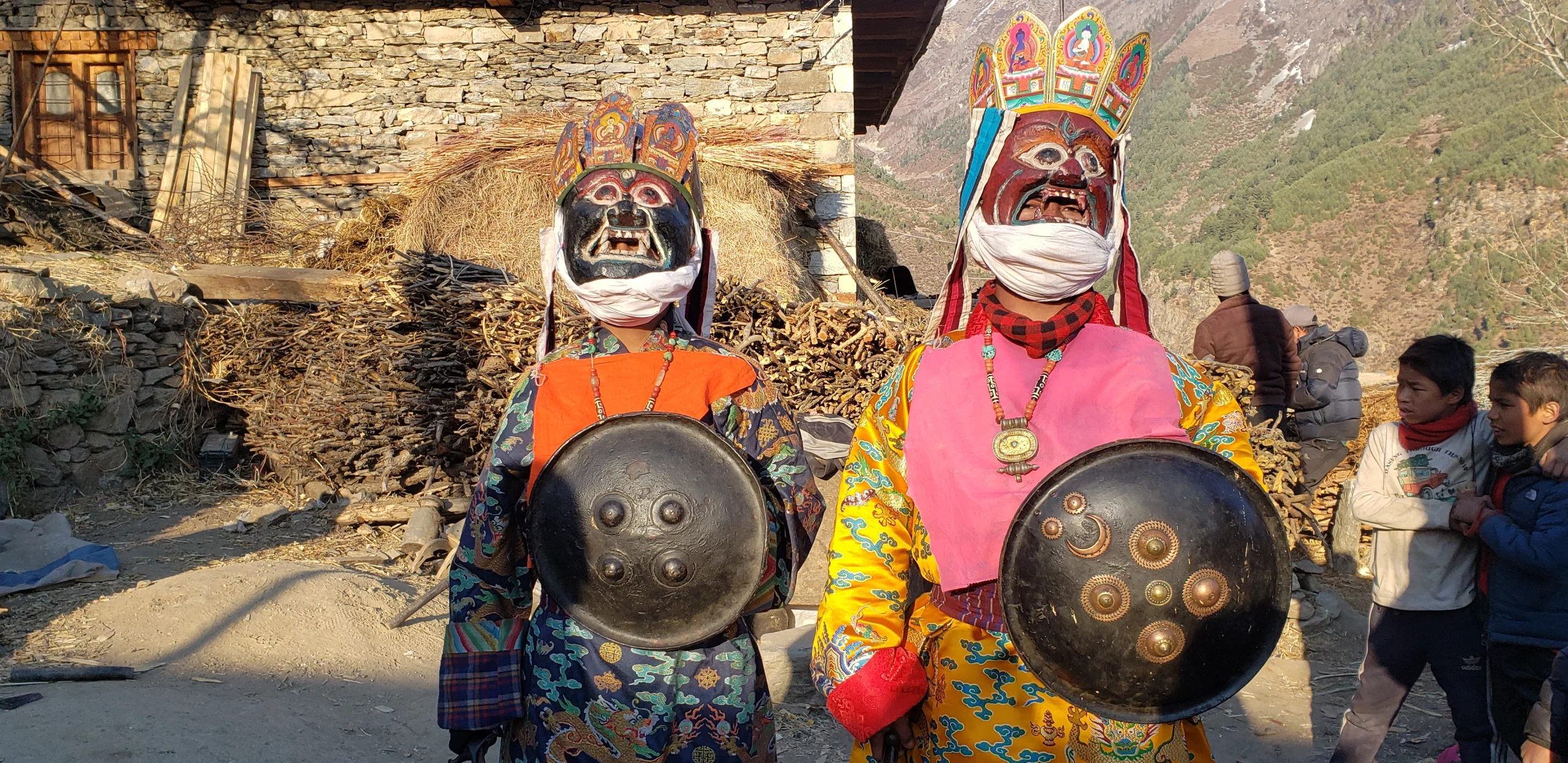
Mane Festival Humla
Mane Festival of the Nyinba community of Humla is one of the most unique festivals in Nepal. This festival reflects the lifestyle and traditions...
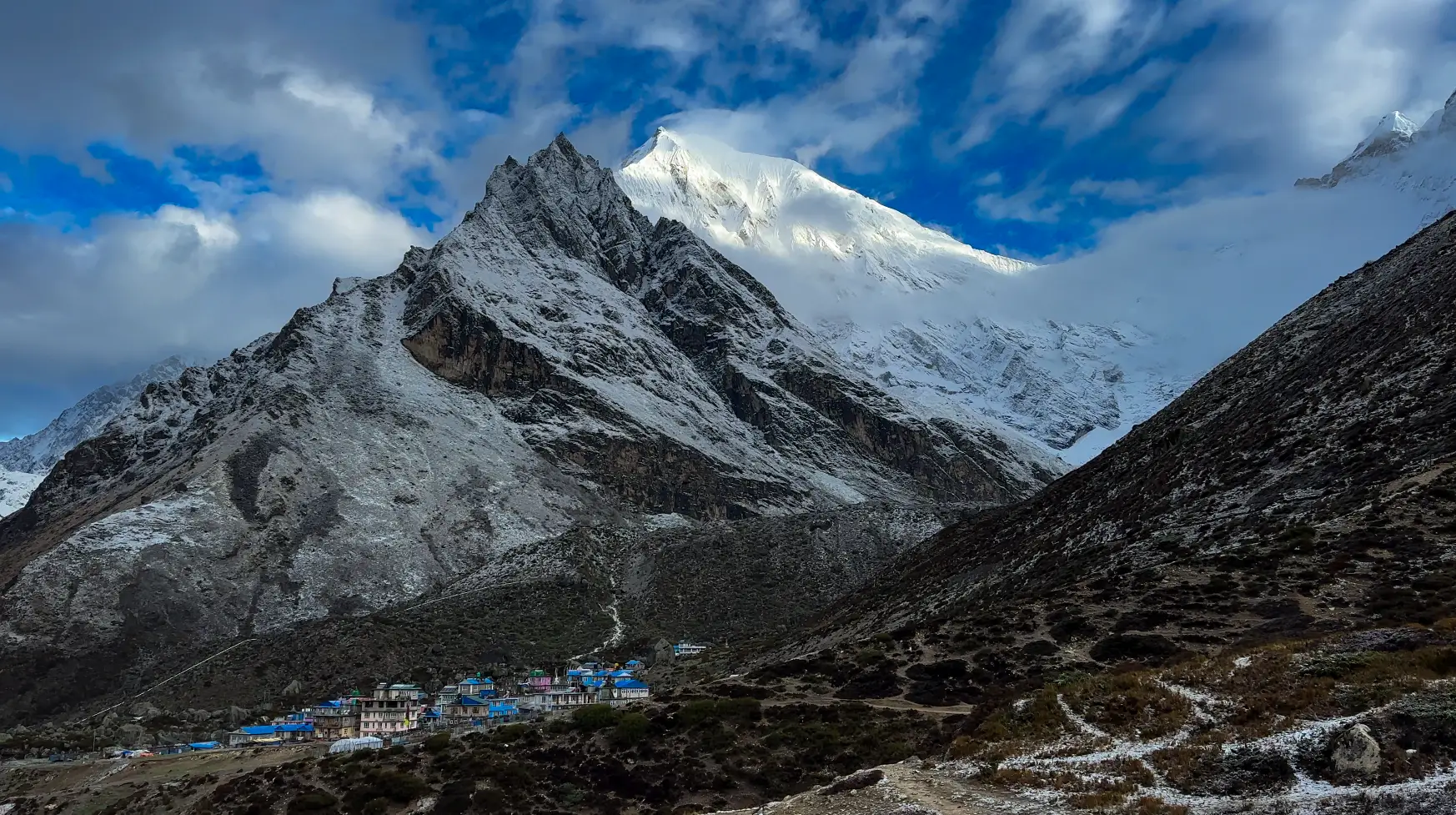
Langtang Valley Trek
Overview The Langtang Valley Trek is one of Nepal’s most beautiful and accessible Himalayan journeys. Nestled just north of Kathmandu, the valley combines stunning...

Everest Base Camp Trek
Everest Base Camp Trek: Experience the ultimate Himalayan adventure with breathtaking views of Mount Everest, Sherpa culture, and iconic monasteries. Perfect for thrill-seekers and nature lovers. Trek safely with proper acclimatization, expert guides, and essential gear.
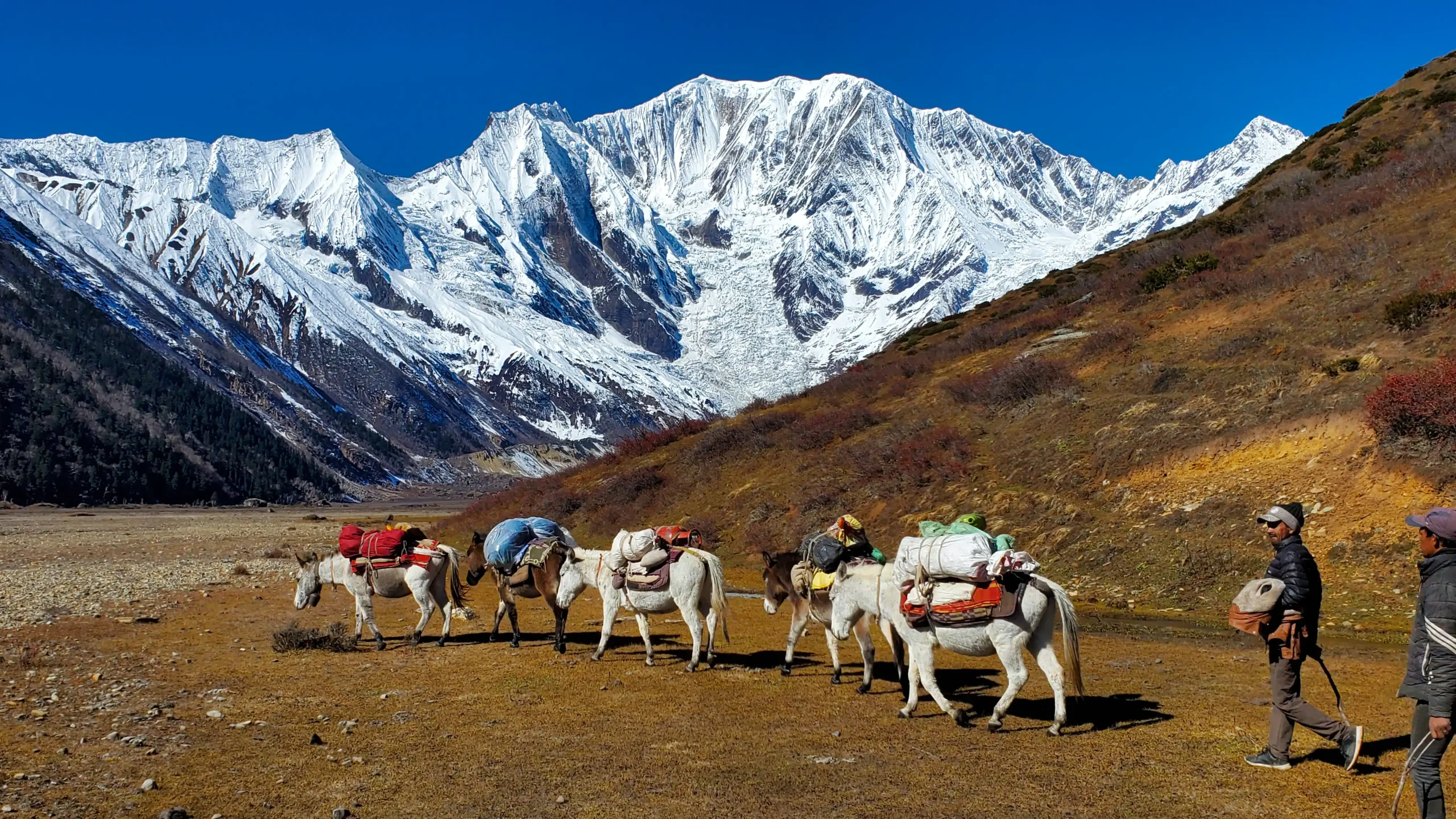
If you’re craving a true off-the-beaten-path Himalayan adventure, the Saipal Base Camp Cultural Trek delivers in every way. This 17-day journey takes you deep...
The Humla Limi Valley Trek is one of the last truly remote trekking journeys in Nepal, created for travelers who want cultural depth as...
