

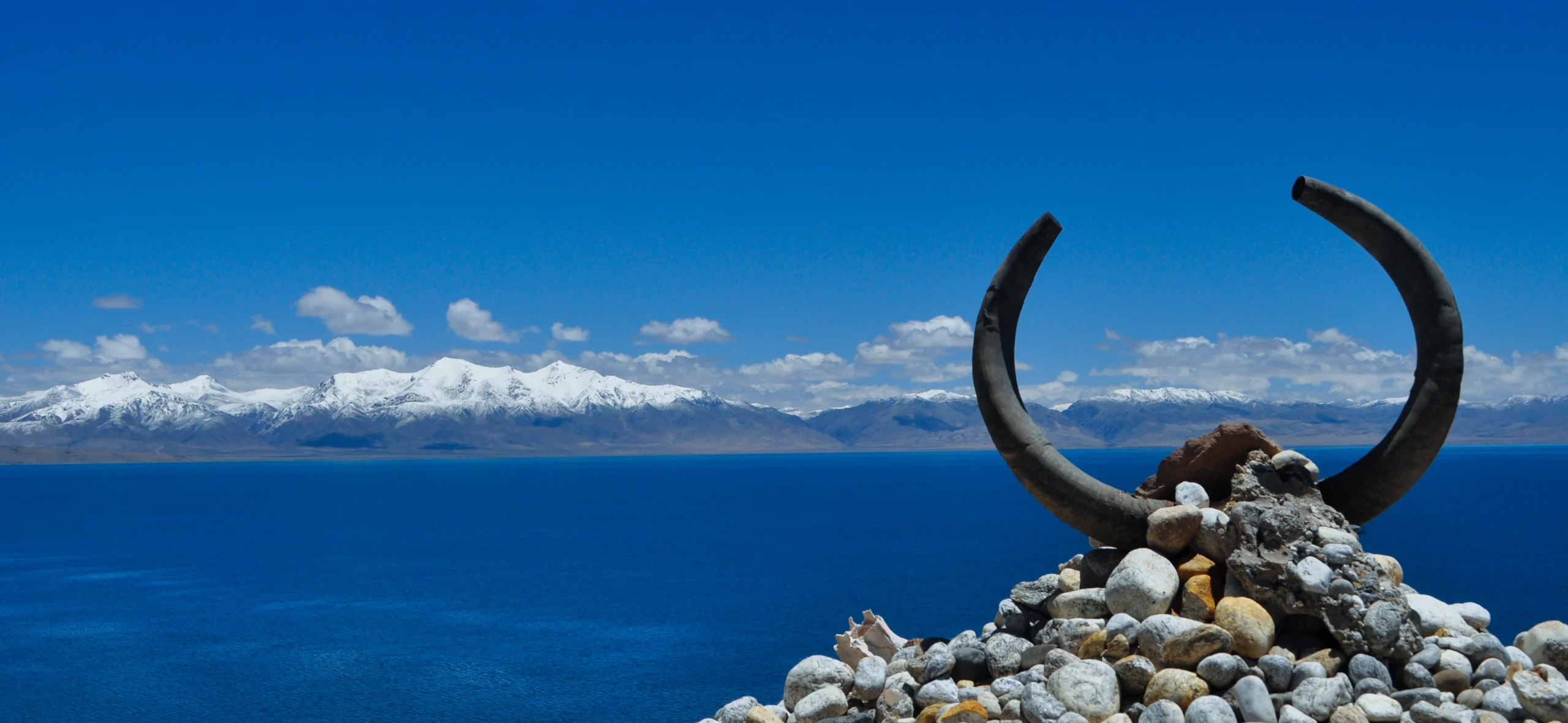
Kailash & Upper Humla Circuit Trek 2026: Start your spiritual journey to Mount Kailash and the remote Upper Humla region. Experience breathtaking Himalayan landscapes, unique Tibetan culture, and untouched wilderness. Trek safely with proper acclimatization, local guides, and essential gear for an unforgettable Kailash Yatra 2026.


Trip overview
There are treks, and then there are journeys that change how you see the world. The Kailash Upper Humla Circuit Trek is firmly the second kind.
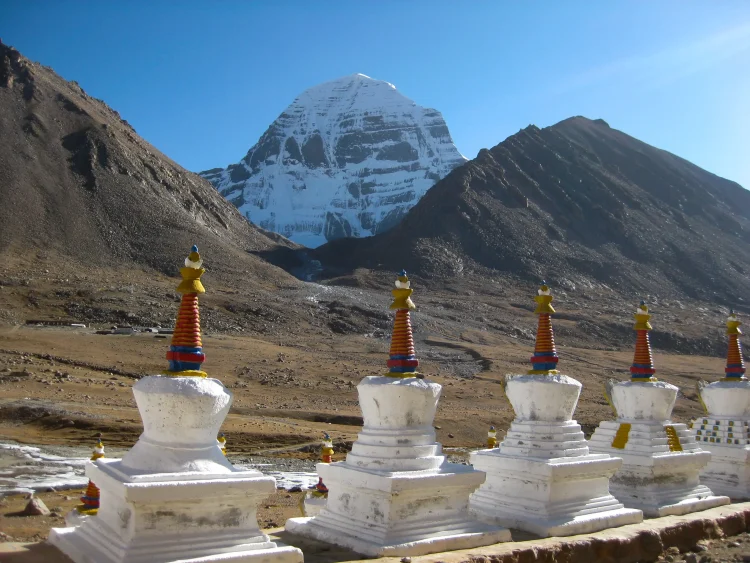
This is not your typical Himalayan trail. There are no busy teahouse lodges, no crowds at the viewpoints, no phone signal to distract you. What you get instead is raw, unfiltered Nepal, the kind that most people never see. Ancient monasteries are still humming with daily prayer. Pine-forested gorges carved by the thunderous Karnali River. High-altitude passes where Tibet suddenly appears on the horizon like a mirage. And at the end of it all, the sacred pyramid of Mount Kailash (6,638 m), rising alone on the Tibetan plateau, is one of the holiest mountains on Earth.
Starting and ending in Simikot, the remote district headquarters of Humla, this 27-day circuit combines two extraordinary experiences in one unforgettable journey: the Upper Humla Circuit through the legendary Limi Valley, and the Kailash Kora, the 53 km circumambulation that Hindus, Buddhists, Jains, and Bon pilgrims have walked for over a thousand years.
If you have ever dreamed of walking somewhere that truly feels untouched, this is it.
WHY THIS TREK IS DIFFERENT
Most people who come to Nepal have heard of Everest Base Camp. Some have heard of Annapurna. Very few have heard of Humla, and that is exactly the point.
Humla is Nepal’s most remote district. For most of its history, the only way in was by air, a short mountain flight from Nepalgunj, a 45-minute hop in a small prop plane that skims over ridgelines and drops into Simikot’s narrow airstrip. In recent years, a rough unpaved track has been carved through the mountains, making it technically possible to reach Humla by road — but “possible” is doing a lot of heavy lifting in that sentence. The route is rugged, seasonally unreliable, and an adventure in itself. For most trekkers, the flight remains the practical and far preferable choice. From the moment you land at Simikot, you feel it regardless of how you arrived: this is somewhere genuinely different.
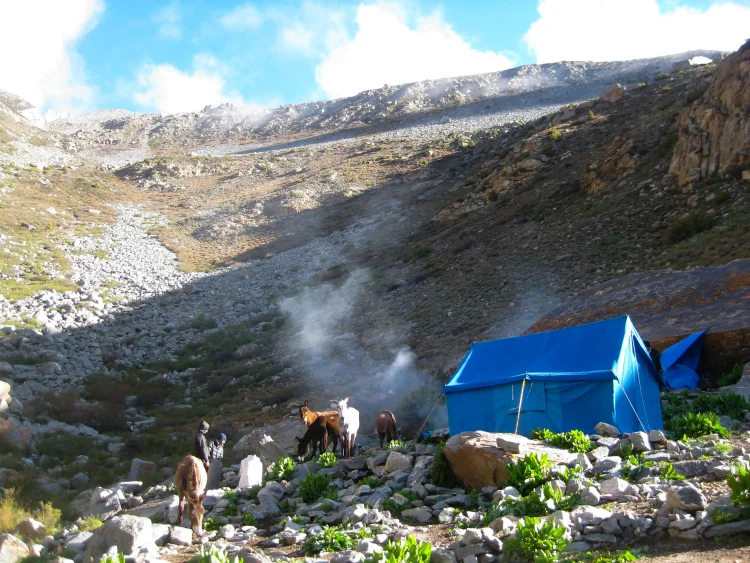
The Upper Humla Circuit takes you deep into the Limi Valley, a hidden Himalayan world that Nepal trekking pioneer Steve Razetti once listed among the Top 10 Treks in the World. It is a place where ancient Tibetan Buddhist culture has survived almost completely intact. Where monasteries built between 400 and 1,000 years ago still receive monks every morning, where yak caravans move through high passes exactly as they have for centuries.
And then you cross into Tibet. You walk the Kailash Kora. And you understand why millions of pilgrims across four religions consider this mountain the spiritual centre of the universe.
This is not a holiday. It is a pilgrimage. And it will stay with you for the rest of your life.
THE KAILASH KORA — WHY IT MATTERS
Mount Kailash has never been climbed. Not because it is technically impossible, several mountaineers have studied the routes. But by deep, cross-cultural agreement, it remains unclimbed out of respect. It is the one great summit that humanity has collectively decided to leave alone.
Four major religions claim it as sacred. Hindus believe Lord Shiva meditates on the summit, with Goddess Parvati beside him. Tibetan Buddhists consider it the throne of Demchok, representing supreme bliss. Jains revere it as the place where their founding teacher Rishabhadeva attained liberation. The ancient Bon religion, Tibet’s pre-Buddhist tradition, calls it the nine-storey Swastika Mountain, the central pillar of the world.
Walking the Kora, the 53 km circuit around the mountain, is said to wash away the sins of a single lifetime. Walk it 108 times, and you reach enlightenment. Most of us will be satisfied with once.
The route crosses Dolma La Pass at 5,630m, the trek’s highest point, where prayer flags fill the sky, and exhausted pilgrims weep from altitude, emotion, and sheer relief. Below lies a glacial lake of startling blue, and the descent brings the full south face of Kailash into view — four near-perfect walls of dark rock and snow rising into a sky that feels closer here than anywhere else on Earth.
Kailash and Upper Humla Circuit Trek – Remote Route via Simikot Highlights
Complete a remote loop trek from Simikot, crossing Nara La Pass (4,580 m) and returning via the scenic Limi Valley and Nyalu La (5,000 m)
Trek through the untouched landscapes of Upper Humla, one of Nepal’s most isolated Himalayan regions
Experience authentic life in traditional villages, meeting warm and welcoming communities of Upper Humla
Visit ancient monasteries dating back 400–1,000 years, where centuries-old Buddhist traditions are still practiced
Walk through the dramatic Karnali Gorge, lined with pine forests and rugged cliffs
Enjoy outstanding mountain scenery of the Saipal and Nalakankad ranges, rarely seen by trekkers
Travel through a region often described as a living Shangri-La, largely untouched by modern development
A challenging yet deeply rewarding trek, ideal for experienced adventurers seeking cultural depth and solitude
Access the trek via scenic flights Kathmandu – Nepalgunj – Simikot, adding to the adventure
Recognized internationally as one of the world’s exceptional treks, featured in global trekking lists
Kailash and Upper Humla Circuit Trek – Remote Route via Simikot Itinerary
Expand AllArrival in Kathmandu (1,350m)
Arrive in the vibrant capital of Nepal, Kathmandu. The hustle and bustle of the city, its colorful streets, and spiritual atmosphere are sure to captivate you. You will be transferred to your hotel, where you’ll receive a full briefing on the trek ahead. Get some rest and prepare for the adventure of a lifetime.
Explore Kathmandu Valley (1350m)
Kathmandu is a UNESCO World Heritage Site, full of historic temples, stupas, and palaces. Visit Swayambhunath Stupa (Monkey Temple), the sacred Pashupatinath Temple, and Boudhanath Stupa. Each of these sites will give you an immersive experience into the spiritual and cultural richness of Nepal.
Fly to Nepalgunj (150m)
Take a scenic flight to Nepalgunj, a gateway to western Nepal. Located in the southern part of the country near the Indian border, Nepalgunj is a bustling town filled with local life. Relax after your flight and prepare for your journey deeper into the Himalayas.
Fly to Simikot (2,910m)
Fly from Nepalgunj to Simikot, a remote mountain village. Known for its breathtaking landscapes, Simikot is the gateway to the upper reaches of Humla. This region is home to a unique culture shaped by ancient Bon shamanistic Tibetan-Buddhist and Hindu influenced mixed culture. The valley is surrounding by Ripochhe peak(Meaning “The big peak”)provides a stunning backdrop.
Trek from Simikot to Dharapori (2,300m)
The day starts with an uphill walk to Langna pass, and the trail is followed by a scenic descent to Majagau, meaning “the middle village.” This section of the trail offers lowland Himalayan landscapes surrounded by beautiful pine and juniper forests.
Dharpari and the surrounding village are the Hindu and Shamanistic mixed culture communities, it consists of four small settlements: Dada Faya Majgaun, Chaugan Faya, and Dharapari. The campsite is located on the bank of a tributary of the Karnali river call Hyapka khola. It takes approximately 4 hours of trekking to reach the Dharapori campsite from Simikot.
Trek to Salli Khola (2,700m)
The trek begins crossing Dharapori village, and the Trail follows the mighty Karnali River. After 2 hours of waling you reach the region’s most beautiful waterfall known as Chya-Chhra. In the local language, Chya means “rocky trail,” and Chhara means “waterfall.” The path here is rocky cliffs bordering the Karnali River.
The trails lead to Kermi village, known for having the largest natural hot spring river in Nepal. Trekkers can soak and relax in hot water to relieve tired muscles.
From Karmi trek continues to Salli Khola gradually till Salli pass, where the trail splits to the Limi valley trek, then the trail goes downhill towards Salli Khola campsite, a small peaceful valley near Salli river. The campsite is surrounded by pine forest, a quiet and refreshing atmosphere.
Trek to Tumkot (3,350m)
Today the trek start gently toward Yalbang Chaur and then gradually climbs uphill to Yalbang Monastery, the largest monastery in the Humla region, where local people come to receive spiritual teachings. The monastery also operates two schools—one for monks and one for nuns.
After sightseeing at the monastery, the trail continues toward Tumkot, passing through , Muchu Village. Muchu is also known as the “Apricot Village,” and during spring the entire village and surrounding area are covered with blooming apricot flowers, welcoming for trekkers on the Mount Kailash and Upper Humla trek.
Rest Day and Exploration in Tumkot (3,350m)
Today is a rest and acclimatization day, short trek up to Tumkot village, an ancient Sakya Buddhist community village in Humla. From the Sakya Monastery offers a 360-degree panoramic view of Tumkot Valley.The monastery itself is historic and fascinating site for trekker to visit.
After exploring the village and monastery, return to the campsite and relax with a refreshing dip in the Karnali River.
Trek to Yari Village- Thadodunga (4,100m)
Today’s trek begins by crossing the Tumkot River, bypassing the Karnali Corridor trail. The whole trek a day involves an uphill climb toward Yari Village, the last settlement in the northern Humla region. As you ascend, the landscape becomes drier with breathing challenges. Take your time to acclimatize and enjoy the breathtaking surroundings. Then continue toward the campsite Thadodung.
Trek to Hilsa (3,640m) and Cross into Tibet Taklakot (3900m)
Today is the highlight of the Humla Mount Kailash Trek. The day begins with an uphill climb to Nara La Pass (4,580 m), offering panoramic views of the surrounding peaks and valleys. After reaching the pass, the trail descends all the way to Hilsa, the Nepal-China border, where you will meet your Tibetan crew and complete all necessary border formalities.
Once cleared, a 30-minute drive takes you to Taklakot Town (3900m), the nearest settlement on the Mount Kailash trek from the border. Here, you will stay in a comfortable hotel room after long sleeping experience in tented camp. Taklakot use to be trading town, between Nepalese and Tibetan communities. This day can be an unforgettable day for anyone on the Humla and Mount Kailash trekking route.
Drive to Manasarovar Lake (4,600m)
Lake Manasarovar is one of the most sacred lakes in the world, revered by both Hindus and Buddhists. The drive from Taklakot to the lake takes approximately 1.5 hours, offering magnificent views of the Tibetan Plateau. Along the way, you can admire the dramatic Rakshas Tal (Devil’s Lake) with Mount Kailash in the background leaves a deep and unforgettable impression.
Upon arrival at Lake Manasarovar, you enjoy panoramic views of the surrounding peaks: Gurla Mandhata to the west, Mount Kailash to the north, and the twin lakes Manasarovar and Rakshas Tal in the center. This sacred landscape offers a profound spiritual experience in your life, making it one of the most memorable highlights of the Mount Kailash and Upper Humla trek.
Drive to Darchen (4,675m)
Today you start your day with late breakfast. Day start with sightseeing tour around Lake Manasarovar and nearby monasteries, Chiu Gumba, the sacred monastery where Tibetan Buddhist founder Padmasambhava once meditated.
Darchen is a small town located at the base of Mount Kailash and serves as a bustling hub for pilgrims. It is also the official starting point for the sacred Pilgrimage Kailash Kora.
Trek to Dirapuk (5,080m)
Today marks the beginning of your Kailash Kora, “Parikrama”. Day stat driving from Darchen to Yamduwar by scheduled tourist bus and start trek towards Dirapuk, where the views of Mount Kailash’s north face become awe-inspiring.
Trek to Zuthulphuk (4,790m) via Dolma La Pass (5,630m)
The toughest day of the trek, as you’ll ascend to Dolma La 5630m, the highest point on the Kailash Parikrama route. The climb is challenging, but the reward is the incredible panoramic view of the Mt Kailsh and Gaurikunda lake below. After crossing Dolma La, the descent to Zuthulphuk offers beautiful views of the valley.
Trek to Darchen (4,675m) and Return to Taklakot (3900)
Today, complete the Kailash Parikrama by trekking back to Darchen. From here, you’ll drive back to Taklakot, where you’ll rest after your long and spiritual journey around Kailash.
Drive to Hilsa, Trek to Manipeme (3990m)
After crossing border back into Nepal side, the trek goes uphill and continues toward the Limi Valley, trekking trail, surrounded by high-altitude landscapes. Manipeme campsites has long been used by the local Limi people as a grazing area for yaks and sheeps.
Trek to Til (4,100m)
Today the trek toward Limi Valley is one of the most important days of your journey becaue You will be passing by ancient meditation cave of Lochawa Rinchen Zangbo, the founder of Halji Monastery, who is said to have achieved enlightenment here nearly 1,000 years ago.
You will be Continuing the trek, and reach the first Limi Valley village, Til, a stunning backround of Mandun Himal and Gurla Mandhata.
Trek to Halji (3,700m)
The trail descends toward Tilzung campsite and then gradually goes today toward Halji Village, the oldest settlement in Limi Valley. This village is home to one of the region’s oldest monasteries, located at the heart of the community home.
Halji offers trekkers a rare opportunity to observe authentic Tibetan culture, untouched by modern influences.On the way, you have an chance to spot wildlife, like blue sheep, and Wild yaks.
Trek to Jang Hot Springs (3,920m)
Today’s trek leads you to the rejuvenating hot springs at Jang, a perfect spot to relax after a long journey . Soak in the natural thermal waters while enjoying panoramic views of towering peaks, including Ardang La.
Trek to Talung(4,200m)
Today your day begins with an easy walk to Takchi, crossing the Takchi River by suspension bridge. The trail passes through a unique landscape of sandy dunes.
You will also cross the Nying River, which has no bridge, it can be a memorable part of your trek. After crossing the river, you will reach Talung Lake. Trek continue to the Talung campsite located nearby the Talung river. today most chance to encounter with wildlife like Blue seep and others.
Trek over Nyalu La Pass (5,000m) to Singjungma (3700m)
Big day today, you will cross Nyalu La Pass, from the top of the pass you will spot breathtaking panoramic views of the surrounding snow-capped peaks like Nyalu peak, Seliman peak and others in south you will spot Mt Saipal the gaint mountain of far west. On the way down from the pass, you will be greeted by the high-altitude Seliman Lake. The trek continues toward Tsongsa valley, a traditional summer yak grazing camp. Campsite among the rock cliffs and pine forests, Singjungma offers a peace and beautiful night for your journey.
Trek to Langdok Base(3,800m)
Today the trek start with gentel up and shortest trek of the trip. Langdok Base or its call Sechi valley is the beautiful place to make your camp. nice place to relax after long journey. A perfect spot to take a lot of pictures of the surrounding landscapes.
Trek to Digha Lagna (3600m)
Your trek today brings you closer to Simikot. the trek beginning with a up hill climb to Langdok pass 4,200m. From the top of the pass you are rewarded with a panoramic view of the of lower Humla valley landscape of village, River and mountains. Then the trail continue descends towards Digha Lagna, This site is a summer home for Digha village people.
Trek to Simikot
The trek start with a long downhill till Hyapka Khola. After crossing the river and Sunkhani village arriving Simikot Town, you can relax and reflect your past weeks of journey.
Fly to Nepalgunj and Kathmandu
Fly back to Nepalgunj, and then return to Kathmandu. The flights offer a spectacular view of the mountains as you descend back to the city.
Free Day in Kathmandu
Spend your final day in Kathmandu exploring any remaining sights, shopping for souvenirs, or simply relaxing.
Departure
After breakfast, you’ll be transferred to the airport for your flight home, taking with you memories of a lifetime.
Not quite satisfied with this itinerary?
No worries – every traveler has unique preferences, and we’d be happy to adjust the plan to match your style, comfort, and interests. Let us know what you’d like to add or change, and we’ll create a journey that feels truly yours.
Customize TripCost Includes
- Accommodations in Kathmandu twin share with breakfast
- Twin sharing basis hotel in Nepalgunj
- Guide, cook and kitchen support staff.
- Mules or porters for luggage on the trekking.
- All meals during the treks, Simikot to Simikot.
- All camping and cooking equipments.
- All camping Charges.
- Clients Airfare Kathmandu / Nepalgunj / and return to Kathmandu.
- Tibet special permit, visa letters and entrance fees.
- Transportation in Tibet by new van.
- English speaking Tibetan guide.
- Humla restricted area permit fee.
- All travel expenses for Nepali staffs.
- All pick up and drop services.
- DDC tax.
- All local official donations if any.
- Sightseeing in Kathmandu (Boudhanath, Pashupatinath and Bhaktapur) with tour guide
Cost Excludes
- Insurance for Clients and Emergency Rescue and medicines and medicals.
- Sightseeing entrance fees in Kathmandu.
- Personal beverages.
- Lunch and dinner in Kathmandu.
- Domestic access baggage charge (Kathmandu to Nepalgunj weight limit is 20 kg and Nepalgunj to Simikot weight limit is 15 kg).
- Sleeping bag & mattress during trip.
- International flights.
- Flight cancelations & its further more expenses
- Tips
Additional Informations
Accommodation
Kathmandu: Comfortable 3-4 star hotels with modern amenities for relaxation before the trek.
Nepalgunj & Simikot: Basic guesthouses with shared facilities. Rooms are cozy, clean, and offer a simple but warm welcome.
Humla Region: Simple teahouses and inns offering shared rooms and bathrooms. Enjoy home-cooked meals and experience local hospitality.
Tibet (Taklakot & Manasarovar): Basic guesthouses and camps with minimal amenities, but stunning views of Mt. Kailash.
High Altitude Trek: Camping setups and simple shelters for rest during the trek over Dolmala Pass. Experience the wilderness in comfort.
Return to Kathmandu: Stay in comfortable hotels to relax after the trek.
This accommodation summary offers a perfect balance of comfort and authenticity, allowing trekkers to experience both the natural beauty and the local hospitality of the Humla to Kailash Trek.
PERMITS REQUIRED
This trek requires several permits, all of which Firante arranges on your behalf:
Humla Restricted Area Permit — Required for all trekkers entering the Humla District. This special permit is issued by the Department of Immigration, Kathmandu, and must be arranged through a registered trekking agency (individual trekking in Humla is not permitted).
TIMS Card (Trekkers’ Information Management System) — Standard permit required for all foreign trekkers in Nepal.
Tibet Travel Permit — The Tibet section (Hilsa to Kailash) requires a Tibet Tourism Bureau permit, which is arranged through Firante’s partner agency in Lhasa.
Kailash Special Permit (Mount Kailash Restricted Area Permit) — An additional permit specifically for the Kailash area, required for all visitors.
Chinese Group Visa — Individual visas are not issued for Tibet. Visitors must travel on a group visa, which Firante processes through the Chinese Embassy in Kathmandu.
Important: Permit processing requires your passport (valid for the entire trip duration) and 4 passport-sized photos. Please send scanned copies at least 30 days before departure.
ESSENTIAL TREK INFORMATION
Difficulty Level This is a challenging trek. The combination of high altitude (maximum 5,630m at Dolma La), multi-week duration, remote camping, and significant daily distances makes this unsuitable for beginners. You should have prior experience on at least one high-altitude Himalayan trek before attempting this route. Good physical fitness is essential; we recommend beginning aerobic training — hiking, running, cycling — at least three months before departure.
Best Season The best window for the Kailash Upper Humla Circuit Trek is May through September. The clearest skies and most stable trekking conditions fall in May–June (pre-monsoon) and September (post-monsoon). July and August are possible but come with monsoon rainfall; the Humla and Tibet sections are significantly drier than the rest of Nepal during monsoon, which makes this trek more viable in summer than many others.
Altitude and Acclimatization The itinerary is designed with careful acclimatization in mind. Significant rest days are built in at Simikot (Day 4), Mansarovar (Day 12), and the Limi Valley. Acute Mountain Sickness (AMS) is a real risk above 3,500m. Common symptoms include headache, nausea, fatigue, and disrupted sleep. The treatment is always the same: descend until symptoms resolve. Our guides are trained in altitude illness recognition and carry supplementary oxygen and a Gamow bag for emergencies.
Flights and Weather Delays All flights in this itinerary — Kathmandu–Nepalgunj, Nepalgunj–Simikot — operate in small aircraft and are subject to weather delays. This is part of the adventure. We build buffer days into the program where possible, but please do not book international return flights with less than 3 days’ flexibility after the final scheduled day.
What to Pack A detailed packing list is provided after booking confirmation. Key items include: down sleeping bag (rated to -20°C), warm down jacket, trekking poles, high-quality waterproof boots, sun protection, and personal medications. For the Tibet section, bring extra layers — the plateau wind at Mansarovar and the Kora route is relentless.
Food and Water During camping sections, all meals are freshly prepared by your trek cook — nutritious, high-calorie food appropriate for altitude trekking. In Tibet, meals are provided at guesthouses with a mix of Nepali, Tibetan, and simple Chinese-style cooking. Water purification tablets or a quality filter are essential; do not drink untreated water at any point on the route.
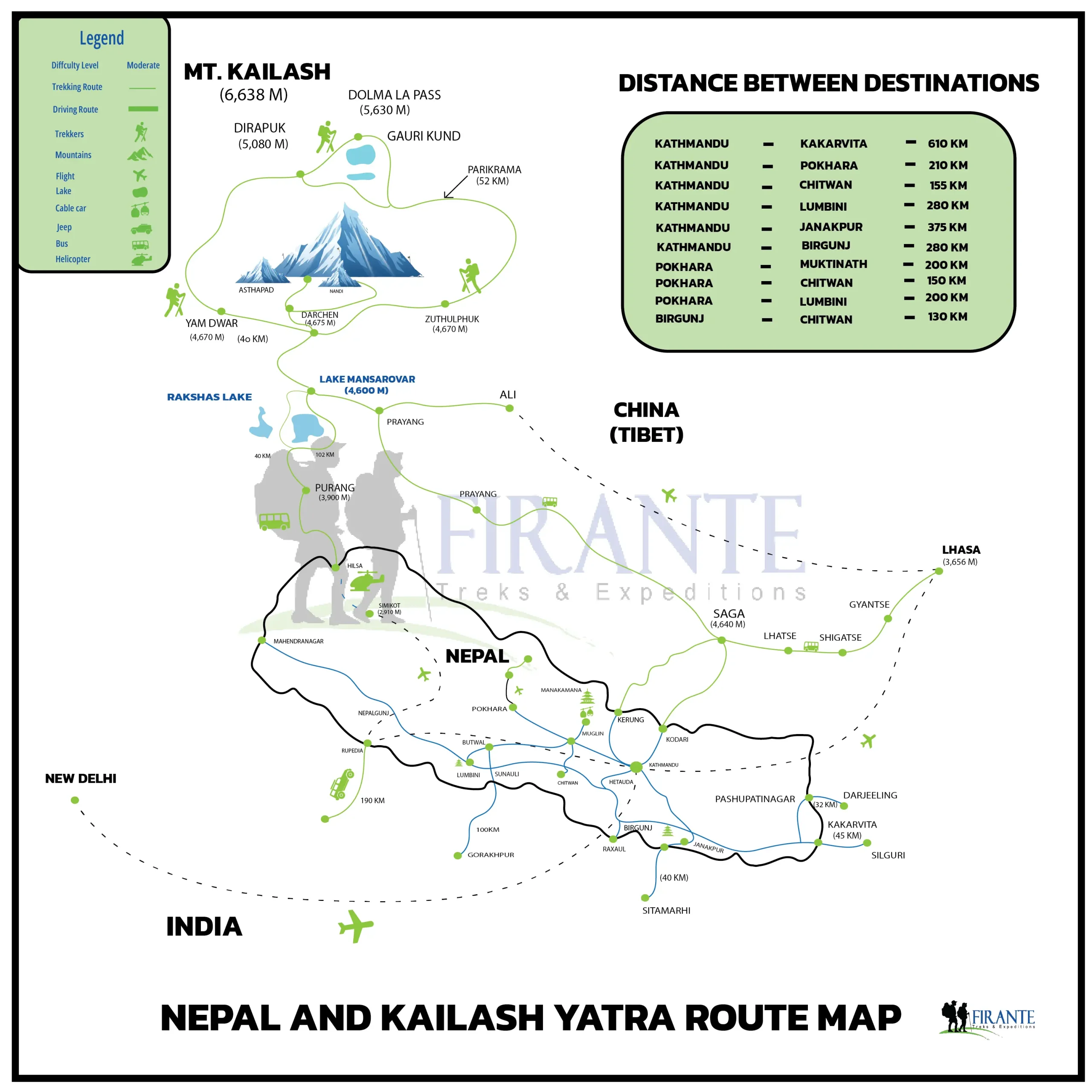
Trip Map
Trip FAQs
1. Where does the Kailash and Upper Humla Circuit Trek start and end?
The trek begins and ends in Simikot, the remote district headquarters of Humla. It forms a complete loop by crossing Nara La Pass (4,530m) and returning via the Limi Valley and Nyalu La Pass (4,995m), making it one of Nepal’s most unique circuit treks.
2. How difficult is the Kailash and Upper Humla Circuit Trek?
This is a challenging and demanding trek, suitable for experienced trekkers. The route involves multiple high passes, long trekking days, and extended time above 4,000 meters, requiring good physical fitness and prior high-altitude trekking experience.
3. What is the highest altitude reached on this trek?
The highest point of the trek is Dolma La Pass (5,630m) during the Mount Kailash kora. Other major high points include Nyalu La Pass (4,995m) and Nara La Pass (4,530m).
4. Do I need special permits for this trek?
Yes. This trek requires:
- Humla Restricted Area Permit
- TIMS card
- Tibet Travel Permit (for Mount Kailash section)
Permits must be arranged through a registered trekking agency, and a licensed guide is mandatory.
5. Is this trek suitable for beginners?
No. Due to its remote location, high altitude, and long camping sections, this trek is not recommended for beginners. It is best suited for trekkers with prior Himalayan trekking experience.
6. What type of accommodation is available during the trek?
Accommodation varies by location:
- Kathmandu & Nepalgunj: Comfortable 3-star hotels
- Simikot & Hilsa: Simple lodges or guesthouses
Trekking sections in Upper Humla & Limi Valley: Full camping trek with tents, mattresses, and a dedicated support crew
7. What kind of food is served during the trek?
During camping sections, meals are freshly prepared by the trekking cook, including:
- Dal bhat, noodles, rice, soups
- Tibetan bread, vegetables, eggs
- Hot drinks like tea and coffee
Food is nutritious and high-energy, suitable for high-altitude trekking.
8. When is the best time to do the Kailash and Upper Humla Circuit Trek?
The best seasons are:
- May to September (ideal for Humla and Kailash access)
- Saga Dawa Festival period (May/June) for spiritual travelers
Winter is not recommended due to snow, extreme cold, and flight disruptions.
9. How do I reach Simikot?
There is no direct flight from Kathmandu to Simikot. The usual route is:
Kathmandu → Nepalgunj → Simikot
Flights operate early in the morning and are highly weather-dependent, especially in the mountain sector.
Road travel is also possible, but it is not recommended for most travelers. The route follows recently opened mountain tracks with long off-road sections, no blacktop paving, frequent landslide zones, and unpredictable travel times. While adventurous, road travel carries higher risk and discomfort compared to flying.
10. Is acclimatization included in the itinerary?
Yes. The itinerary is designed with:
- Gradual altitude gain
- Rest day in Tumkot
- Multiple nights at intermediate altitudes
This helps reduce the risk of Acute Mountain Sickness (AMS).
11. Can this trek be customized or shortened?
Yes. The itinerary can be customized depending on:
- Time availability
- Fitness level
- Exit route (Simikot or Kerung)
Private or group travel
Please note that shortening the trek may affect acclimatization and safety.
12. What kind of culture and communities will I encounter?
You will meet Thakuri, Lama, and Tibetan-influenced communities, visit 400–1,000-year-old monasteries, and experience daily life that has changed very little over centuries.
13. Is the trek safe and guided?
Yes. The trek is led by experienced local guides, with full camping support, porters, cooks, and safety planning. Due to the remoteness, trekking independently is not allowed.
14. Why is this trek considered special?
This trek is often described as a living Shangri-La, combining:
- Extreme remoteness
- Ancient Buddhist culture
- High Himalayan passes
- Spiritual Mount Kailash pilgrimage
It has also been recognized internationally as one of the world’s exceptional trekking routes.
15. How physically prepared should I be?
You should be able to:
- Walk 6–8 hours per day
- Carry a small daypack (6–8 kg)
- Handle cold temperatures and high altitude
Cardio training and previous high-altitude treks are highly recommended.
You may also like

Everest Base Camp Trek
Everest Base Camp Trek: Experience the ultimate Himalayan adventure with breathtaking views of Mount Everest, Sherpa culture, and iconic monasteries. Perfect for thrill-seekers and nature lovers. Trek safely with proper acclimatization, expert guides, and essential gear.
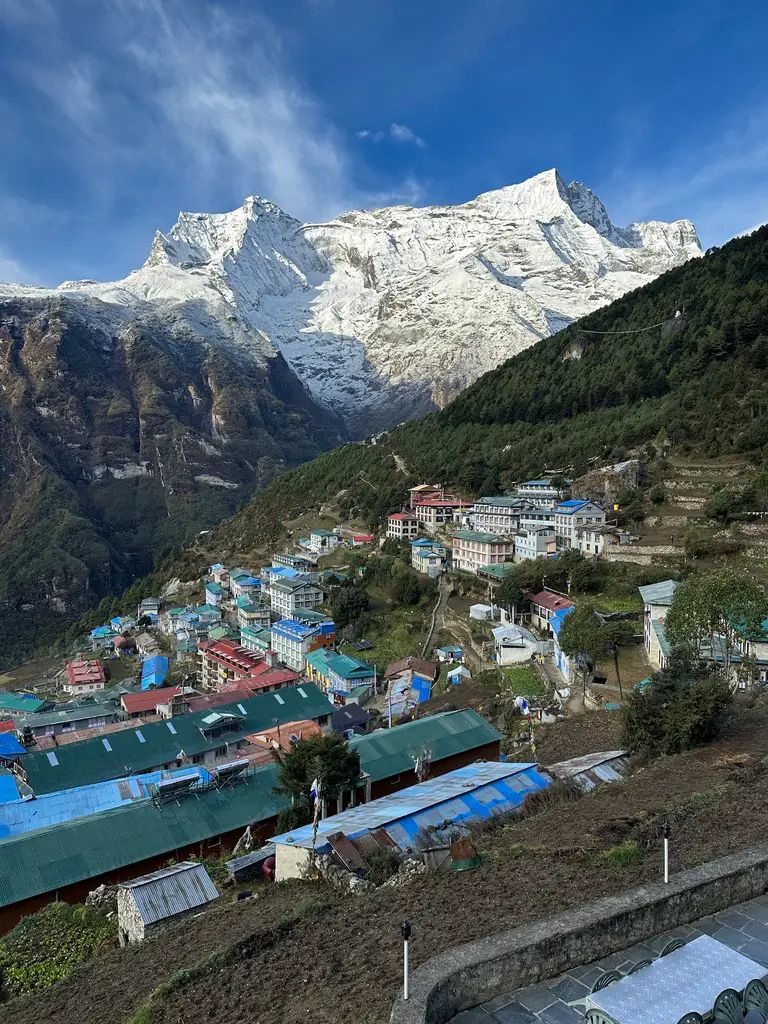
Lukla to Namche Trek
The Lukla to Namche Trek is where many Everest journeys begin, but it is also a complete journey on its own. You fly into...
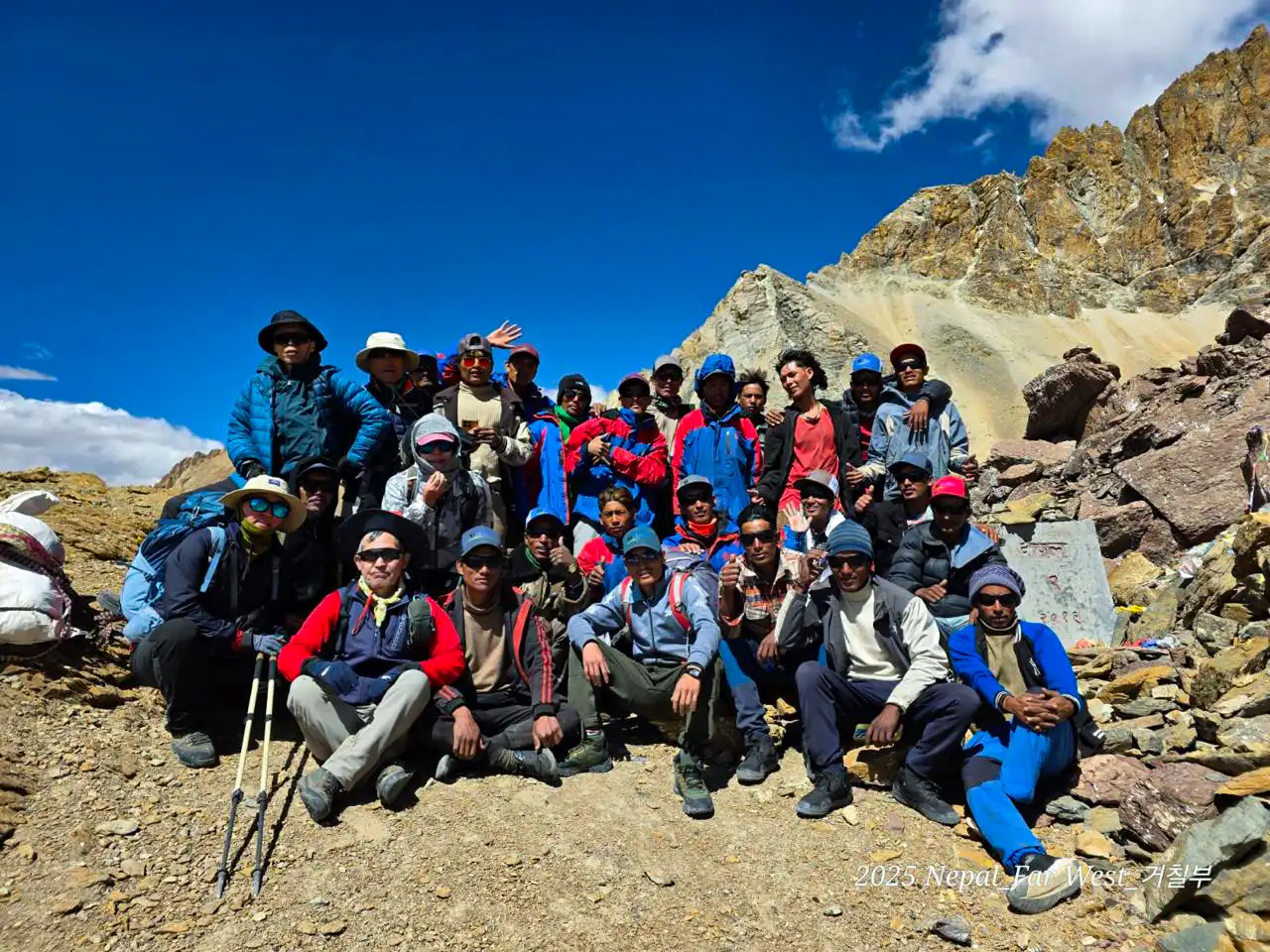
Nepal Has Two Faces. Most Trekkers Only See One. Everyone knows Everest Base Camp. Everyone has seen the photos of the Annapurna Circuit. They...
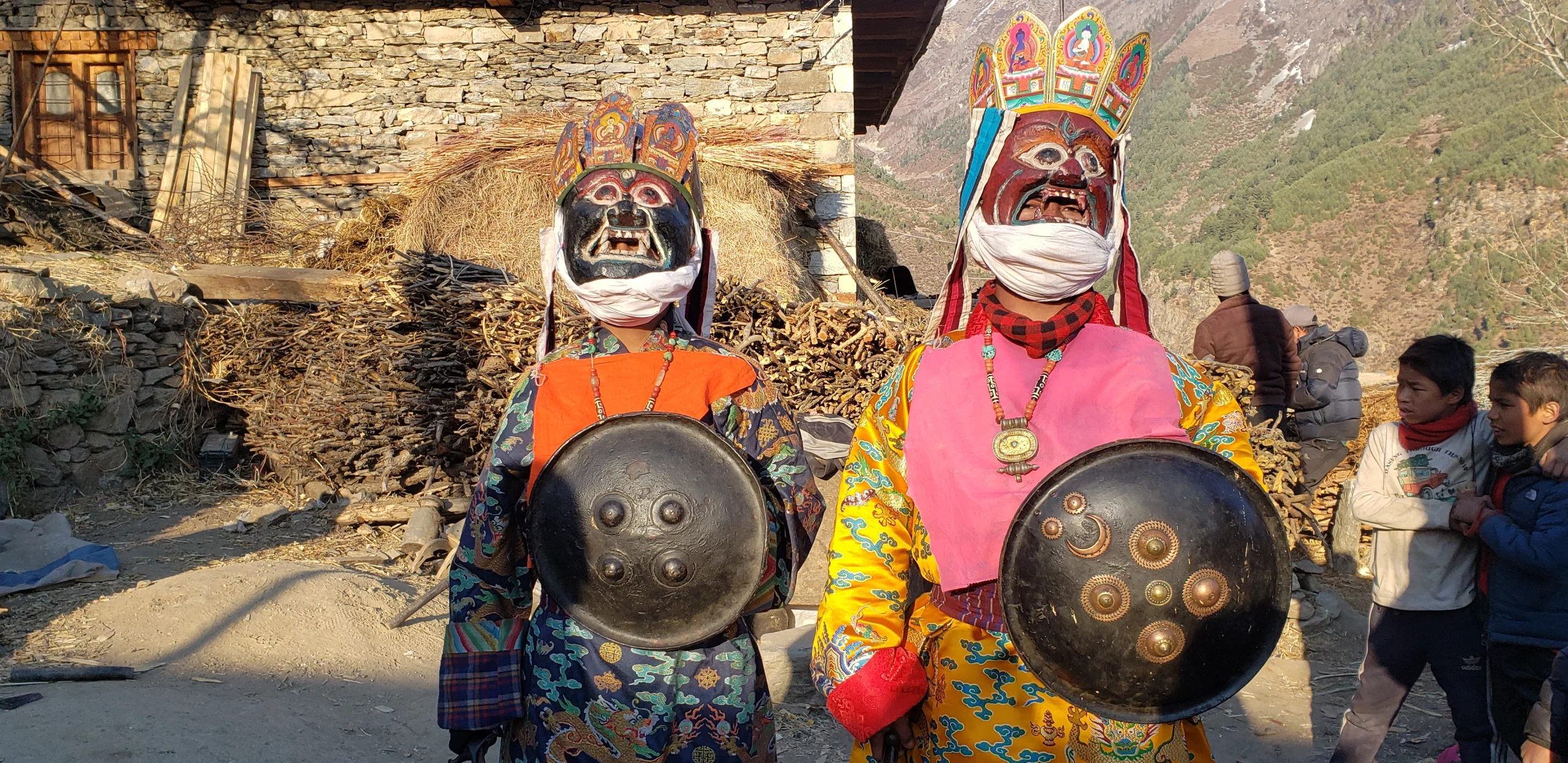
Mane Festival Humla
Mane Festival of the Nyinba community of Humla is one of the most unique festivals in Nepal. This festival reflects the lifestyle and traditions...
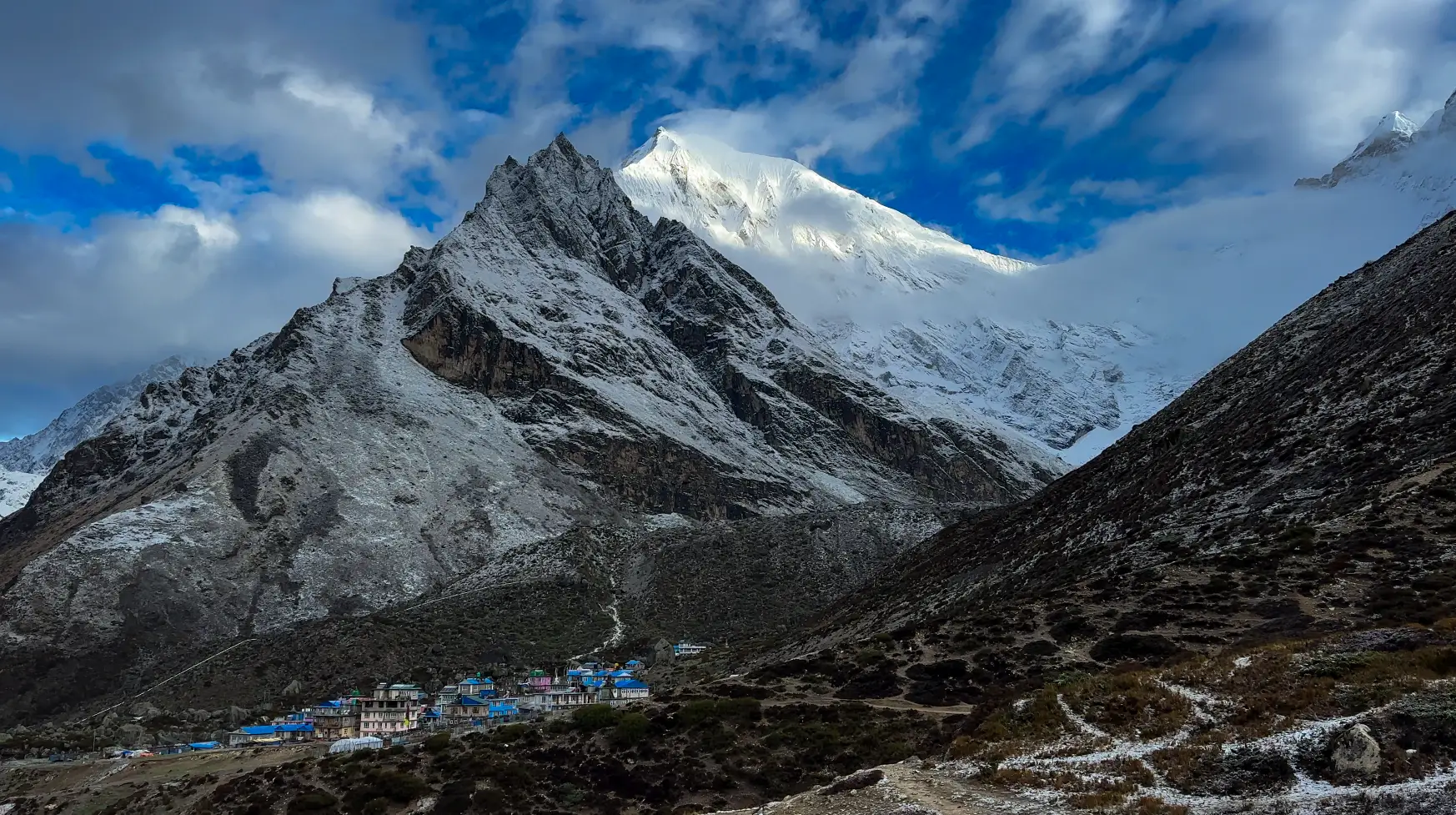
Langtang Valley Trek
Overview The Langtang Valley Trek is one of Nepal’s most beautiful and accessible Himalayan journeys. Nestled just north of Kathmandu, the valley combines stunning...
