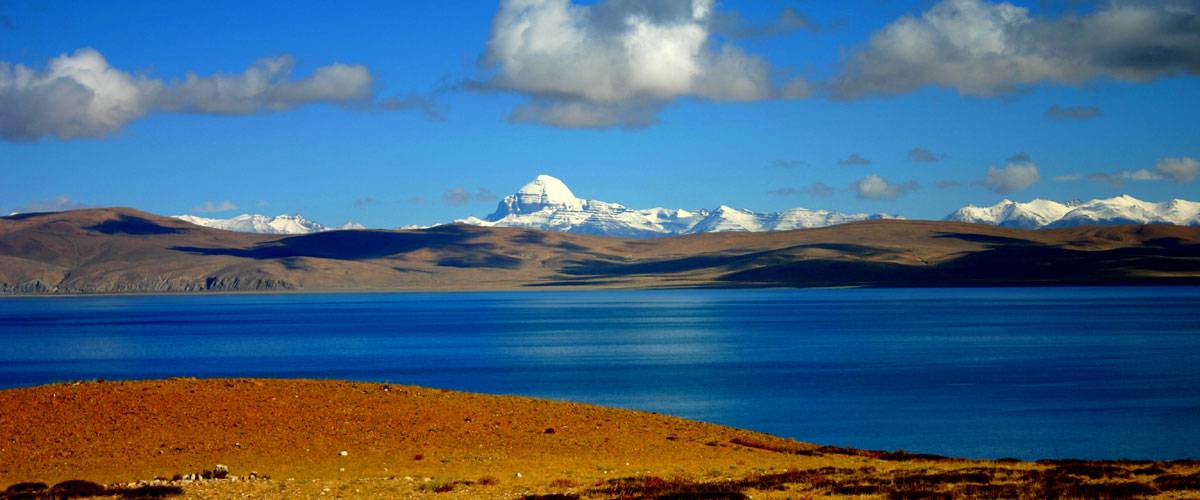
The Kailash Mansarovar Yatra via the Kerung Nepal Route is a classic overland pilgrimage that begins in Kathmandu and slowly leads you across the Himalayan frontier into the vast Tibetan plateau. Traveling by road allows for gradual acclimatization, making this route one of the most comfortable and practical ways to reach Mount Kailash (6,638m)and the sacred Lake Mansarovar (4,560m)—especially for first-time pilgrims or those seeking a less physically demanding journey.
With the reopening of the Rasuwagadhi–Kerung border, this route has once again become a preferred option for devotees. The journey unfolds through dramatic mountain valleys, wide high-altitude plains, and ancient settlements where spirituality is part of everyday life. The landscape feels open, quiet, and timeless, offering space not only to travel, but to reflect.
The experience becomes even more meaningful during Saga Dawa and the auspicious Horse Year 2026, a period believed to multiply the spiritual merit of prayers and good deeds. Pilgrims gather from across the Himalayan world to perform rituals, meditation, and the sacred three-day Kailash Parikrama (Kora)—a deeply personal and transformative walk around the holy mountain.
For those looking for a different way to experience the same sacred route, Firante Treks also operates a Kailash Motorbike Tour. Riding across the Tibetan plateau offers a unique blend of adventure and spirituality, following the traditional pilgrimage path while adding a sense of freedom and exploration on two wheels.
Whether you travel by overland vehicle, complete the kora on foot, or choose the motorbike journey, Firante Treks takes care of every detail—experienced guides, pure vegetarian meals, altitude monitoring, and reliable logistics—so you can focus fully on the spiritual essence of your Kailash Mansarovar Yatra.
There are treks, and then there are journeys that change how you see the world. The Kailash Upper Humla Circuit Trek is firmly the second kind.
This is not your typical Himalayan trail. There are no busy teahouse lodges, no crowds at the viewpoints, no phone signal to distract you. What you get instead is raw, unfiltered Nepal, the kind that most people never see. Ancient monasteries are still humming with daily prayer. Pine-forested gorges carved by the thunderous Karnali River. High-altitude passes where Tibet suddenly appears on the horizon like a mirage. And at the end of it all, the sacred pyramid of Mount Kailash (6,638 m), rising alone on the Tibetan plateau, is one of the holiest mountains on Earth.
Starting and ending in Simikot, the remote district headquarters of Humla, this 27-day circuit combines two extraordinary experiences in one unforgettable journey: the Upper Humla Circuit through the legendary Limi Valley, and the Kailash Kora, the 53 km circumambulation that Hindus, Buddhists, Jains, and Bon pilgrims have walked for over a thousand years.
If you have ever dreamed of walking somewhere that truly feels untouched, this is it.
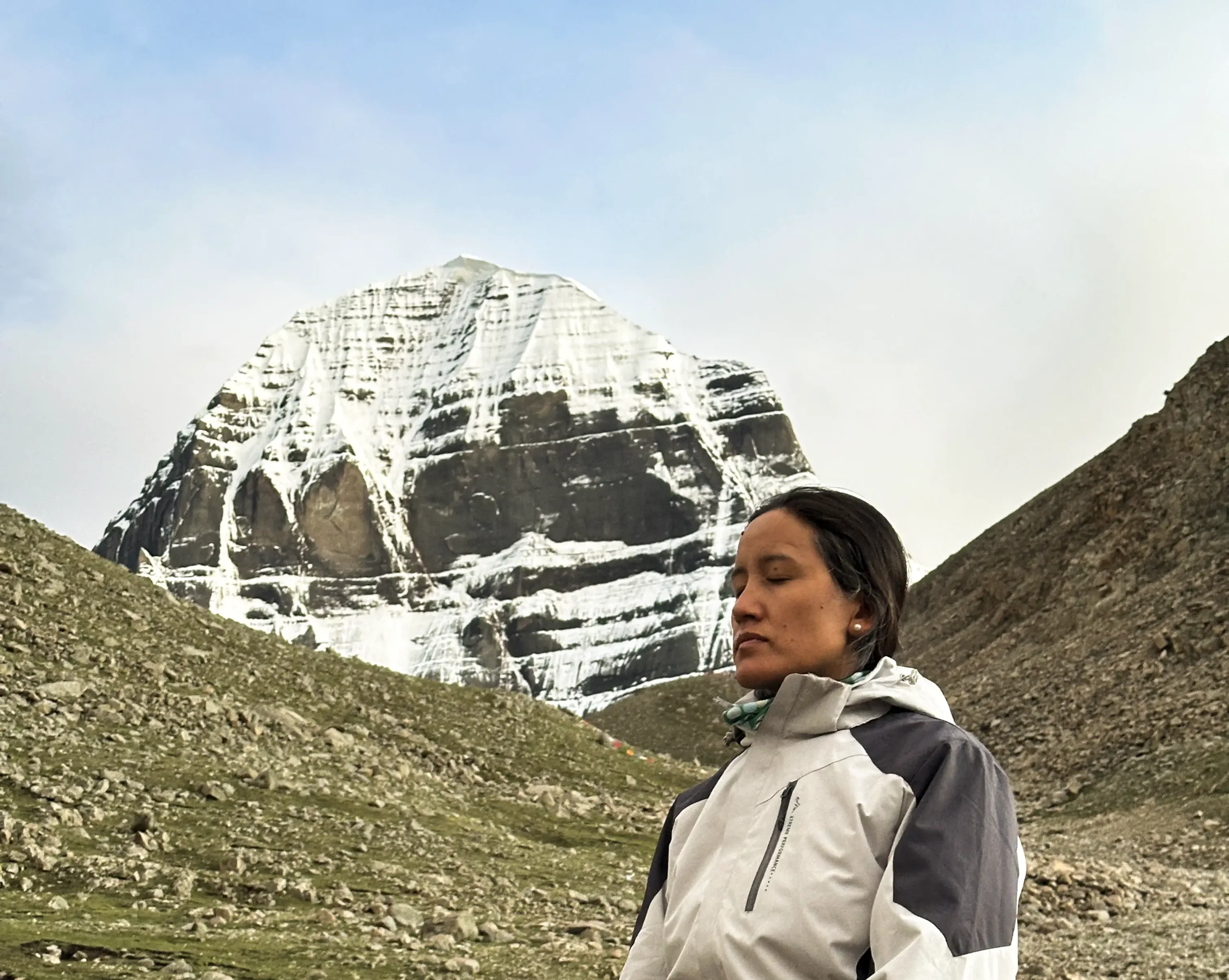
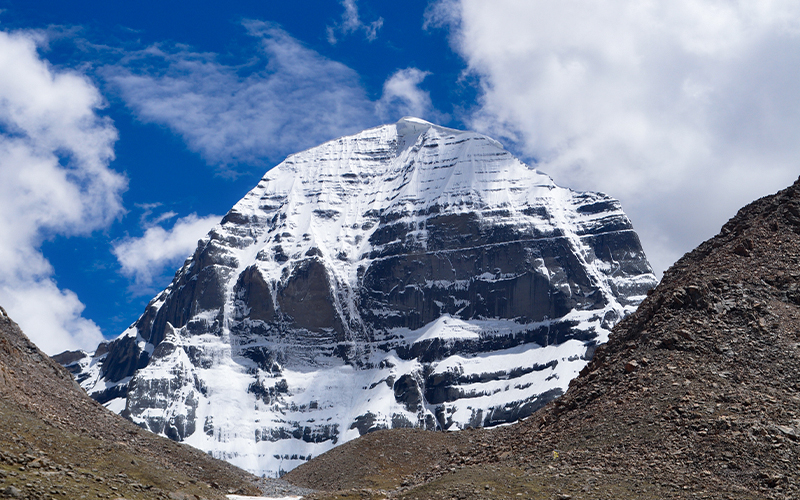
The North Face of Mount Kailash, the spiritual heart of the Himalayas.
WHY THIS TREK IS DIFFERENT
Most people who come to Nepal have heard of Everest Base Camp. Some have heard of Annapurna. Very few have heard of Humla, and that is exactly the point.
Humla is Nepal’s most remote district. For most of its history, the only way in was by air, a short mountain flight from Nepalgunj, a 45-minute hop in a small prop plane that skims over ridgelines and drops into Simikot’s narrow airstrip. In recent years, a rough unpaved track has been carved through the mountains, making it technically possible to reach Humla by road — but “possible” is doing a lot of heavy lifting in that sentence. The route is rugged, seasonally unreliable, and an adventure in itself. For most trekkers, the flight remains the practical and far preferable choice. From the moment you land at Simikot, you feel it regardless of how you arrived: this is somewhere genuinely different.
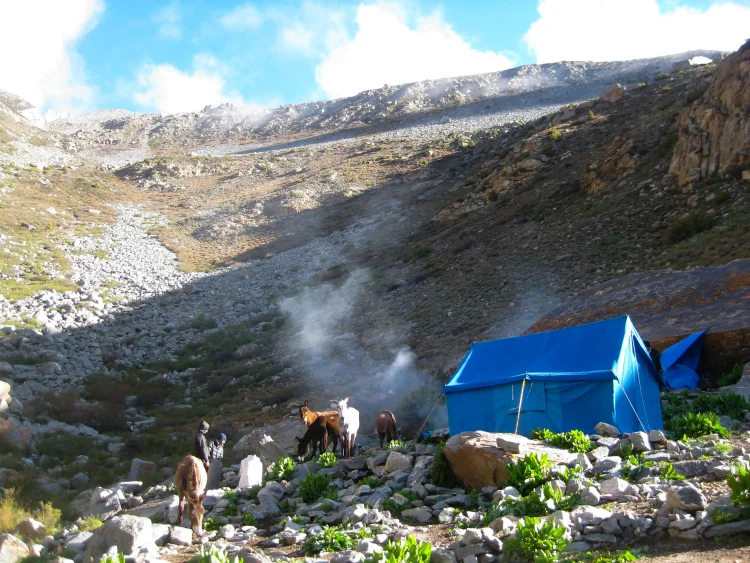
Camping in Upper Humla along the Kailash circuit, surrounded by vast landscapes and complete silence.
The Upper Humla Circuit takes you deep into the Limi Valley, a hidden Himalayan world that Nepal trekking pioneer Steve Razetti once listed among the Top 10 Treks in the World. It is a place where ancient Tibetan Buddhist culture has survived almost completely intact. Where monasteries built between 400 and 1,000 years ago still receive monks every morning, where yak caravans move through high passes exactly as they have for centuries.
And then you cross into Tibet. You walk the Kailash Kora. And you understand why millions of pilgrims across four religions consider this mountain the spiritual centre of the universe.
This is not a holiday. It is a pilgrimage. And it will stay with you for the rest of your life.
THE KAILASH KORA — WHY IT MATTERS
Mount Kailash has never been climbed. Not because it is technically impossible, several mountaineers have studied the routes. But by deep, cross-cultural agreement, it remains unclimbed out of respect. It is the one great summit that humanity has collectively decided to leave alone.
Four major religions claim it as sacred. Hindus believe Lord Shiva meditates on the summit, with Goddess Parvati beside him. Tibetan Buddhists consider it the throne of Demchok, representing supreme bliss. Jains revere it as the place where their founding teacher Rishabhadeva attained liberation. The ancient Bon religion, Tibet’s pre-Buddhist tradition, calls it the nine-storey Swastika Mountain, the central pillar of the world.
Walking the Kora, the 53 km circuit around the mountain, is said to wash away the sins of a single lifetime. Walk it 108 times, and you reach enlightenment. Most of us will be satisfied with once.
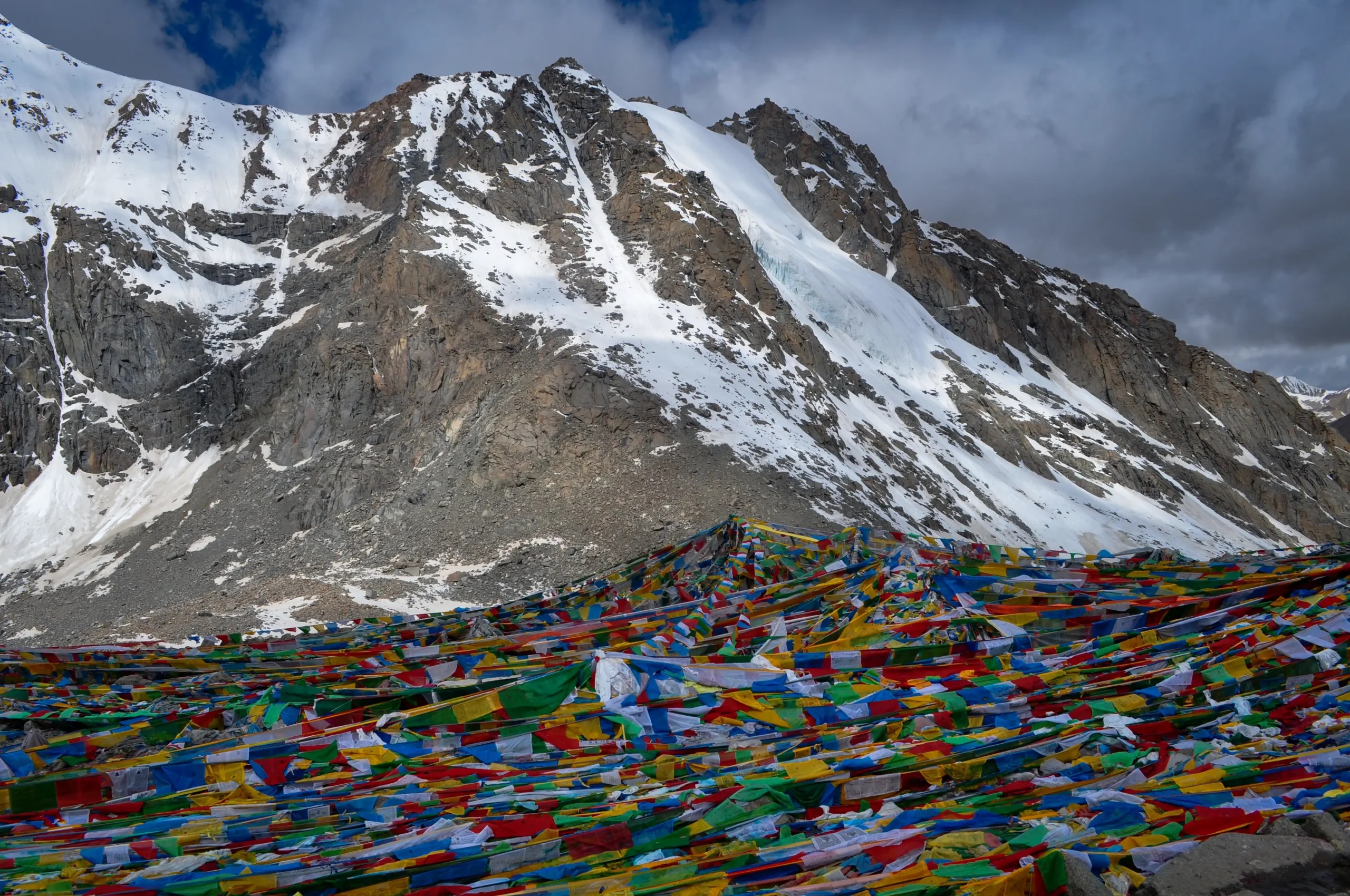
The route crosses Dolma La Pass at 5,630m, the trek’s highest point, where prayer flags fill the sky, and exhausted pilgrims weep from altitude, emotion, and sheer relief. Below lies a glacial lake of startling blue, and the descent brings the full south face of Kailash into view, four near-perfect walls of dark rock and snow rising into a sky that feels closer here than anywhere else on Earth.
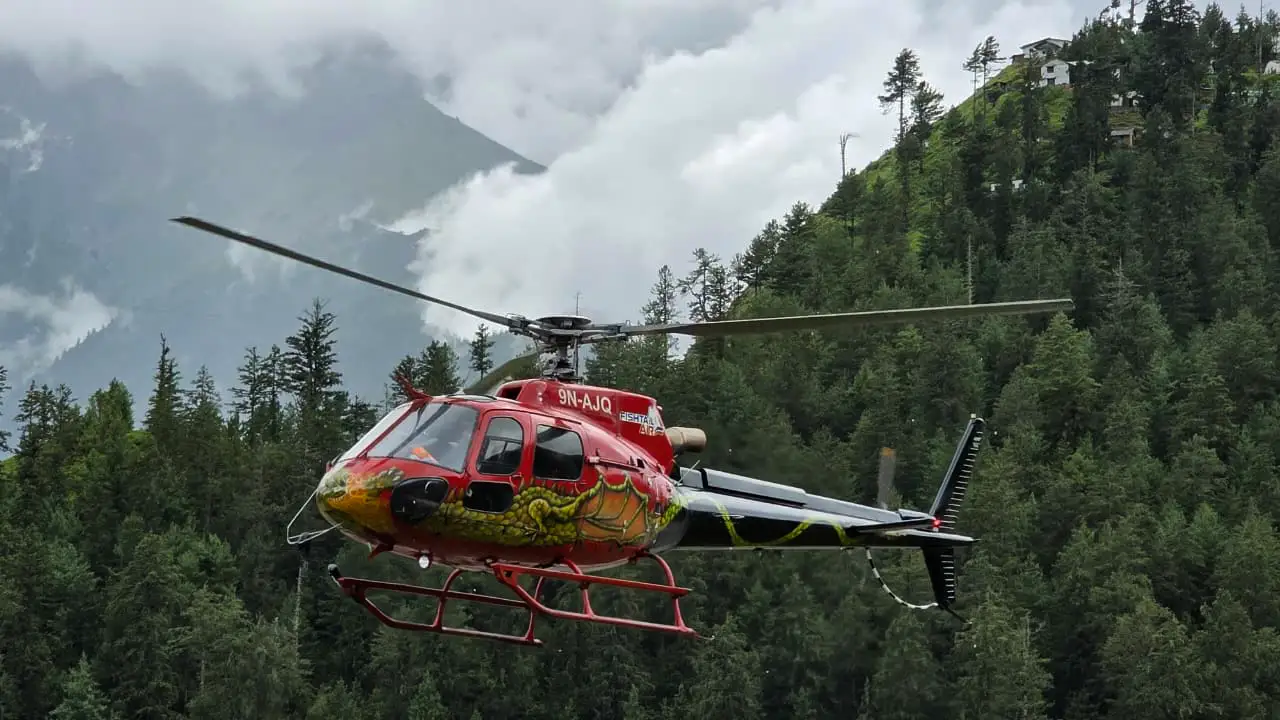
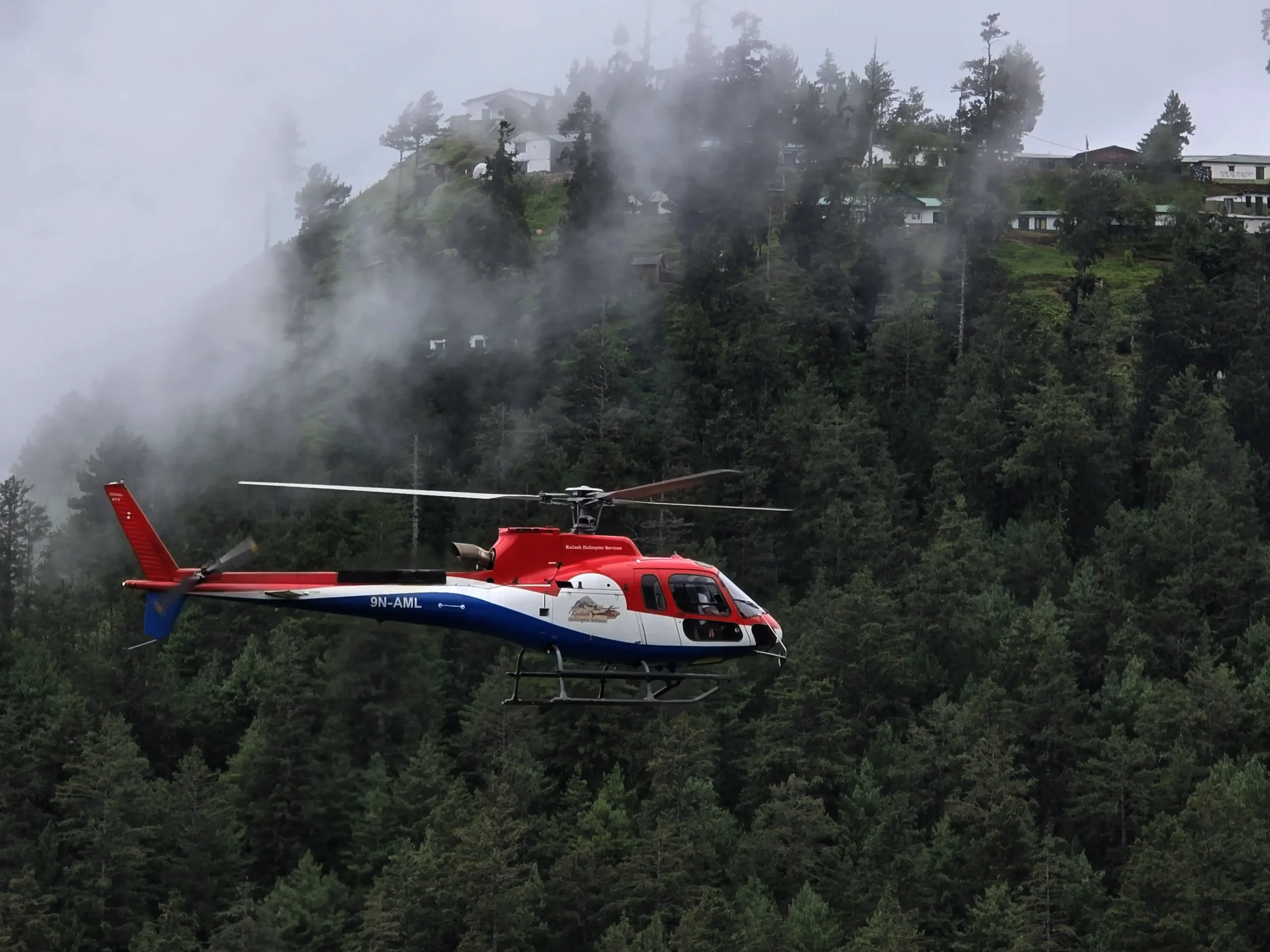
Kailash Mansarovar yatra is one of the most popular pilgrimages in the world, but it is also one of the most difficult and physically demanding pilgrimages in Asia due to the high altitude of 19,500 feet and hostile circumstances. The helicopter yatra from Lucknow is one of the quickest and most convenient ways to see Mt. Kailash and Lake Mansarovar. This nine-day helicopter tour takes you to the Nepal-China border via flights, from where you may see Kailash Manasarovar through comfortable and short drives.
The pilgrimage to Mt. Kailash is more than just a trip to the top of a mountain. It is a spiritual journey. For Hindus, it is the residence of Lord Shiva, for Buddhists, it is the home of Buddha Demchok, and for Jainists, it is the site of Nirvana. Each year, thousands of devout tourists bathe in the holy waters of Mansarovar and gaze at the sunset over Mt. Kailash. Many have termed the path the “steps to heaven,” and it is intended for both devout pilgrims and enthusiastic trekkers eager to explore and self-actualize.
The Kailash Mansarovar Yatra by helicopter will reduce the inconvenience of traveling difficult terrains to reach truly isolated areas. The harsh weather and the difficulties of traveling lengthy distances might detract significantly from this once-in-a-lifetime adventure. However, the Kailash Mansarovar Yatra, which departs from Nepalgunj by helicopter, securely avoids all of this, providing just the best experiences to the pilgrims. It is designed for pilgrims with a limited amount of time. This journey will provide you with breathtakingly beautiful vistas, mysterious mountains and lakes, and new inspiration.
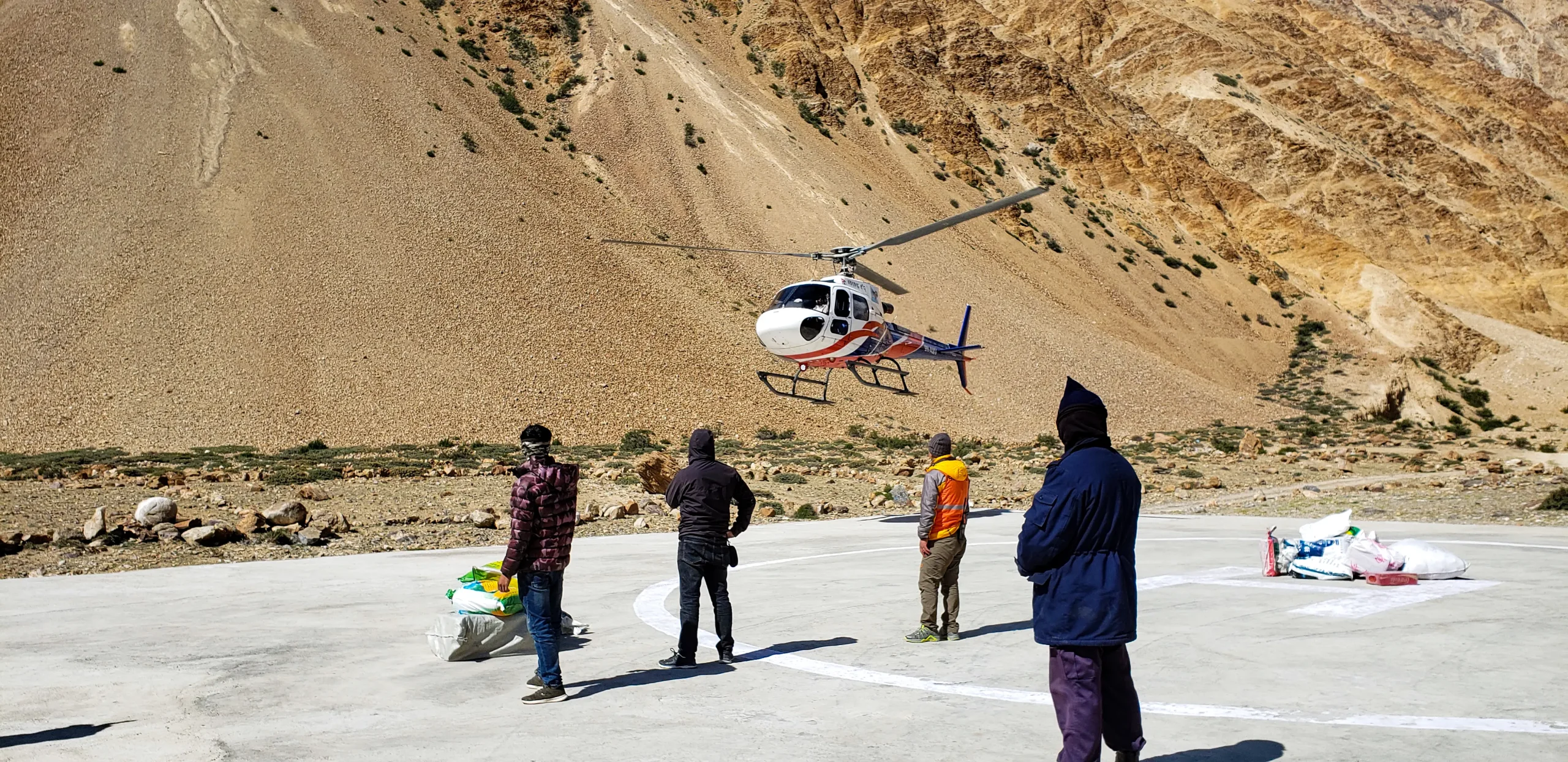
Driving from Lucknow to Nepalgunj via the India-Nepal border is the first step. After that you will take a regular flight to Simikot and then later you will use chartered helicopter to reach Hilsa. Following the completion of your immigration formalities, you will travel to Taklakot (also known as Purang) and drive to the holy Lake Manasarovar. You can bathe in the holy lake or drink its water if you choose, as Hindus believe it will purify your all sins. You will eventually complete the Mt. Kailash parikrama in the next days, which is the most difficult stage of the Yatra, but you will gain new energy and a new perspective on life. After the excursion, you will return the same way you came before. This journey will cleanse your mind and rejuvenate your body and it is not to be missed.
Pilgrims from all over the world have a deep confidence in Mount Kailash, which is viewed differently by worshippers from many countries and ethnic groups. The Kailash Helicopter Tour allows travelers who have a strong desire to visit this sacred site but have limited time to do so to visit Mt. Kailash Manasarovar Yatra in a short amount of time. This excursion is meant for physically challenged or senior persons who wish to pay a visit to the Hindu deity Lord Shiva but are unable to trek the rocky and difficult pathways of Kailash.
Kailash and Manasarovar are the holiest places on the planet as per Hindus, Buddhists and Jains. According to Hindu myth, Mt. Kailash is Lord Shiva’s home, while Manasarovar Lake is Shiva and Parbati goddess’s bathing place. According to Buddhism, Kailash Manasarovar is the God of Snow Jewels and the meditation site of Buddha disciples (Guru Rimpoche). The 52-kilometer Kailash kora/parikrama is known as the sacred walk since it reveals many different religious philosophies at each step. Thousands of yatris participate in the world’s most famous yatra every year, with Hindus and Buddhist devotees appreciating the religious significance, cultural significance, and natural beauty of Kailash Mountain and Manasarovar Lake in Tibet.
The Kailash Manasarovar Helicopter Tour is considered a luxury tour in Tibet that begins from Kathmandu, Nepal’s capital city. On a trip from above the country’s mountains, the view from Simikot via Nepalgunj is truly stunning. Following our arrival on Simikot, we will board a private aircraft for a journey to Hilsa, where we may take in the breathtaking scenery beneath us. From here, the overland route to Mount Kailash and Lake Manasarovar is easy and pleasant. We will travel farther up to Darchen with the help of a professional guide and crew and then embark on a three-day Parikrama walk around Mt. Kailash (also known as Kora), allowing the spiritual belief to sink in.
We will embark on an overland trek to Lake Manasarovar after an exhilarating yet tranquil experience on Mt. Kailash. Most pilgrims consider the lake’s water, which they refer to as “Jal,” to be pure holy water. We will grab a small amount of water and continue on our way back to Taklakot. We will return to Simikot by helicopter and finish our adventure in Kathmandu on a regular aircraft.
The journey includes high and remote mountain flying, unique Hindu practices, Buddhist and Tibetan culture highlights and breathtaking panoramic vistas of Nepal and Tibet in the huge Karnali canyon with small hidden valley.
Mt. Kailash and Lake Mansarovar are two of the most important pilgrimage sites in the world for Hindus, Buddhists, Jains and Bon followers. An 11 Day Trip to Mt. Kailash through Simikot-Hilsa is the shortest, most balanced itinerary of all the routes to Mt. Kailash. The Adventure begins with a Blessing from Pashupatinath Temple in Kathmandu prior to flying to Nepalganj, then Simikot; pilgrims enter Tibet through Hilsa, travel onwards to Purang, then finally arrive at the Holy Lake Mansarovar. The highlight of the trip occurs during the 3-day journey around Mt. Kailash in which pilgrims go over the Dolma La Pass (5630m), which signifies to return to a real spiritually add free area and to be completely purified through it. If you are a pilgrim looking for a peaceful, less populated way and a much more enriching journey to Mt. Kailash, this itinerary will be your perfect route.
The Mount Kailash Saga Dawa Festival Trek via Simikot 2026 is a rare spiritual journey that combines one of the holiest Buddhist festivals with the most authentic and scenic route to Mount Kailash. Taking place during the sacred Saga Dawa Festival—the month that marks Lord Buddha’s birth, enlightenment, and parinirvana—this pilgrimage holds exceptional religious importance, especially in the Horse Year 2026, believed to multiply spiritual merit many times over.
This journey follows the Kailash Mansarovar Yatra via Simikot, Nepal’s most remote and culturally rich gateway to Tibet. Opened after the Nepal–China border agreement in 1993, the Simikot–Humla route is considered the shortest and most gradual approach to Mount Kailash, making it ideal for proper acclimatization and a deeper spiritual experience. Unlike busier routes, this path allows pilgrims to walk ancient trade trails, cross high Himalayan passes, and slowly transition into the vast Tibetan Plateau.
The trek begins in Simikot (2,910m), reached by flights via Nepalgunj, and continues on foot and by drive through the upper Humla region toward the Nepal–Tibet border at Hilsa. Along the way, travelers cross the Nara La Pass (4,530m) and experience dramatic landscapes shaped by time, faith, and nature. The slower pace of this route is especially valued during Saga Dawa Festival at Mount Kailash, allowing pilgrims to arrive physically prepared and mentally grounded.
Upon entering Tibet, the journey continues to Lake Mansarovar and Mount Kailash, where pilgrims witness grand Saga Dawa celebrations—prayer flags raised, monasteries alive with chanting, and thousands of devotees performing sacred rituals. For many, performing the Kailash Kora during Saga Dawa is a once-in-a-lifetime spiritual calling.
This Kailash Yatra 2026 via Simikot is ideal for pilgrims seeking authenticity, spiritual depth, and a less commercialized route—whether traveling traditionally on foot or opting for support options such as horse or helicopter assistance from Simikot where available.
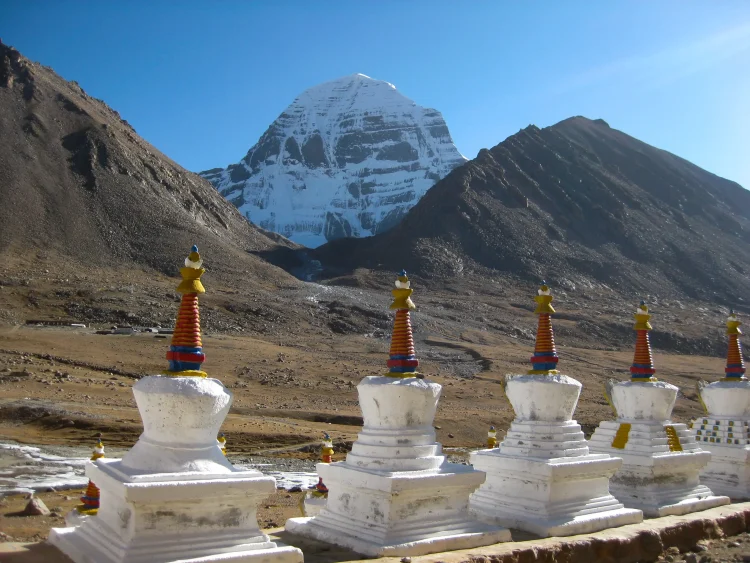
If you’re dreaming of a once-in-a-lifetime spiritual journey to Mount Kailash, 2026 is the year to make it happen. This is the Tibetan Year of the Horse—a cycle that comes around every 12 years, and believers say the merits from walking the kora multiply in ways that feel almost magical. Add the Saga Dawa Festival peaking on May 31, 2026 (the full moon day celebrating Buddha’s birth, enlightenment, and Parinirvana), and you’ve got one of the most powerful times to be there. Pilgrims from everywhere gather at Tarboche for prayers, flag-raising, and that electric energy you only feel in sacred places like this. Our 14-day Mount Kailash Saga Dawa Festival Tour via Zhangmu starts right here in Kathmandu—easy for anyone flying in. We take the classic overland route across the Kodari-Zhangmu border (also called the Friendship Bridge), climbing steadily through lush Nepali valleys into the wide-open Tibetan plateau. It’s a scenic drive with dramatic changes: green hills one day, high desert the next. We build in extra time at Nyalam for proper acclimatization so the altitude doesn’t catch you off guard—trust me, that’s key at 3800m+. Along the way, you’ll reach the holy Lake Manasarovar for quiet rituals and maybe a dip if the weather cooperates, then head to Darchen for the three-day Kailash kora—that unforgettable 52km loop with the north face views at Dirapuk and the tough but rewarding climb over Dolma La Pass (5630m). We handle everything: Tibet group visa and permits, comfortable 4WD Land Cruiser rides, simple guesthouses, vegetarian meals, English-speaking guides, and porters/yaks for the trek days. This isn’t just a tour—it’s a pilgrimage that leaves most people changed. We’ve run this route for years from our base in Kathmandu, and every group comes back talking about the silence on the plateau, the festival vibes, and that sense of completion after finishing the kora. Fixed departures timed for late May 2026—small groups, personalized feel. Ready to join? Drop us a message, and let’s get you sorted.
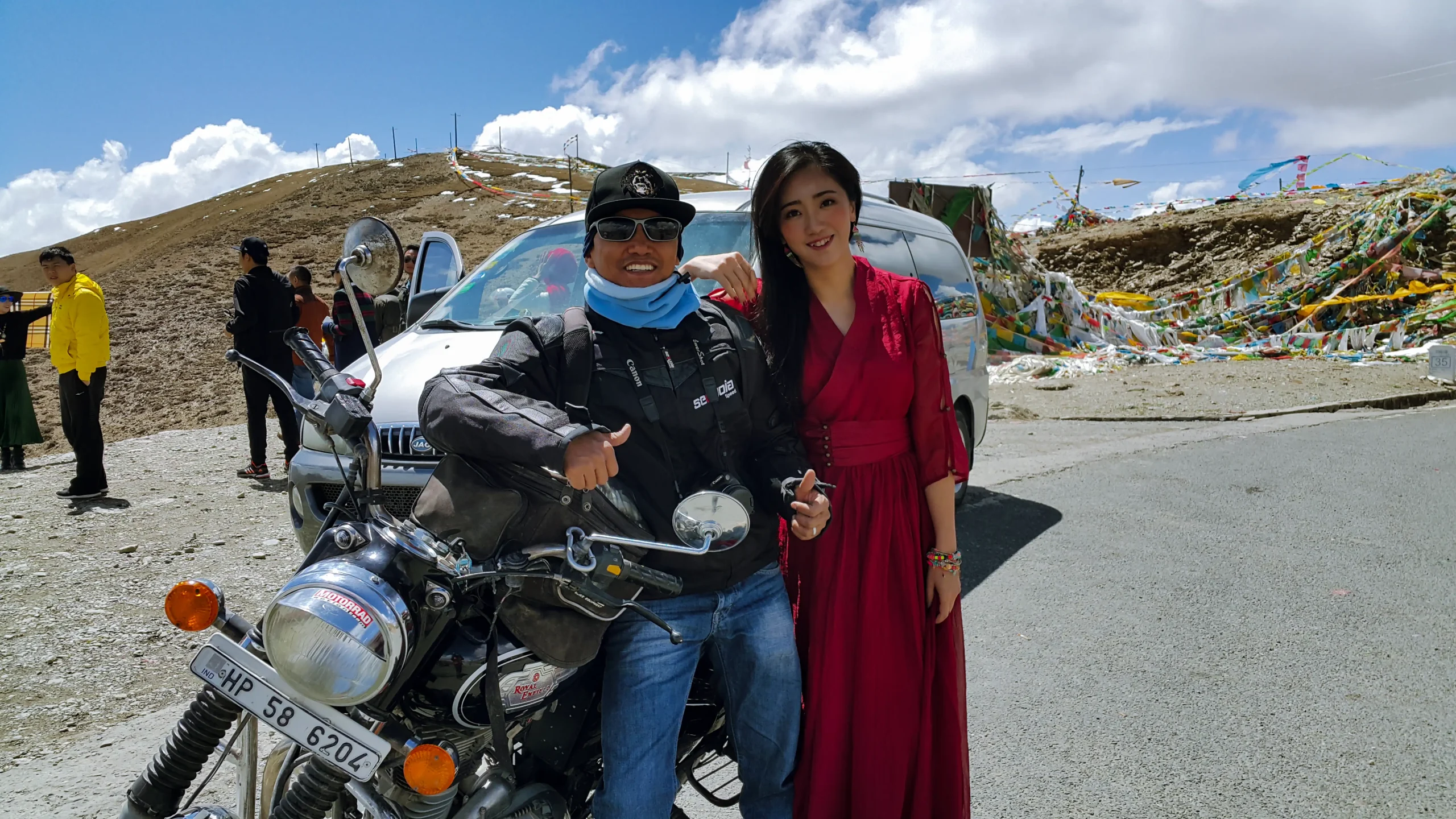
I’ve done this ride a few times now, and every single trip feels different—like the mountain itself decides what you’ll take home. Our Mount Kailash motorbike tour starts and ends in Kathmandu, but the real story begins the moment you cross into Tibet at Kerung. Over about 1,600 kilometres of riding—some days smooth, some days rough as hell—you’re heading straight to the heart of something ancient: Mount Kailash and the still, shining waters of Lake Manasarovar.
People have been coming here for centuries. Hindus see Kailash as Lord Shiva’s home; Buddhists, Jains, and Bon followers call it the center of the universe. Yet hardly anyone actually makes it. It’s just too far out there in western Tibet. That’s what makes this Kailash yatra by motorbike so special—you’re not just ticking off a destination. You’re earning it, one twist of the throttle at a time.
You’ll be on a Royal Enfield, the bike that was practically born for these roads. The route throws everything at you: tight Himalayan switchbacks, wide-open plateaus where the sky feels bigger than the land, stretches of desert that look almost lunar. One minute you’re waving at kids in Nepali villages, the next you’re sipping salt-butter tea with Tibetan nomads who smile like they’ve been waiting for you all day. Prayer flags snap overhead, yaks wander across the track, and every pass you crest gives you another jaw-dropping view of snow peaks and that impossible turquoise lake.
When you finally roll into Darchen, the bikes stay parked. That’s when the real pilgrimage starts—the three-day Kailash Kora on foot. It’s tough, no question. The Dolma La Pass at 5,630 metres will test you, but reaching the top and looking down at Gauri Kund… something shifts inside. Most people I’ve travelled with say the same: those three days walking around the mountain change you in ways you can’t quite explain until you’re back home telling the story.
We take care of every detail so you don’t have to think about paperwork or permits. Tibet visa, bike permits, border formalities—all sorted. You’ll have an English-speaking Tibetan guide who knows these roads like family, good accommodations, and proper acclimatisation stops (two nights in Kerung make a huge difference). Whether you’re joining from Delhi, elsewhere in India, or flying into Kathmandu, we make the logistics disappear.