

Had a great experince in nepal. Would love to back with my friends. Thanks for every thing firante team.

Country
Nepal

Trip Durations
15
Days

Activities
Trekking

Trip Difficulty
Difficult

Meals
Breakfast, Lunch & Dinner

Best Season
Spring (Apr-May)/ Autumn(Sep-Oct)

Start/End Point
Kathmandu / Kathmandu
Group Size
Min 2 Pax
Trip overview
There are treks you finish, and then there are journeys that stay in your memory for years. The Chang La Valley Trek via Tangin is one of those rare journeys that feels meaningful long after you return home.
Located deep in Humla in far-western Nepal, this 15-day trek goes into a region where roads still do not reach and tourism remains very limited. Life here depends on seasons, farming, and livestock, and the pace is noticeably slower than in Nepal’s popular trekking areas. Facilities are simple, but the experience feels honest and grounded.
Your trip starts in Kathmandu, a busy city where temple bells, traffic, and street life all blend together. From there you fly west to Nepalgunj and then continue to Simikot, the small hill town that serves as the main entry point to Humla. Once you leave Simikot, there are no roads ahead. Walking becomes the only way to move between villages.
The trail follows old trading routes once used by caravans transporting salt, wool, and grain between Tibet and the lower valleys. You cross wooden bridges, walk through terraced fields and open pastures, and follow ridgelines with wide views in every direction. On some days you may walk for hours without meeting other trekkers.
As you move deeper into the Chang Valley toward Tangin, the sense of isolation becomes stronger. Villages grow smaller, houses are built from stone and earth, and long prayer walls mark the entrances to settlements. Tibetan Buddhist traditions guide everyday life here. Inside monasteries, butter lamps burn quietly. Outside, prayer flags flutter above passes and yak bells can often be heard from distant slopes.
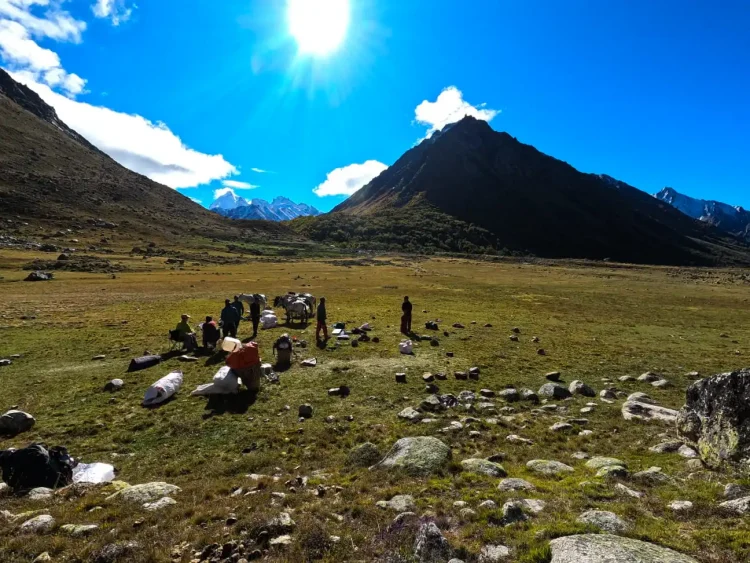
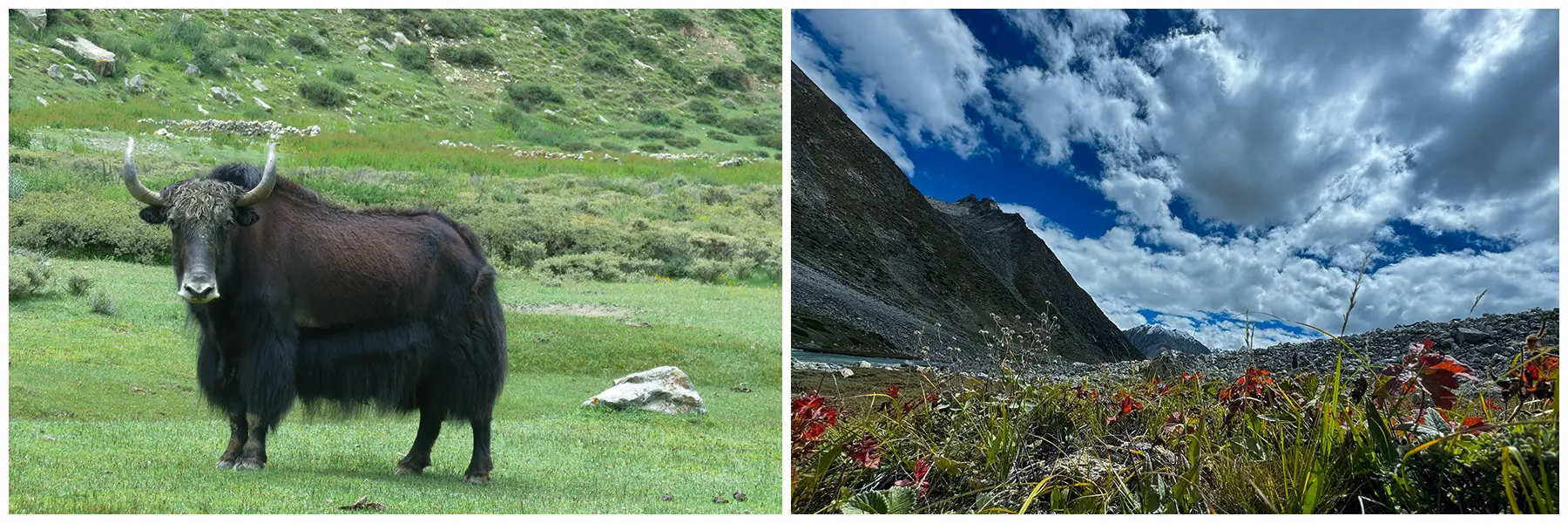
This trek is considered difficult, mainly because of altitude and remoteness. The route reaches above 4,300 metres, trails can be rough, and accommodation in higher areas is basic. However, these same conditions help preserve the region’s natural and cultural environment. Trekkers sometimes see Himalayan blue sheep on cliffs, large birds riding mountain winds, or fresh animal tracks after a cold night.
The Chang La Valley Trek via Tangin is not for travellers looking for comfort or luxury. It is better suited to those who appreciate quiet landscapes, genuine cultural encounters, and the feeling of being far from modern crowds. For many people, that sense of remoteness becomes the most memorable part of the journey.
Why Choose the Chang La Valley Trek?
A Rarely Visited Region
While popular trekking areas continue to attract large numbers of visitors, Humla remains one of the least visited districts in Nepal. Villages, rivers, and mountain landscapes here still function largely without outside influence.
Authentic Local Culture
In Tangin and nearby settlements, hospitality comes from tradition rather than tourism. Meals are home-cooked using local ingredients such as barley, potatoes, and dairy products. Visitors are usually welcomed into family homes, which creates more personal interactions.
High-Altitude Wildlife
The remote terrain supports wildlife adapted to harsh mountain conditions. Blue sheep are frequently seen, and the area is considered potential habitat for snow leopards. Birdlife includes large raptors and colorful species such as the Himalayan monal.
A Genuine Physical Challenge
This trek requires preparation and stamina. Walking days are long, the air is thin at altitude, and support services are limited. Many trekkers find that completing such a remote route brings a strong sense of achievement.
A Deep Cultural Landscape
Ancient stupas, mani walls, monasteries, and prayer-flag-covered passes reflect a living Buddhist tradition that still shapes daily life. Travelling respectfully through these valleys offers insight into a way of life that has changed little over generations.
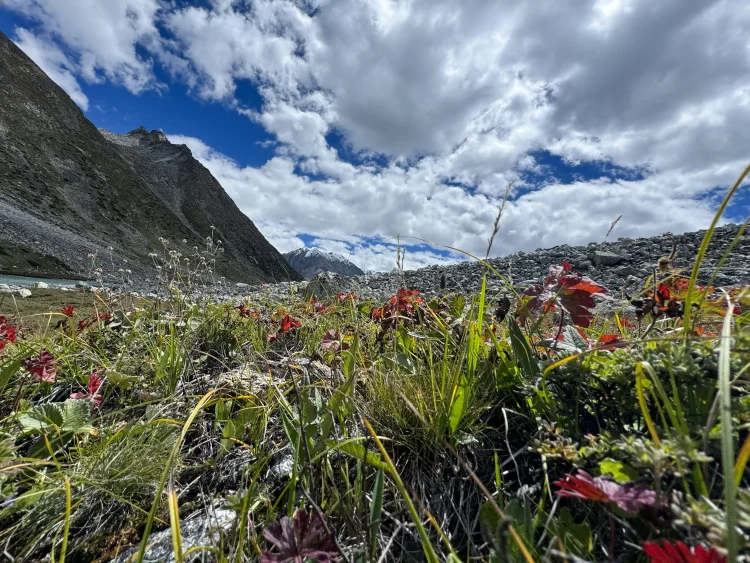
Chang La Valley Trek Via Tangin Highlights
- Trek through Humla; Nepal’s most remote and least-visited district
- Witness living Tibetan Buddhist culture in the ancient Tangin village
- Cross high-altitude terrain above 4,300m with panoramic Himalayan views
- Search for snow leopards, Himalayan blue sheep, and monal birds in genuine wilderness
- Experience authentic village homestays and community hospitality
- Follow ancient Himalayan trade routes connecting Nepal and Tibet
- Fly into Simikot, one of Nepal’s most remote and dramatic airstrips
- Acclimatisation day built in for safety and deeper local exploration
Chang La Valley Trek Via Tangin Itinerary
Expand All
01
Day
Arrive in Kathmandu (1,350m) – Hotel Transfer & Tour Briefing
Upon arrival at Tribhuvan International Airport, our team will greet you and transfer you to your hotel. In the evening, enjoy a short briefing about the trek. If time permits, take a short stroll through the vibrant streets of Kathmandu.
Meals: Breakfast
Accommodation: Hotel
Max Altitude: 1,350m
02
Day
Fly to Nepalgunj (150m)
Take a scenic flight to Nepalgunj, a bustling city in the western Terai near the Indian border. The warm plains offer a stark contrast to the mountainous regions you’ll explore. Stroll through the local markets and feel the blend of Nepali and Indian cultures.
Meals: Breakfast, Lunch, Dinner
Accommodation: Hotel
Max Altitude: 150m
03
Day
Fly to Simikot (2,910m), Trek to Dojam (2,540m)
Board a morning mountain flight to Simikot, the district headquarters of Humla. Begin your trek on a gently descending trail through barley fields and stone-built villages. Arrive at Dojam, nestled beside pine forests.
Meals: Breakfast, Lunch, Dinner
Accommodation: Camping in Dojam
Trek Time: 2-3 hrs
Max Altitude: 2,910m
04
Day
Trek from Dojam to Sambakong (3,186m)
Climb steadily through a mix of pine and oak forests, with the sound of rivers echoing below. Pass scattered yak herder shelters and interact with local Thakuri people who still live a semi-nomadic lifestyle.
Meals: Breakfast, Lunch, Dinner
Accommodation: Camp
Trek Time: 5-6 hrs
Max Altitude: 3,186m
05
Day
Trek to Dukling (3,585m)
Today’s trail becomes more remote, entering into alpine terrain. The trail undulates across ridges and rivers, offering glimpses of eagles, musk deer, and mountain goats.
Accommodation: Camping
Trek Time: 5-6 hrs
Max Altitude: 3,585m
06
Day
Trek to Gurdukpa (3,985m)
Ascend gradually to Gurdukpa through birch and juniper woodlands. The meadows here are frequented by Himalayan marmots. Enjoy stunning views of the Humla valleys below.
Meals: Breakfast, Lunch, Dinner
Accommodation: Camping in Gurdukpa
Trek Time: 5-6 hrs
Max Altitude: 3,985m
07
Day
Acclimatization and Exploration Day at Gurdukpa
Spend the day resting and adjusting to altitude. Optional short hike to nearby ridges for panoramic views. This area is sacred to local shamans who gather medicinal herbs during the summer.
Accommodation: Camping in Gurdukpa
Trek Time: Free day
Max Altitude: 3,985m
08
Day
Trek to Koron Phu (4,000m)
Today’s trek passes through dramatic river gorges and opens into wide yak pastures. Koron Phu is a summer grazing area where you may meet Tibetan traders and shepherds.
Meals: Breakfast, Lunch, Dinner
Accommodation: Camp
Trek Time: 5-6 hrs
Max Altitude: 4,000m
09
Day
Trek to Risarba (4,200m)
The trail gently climbs through an open, rocky valley filled with dwarf rhododendrons and lichen. Risarba offers wide skies and star-filled nights, perfect for stargazing.
Meals: Breakfast, Lunch, Dinner
Accommodation: Camping in Risarba
Trek Time: 5-6 hrs
Max Altitude: 4,200m
10
Day
Trek to Nyalathang (4,300m)
Hike through one of the least-touched parts of Humla, crossing small stone chortens. Nyalathang lies in a quiet bowl-shaped valley surrounded by snow-capped ridges.
Meals: Breakfast, Lunch, Dinner
Accommodation: Camp
Trek Time: 5-6 hrs
Max Altitude: 4,300m
11
Day
Trek to Tangin (3,500m)
As the highest point of the trek, today you’ll witness dramatic mountain sceneries and spiritual landscapes. The wind-carved rocks and fossil-laden trails carry stories of ancient times.
Meals: Breakfast, Lunch, Dinner
Accommodation: Camp
Trek Time: 5-6 hrs
Max Altitude: 3,500m
12
Day
Trek to Simikot (2,910m)
Descend steadily through the Hyapka village, and Hyapka Khola- Re-enter the Humla valley as you return to Simikot.
Meals: Breakfast, Lunch, Dinner
Accommodation: Local Guesthouse in Simikot
Trek Time: 6-7 hrs
Max Altitude: 2,910m
13
Day
Fly from Simikot to Nepalgunj, then to Kathmandu (1,350m)
Take an early morning flight back to Nepalgunj, followed by a connecting flight to Kathmandu. Enjoy your last evening in the capital city.
Accommodation: Hotel
Max Altitude: 1,350m
14
Day
Free Day in Kathmandu or Contingency for Weather
Spend your day exploring Kathmandu’s rich cultural sites, from Boudhanath Stupa to Patan Durbar Square, or simply relax and enjoy local cuisine. This extra day also serves as a buffer in case of flight delays.
Meals: Breakfast
15
Day
Final Departure
With a heart full of memories and lungs filled with mountain air, it’s time to return home. We’ll transfer you to the airport for your onward journey.
Meals: Breakfast
Not quite satisfied with this itinerary?
No worries – every traveler has unique preferences, and we’d be happy to adjust the plan to match your style, comfort, and interests. Let us know what you’d like to add or change, and we’ll create a journey that feels truly yours.
Customize TripCost Includes
- Accommodations in Kathmandu twin share with breakfast
- Twin sharing basis hotel in Nepalgunj
- Guide, cook and kitchen support staff.
- Mules or porters for luggage on the trekking.
- All meals during the treks, Simikot to Simikot.
- All camping and cooking equipments.
- All camping Charges.
- Clients Airfare Kathmandu / Nepalgunj / and return to Kathmandu.
- Humla restricted area permit fee.
- All travel expenses for Nepali staffs.
- All pick up and drop services.
- DDC tax.
- All local official donations if any.
- Sightseeing in Kathmandu (Boudhanath, Pashupatinath and Bhaktapur) with tour guide
Cost Excludes
- Insurance for Clients and Emergency Rescue and medicines and medicals.
- Sightseeing entrance fees in Kathmandu.
- Personal beverages.
- Lunch and dinner in Kathmandu.
- Domestic access baggage charge (Kathmandu to Nepalgunj weight limit is 20 kg and Nepalgunj to Simikot weight limit is 15 kg).
- Sleeping bag & mattress during trip.
- International flights.
- Flight cancelations & its further more expenses
- Tips
Additional Informations
Accommodation
The Chang Valley Trek – Via Tamgim offers a mix of accommodations ranging from guesthouses, local homestays, and camping. Here’s what you can expect:
- Kathmandu & Nepalgunj: Comfortable tourist-standard hotels with private rooms, Wi-Fi, and modern amenities.
- Simikot to Tamgim: Basic guesthouses and local homestays with shared facilities. The local accommodations provide a warm, authentic experience and homemade meals.
- Remote Areas (Tamgim, Nyalathang, Gurdukpa): Since these areas have limited infrastructure, camping is the best option. Our experienced guides will set up tented accommodations with all necessary camping equipment. You’ll enjoy organic local meals prepared with fresh ingredients, giving you a taste of the region’s culture.
Camping in these remote areas allows you to experience the natural beauty of Nepal, with stunning views and the quiet peace of the Himalayas.
When’s the Best Time to Go?
From what I’ve seen and heard from folks who’ve been up there, the sweet spots are spring (April-May) and autumn (September-October). Those are the classic Himalayan windows, and they work well here too.
In spring, everything wakes up. The rhododendrons explode in color along the lower parts, meadows go bright green, and the air has that fresh, alive feel after winter. Days are long and clear enough for good views, wildlife starts moving around again, and even though nights and high spots stay cold, it’s manageable. There’s something really hopeful about it, like the mountains are coming back to life right in front of you.
Autumn is different but just as good, maybe even better if you hate uncertainty. The monsoon has washed everything clean, so the skies are sharp and blue, and you can see forever. Peaks pop out crystal clear, the light turns golden in the evenings, and the trails are dry and stable. Temps are cool for walking, not freezing yet, and it’s reliable, no surprise rain or snow messing things up. If clear mountain views and steady weather are what get you excited, go for autumn.
Both times avoid the worst of the crowds (there aren’t many anyway in Humla), and summer/monsoon can work in spots because Humla’s a bit of a rain shadow, but spring and autumn feel safer and prettier for most people. Pick based on what moves you more: flowers and renewal, or sharp vistas and calm.
How Hard Is It Really? And How to Prep
Straight up: this trek is difficult. Not “challenging” in the brochure sense, it’s genuinely demanding. You hit around 4,300m (maybe a bit more depending on the exact route), so altitude is real. Headaches, heavy breathing, feeling wiped out… it happens to almost everyone, even fit people. That’s why the acclimatization day at Gurdukpa matters so much. Learn the signs of AMS, go slow, drink tons of water, and don’t push through feeling bad.
Days are 5-8 hours of walking, often on rough, rocky paths with no markings in the high bits. Steep climbs, loose stones, big elevation changes, no jeeps or roads to bail you out if something goes wrong. It’s proper wilderness.
To handle it, give yourself at least 8-12 weeks of solid prep. Hike long with a pack on, do stairs or hills, get your heart and lungs strong. Cardio like running or cycling helps. If you’ve trekked high before, great; if not, build up to it. You don’t have to be a marathon runner, just consistent and honest with yourself.
Mentally, it’s a different beast. Basic stays, simple food (lots of dal bhat), cold nights, and long stretches where it’s just you, the trail, and maybe your group. It can feel lonely or uncomfortable at times, but that’s where the magic happens too. The quiet lets you think, reflect, feel small in a good way. If you can lean into that instead of fighting it, the trek gives back big time.
The People, the Culture, and Doing It Right
The villages here in Chang La and around Tangin are some of the last spots in Nepal that aren’t really built around tourists yet. That’s a gift. People live a traditional Tibetan Buddhist life, prayer flags everywhere, spinning wheels, walking clockwise around chortens. It’s humbling to see how connected everything is: the land, the faith, the daily routine.
Be a respectful guest. Listen more than you talk at first, follow the lead of locals and your guide on customs. A simple “Tashi Delek” or asking before snapping photos goes a long way. Those small interactions, sharing tea, a shy smile, stick with you more than any view.
We’re serious about keeping it that way at Firante. Part of your booking goes straight to community stuff here in Humla. We use local guides and porters who know these paths like their backyard, buy food from villages when we can, and stick to Leave No Trace. No trash, no shortcuts that hurt the place. You’re visiting someone’s home. Treat it like that.
Thinking About Giving It a Go?
This trek doesn’t hand you comfort. It asks for real effort: your legs, your patience, your ability to sit with discomfort. But man, what you get back… that deep solitude, the feeling of stepping into something ancient and untouched, the way the mountains make everything else seem small. In Nepal, places like this are getting rarer.
If you’re looking for a trek that feels genuine, off the map, and leaves you a bit different, Chang La Valley via Tangin might be it. It’s not easy, but the ones worth doing rarely are.
If it sounds like your kind of thing, drop us a line at Firante Treks. We’d love to help make it happen. Safe travels.

Emily Watson
USA
Christina R.
UK
I would suggest travelling with firante.They surely will make your trip worth visit. I personally thank Junga and Surendra for their worderful hospitality. Thanks u much once again.
Jack Smith
Australia
Thanks to Janga and dawa and the entire team of Firante. Had a Great Time. Would Surely Recommend.
Trip FAQs
1. How difficult is the Chang La Valley Trek via Tangin?
The trek is rated difficult. Daily walking averages 5–8 hours on rough, remote trails reaching above 4,300 metres. No prior technical climbing is needed, but solid physical fitness, some high-altitude experience, and 8–12 weeks of preparation are strongly recommended.
2. What is the best time to do the Chang La Valley Trek?
Spring (April–May) and Autumn (September–October) are the two ideal windows. Spring brings wildflowers and active wildlife. Autumn delivers the clearest skies and most stable weather. Both seasons offer excellent conditions — the choice depends on your preference.
3. Do I need a permit for the Chang La Valley Trek in Humla?
Yes. Humla is a restricted area requiring a special permit in addition to standard trekking permits. Firante handles all permit arrangements as part of your booking. Attempting this trek independently without correct permits is not permitted.
4. How do I get to the starting point of the Chang La Valley Trek?
The trek starts from Simikot, reached by two flights from Kathmandu; first to Nepalgunj, then onward to Simikot. Both flights are short but subject to weather delays, which is why a buffer day is built into the itinerary.
5. Is the Chang La Valley Trek suitable for solo travellers?
The minimum group size is 2 people. The remoteness of the route makes solo trekking genuinely risky; there is no road access, mobile coverage is minimal, and rescue options are limited. All treks are accompanied by experienced local guides.
6. What wildlife can I see on the Chang La Valley Trek?
The Humla region is one of Nepal’s best remaining habitats for Himalayan blue sheep, snow leopards, golden eagles, and the Himalayan monal, Nepal’s national bird. Sightings are never guaranteed, but the high-altitude terrain gives you a realistic chance at rare encounters.
7. What meals are included on the Chang La Valley Trek?
Breakfast, lunch, and dinner are included throughout the trek. Meals in the high sections are simple — typically dal bhat, noodles, potatoes, and local dairy products. In Kathmandu and Nepalgunj, a wider variety is available.
8. How remote is the Tangin region of Nepal?
Tangin is one of the most remote settlements in Nepal. There are no roads, no tourist infrastructure, and very limited outside visitors each year. This remoteness is precisely what makes the cultural experience so authentic and rare.
9. What should I pack for the Chang La Valley Trek?
Key items include layered warm clothing, a quality sleeping bag rated to at least -15°C, sturdy trekking boots, trekking poles, a comprehensive first aid kit, water purification tablets, and sun protection for high-altitude UV exposure. A detailed packing list is provided after booking.
10. Can the Chang La Valley Trek be customised?
Yes. Firante can adjust the itinerary for private groups, extend the trek to include additional cultural or wildlife days, or combine it with other Humla region routes. Contact the team directly to discuss a tailored itinerary.
You may also like
Special Offer

Nepal
5/5
from 1 review
Everest Base Camp Trek
Everest Base Camp Trek: Experience the ultimate Himalayan adventure with breathtaking views of Mount Everest, Sherpa culture, and iconic monasteries. Perfect for thrill-seekers and nature lovers. Trek safely with proper acclimatization, expert guides, and essential gear.
USD1,550
14
Days
Special Offer
Nepal
Lukla to Namche Trek
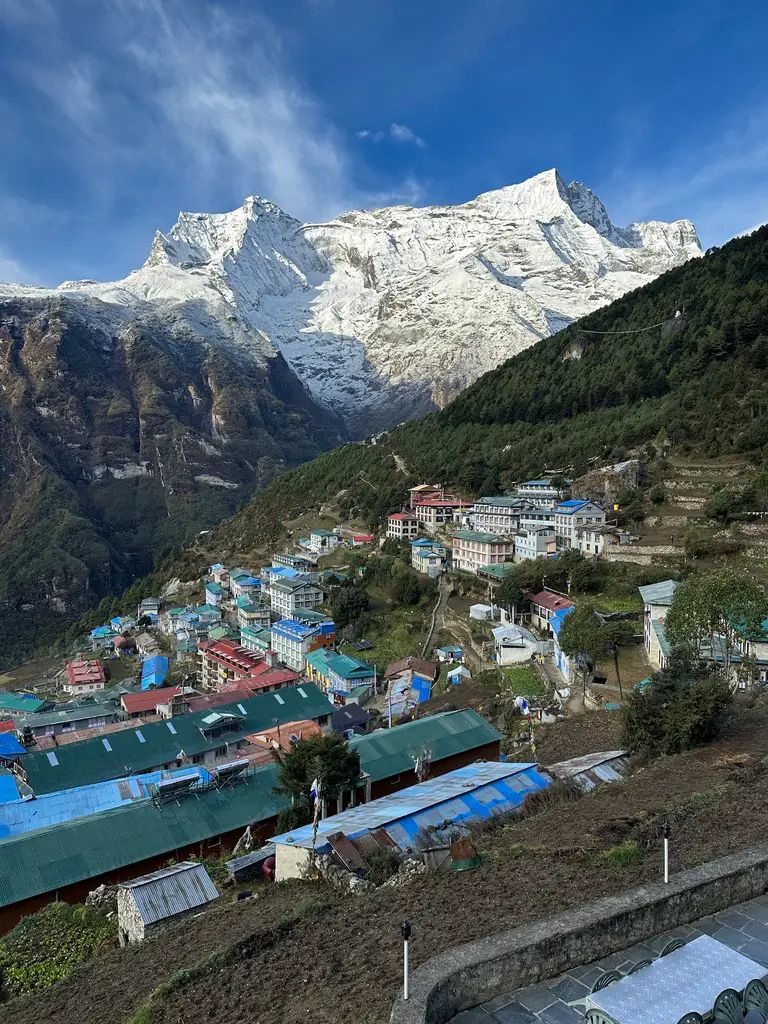
The Lukla to Namche Trek is where many Everest journeys begin, but it is also a complete journey on its own. You fly into...
USD1,4061480
11
Days
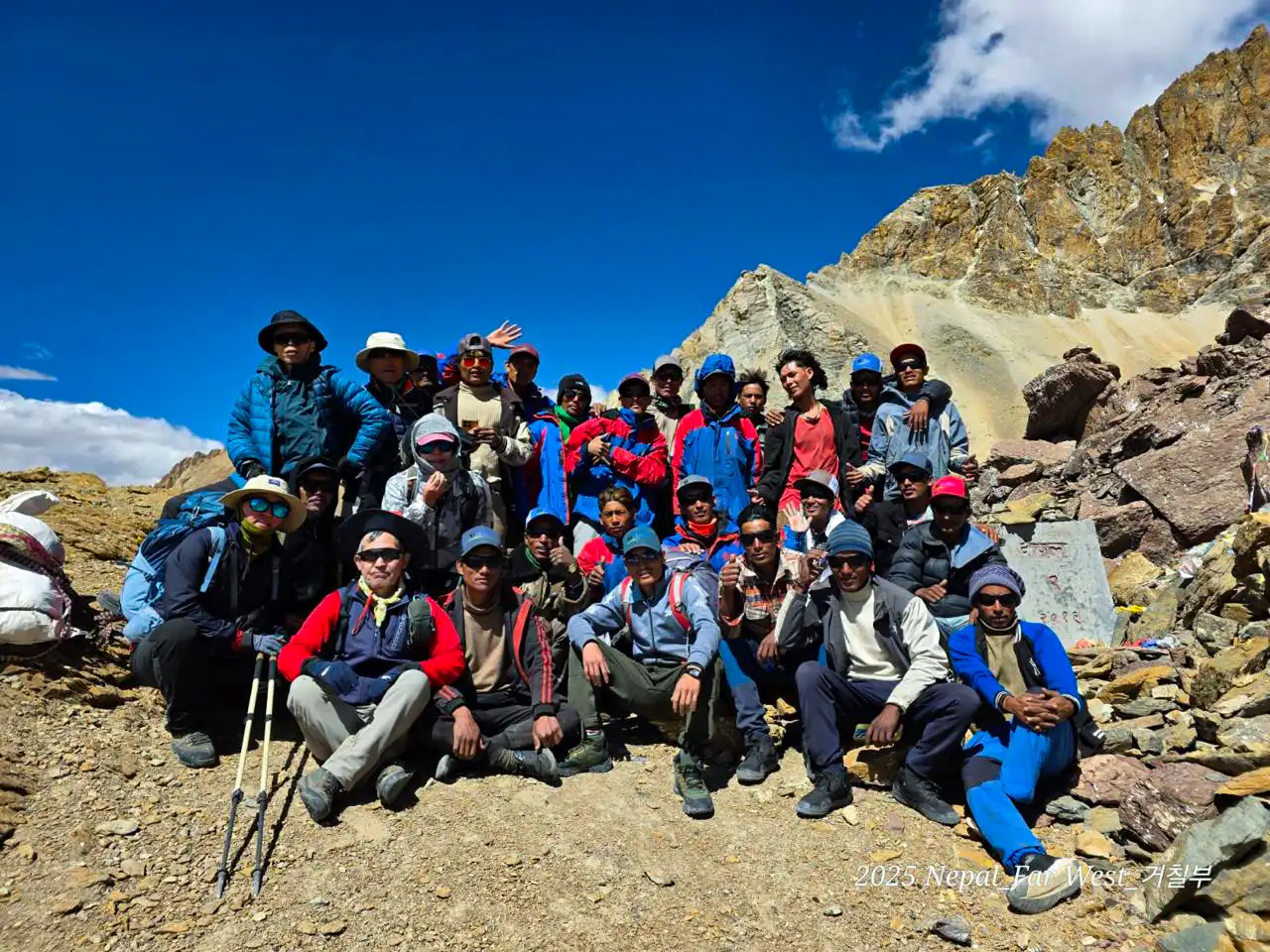
Nepal Has Two Faces. Most Trekkers Only See One. Everyone knows Everest Base Camp. Everyone has seen the photos of the Annapurna Circuit. They...
USD4,275
24
Days
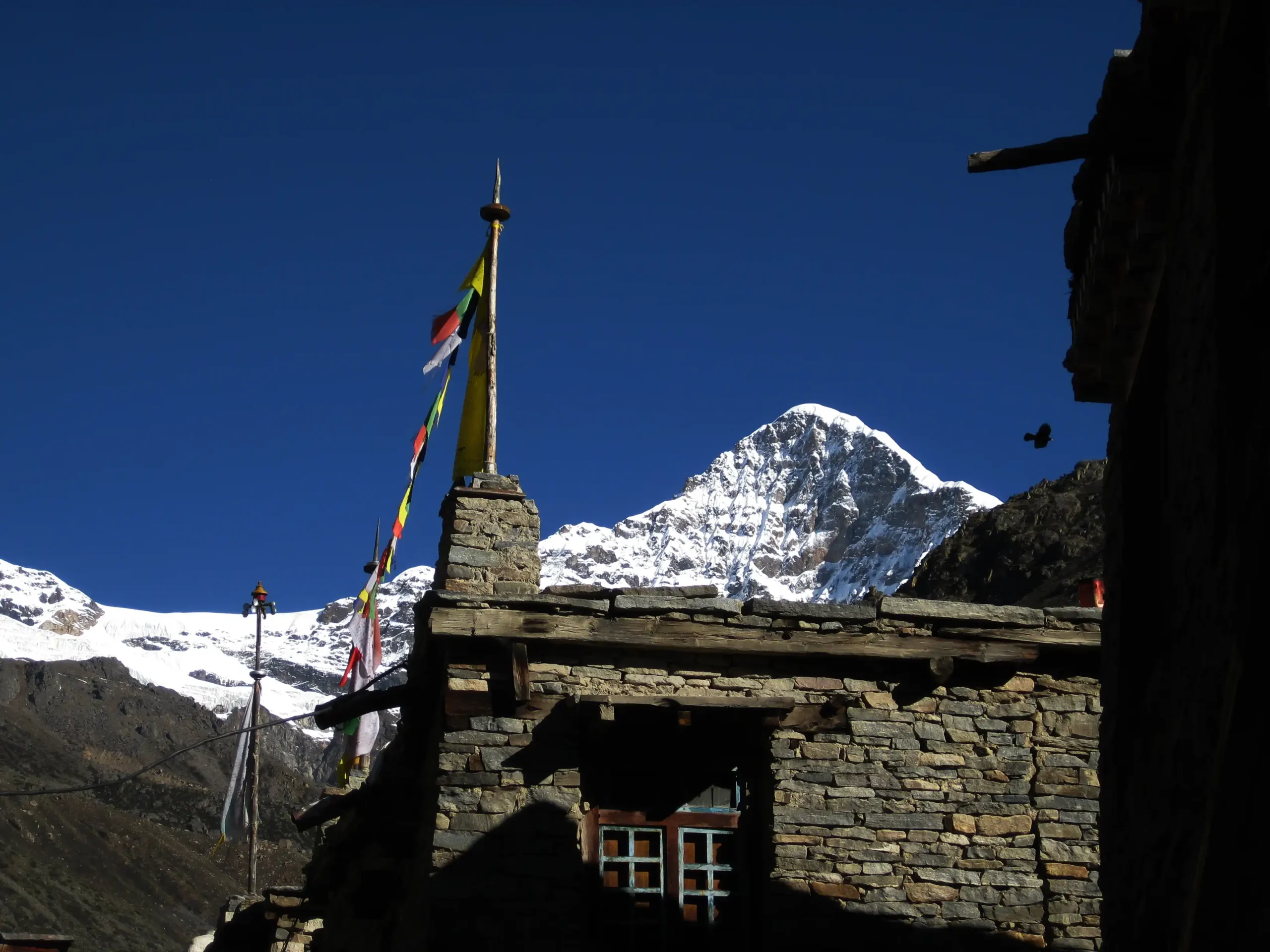
The Humla Limi Valley Trek is a 21-day remote camping trek in northwestern Nepal that follows ancient Tibetan trade routes through Halji, Til, and Jang villages. This restricted area trek crosses Nara La Pass (4,580m) and Nyalu La Pass (5,000m), offering authentic Tibetan Buddhist culture, Himalayan wilderness, and rare views toward Mount Kailash.
USD3,350
21
Days
Special Offer
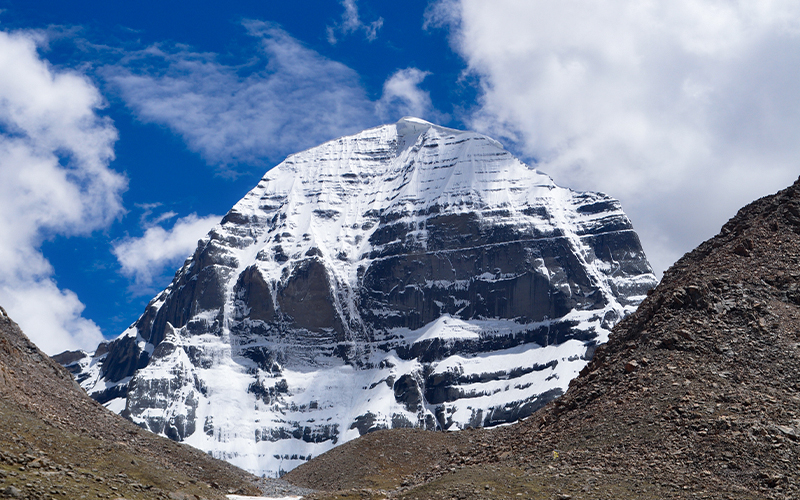
Kailash & Upper Humla Circuit Trek 2026: Start your spiritual journey to Mount Kailash and the remote Upper Humla region. Experience breathtaking Himalayan landscapes, unique Tibetan culture, and untouched wilderness. Trek safely with proper acclimatization, local guides, and essential gear for an unforgettable Kailash Yatra 2026.
USD4,300
27
Days
