

The Saipal Base Camp Trek is one of the least explored trekking routes in Nepal, located in the remote Humla region of far-western Nepal. The trail passes through the Karnali River valley and the peaceful Nyin Valley before reaching Saipal Base Camp (5,100 m) beneath Saipal Himal (7,031 m). Unlike busy routes such as Everest Base Camp or Annapurna, this trek offers quiet trails, authentic village life, and a truly remote Himalayan experience.


Trip overview
The Saipal Base Camp trek begins in Simikot, a small mountain town overlooking the Karnali River valley. Once you leave the town, the road quickly disappears, and the journey continues on foot along traditional mountain trails.
The first days follow the river through deep valleys and forested slopes before gradually entering the quieter Nyin Valley. This area is known for its open grazing land, scattered villages, and views of distant Himalayan peaks.
Villages such as Burause and Nimatang offer a glimpse of everyday life in Humla. Stone houses, small fields of barley and potatoes, and prayer flags moving in the wind create a peaceful mountain setting.
One cultural highlight along the route is Raling Gompa, an old Buddhist monastery built on a hillside above the valley. Many trekkers stop here to explore the monastery and learn more about local traditions.
As the trek continues higher, the landscape becomes more alpine. After several days of steady walking, the trail finally reaches Saipal Base Camp, where the massive south face of Saipal Himal rises above the surrounding valleys.
Culture and Village Life in Humla
Humla is one of the most remote districts in Nepal, and traditional lifestyles remain strong here.
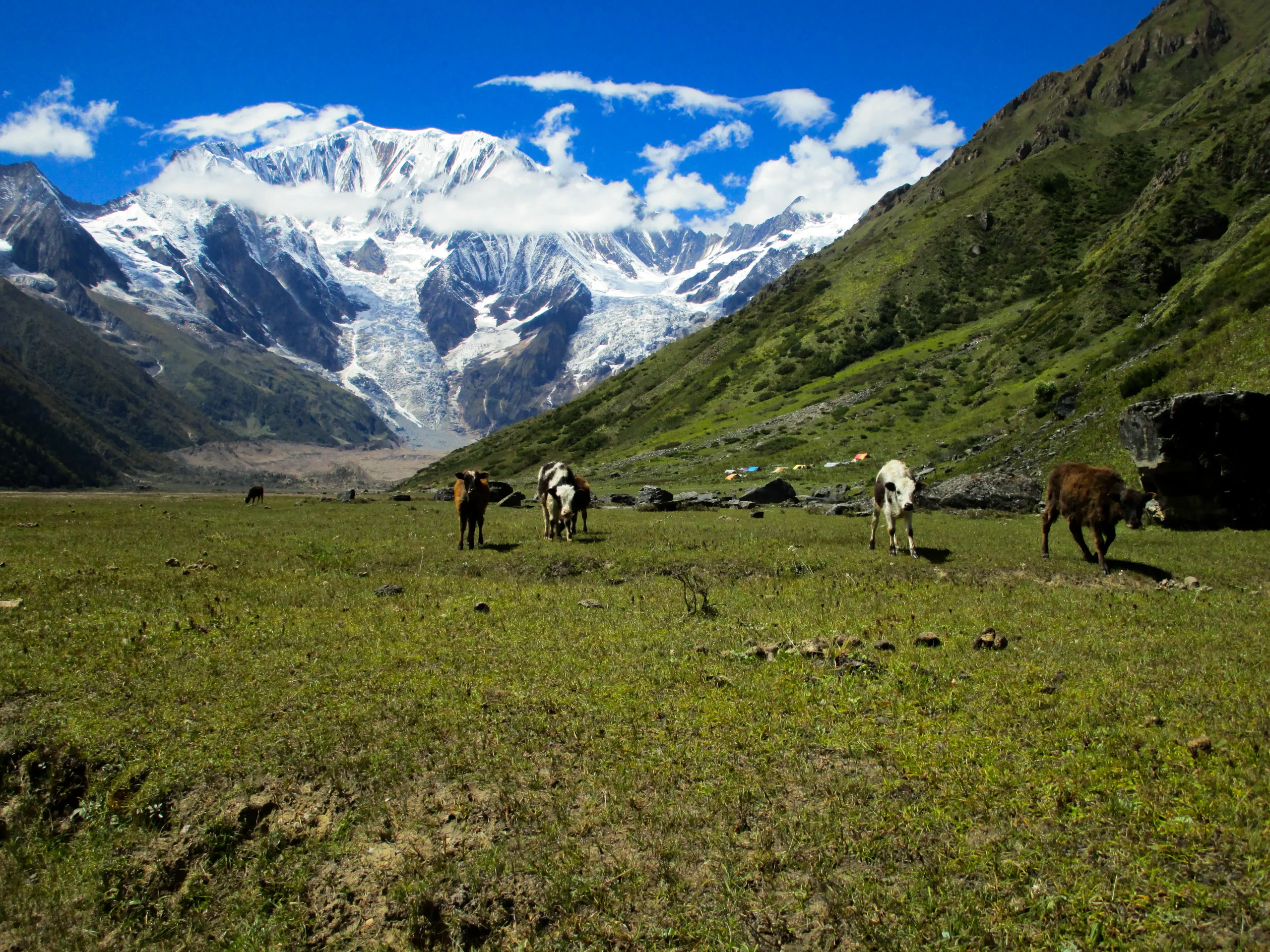
The region is home to several communities, including Thakuri, Lama, and Khas families. Agriculture and livestock herding are the main sources of livelihood. Barley, buckwheat, and potatoes grow in small terraced fields, while sheep and yaks graze on the higher slopes.
Because tourism is still limited, interactions with local people often feel genuine and relaxed. Many trekkers remember the warm hospitality in village homes and simple mountain meals shared after a long day of walking.
Typical meals during the trek include dal bhat, local potatoes, seasonal vegetables, and roasted barley flour (tsampa).
Reaching Saipal Base Camp
The final days of the trek move into higher alpine terrain where vegetation becomes sparse and the mountains feel closer.
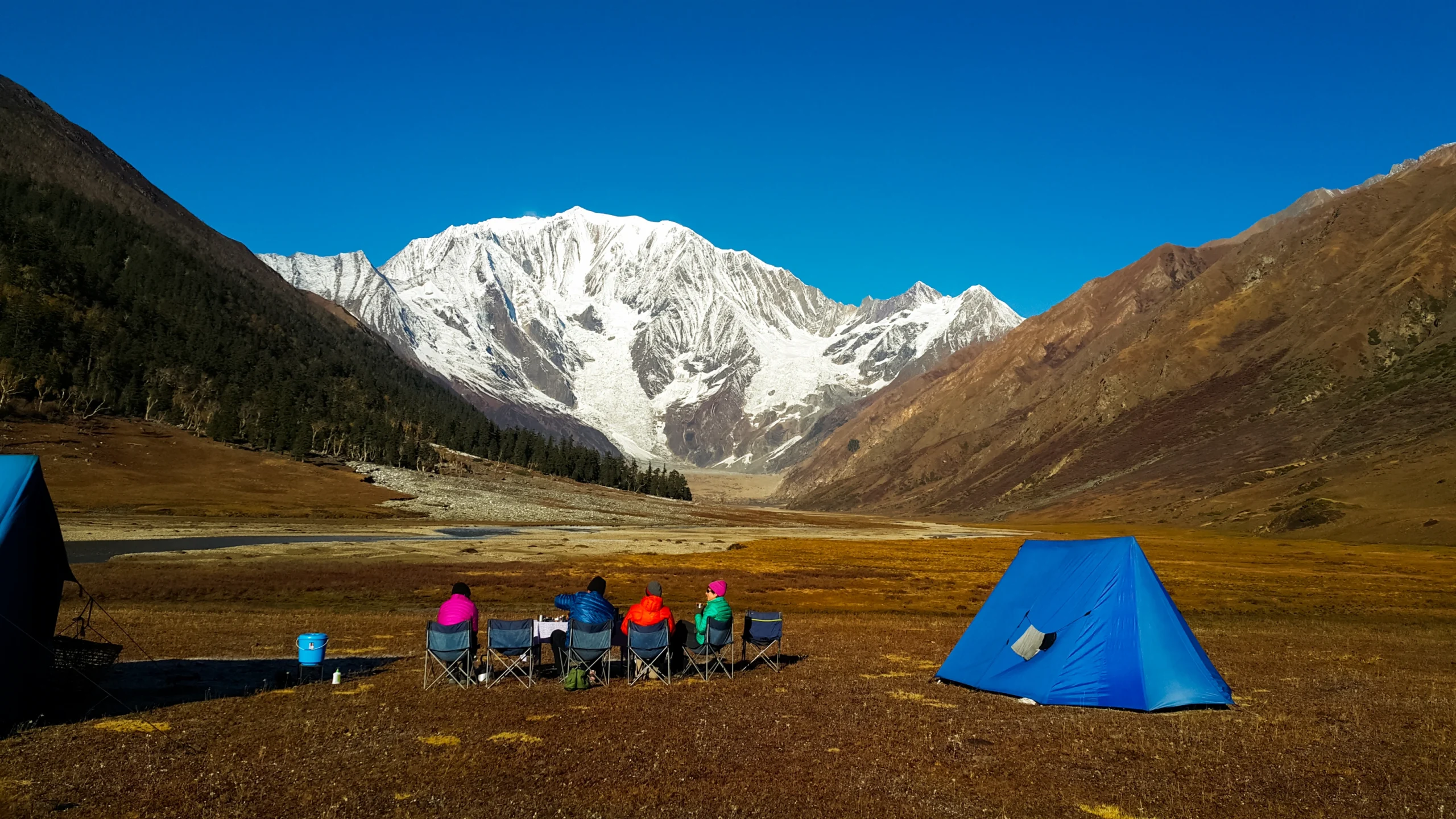
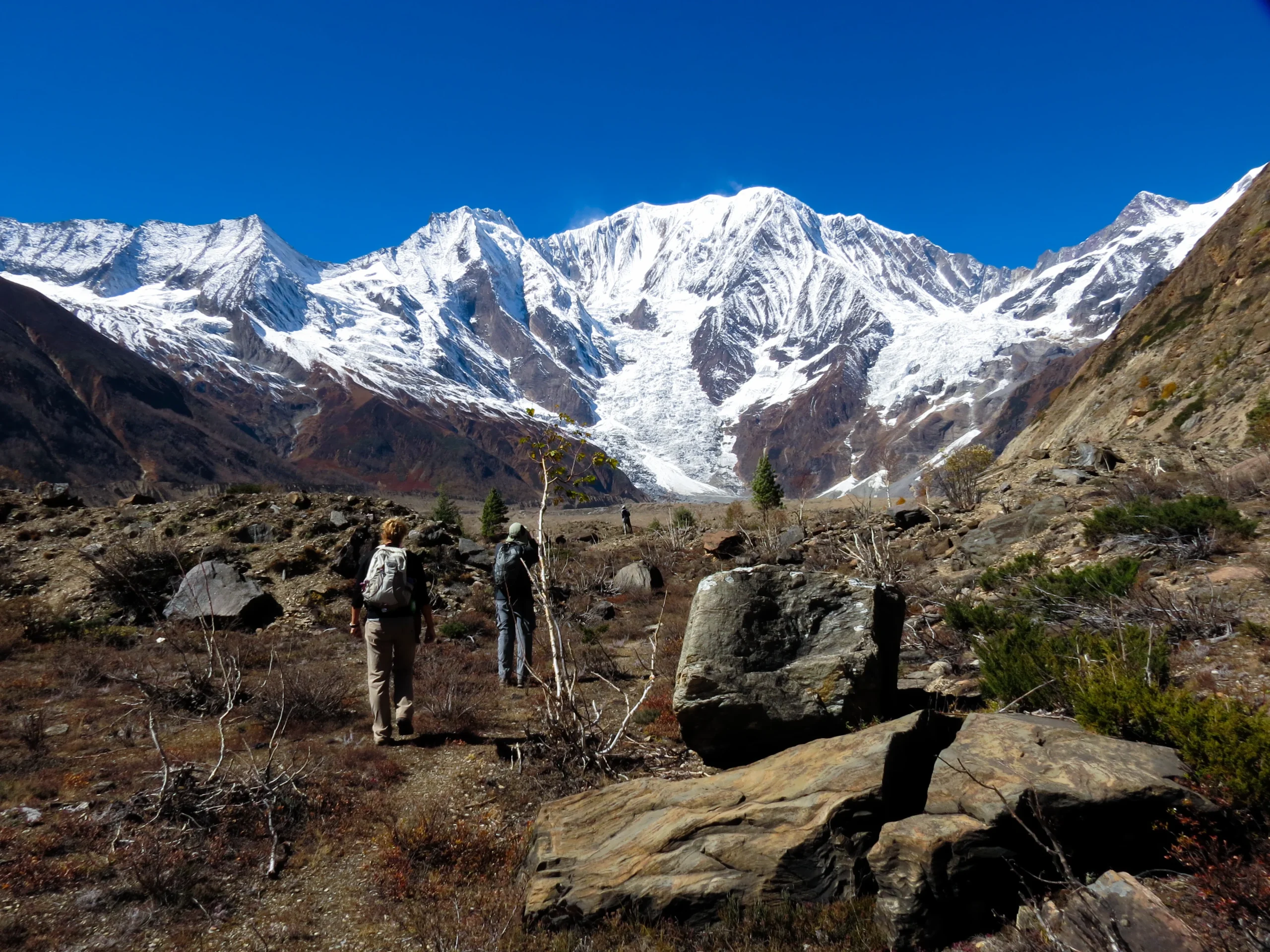
At Saipal Base Camp (around 5,100 m), the view of Saipal Himal dominates the landscape. The mountain rises sharply above rocky slopes and glacier remnants, creating one of the most dramatic viewpoints in western Nepal.
Because this region sees very few trekkers, the base camp area often feels completely quiet and untouched.
Why Choose the Saipal Base Camp Trek
One of Nepal’s Least Crowded Treks
While many trekking routes in Nepal see thousands of visitors each year, the Saipal region remains largely unexplored. Trekkers often spend entire days walking without meeting other groups.
Unique Culture of Humla
Humla has strong cultural connections with Tibetan traditions. Monasteries, prayer walls, and seasonal festivals remain an important part of village life.
Remote Himalayan Landscapes
The trek passes through deep river valleys, alpine pastures, and high mountain terrain. The scenery changes each day, offering a rich and varied trekking experience.
Views of Saipal Himal
At 7,031 meters, Saipal Himal is the second-highest peak in western Nepal. From base camp, trekkers can see its powerful south face rising directly above the valley.
Trek Difficulty
The Saipal Base Camp Trek is considered a moderate trek, but the remote location makes preparation important.
Trekkers should be comfortable walking 5 to 7 hours per day on uneven mountain trails. The highest point of the trek reaches over 5,000 meters, so gradual acclimatization is essential.
Because medical facilities are limited in Humla, trekking with experienced guides and proper planning is recommended.
Saipal Base Camp Trek Highlights
Trek into one of the most untouched regions of western Nepal, far from crowded trails
Follow ancient footpaths along the Karnali River, passing through forested ridges and high mountain landscapes
Explore the peaceful Nyin Valley, including villages like Burause and Nimatang, and visit the sacred Raling Gompa
Experience authentic village life with Thakuri, Lama, and Khas communities, known for their warmth and hospitality
Enjoy simple, nourishing mountain meals prepared with local ingredients
Camp at quiet, scenic locations surrounded by alpine terrain and wide Himalayan views
Reach Saipal Base Camp, where vast mountain scenery and deep solitude create a powerful wilderness experience
A perfect trek for travelers seeking nature, culture, and true remoteness in Nepal
Saipal Base Camp Trek Itinerary
Expand AllArrival in Kathmandu (1,350 m)
Arrive at Tribhuvan International Airport. Transfer to hotel. In the evening, attend a trek briefing session. Meeting with the guide and crew. Overnight in Kathmandu.
Sightseeing in Kathmandu (1,350 m)
Explore UNESCO World Heritage Sites including Pashupatinath Temple, Boudhanath Stupa, and Swayambhunath (Monkey Temple). Overnight at hotel.
Fly Kathmandu to Nepalgunj (150 m)
Take a 55 minutes scenic flight to Nepalgunj, located in the western Terai plains. Try to secure right-side seat on the plan to enjoy view of the Himalayan Range including, Langtang, Manaslu, Annapurna and Dhaulagiri. Transfer to hotel and rest. Overnight in Nepalgunj.
Fly Nepalgunj to Simikot (2,910 m)
Trek to Yangchu (2,200m)
Trek to Ripghat (1,900m)
Trek to Kheta (3,500 m)
Trek Lampata (3,600 m.)
From the pass, descend about 2 hours to Kawadi Khola. You will hike approximately 3 more hours of gradual walking to reach Lampata (3,600 m).
Trek to Saipal Base Camp (3,900 m.)
We trek moderate up; which is an easy but long walk. Crossing glacier and waterfall, We sometimes able to spot Humli nomad people on the way. The Base camp, Ranikharka is the big valley with beautiful east Mt Saipal view. We camp just front of Mt Saipal.
Rest Day – Explore Nunkharka (4,000 m approx.)
Acclimatization and exploration day. Take a hike to Nunkharka for higher altitude experience. The trek to Nunkharka and return will take around 4 hours. explore the glacier lake just front of giant Mt Saipal and Return to base camp. Ranikharka is summer camp for People of upper Humla region.
Trek to Chala Khola (3,800 m.)
Trek to Yalbang (3,060 m)
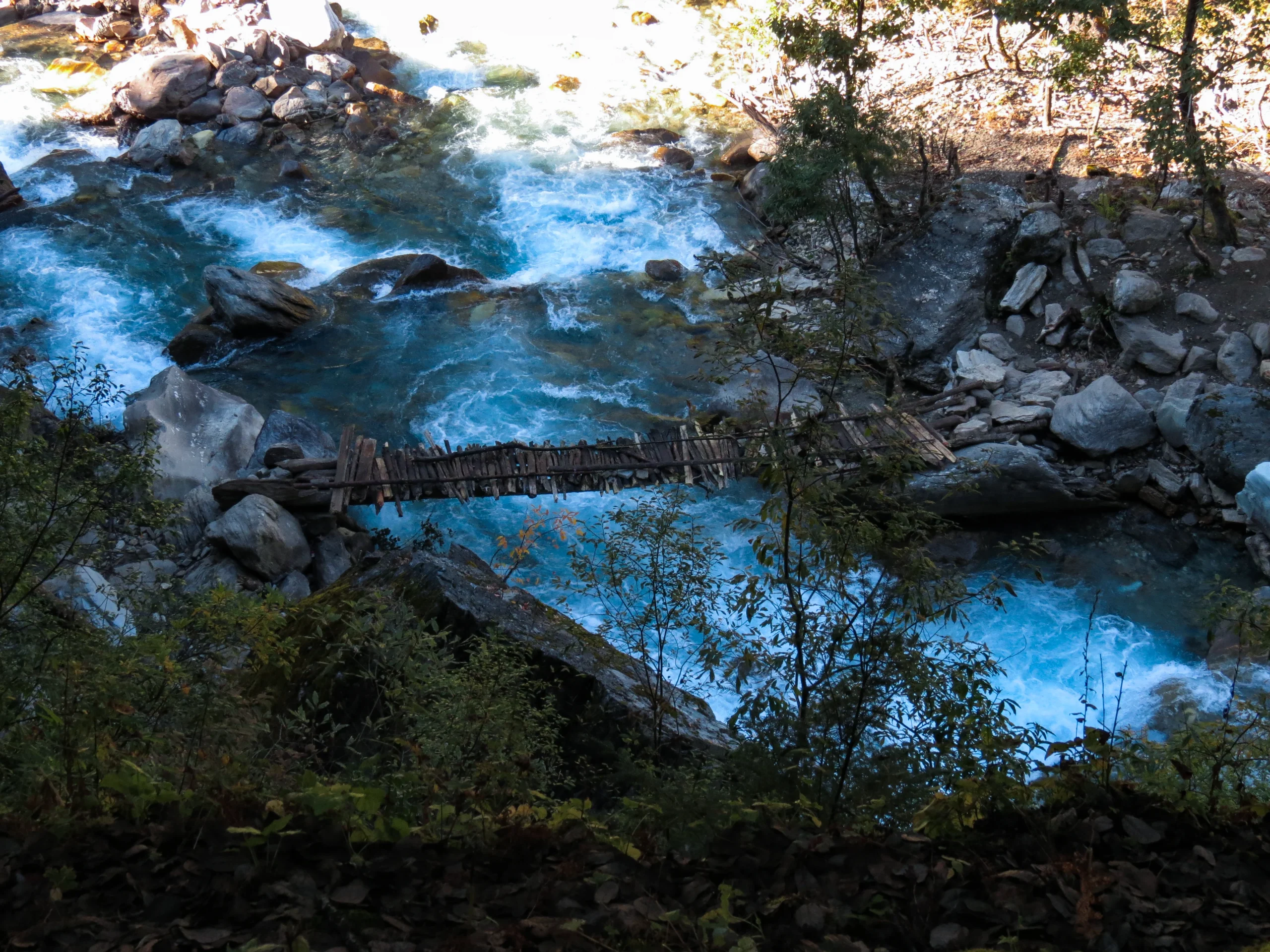
The trek start with uphill till to of the Chala village. Chala is the only one village off the road from main caravan trail. For the Saipal north Base camp the trail goes right from the village. From top of the Chala the trail leads downhill till Puya then its continue to Karnali river and crossing river with suspension bride then get to Yalbang the biggest Monastic area of Humla region.
Trek to Kermi (2,670 m)
Trek start with gentle down till Yalbang Chaur and Salli kholi. Trail goes uphill till Salli pass and continue gentle walk to Karmi campsite. Enjoy soak in to the largest hot spring of Nepal . Overnight in camp.
Trek to Simikot (2,910 m)
Complete the trek with a return to Simikot. Day start with easy walking till Majgaun and it start all uphill till Simikot Lagna then trail goes downhill to Simikot Bazar. End of the trek Celebrate the journey. Overnight in Simikot.
Fly Simikot to Nepalgunj, then to Kathmandu
Catch a morning flight to Nepalgunj and connect to your flight back to Kathmandu. Transfer to hotel. Free evening.
Final Departure
Transfer to Tribhuvan International Airport for your onward journey. Farewell and thank you!
Not quite satisfied with this itinerary?
No worries – every traveler has unique preferences, and we’d be happy to adjust the plan to match your style, comfort, and interests. Let us know what you’d like to add or change, and we’ll create a journey that feels truly yours.
Customize TripCost Includes
- All airport transfers
- Accommodations in Kathmandu twin share with breakfast
- 1 night Twin sharing basis hotel in Nepalgunj with Dinner
- Guide, cook and kitchen support staffs.
- Mules or porters for luggage on the trekking.
- All meals during the treks, Simikot to Simikot.
- All camping and cooking equipments.
- All camping Charges.
- Clients Airfare Kathmandu / Nepalgunj / and return to Kathmandu.
- Humla restricted area permit fee.
- All travel expenses for Nepali staffs.
- DDC tax.
- All local official donations if any.
- Sightseeing in Kathmandu (Boudhanath, Pashupatinath and Bhaktapur) with tour guide and Vehichle
- First AID kit
Cost Excludes
- Insurance for Clients and Emergency Rescue and medicines and medicals.
- Sightseeing entrance fees in Kathmandu.
- Personal beverages bills.
- Lunch and dinner in Kathmandu.
- Domestic access baggage charge (Kathmandu to Nepalgunj weight limit is 20 kg and Nepalgunj to Simikot weight limit is 15 kg).
- Sleeping bag & mattress during trip.
- International flights.
- Flight cancelations & its further more expenses
- Tips
Additional Informations
Best Time to Trek Saipal Base Camp
The best seasons for the Saipal Base Camp Trek are spring and autumn, when weather conditions are generally stable.
Spring (March – May)
Spring offers comfortable temperatures and blooming rhododendron forests in the lower valleys.
Autumn (September – November)
Autumn is considered the best trekking season in Humla. Skies are usually clear, mountain views are excellent, and trail conditions are stable.
Winter can be extremely cold in the higher valleys, while the summer monsoon often brings rain and landslides.
Accommodation During the Trek
Accommodation along the route is simple but comfortable.
In larger villages, trekkers stay in local teahouses or homestays, where basic rooms and home-cooked meals are available.
In more remote sections of the trek, camping may be required depending on the itinerary and route conditions.
These simple accommodations are part of the experience of trekking in one of Nepal’s most remote regions.
Kathmandu & Nepalgunj
In Kathmandu and Nepalgunj, you’ll stay in comfortable hotels — a good rest before and after your adventure begins.
Simikot
Basic lodge or guesthouse. A quiet place to prepare for the trek, meet the team, and enjoy your last night indoors before heading into the wild.
Camping from Raling Gompa Onward
- From Day 6, it’s fully camping-based. We set up our own tents at scenic spots like Raling Gompa, Kharpunath, and Saipal Base Camp.
- Each camp is chosen for safety, views, and local access to water. Our kitchen crew prepares fresh meals with what’s available — simple, nourishing, and tasty.
- You’ll sleep under the stars, surrounded by pine forests, river valleys, and quiet mountains. No roads, no Wi-Fi — just nature, fresh air, and the rhythm of the trail.
This is a real mountain experience — raw, beautiful, and grounded. Every campsite becomes part of the memory.
Permits Required for the Saipal Base Camp Trek
Because Humla is a restricted area, several permits are required for this trek.
Trekkers need:
- Humla Restricted Area Permit
- TIMS Card (Trekkers’ Information Management System)
- Api Nampa Conservation Area Permit
Most trekking companies arrange these permits in advance before the trek begins.
Internet, Electricity and Communication
Humla remains one of the least connected regions in Nepal.
- Mobile network coverage is limited
- Internet access is rare outside Simikot
- Electricity is available in some villages through solar power
Trekkers should be prepared for limited connectivity during most of the journey.
Planning Your Saipal Base Camp Trek
Organizing logistics for remote regions like Humla can be challenging, especially when arranging flights, permits, and local guides.
Experienced trekking operators such as Firante Treks and Expeditions help coordinate these details, making it easier for trekkers to explore this remote region safely.
With proper planning, the Saipal Base Camp Trek becomes an unforgettable journey through one of the last truly quiet corners of the Nepal Himalaya.
Ready to Explore Western Nepal?
If you are looking for a trekking adventure away from busy routes, the Saipal Base Camp Trek offers a rare chance to experience remote Himalayan landscapes and traditional mountain culture.
Contact Firante Treks and Expeditions to learn more about upcoming trekking dates, itinerary options, and costs for 2026 and 2027 departures.
Trip Gallery
You may also like

Everest Base Camp Trek
Everest Base Camp Trek: Experience the ultimate Himalayan adventure with breathtaking views of Mount Everest, Sherpa culture, and iconic monasteries. Perfect for thrill-seekers and nature lovers. Trek safely with proper acclimatization, expert guides, and essential gear.
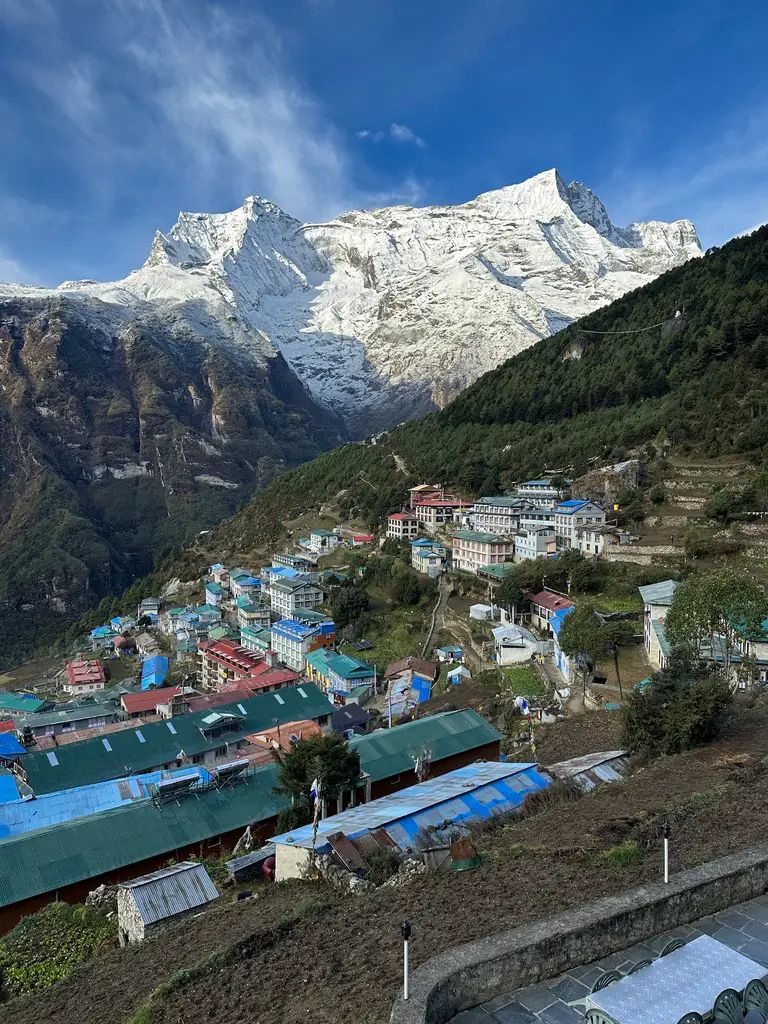
Lukla to Namche Trek
The Lukla to Namche Trek is where many Everest journeys begin, but it is also a complete journey on its own. You fly into...
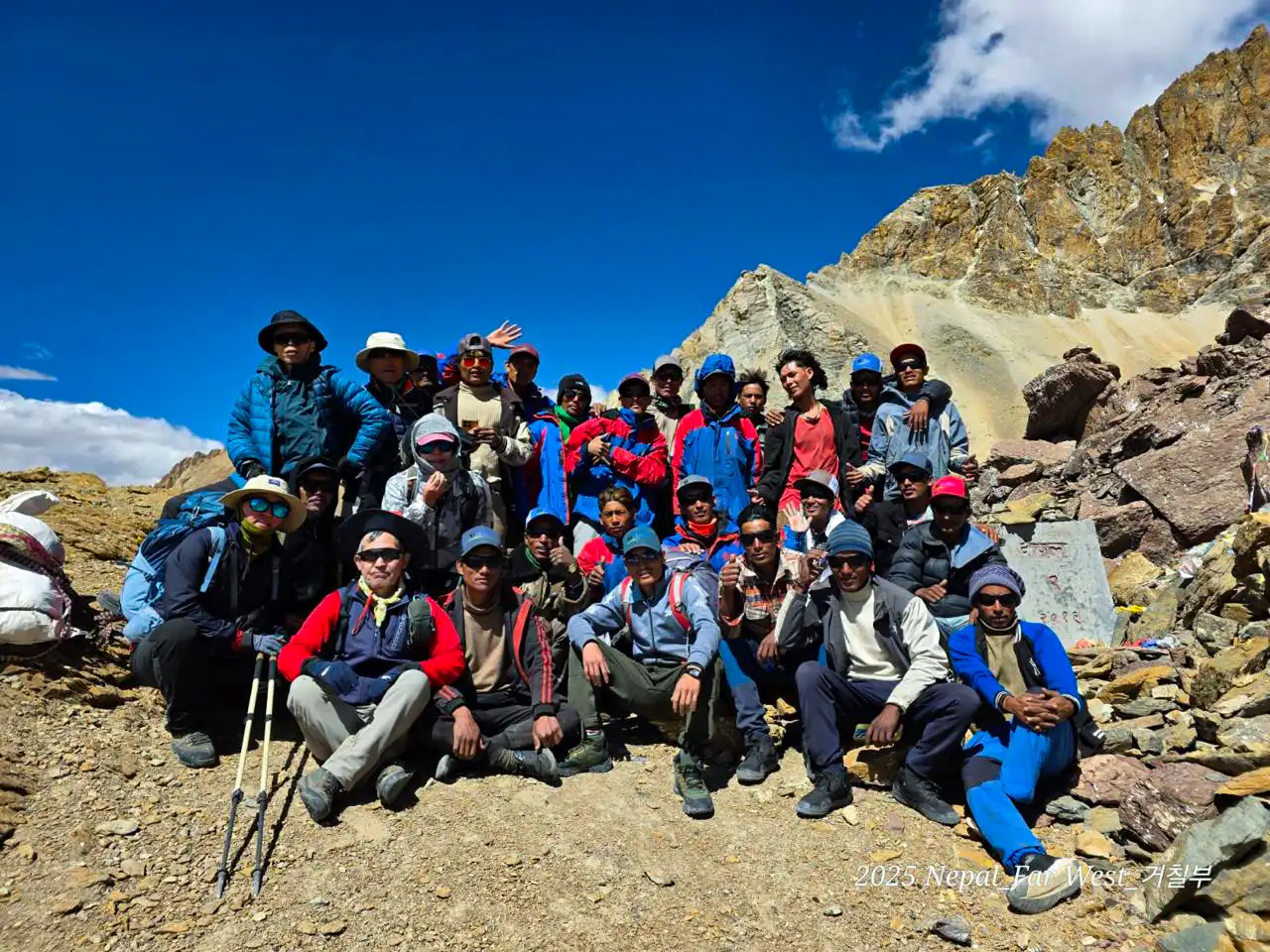
Nepal Has Two Faces. Most Trekkers Only See One. Everyone knows Everest Base Camp. Everyone has seen the photos of the Annapurna Circuit. They...
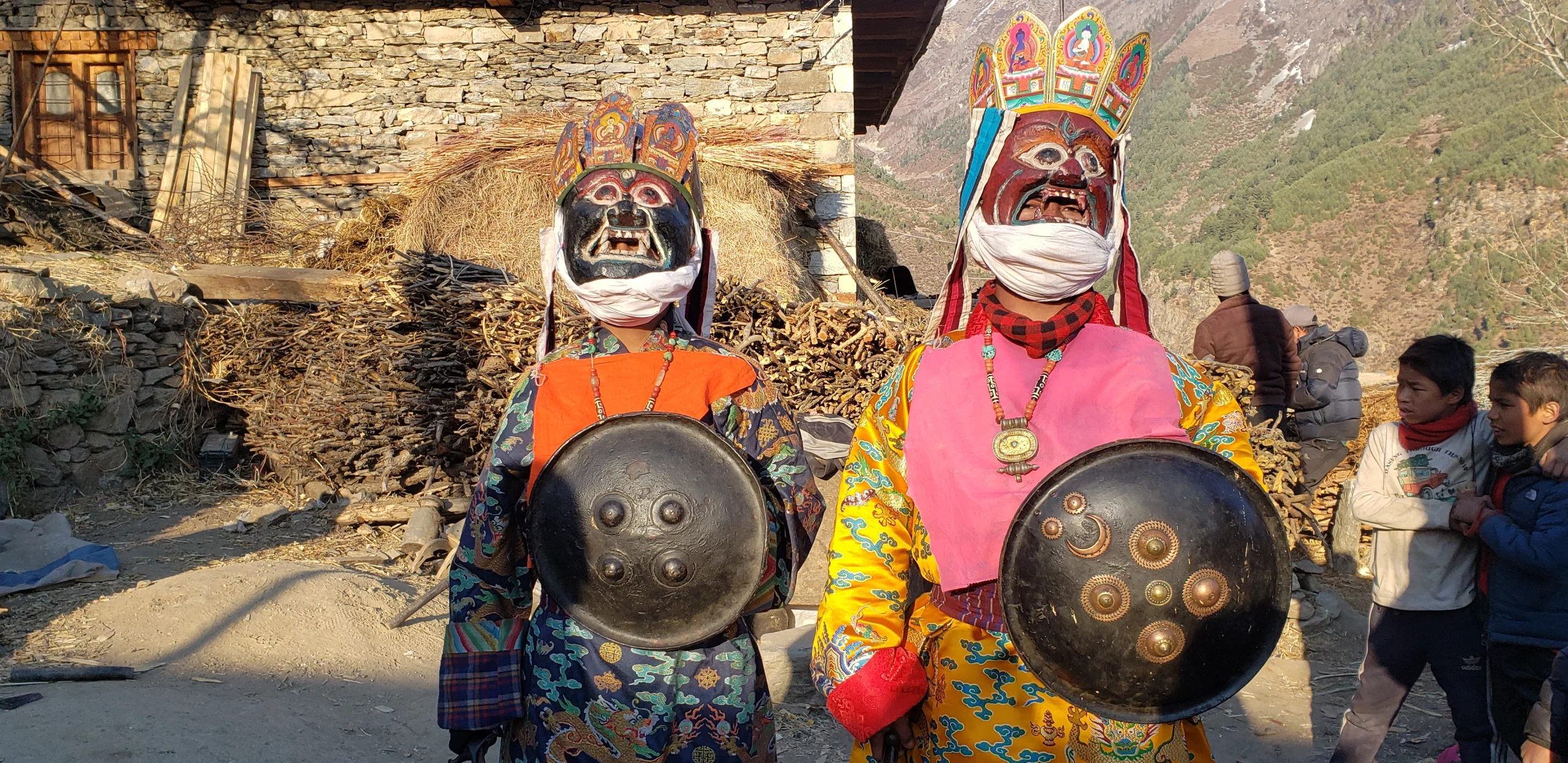
Mane Festival Humla
Mane Festival of the Nyinba community of Humla is one of the most unique festivals in Nepal. This festival reflects the lifestyle and traditions...
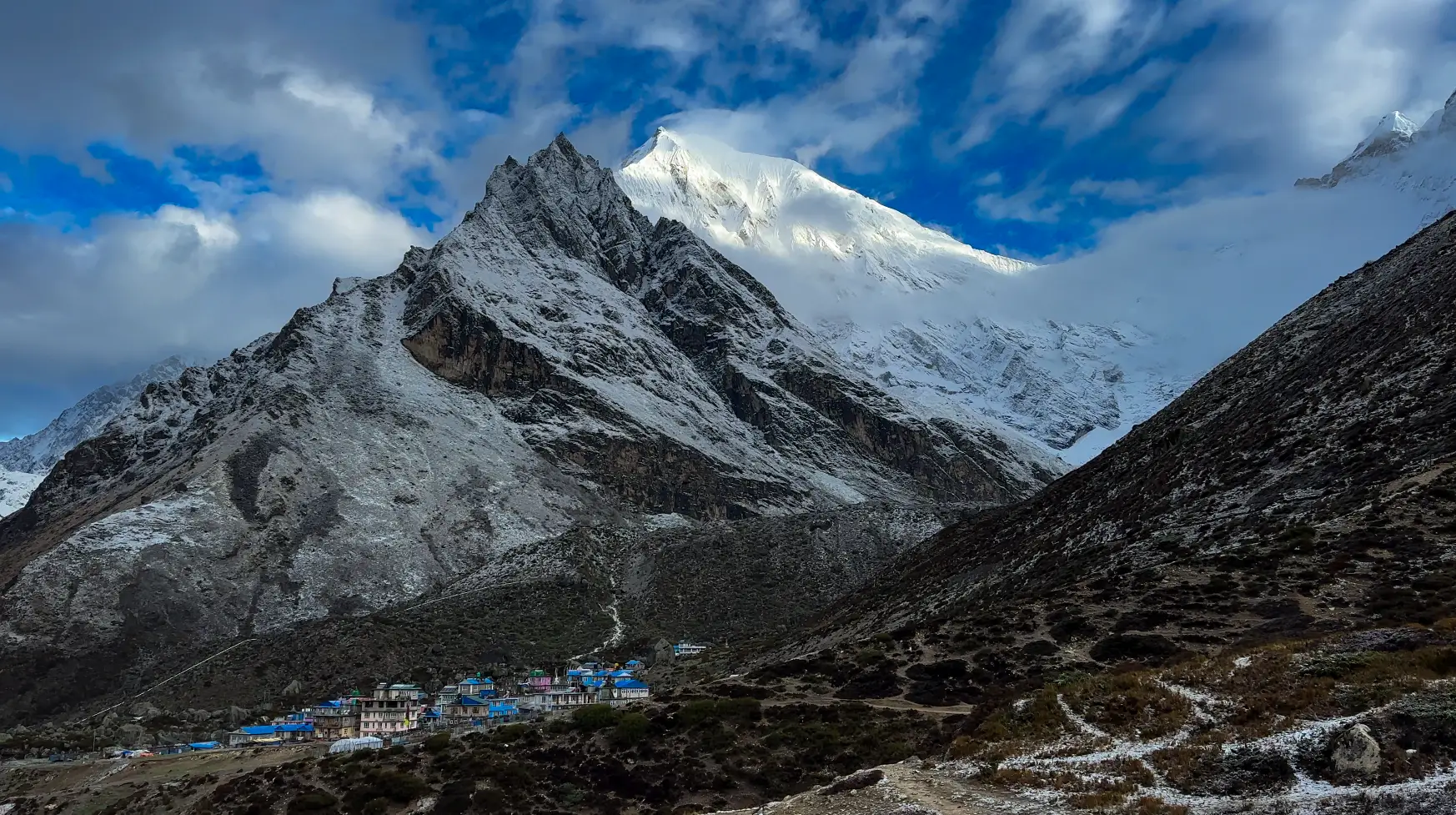
Langtang Valley Trek
Overview The Langtang Valley Trek is one of Nepal’s most beautiful and accessible Himalayan journeys. Nestled just north of Kathmandu, the valley combines stunning...
