



Trip overview
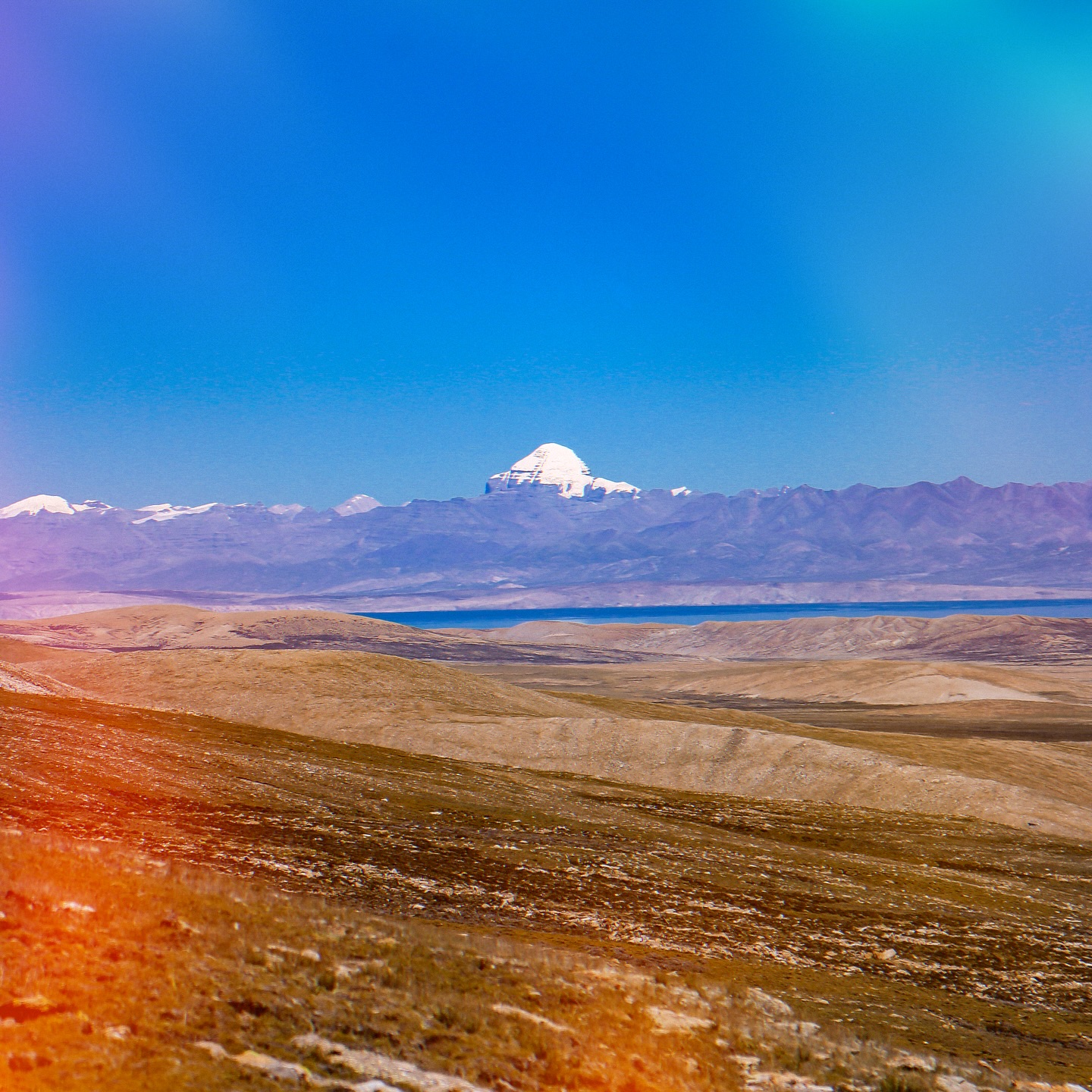
The Mt Kailash Trek via Changla Valley Humla is one of Nepal’s most remote and spiritually powerful trekking journeys, offering rare views of Mt Kailash and Lake Manasarovar from Nepal without entering Tibet. This 25-day expedition moves deep into the far-west Himalayan frontier of Humla, a restricted region known for its untouched valleys, ancient monasteries, and traditional Tibetan-influenced villages.
Beginning with scenic flights to Simikot, the trail follows old trade routes through Dojam, Sabakong, and Dhumling, gradually gaining altitude toward the isolated Changla Valley. The journey reaches its highest point at Phyajang La Pass (5,496m), one of the most challenging and rewarding crossings in the region. Beyond the pass, the route enters the culturally rich Limi Valley, home to historic villages such as Takchi and Halji, where life continues much as it has for centuries.
A major highlight of the trek is the day hike to Lapcha La Viewpoint, a rarely visited ridge offering clear-day views toward Mt Kailash and Lake Manasarovar from the Nepal side. This moment alone makes the expedition unique, especially for trekkers and spiritual seekers who wish to experience Kailash without crossing into Tibet.
The trek is fully supported and camping-based, designed for experienced trekkers seeking solitude, cultural depth, and raw Himalayan landscapes. Best undertaken during the summer months (June to September), Humla’s rain-shadow climate provides relatively stable trekking conditions while much of Nepal experiences monsoon rains.
Mt Kailash view Trek via Changla Valley Humla Highlights
Trip Highlights
- Rare Mt Kailash and Lake Manasarovar views from Nepal at Lapcha La Viewpoint
- Challenging high-altitude crossing of Phyajang La Pass (5,496m)
- Remote Changla Valley trek in Humla, far from commercial trekking routes
- Fully supported camping trek in far-west Nepal
- Exploration of traditional Halji and Takchi villages in the Limi Valley
- Visit to Halji Monastery, one of the oldest monasteries in Humla
- Natural hot spring experience at Jang Hot Spring
- Authentic Humla restricted area trek with special permits
- Gradual and safe high-altitude acclimatization over multiple days
- Cultural immersion along ancient trans-Himalayan trade routes
- Minimal trekkers, maximum wilderness and silence
- Ideal summer trekking route due to Humla’s rain-shadow geography
Mt Kailash view Trek via Changla Valley Humla Itinerary
Expand AllArrival in Kathmandu (1,350m)
Arrival at Tribhuvan International Airport and transfer to the hotel. The day is kept relaxed for rest after international travel. A short trek briefing and gear check are conducted in the evening to prepare for the journey to Humla.
Fly from Kathmandu to Nepalgunj (150 m)
A morning flight takes you west to Nepalgunj, the main transit point for Humla journeys. Sitting on the right side of the aircraft often offers clear-weather views of the Annapurna and Dhaulagiri ranges, home to several 7,000- and 8,000-meter peaks, before the landscape drops into the lowland plains. After arrival, the rest of the day is relaxed, allowing time to rest and prepare for the onward flight to Simikot.
Fly from Nepalgunj to Simikot (2,910m)
An early morning mountain flight takes you from Nepalgunj to Simikot, the administrative center of Humla. Weather conditions often determine flight schedules, so flexibility is important on this route. After landing, there is time to rest, explore the local market, and take short walks around town to begin gentle acclimatization at 2,910 meters.
Trek from Simikot to Dojam (2,540m)
The trek begins from Simikot and follows the trail toward the Nyin Valley, passing through Nyin village, a Buddhist settlement known for its welcoming local community. Prayer flags, chortens, and traditional stone houses reflect the valley’s strong Tibetan Buddhist culture. The route then reaches Thehe village, a Hindu cultural settlement that presents a clear contrast in daily life and traditions. After crossing Thehe, the trail follows the Karnali River, leading gradually to Dojam, another Buddhist village with cultural and architectural similarities to Nyin Valley.
Trek to Sabakong (3,186m)
We follow the river upstream, passing through rhododendron forests and meadows. Birds are abundant here—look out for Himalayan monals, snow pigeons, and redstarts. Our camp is near the riverbank at Sabakong, where you’ll sleep to the sound of flowing water and wind rustling through pines.
Trek from Sabakong to Dukling (3,585m)
The trail continues steadily upward through highland pastures and quiet valleys used by local herders during summer. As the landscape opens, views become wider and more rugged, signaling the approach to higher terrain. The day ends at Dukling, a peaceful campsite surrounded by rolling hills and alpine scenery.
Trek from Dukling to Gurukpa (3,985m)
Today’s walk gains noticeable altitude while remaining gradual, allowing the body to adjust naturally. The route crosses remote grazing areas and seasonal shelters, with very few signs of modern development. Gurukpa offers a quiet camping spot and marks a key acclimatization stage before entering higher Changla Valley terrain.
Trek to Midokding and Tashilung (4,290m)
The trail climbs deeper into the Changla Valley, moving through open alpine terrain with increasing isolation. Snow peaks and wide valleys dominate the scenery as the trek reaches Midokding, continuing onward to Tashilung, where camp is set at a higher elevation in preparation for upcoming passes.
Trek from Tashilung to Changmatang (4,556m)
A shorter but important acclimatization day, the route follows gentle slopes across high-altitude terrain. The air is thinner, and walking at a slow, steady pace is essential. Changmatang lies in a broad alpine basin, offering a strategic stop before crossing one of the highest passes of the trek.
Trek to Phyajang La Pass (5,496m) and Base Camp (4,817m)
An early start leads toward the crossing of Phyajang La Pass, the highest point of the journey at 5,496 meters. The ascent is demanding but gradual, with wide views over the remote Changla Valley. After crossing the pass, the trail descends carefully to the base camp area, where the day ends with well-earned rest.
Trek from Base Camp to Chhorten Chhobu (4,571m)
Leaving the base camp area, the trail descends gradually into a broader valley, making the walking more comfortable after the high pass crossing. The route passes ancient chhortens and wide grazing grounds before reaching Chhorten Chhobu, a quiet camping area surrounded by open highland terrain.
Trek from Chhorten Chhobu to Takchi (4,230m)
The walk continues across open valleys with gentle ups and downs, keeping a steady altitude. As you approach Takchi, one of the most important places in the region, there is a high chance of encountering wild yaks and wild asses today.
Trek from Takchi to Chyakpalong (4,710m)
Today’s route follows traditional trails used by local herders, ascending towards to Polkyong La pass the caravan path of ancient time. where yaks and goats are often seen grazing. Chyakpalong, a quiet high-altitude summer pasture.
Day Hike to Lapcha La Viewpoint and Return (5,133m.)
Today is a spiritual highlight of the trek. You hike to the Lapcha La Viewpoint, where Mount Kailash and Lake Manasarovar appear across the border in Tibet. This area is considered supremely sacred by pilgrims from India, Nepal, and Tibet. The moment is emotional for many—more than just a panoramic view, it’s a deep connection to something ancient and pure. After soaking in the sacred atmosphere, you descend back to Chyakpalong for the night.
Trek Back to Takchi (4,230m)
After the memorable Lapcha La hike, you retrace your steps back to Takchi, now feeling familiar and welcoming.
Trek from Takchi to Jang (3,920m)
Easy trek back to Jang village the first village of the Limi Valley.
Trek from Jang to Halji (3,700m)
The trail goes gently from Jang through high-altitude pastures and rolling hills, following traditional herders’ paths. Along the way, you may see yaks and goats grazing and enjoy expansive views of surrounding peaks. Halji is a serene Buddhist village, home to the ancient Rinchen Ling Gompa, a small monastery reflecting centuries of local spiritual practice. The village’s warm residents make it a perfect place to rest after several days of high-altitude trekking.
Rest Day in Halji (3,700m)
A full day to rest and acclimatize. You can explore Halji village and visit Rinchen Ling Gompa, observing daily rituals and learning about its historical significance. Short walks to nearby meadows or chhortens allow gentle activity while your body adjusts, preparing for higher-altitude trekking ahead.
Trek from Halji to Jang Hot Spring (3,920m)
The trail gradually climbs along narrow valleys and alpine ridges, offering breathtaking views of surrounding peaks and highland meadows. Along the way, you may spot seasonal herders and their flocks of yaks and goats grazing peacefully. Arriving at Jang Hot Spring, a natural geothermal site, you can relax in the warm waters while enjoying the pristine alpine environment. The campsite nearby provides a quiet night under the stars, perfect for reflecting on the remote Humla landscape.
Trek from Hot spring to Talung (4,200m)
Today, the trail climbs gently along high valleys and open alpine ridges, offering expansive views of the Ardang La Valley and distant snow-capped peaks. Crossing Nying Khola with barefoot, Talung is high altitude grazing land of Limi’s Yaks.
Trek from Talung to Tsongsa via Nyalu pass (3900m)
Leaving Talung, you traverse alpine ridges and wide high valleys with panoramic views. En route, you pass Nyalu pass (5,000m) and Sheliman Lake, a small high-altitude alpine lake noted in traditional Humla-Limi trekking routes. It’s a perfect spot for photos and reflection before continuing toward Tsongsa, a quiet campsite offering isolation, expansive vistas, and the high Himalayan atmosphere.
Trek from Tsongsa to Sechi (3800m)
Trek from Tsongsa to Sechi is easy and beautiful trek, crossing with alpine trees and vegetations, Sechi valley is very pleasant place to camp.
Trek from Sechi to Dhiga (3600m)
Trek start with all uphill till Langdok la pass and then it goes all the way down till Ghate khola, passing by river and juniper trees the day will be fruitful at the end.
Trek from Dhiga to Simikot (2,910m)
The final trekking day gradually descends through alpine valleys, forested areas, and small villages. The landscape shifts from remote highlands to more cultivated terraces as you approach Simikot. Reaching the district headquarters brings a sense of accomplishment and relief, marking the end of the high-altitude Changla Valley camping trek.
Fly to Nepalgunj and Return to Kathmandu (1,350m)
A scenic morning flight from Simikot to Nepalgunj brings you back to the lowlands, where the tropical plains contrast sharply with the Himalayas. From Nepalgunj, connect on a domestic flight to Kathmandu, arriving in time to rest, enjoy a casual evening, or explore local markets and restaurants.
Flight Duration: Simikot–Nepalgunj: 30–40 min; Nepalgunj–Kathmandu: 1 hour
Free Day in Kathmandu / Departure (1,350m)
Your final day is free for last-minute exploration of Kathmandu’s cultural treasures. Depending on your schedule, you may visit Pashupatinath, Boudhanath, or Patan Durbar Square. This is also a great day to shop for souvenirs before heading to Tribhuvan International Airport for your onward flight.
Not quite satisfied with this itinerary?
No worries – every traveler has unique preferences, and we’d be happy to adjust the plan to match your style, comfort, and interests. Let us know what you’d like to add or change, and we’ll create a journey that feels truly yours.
Customize TripCost Includes
- All airport pick up and drop services.
- Accommodations in Kathmandu twin share with breakfast
- Twin sharing basis hotel in Nepalgunj
- Guide, cook and kitchen support staff.
- Mules or porters for luggage on the trekking.
- All meals during the treks, Simikot to Simikot.
- All camping and cooking equipments.
- All camping Charges.
- Clients Airfare Kathmandu / Nepalgunj / and return to Kathmandu.
- Humla restricted area permit fee.
- All travel expenses for Nepali staffs.
- DDC tax.
- All local official donations if any.
- First Aid kit
Cost Excludes
- Insurance for Clients and Emergency Rescue and medicines and medicals.
- Sightseeing and entrance fees in Kathmandu.
- Personal beverages.
- Lunch and dinner in Kathmandu.
- Domestic access baggage charge (Kathmandu to Nepalgunj weight limit is 20 kg and Nepalgunj to Simikot weight limit is 15 kg).
- Sleeping bag & mattress during trip.
- International flights.
- Flight cancelations & its further more expenses
- Tips
Additional Informations
Trek Difficulty & Fitness
Strenuous high-altitude trek suitable for experienced trekkers. You will cross Phyajang La (5,496 m) and spend several nights camping.
- Cardio: hiking, running, cycling
- Strength: legs & core
- Prior high-altitude trek experience recommended
- Carry a daypack 8–10 kg
Best Time to Trek
- Summer (Jun–Sep): Best weather, dry trails, clear views
- Spring (Apr–May): Lower trails snow-free, wildflowers bloom
- Avoid Winter: Heavy snow, extreme cold, flight delays
Essential Packing
- Gear: insulated jackets, down layers, gloves, hat, trekking boots
- Camping: sleeping bag (–10°C), thermal liner, trekking poles
- Health/Personal: sunscreen, sunglasses, first aid, water purifier
- Optional: prayer flags, offerings, camera/binoculars
Permits & Logistics
- Humla Restricted Area permit mandatory, minimum 2 pax
- Guides are required in restricted areas
- TIMS card may also be needed
- Permits must be applied in advance
Acclimatization & Altitude Safety
- Maximum altitude: 5,496 m (Phyajang La)
- Gradual ascent built into itinerary to reduce AMS risk
- Hydrate well and rest at campsites
- Diamox optional (consult physician)
- Watch for AMS: headache, nausea, dizziness; descend if severe
Why Choose This Trek?
- Remote, authentic Himalayan experience
- Guides with 15+ years of Humla expeditions
- Camping in pristine alpine settings
- Cultural immersion in Buddhist villages, monasteries, and herder settlements
- Safety & comfort: trained staff, organic meals, high-altitude experience
Personal Pro Tips / Mini-Stories
- “At Lapcha La, the first glimpse of Kailash left everyone in awe — pure spiritual energy.”
- “Camping near Takchi, local children show you their barley crops — simple, heartwarming.”
- “A clear morning at Sheliman Lake reflects distant peaks — feels like another world.”
Accommodation
- Kathmandu (KTM): 3-star hotel
- Nepalgunj (NPJ): Siddhartha Hotel or similar
- Simikot: Clean lodges or guesthouses
- Trekking Sections (Dojam → Tsongsa → Dhiga → Talung → Halji → Lapcha La): Full camping trip, tents, mattresses, organic meals
- Takchi & Halji: High-altitude village camping, optional cultural interaction
Notes:
- All campsites pre-arranged, safe, and scenic
- Meals: breakfast, lunch, dinner, local nutritious food
- Hotels/lodges allow proper rest before and after high-altitude trekking
Trip FAQs
1. Can I see Mt Kailash from Nepal without entering Tibet?
Yes! This trek offers rare Nepal-side views of Mt Kailash from Lapcha La and nearby high ridges, providing a spiritual experience without crossing the Tibetan border.
2. How difficult is the Changla Valley trek in Humla?
The trek is strenuous and high-altitude, with multiple days above 4,000 m and a maximum of 5,496 m at Phyajang La. Previous trekking experience, good fitness, and acclimatization preparation are strongly recommended.
3. How many days does the trek take and what is the altitude range?
The full itinerary is 25 days, starting from Simikot (2,910 m), crossing high passes and alpine valleys, and returning to Kathmandu. Altitudes range from 2,910 m to 5,496 m.
4. What type of accommodation is provided?
- Kathmandu & Nepalgunj: 3-star hotels or Siddhartha Hotel
- Simikot: Simple lodges or guesthouses
- Trekking Sections: Full camping trek with tents, mattresses, and organic meals
- High-altitude villages (Takchi, Halji): Local village camping with cultural interaction
5. Is this trek suitable for beginners or children?
No. This is recommended for fit adults with prior high-altitude trekking experience. The route crosses remote valleys, high passes, and requires several days at altitudes above 4,000 m.
6. What is the best season to trek Mt Kailash via Changla Valley?
- Summer (June–September): Best weather, dry trails, clear Himalayan views
- Spring (April–May): Lower trails snow-free, wildflowers bloom
- Avoid winter due to heavy snow, cold, and flight delays
7. What permits are required for the trek?
- Humla Restricted Area Permit (mandatory for 2+ pax)
- TIMS card may be needed
- Guides are mandatory in restricted areas
- Permits should be applied well in advance
8. What should I pack for this high-altitude camping trek?
- Insulated jackets, down layers, gloves, trekking boots
- Sleeping bag (–10°C), thermal liner, trekking poles
- Sunscreen, sunglasses, first aid kit, water purifier
- Optional: prayer flags, offerings, camera/binoculars
9. Are meals provided during the trek?
Yes. Organic, high-energy meals are provided at all campsites, including breakfast, lunch, and dinner. Local specialties and nutritious options are included to support high-altitude trekking.
10. How reliable are flights to Simikot?
Flights are weather-dependent. Summer is the most reliable season, but occasional delays or cancellations can occur. Always plan buffer days in your itinerary.
11. What is the spiritual significance of this trek?
The trek passes through Buddhist villages, monasteries, and sacred ridges. The Lapcha La viewpoint offers a spiritual connection with Mt Kailash and Lake Manasarovar, revered by Hindus, Buddhists, and local communities.
12. Is high-altitude insurance recommended?
Yes, medical insurance covering high-altitude trekking and evacuation is highly recommended for all participants.
You may also like

Everest Base Camp Trek
Everest Base Camp Trek: Experience the ultimate Himalayan adventure with breathtaking views of Mount Everest, Sherpa culture, and iconic monasteries. Perfect for thrill-seekers and nature lovers. Trek safely with proper acclimatization, expert guides, and essential gear.
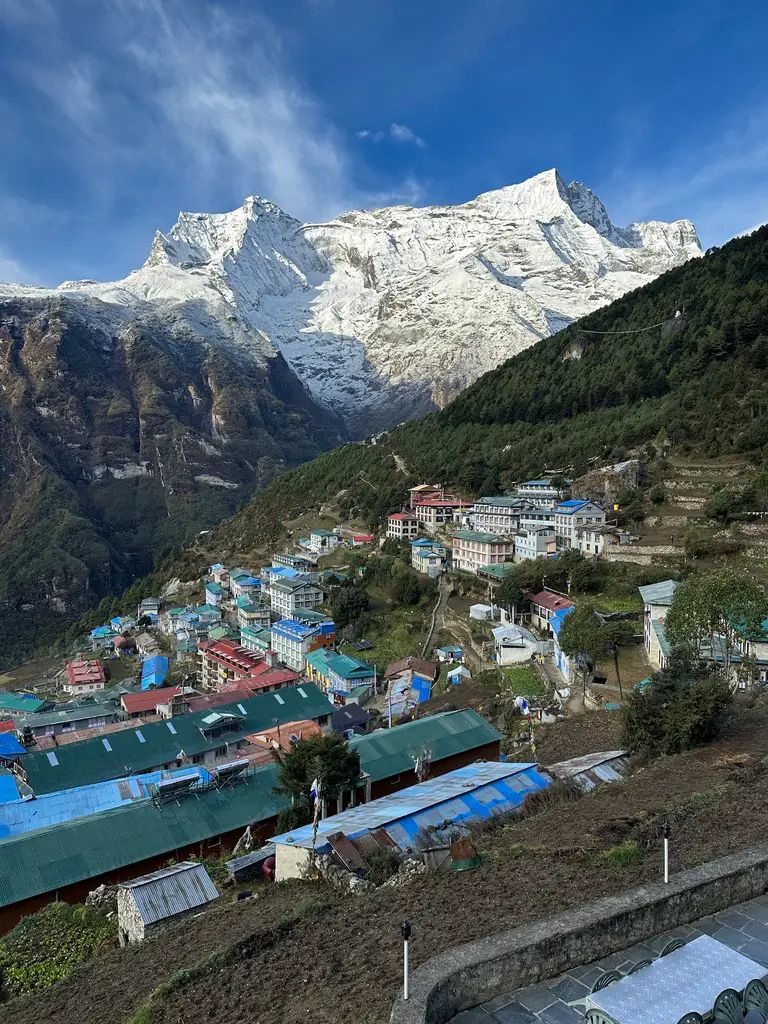
Lukla to Namche Trek
The Lukla to Namche Trek is where many Everest journeys begin, but it is also a complete journey on its own. You fly into...
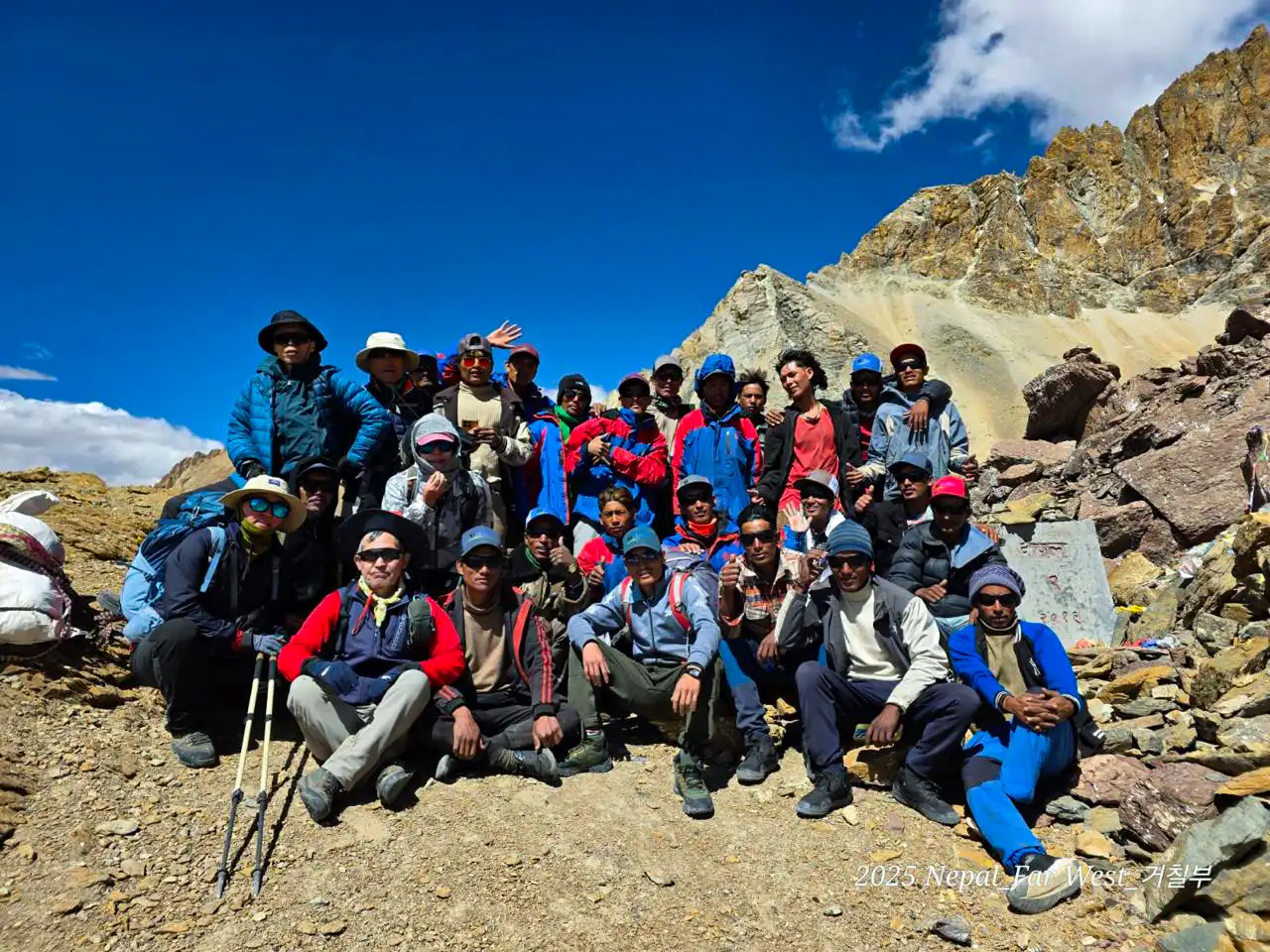
Nepal Has Two Faces. Most Trekkers Only See One. Everyone knows Everest Base Camp. Everyone has seen the photos of the Annapurna Circuit. They...
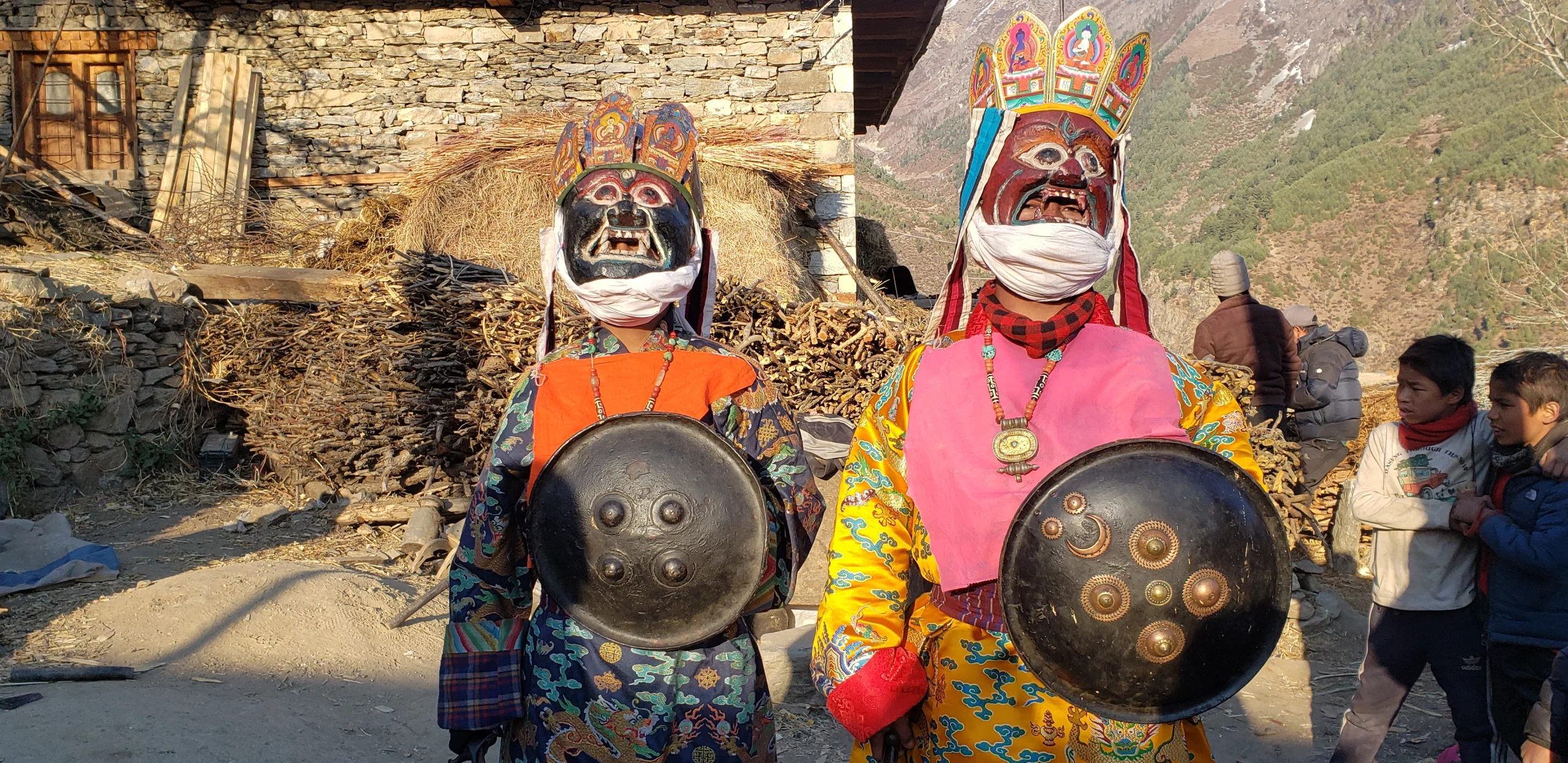
Mane Festival Humla
Mane Festival of the Nyinba community of Humla is one of the most unique festivals in Nepal. This festival reflects the lifestyle and traditions...
Langtang Valley Trek
Overview The Langtang Valley Trek is one of Nepal’s most beautiful and accessible Himalayan journeys. Nestled just north of Kathmandu, the valley combines stunning...
