



Trip overview
The Mount Kailash Saga Dawa Festival Trek via Simikot 2026 is a rare spiritual journey that combines one of the holiest Buddhist festivals with the most authentic and scenic route to Mount Kailash. Taking place during the sacred Saga Dawa Festival—the month that marks Lord Buddha’s birth, enlightenment, and parinirvana—this pilgrimage holds exceptional religious importance, especially in the Horse Year 2026, believed to multiply spiritual merit many times over.
This journey follows the Kailash Mansarovar Yatra via Simikot, Nepal’s most remote and culturally rich gateway to Tibet. Opened after the Nepal–China border agreement in 1993, the Simikot–Humla route is considered the shortest and most gradual approach to Mount Kailash, making it ideal for proper acclimatization and a deeper spiritual experience. Unlike busier routes, this path allows pilgrims to walk ancient trade trails, cross high Himalayan passes, and slowly transition into the vast Tibetan Plateau.
The trek begins in Simikot (2,910m), reached by flights via Nepalgunj, and continues on foot and by drive through the upper Humla region toward the Nepal–Tibet border at Hilsa. Along the way, travelers cross the Nara La Pass (4,530m) and experience dramatic landscapes shaped by time, faith, and nature. The slower pace of this route is especially valued during Saga Dawa Festival at Mount Kailash, allowing pilgrims to arrive physically prepared and mentally grounded.
Upon entering Tibet, the journey continues to Lake Mansarovar and Mount Kailash, where pilgrims witness grand Saga Dawa celebrations—prayer flags raised, monasteries alive with chanting, and thousands of devotees performing sacred rituals. For many, performing the Kailash Kora during Saga Dawa is a once-in-a-lifetime spiritual calling.
This Kailash Yatra 2026 via Simikot is ideal for pilgrims seeking authenticity, spiritual depth, and a less commercialized route—whether traveling traditionally on foot or opting for support options such as horse or helicopter assistance from Simikot where available.
Mount Kailash Saga Dawa Festival Trek via Simikot 2026 Highlights
Key Highlights – Kailash Saga Dawa Festival via Simikot
Pilgrimage to Mount Kailash during the sacred Saga Dawa Festival 2026
Special significance of the Horse Year Kailash Pilgrimage, believed to enhance spiritual merit
Travel via Simikot–Humla, the most authentic and less crowded Kailash route
Gradual altitude gain with excellent natural acclimatization before reaching Tibet
Cross the scenic Nara La Pass (4,530m) before entering the Tibetan Plateau
Participate in Saga Dawa Festival celebrations at Mount Kailash, including prayers and rituals
Holy dip and meditation at Lake Mansarovar, one of the world’s most sacred lakes
Opportunity to perform the Kailash Kora during Saga Dawa, the most auspicious time of the year
Deep cultural encounters in remote Humla villages and ancient Himalayan trade routes
Stunning views of high Himalayan landscapes and vast Tibetan terrain
Option to customize as a spiritual Mount Kailash tour via Simikot with horse or helicopter support
Ideal for pilgrims seeking a meaningful, well-paced, and spiritually focused Kailash Mansarovar Yatra
Mount Kailash Saga Dawa Festival Trek via Simikot 2026 Itinerary
Expand AllArrival in Kathmandu (1,350m)
Upon arrival in Kathmandu, you are met and transferred to your hotel. This day is kept light to recover from international travel and prepare for the journey ahead. If time permits, a short walk around Thamel allows time for currency exchange, gear checks, and a first feel of Nepal’s capital. In the evening, there is a detailed briefing covering the Mount Kailash Saga Dawa Festival Tour via Simikot, including permits, route overview, and altitude considerations.
Fly from Kathmandu to Nepalgunj (150m)
Today, you take a domestic flight from Kathmandu to Nepalgunj, the main transit hub for western Nepal. Sitting on the right side of the aircraft is highly recommended, as clear weather often rewards you with panoramic views of the Annapurna Range and Dhaulagiri Range, including several peaks above 7,000 m and 8,000 m.
After arrival, the rest of the day is free to relax and prepare for the early morning flight to Simikot.
Fly Nepalgunj to Simikot (2,910m)
An early morning mountain flight takes you from Nepalgunj to Simikot. The landscape changes dramatically as the route passes over remote hills, deep river valleys, and snow-covered ridges. Upon arrival in Simikot, the district headquarters of Humla, you check into a simple lodge or guesthouse.
The remainder of the day is reserved for rest and light acclimatization, with an optional short walk around town.
Trek from Simikot to Dharapori (2,300 m)
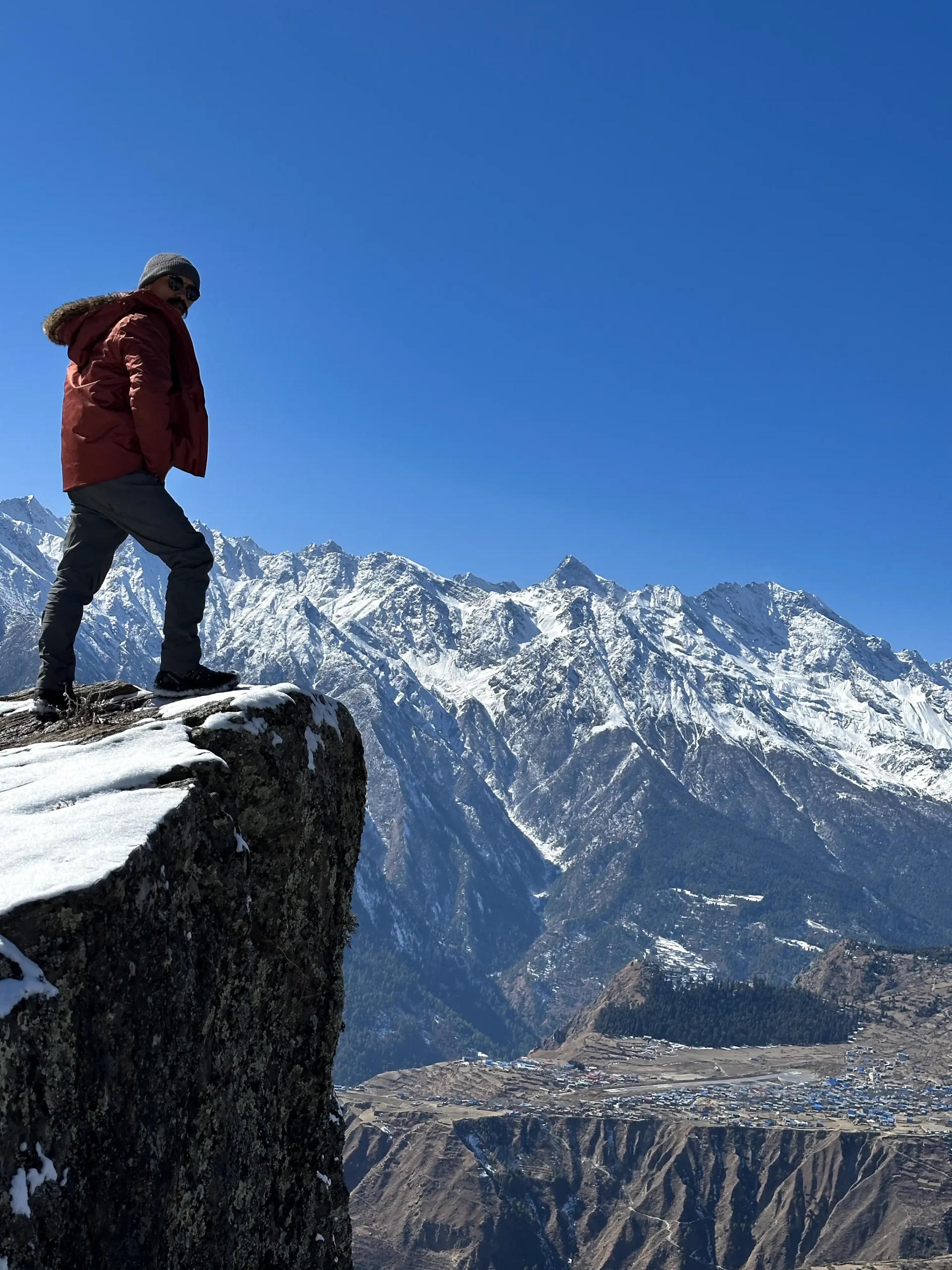
After breakfast in Simikot, the trek begins along the Karnali River valley, following a clear trail out of town. The path climbs gradually toward Lagna, a natural viewpoint that offers wide views back over Simikot and the surrounding hills. After crossing Lagna Pass, the trail descends steadily into the lower valley.
Continuing downhill, the route passes through Dharapori Village, a traditional Thakuri settlement, where terraced fields and stone houses reflect local mountain life. The trail then crosses the Hepka Khola via a simple bridge before opening into grazing land near the village.
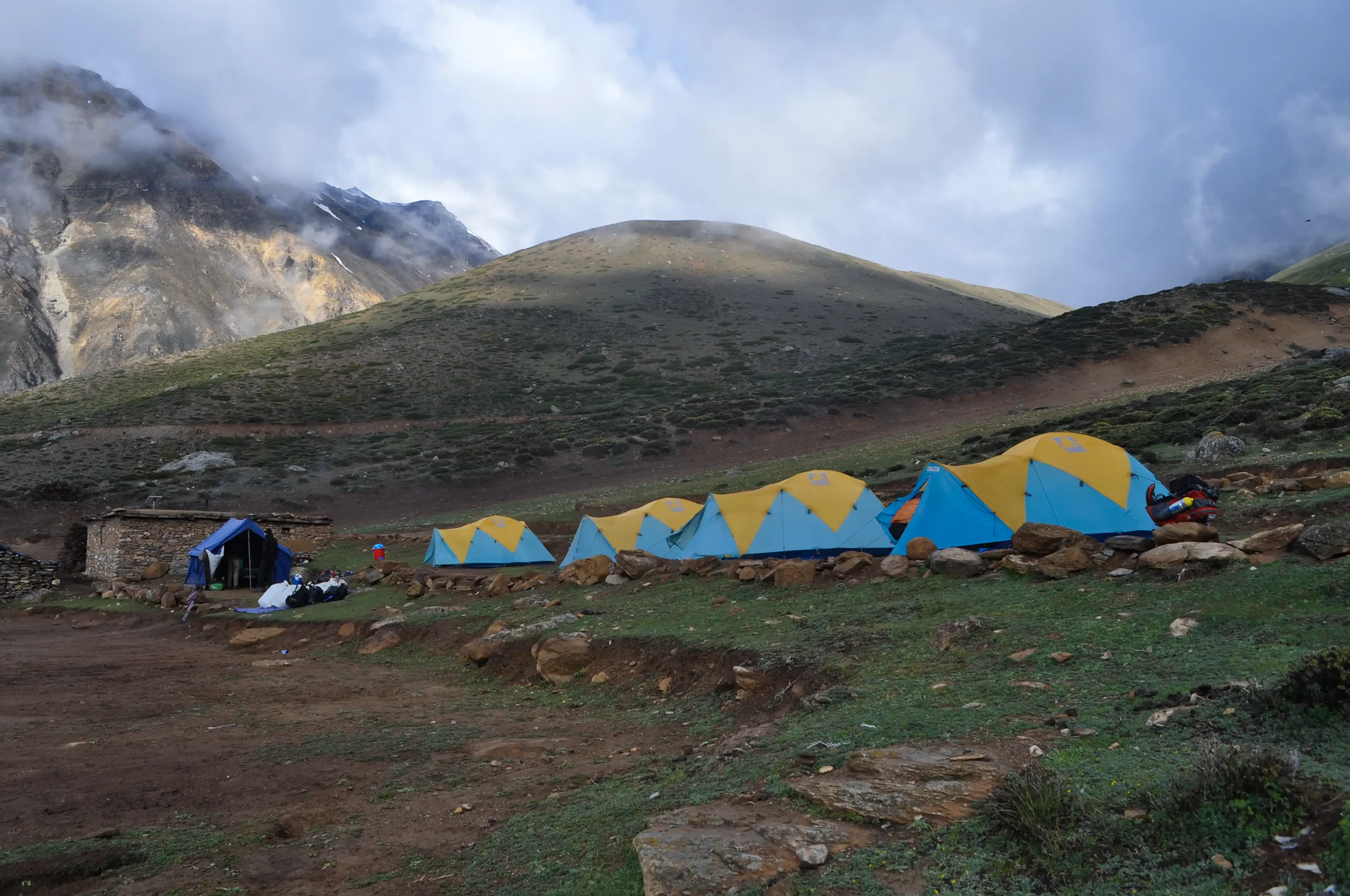
The day ends with camping near the Dharapori village area, close to water sources and open pastureland. The lower altitude and warmer climate make this a comfortable place to rest and prepare for the following days of trekking.
Trek toward Salli Khola via Kermi (2,700 m)
Today we walk through the deep Karnali River valley — rocky trail high above the water most of the way. After a couple of hours, you suddenly see Chya-Chhra Waterfall dropping from the cliff — a nice surprise and great photo spot. We reach Kermi village — small place famous for natural hot springs. Many trekkers stop here to soak tired legs in the warm water — good for recovery.
From Kermi, the trail climbs gradually to Salli Pass — important crossing point toward Limi Valley. After the pass, we drop gently into a quiet side valley and reach Salli Khola camp — peaceful spot with forest, river sound, and fresh air.
Trek from Salli Khola to Tumkot (3,350 m)
Today starts easy after breakfast at Salli Khola camp. The trail goes across open Yalbang Chaur — flat and nice walking — then climbs gently to Yalbang Monastery.
This is the biggest monastery in Humla. You can see monks and nuns going about their day, kids in the school, and the prayer halls. It’s a good stop to sit quietly, watch local Buddhist life, or chat with the people there if they’re free.
After the monastery, the path continues through Muchu villages and pretty valleys — green fields, river views, and normal village life. The walk feels relaxed after the climb.
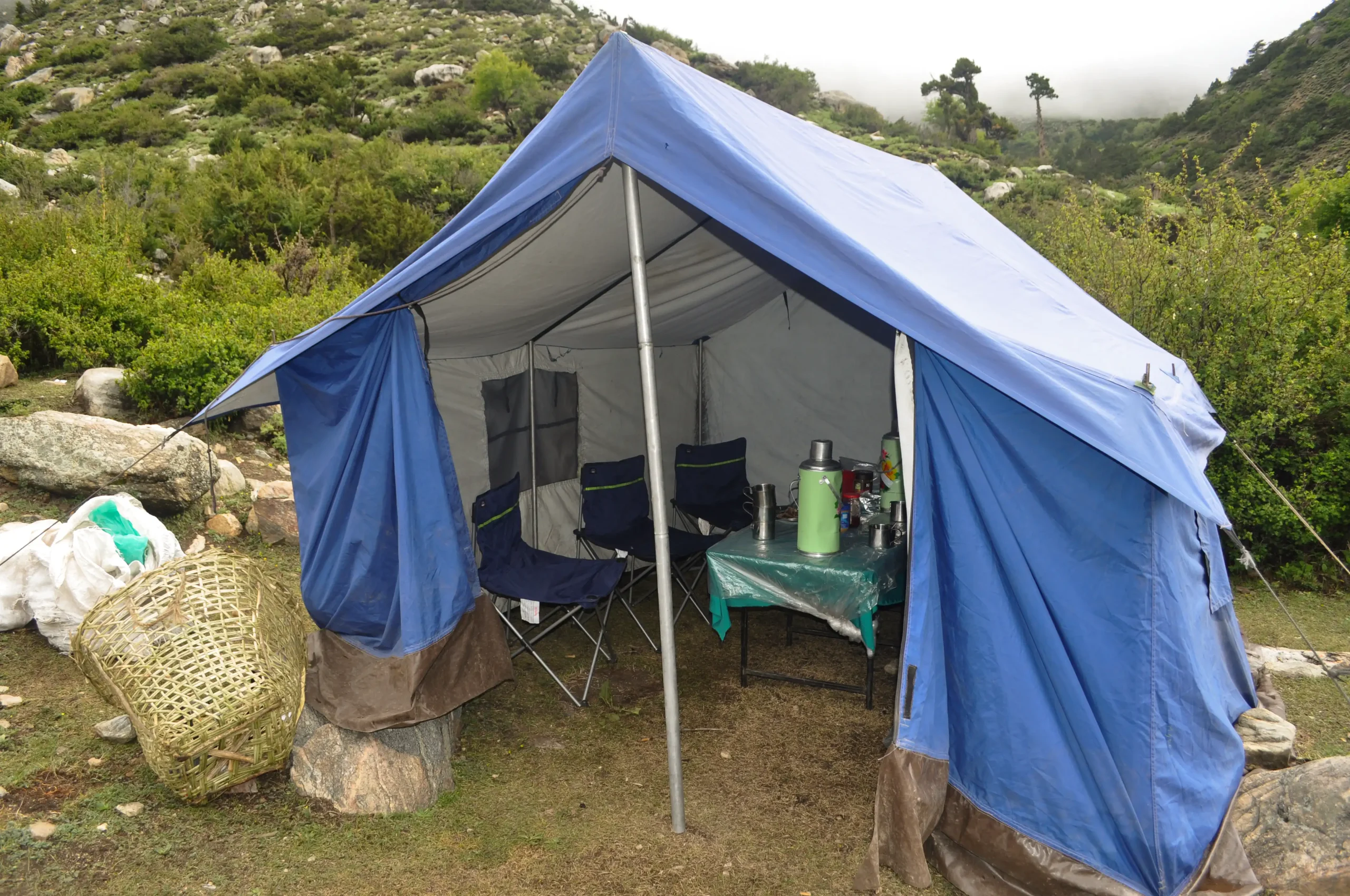
By late afternoon we reach Tumkot campsite — a peaceful spot near the river. We set up tents, have dinner, and rest early for tomorrow.
Trek to Yari Village (4,100 m)
After breakfast at Tumkot camp, we cross the Tumkot River and start walking toward Yari Village — the most northern settlement in Humla. The trail climbs gradually — not too steep, but steady. The land gets drier, trees disappear, and you get big open views of high mountains and empty valleys. It’s peaceful and remote — typical Upper Humla feel.
Take it slow today — good for acclimatization. Stop when you need to breathe or take photos. Yari is small and quiet, with traditional stone houses, local people, and that far-away Himalayan vibe. It’s an important stop for trekkers going toward Mount Kailash.
We reach Yari by late afternoon. Set up camp, have dinner, and rest early — the altitude is higher now.
Trek to Hilsa (3,640 m) & Cross into Tibet (3,900m)
Today is a big day — we finish the Nepal side and cross into Tibet. After breakfast at Yari camp, we start the climb to Nara La Pass (4,530 m). The trail goes uphill steadily — not too steep, but you feel the height. At the top, the views are wide open: mountains, valleys, and the way ahead into Tibet. Take a few minutes for photos and to catch your breath.
From Nara La, the path descends gently toward Hilsa, a village on the Nepal–Tibet border. It’s a small place right on the Karnali River. Once we reach Hilsa, we meet our Tibetan support team (guide and driver). They help with border formalities — passports, permits, and checks. It can take 1–2 hours, so we stay patient and organized.
After clearing immigration, it’s a quick 30-minute drive to Taklakot (also called Purang) — the first Tibetan town on the Kailash route. Taklakot is lively with shops, markets, and people trading between Nepal and Tibet. Check into the hotel or guesthouse, have a warm shower, and relax. Dinner in the evening — good chance to settle in and get ready for the Kailash part.
Drive Purang to Lake Manasarovar (4,600 m)
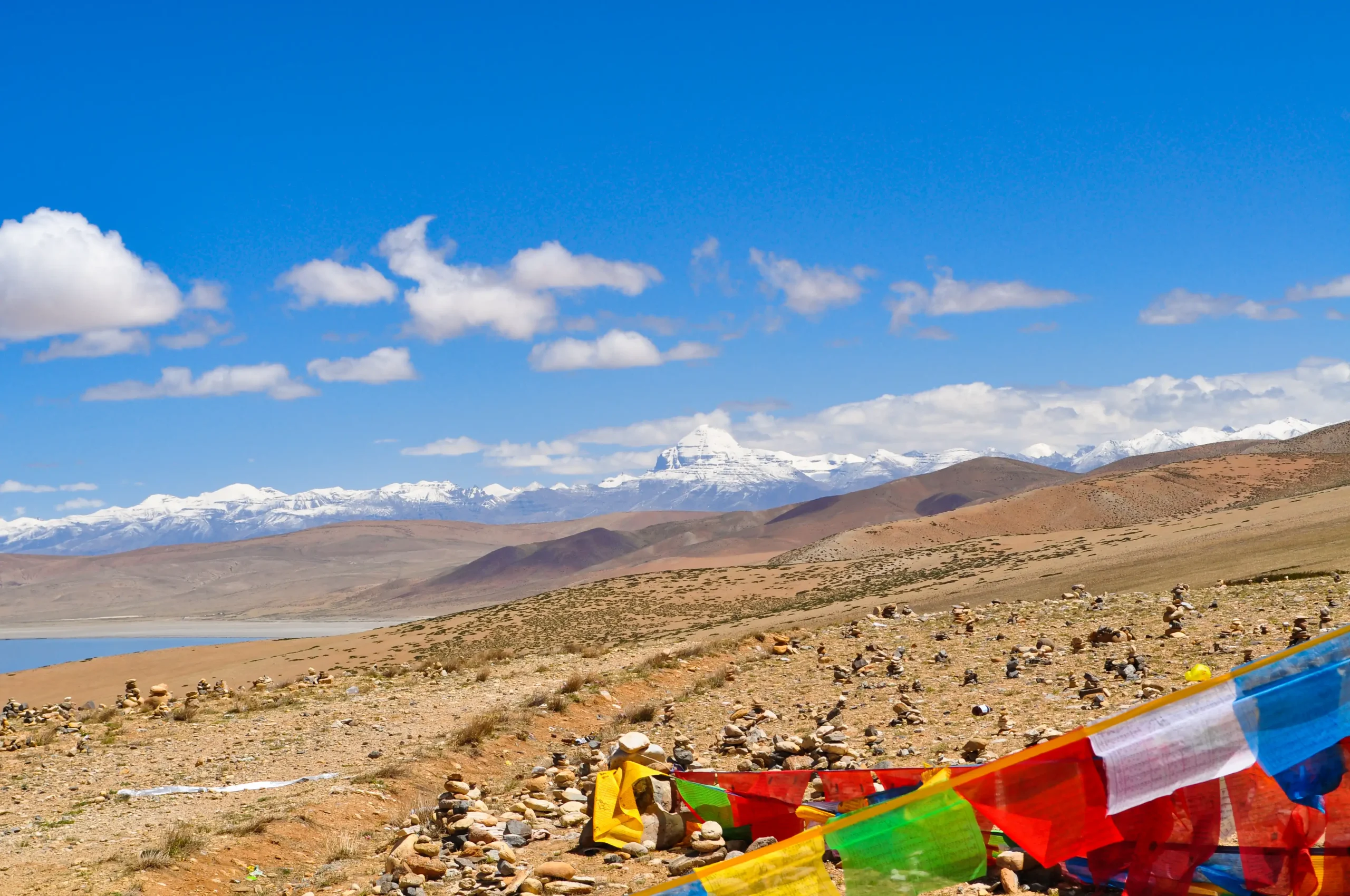
Today, you drive to the sacred Lake Manasarovar, one of the holiest lakes in the Buddhist and Hindu traditions. Situated at 4,600 m, the lake is surrounded by snow-capped peaks and offers a serene, reflective experience.
Upon arrival, perform spiritual rituals, meditation, and lakeshore exploration. Many pilgrims collect holy water, chant prayers, or simply marvel at the pristine landscape. Manasarovar’s calm waters mirror the surrounding peaks, creating stunning photo opportunities.
Drive to Darchen and continue Drive to Tarboche for Saga Dawa Festival
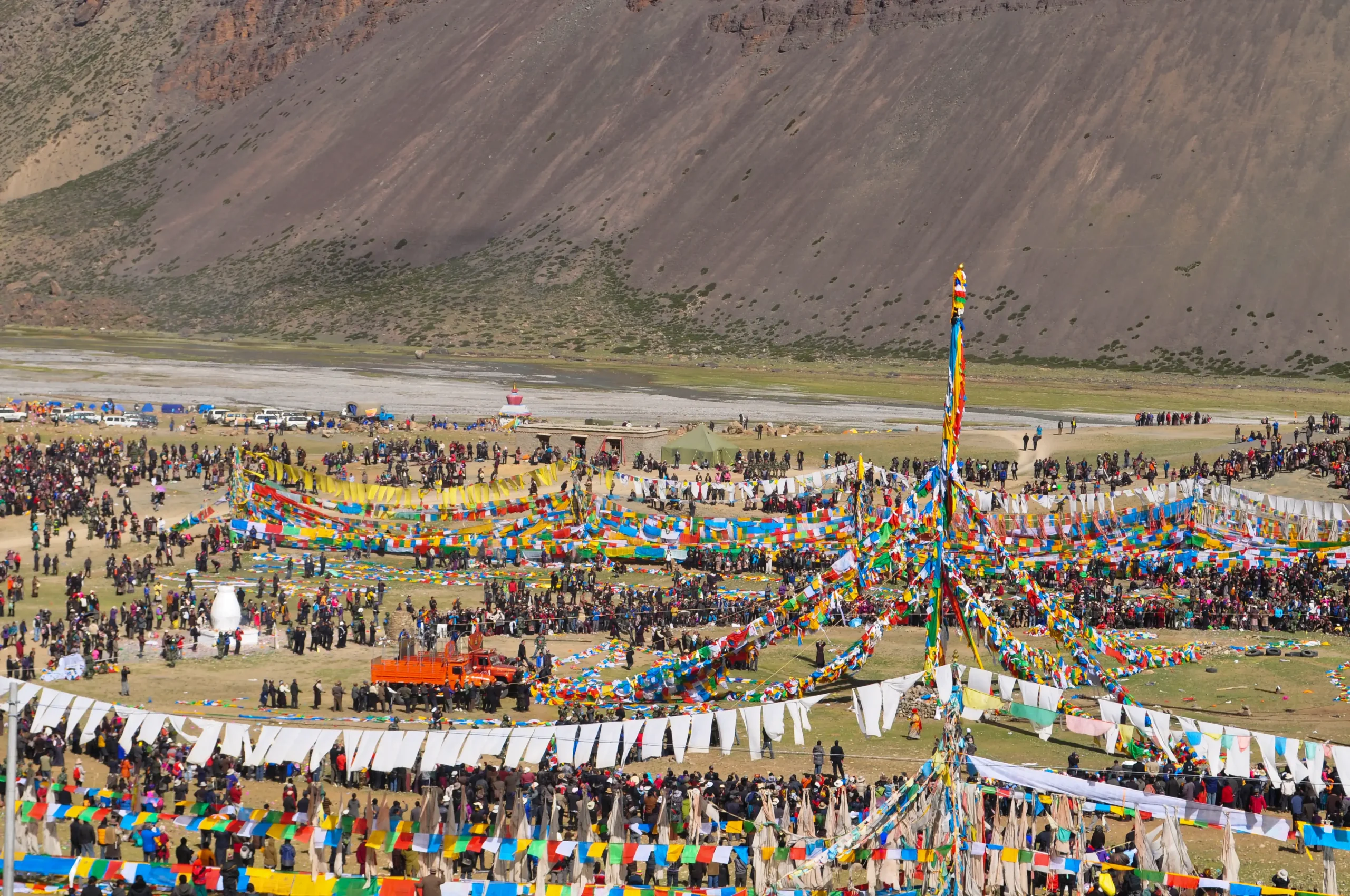
After breakfast drive to Darchen and continue drive to Tarboche , Today is the spiritual highlight — Saga Dawa Festival at Kailash. This full-moon day celebrates Buddha’s birth, enlightenment, and nirvana. Pilgrims from Tibet, Nepal, India gather for big rituals.
The main event is at Tarboche — raising tall prayer flag poles. Everyone helps tie new flags (printed with prayers) to the poles — it’s said to spread blessings with the wind. You can join in, watch, or just feel the energy.
There’s chanting, traditional music, butter lamps, and lots of koras around the mountain. The air is full of prayers and positive vibes.
Evening walk back or drive back to Darchen.
Drive to Tarboche – Start Kailash Kora to Dirapuk (5,080 m)
After an early breakfast, drive to Darchen, the base for the Kailash Kora. From here, begin the spiritual walk to Dirapuk Monastery, witnessing the north face of Mount Kailash up close. The path passes prayer flags, mani walls, and small chortens, creating a deeply sacred atmosphere.
Pro Tip: Move slowly to acclimatize at high altitude and take short breaks for prayer or photography.
Cross Dolma La Pass (5,630 m) – Trek to Zutulpuk (4,790 m)
The second day of the kora and its longest day of all and hardest too. From Dira puk the trial leaves Lha Chu valley and enters to Doma La Chu valley and all ascent to Dolma la pass, the time is about 3 hours. After few min descents we will see Gauri kunda and descents down to Lham Chu valley and walk along Lham Chu River west or east. And we come to Zutulphuk at 4790m. ZuthulPhuk a famous monastery built at the site of a famous cave said to have been created as a part of the contest between Milarepa and Naro Bonchung over whether Kailash would subsequently be the domain of Buddhism or Bon. About 8/9 hrs, Camp
Complete Kailash Kora – Drive to Purang (3,900m)
Finish the final stretch of the Kailash Kora, completing the full circumambulation of the sacred mountain. Afterward, drive back to Purang for rest, celebration, and reflection on this profound spiritual journey.
Pro Tip: Capture sunset views from Purang—the soft light enhances the spiritual ambiance of the Tibetan plateau.
Drive from Purang to Simikot via Hilsa (2,910 m)
For adventurous groups, return to Simikot by road via Hilsa. Enjoy the rugged mountain scenery and Tibetan plateau landscapes along the way. Total journey 6–8 hours, depending on road conditions.
Drive Duration: 6–8 hours
Accommodation: Lodge / Guesthouse in Simikot
Altitude: 2,910 m
Fly Simikot – Nepalgunj – Kathmandu (1,350 m)
Early morning flight from Simikot to Nepalgunj, followed by onward flight to Kathmandu (1,350 m). Transfer to your hotel or airport for departure. The Mount Kailash Saga Dawa Festival pilgrimage concludes today, leaving lasting spiritual and cultural memories.
Travel Duration: 2–3 hours total flights
Final departure
Fly back home according to flight schedule.
Not quite satisfied with this itinerary?
No worries – every traveler has unique preferences, and we’d be happy to adjust the plan to match your style, comfort, and interests. Let us know what you’d like to add or change, and we’ll create a journey that feels truly yours.
Customize TripCost Includes
- 4 Hotel in Kathmandu with breakfast on twin share basis
- Sightseeing in KTM
- Twin sharing basis hotel in Nepalgunj with Breakfast and Dinner.
- Mules or porters for luggage up to Nepal – Tibet border from Simikot.
- 2 men A framed tent during camping.
- All meals during the trek in Nepal side
- All meals during the tour in Tibet side
- Hotel and Guesthouses accommodation in Tibet on twin sharing basis
- Client airfare Kathmandu/Nepalgunj/Simikot
- Guide airfare Kathmandu/Nepalgunj/Simikot
- Cook airfare Kathmandu/Nepalgunj/Simikot and back
- Guide airfare Lhasa to Kathmandu
- Humla restricted trekking permit.
- DDC tax
- Tibet special permits, visa letters and entrance fees.
- Transportation in Tibet by new Van.
- Camping staff till Tibet border
- Camping equipments and cooking equipments in Nepal side
- Insurances for Nepali staffs.
- 1 Nepali guide
- 1 Tibetan guide
- First aid kit with Oxygen
Cost Excludes
- Insurance and Emergency Rescue.
- Personal beverages.
- Domestic flight access baggage charge, limit is 15 kg only
- In case of flight cancellation in Nepalgunj US $ 45 per person per day.
- Lunch and dinner in Kathmandu.
Additional Informations
Why Travel to Mount Kailash via Simikot?
Traveling to Mount Kailash via Simikot is considered the most authentic and gradual route for high-altitude pilgrims. Compared to other approaches, the Simikot–Hilsa route allows better natural acclimatization, making it safer and more comfortable for travelers during the Saga Dawa Festival. The journey passes through remote villages of Humla, offering deep cultural exposure before entering Tibet.
This route is especially recommended for Kailash Mansarovar Yatra during Saga Dawa, when altitude adaptation and physical readiness are crucial.
Saga Dawa Festival – Spiritual Significance
Saga Dawa Festival is the holiest event in the Tibetan Buddhist calendar, observed on the full moon of the fourth lunar month (May–June). The festival commemorates Lord Buddha’s birth, enlightenment, and parinirvana on the same auspicious day.
During Saga Dawa at Mount Kailash, thousands of pilgrims gather to:
- Perform sacred rituals and prayers
- Light butter lamps
- Complete Mount Kailash Kora with spiritual devotion
For pilgrims, visiting Mount Kailash during Saga Dawa in Horse Year 2026 is believed to multiply spiritual merit many times over.
Horse Year 2026 – Why It Is Special
According to Tibetan astrology, Horse Year is one of the most powerful years for Mount Kailash pilgrimage. Completing Kailash Kora during Horse Year is believed to bring:
- Strong spiritual cleansing
- Positive karma accumulation
- Blessings for future generations
This makes the Mount Kailash Saga Dawa Festival Tour 2026 especially meaningful for pilgrims worldwide.
Accommodation & Meals During the Journey
- Kathmandu & Nepalgunj: Comfortable tourist-standard hotels
- Simikot & Humla Region: Local lodges and fully supported camping
- Tibet (Purang, Manasarovar, Darchen): Guesthouses / simple hotels
Meals are freshly prepared by experienced staff during camping days, focusing on nutritious, hygienic, and high-altitude-friendly food.
Altitude & Acclimatization
This itinerary is designed with gradual altitude gain, making it ideal for:
- First-time high-altitude travelers
- Elder pilgrims
- Spiritual seekers during Saga Dawa
Key acclimatization benefits:
- Slow ascent from Simikot
- Multiple nights below 4,000m before Kailash
- Proper rest before Dolma La Pass (5,630m)
Customization & Shortened Itinerary Option
For travelers with limited time, this Mount Kailash Saga Dawa Festival Tour via Simikot can be shortened by using jeep transport between Hilsa and Simikot, depending on road and weather conditions.
This customized option can reduce the total duration by 2–3 days and is available upon request.
Who Is This Tour Best For?
- Spiritual pilgrims seeking Saga Dawa Festival at Mount Kailash
- Travelers wanting the safest Kailash route via Nepal
- Those interested in culture, monasteries, and remote Himalayan life
- Pilgrims planning Kailash Mansarovar Yatra 2026
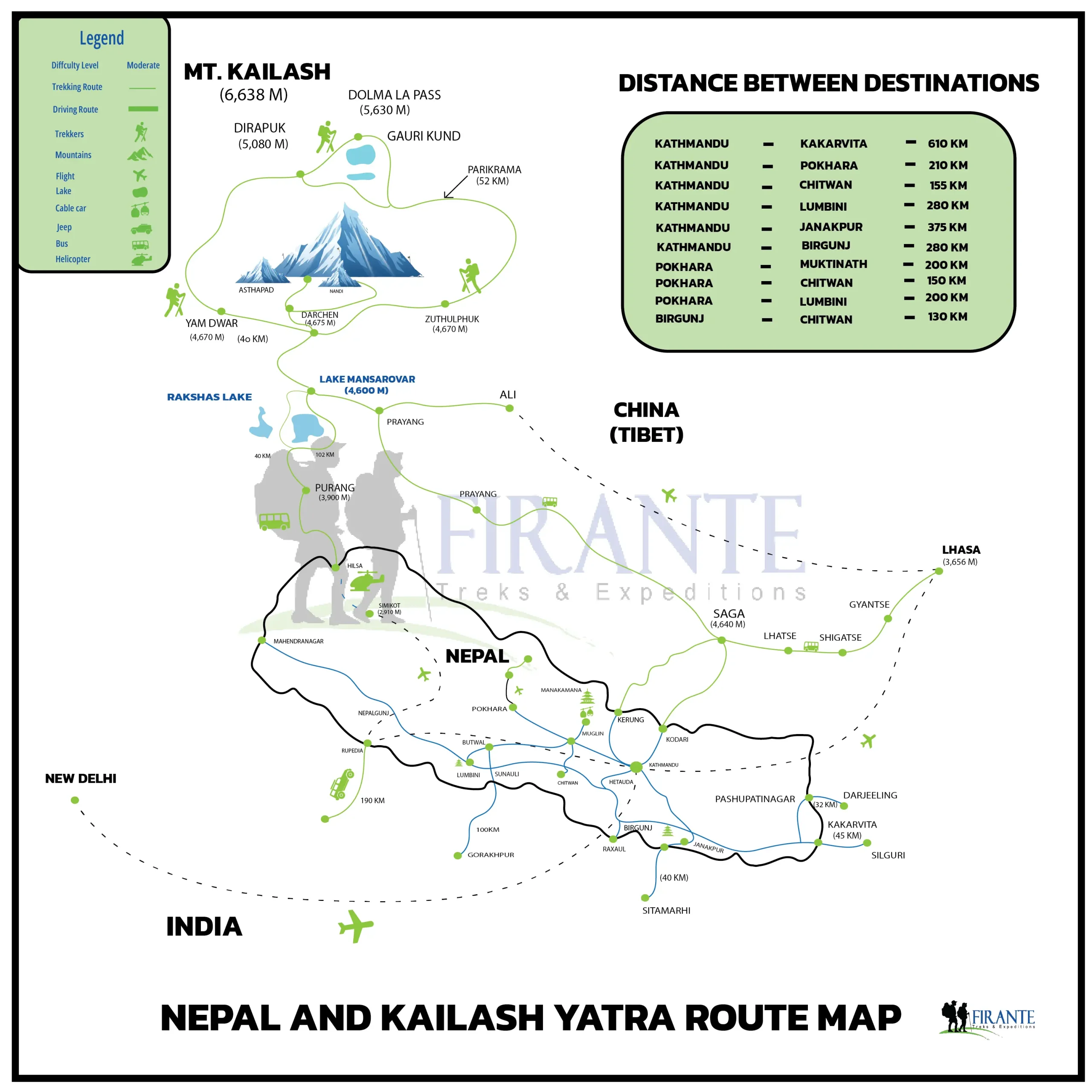
Trip Map
Trip Gallery
Trip FAQs
1. What is the Mount Kailash Saga Dawa Festival Tour via Simikot?
The tour is a 15-day spiritual pilgrimage to Mount Kailash and Lake Manasarovar during the Saga Dawa Festival (May–June 2026). It includes trekking through Humla, crossing Nara La Pass, visiting sacred sites, and witnessing the festival rituals at Kailash.
2. When is the Saga Dawa Festival 2026 at Mount Kailash?
The Saga Dawa Festival is celebrated on the full moon of the fourth lunar month of the Tibetan calendar, which falls in May or June 2026. It honors Buddha’s birth, enlightenment, and Nirvana.
3. What is the difficulty level of this pilgrimage?
This is a challenging high-altitude trek, suitable for fit and experienced trekkers. You will cross Nara La (4,530 m) and Dolma La Pass (5,630 m) and spend multiple nights camping above 3,500 m.
4. What fitness preparation is needed?
Recommended preparation includes:
- Regular cardio (hiking, running, cycling)
- Leg and core strength training
- Prior experience in high-altitude trekking
Ability to carry a daypack of 8–10 kg
5. What are the accommodation arrangements?
- Kathmandu & Nepalgunj: 3★ hotel or Siddhartha Hotel
- Simikot: Clean lodges or guesthouses
- Trekking sections (Humla & Kora): Full camping, with tents, sleeping mats, and organic meals
- Tibet (Purang, Manasarovar, Darchen, Kora stops): Guesthouses or simple hotels
6. How is the altitude managed during the trek?
The itinerary is designed for gradual acclimatization, starting from Simikot (2,910 m) and building up to high passes. Hydration, rest, and pacing are emphasized. Medication like Diamox can be considered after consulting a doctor.
7. What cultural experiences are included?
- Saga Dawa Festival rituals at Mount Kailash
- Visit to Lake Manasarovar, Dirapuk and Zutulpuk Monasteries
- Interaction with Thakuri and Tibetan villagers in Humla and along the Kora
- Observing traditional Buddhist prayers, prayer flags, and mani walls
8. What is the best time to do this pilgrimage?
- Spring (April–May): Snow-free trails in lower Humla, colorful landscapes
- Summer (May–June): Saga Dawa Festival occurs; best weather with clear skies
- Autumn (Sept–Oct): Clear views, but festival is not observed
9. Are flights to Simikot safe?
Yes. Flights operate early morning and are handled by experienced pilots. Seat on the right-hand side of the aircraft for the best chance to view the Annapurna and Dhaulagiri ranges in clear weather.
10. Can beginners do this trek?
It is not recommended for beginners due to high altitude, long trekking hours, and camping experience required. Trekkers should be physically fit and prepared for challenging terrain.
11. How do I get permits for Mount Kailash and Humla?
All permits are arranged by the tour operator in advance, including:
- Humla Restricted Area Permit
- Tibet Entry Permit
- Kailash Kora Permit
12. What wildlife can I expect?
While in Humla, you may spot blue sheep, wild yaks, and Himalayan birds along remote valleys. The Tibetan plateau offers stunning open landscapes but limited wildlife.
13. Is this pilgrimage spiritually rewarding?
Yes. Witnessing the Saga Dawa Festival, performing the Kailash Kora, meditating at Manasarovar, and interacting with pilgrims from around the world is considered a deeply transformative experience.
You may also like

Everest Base Camp Trek
Everest Base Camp Trek: Experience the ultimate Himalayan adventure with breathtaking views of Mount Everest, Sherpa culture, and iconic monasteries. Perfect for thrill-seekers and nature lovers. Trek safely with proper acclimatization, expert guides, and essential gear.
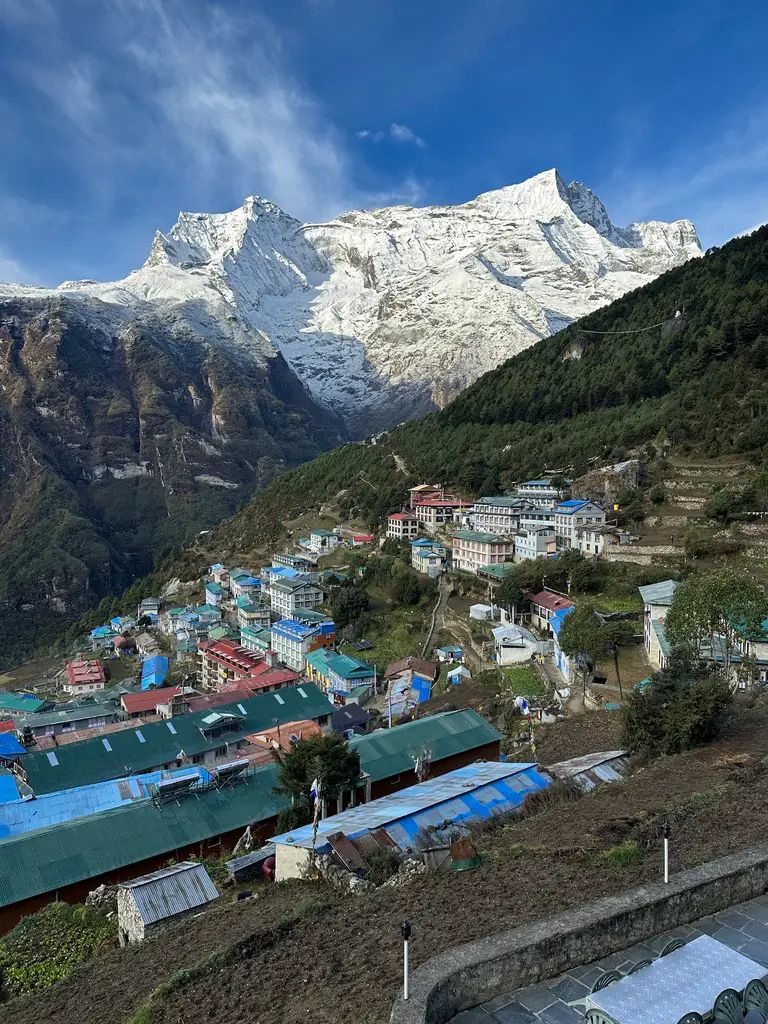
Lukla to Namche Trek
The Lukla to Namche Trek is where many Everest journeys begin, but it is also a complete journey on its own. You fly into...
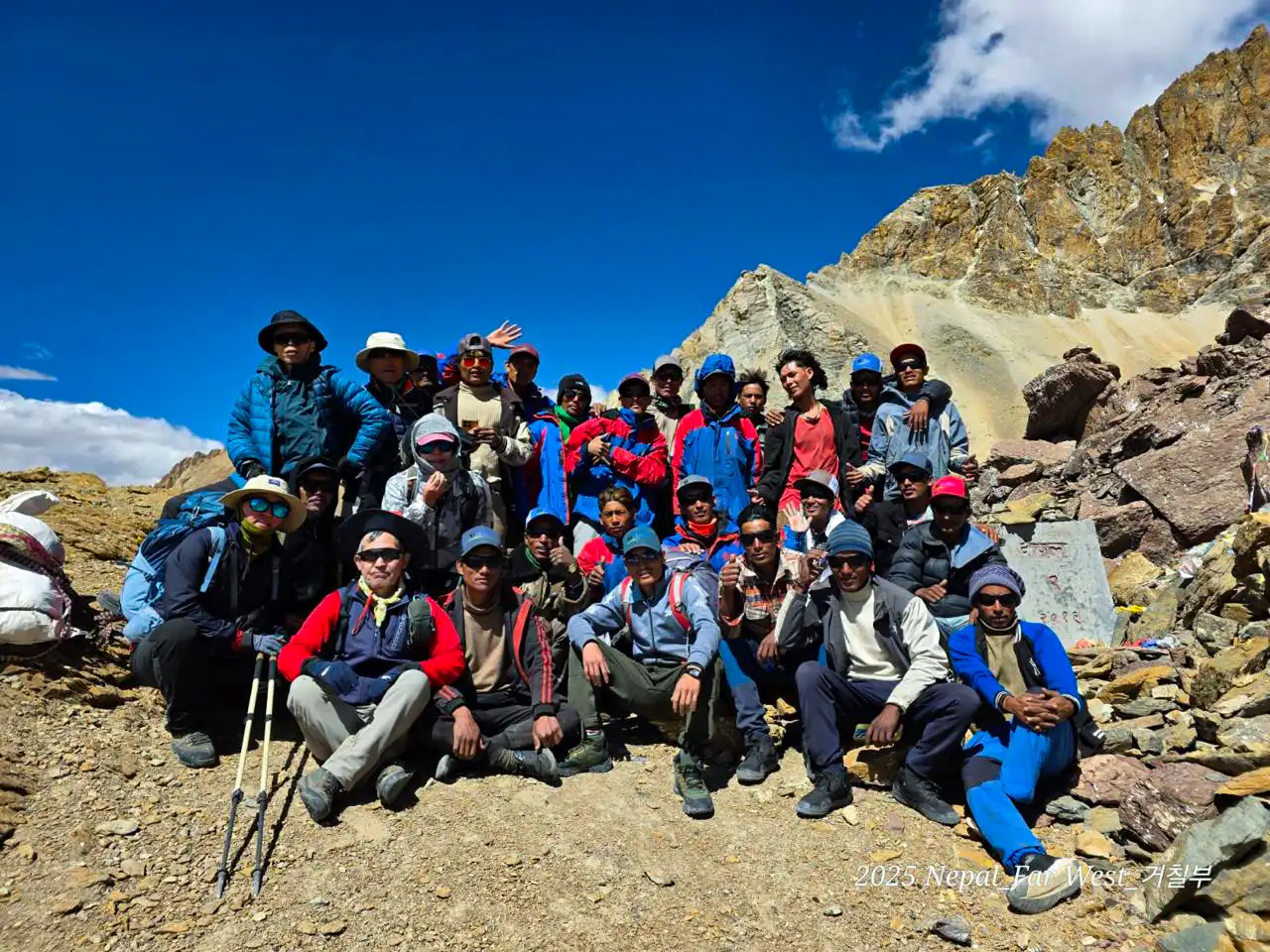
Nepal Has Two Faces. Most Trekkers Only See One. Everyone knows Everest Base Camp. Everyone has seen the photos of the Annapurna Circuit. They...
Mane Festival Humla
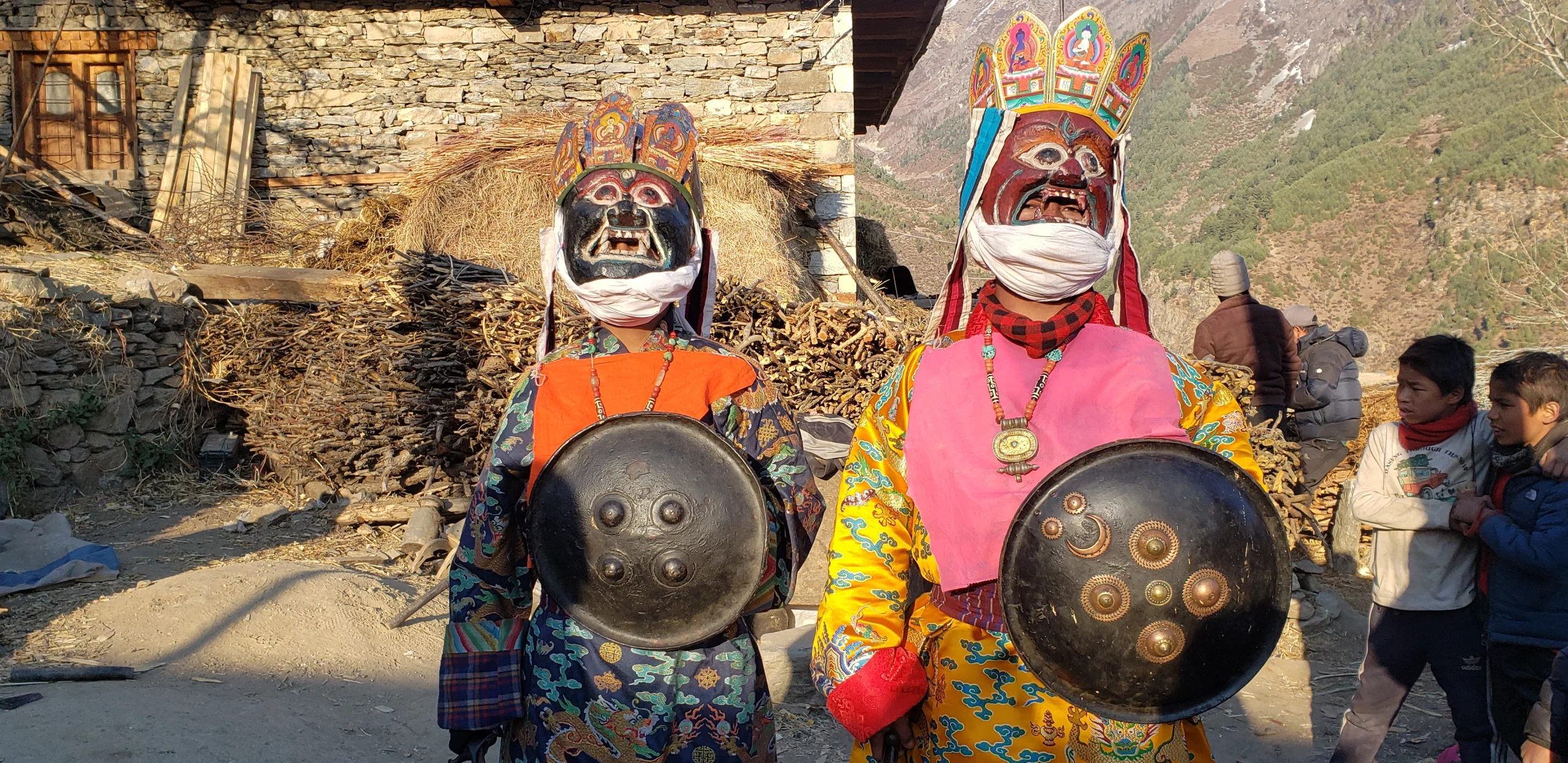
Mane Festival of the Nyinba community of Humla is one of the most unique festivals in Nepal. This festival reflects the lifestyle and traditions...
Langtang Valley Trek
Overview The Langtang Valley Trek is one of Nepal’s most beautiful and accessible Himalayan journeys. Nestled just north of Kathmandu, the valley combines stunning...
