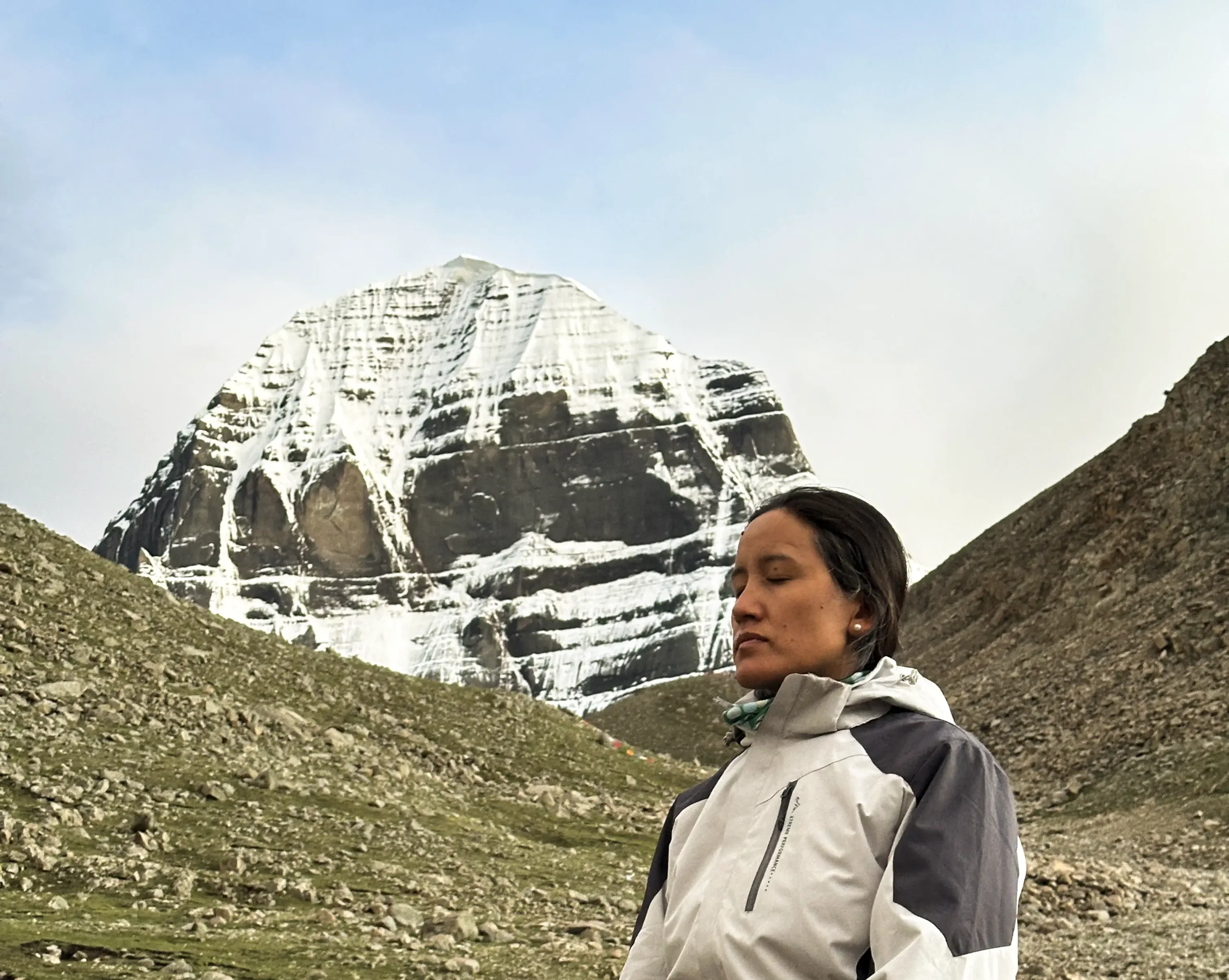
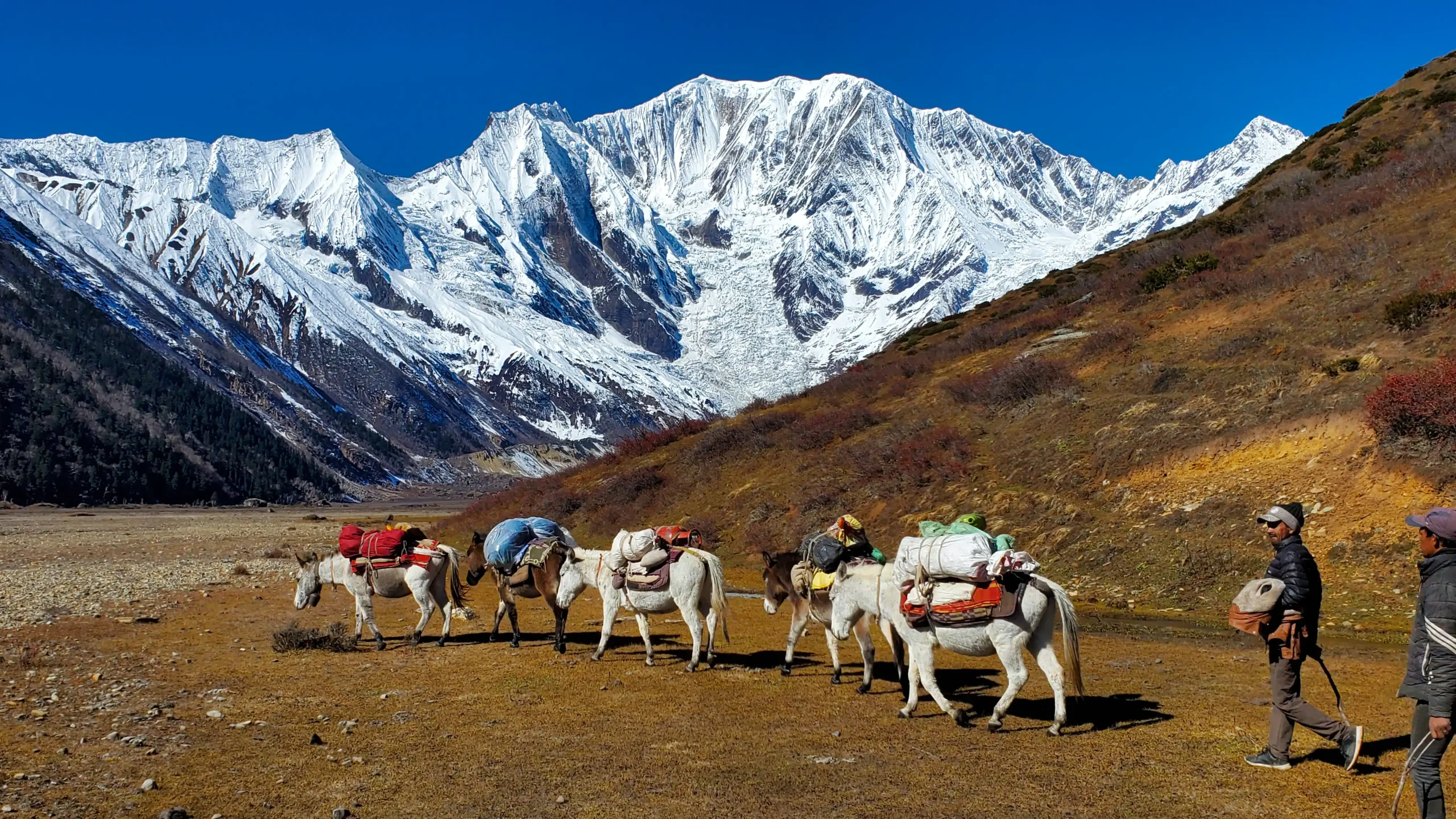
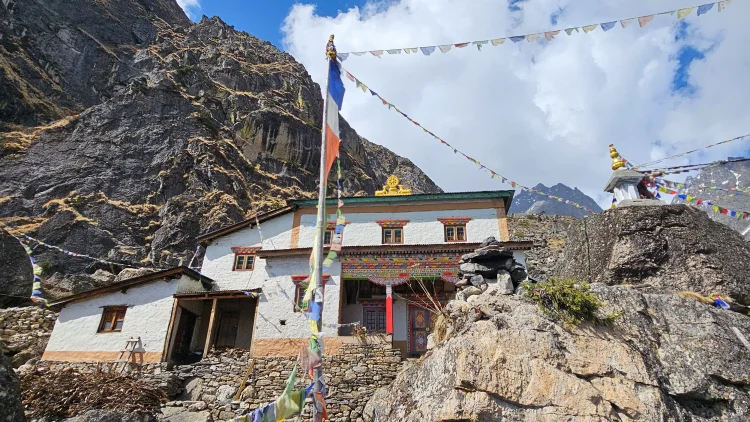
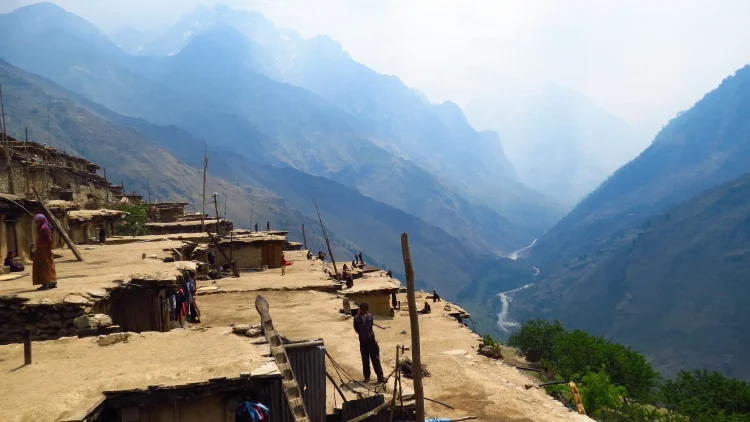
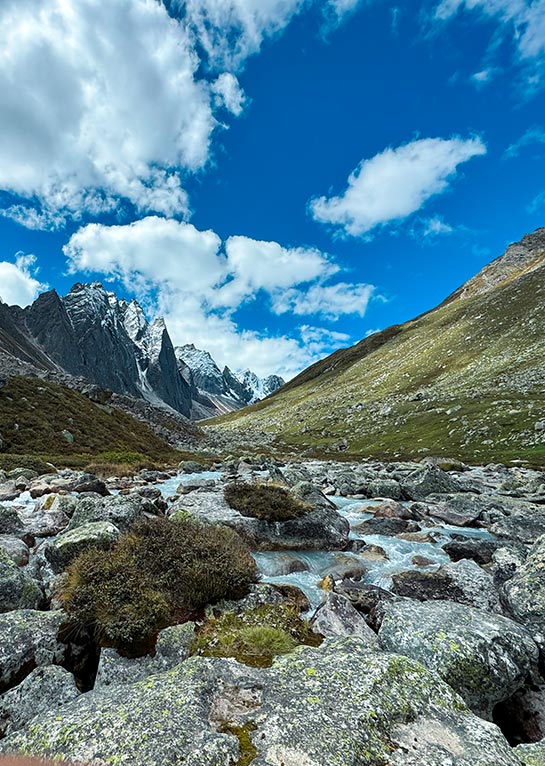
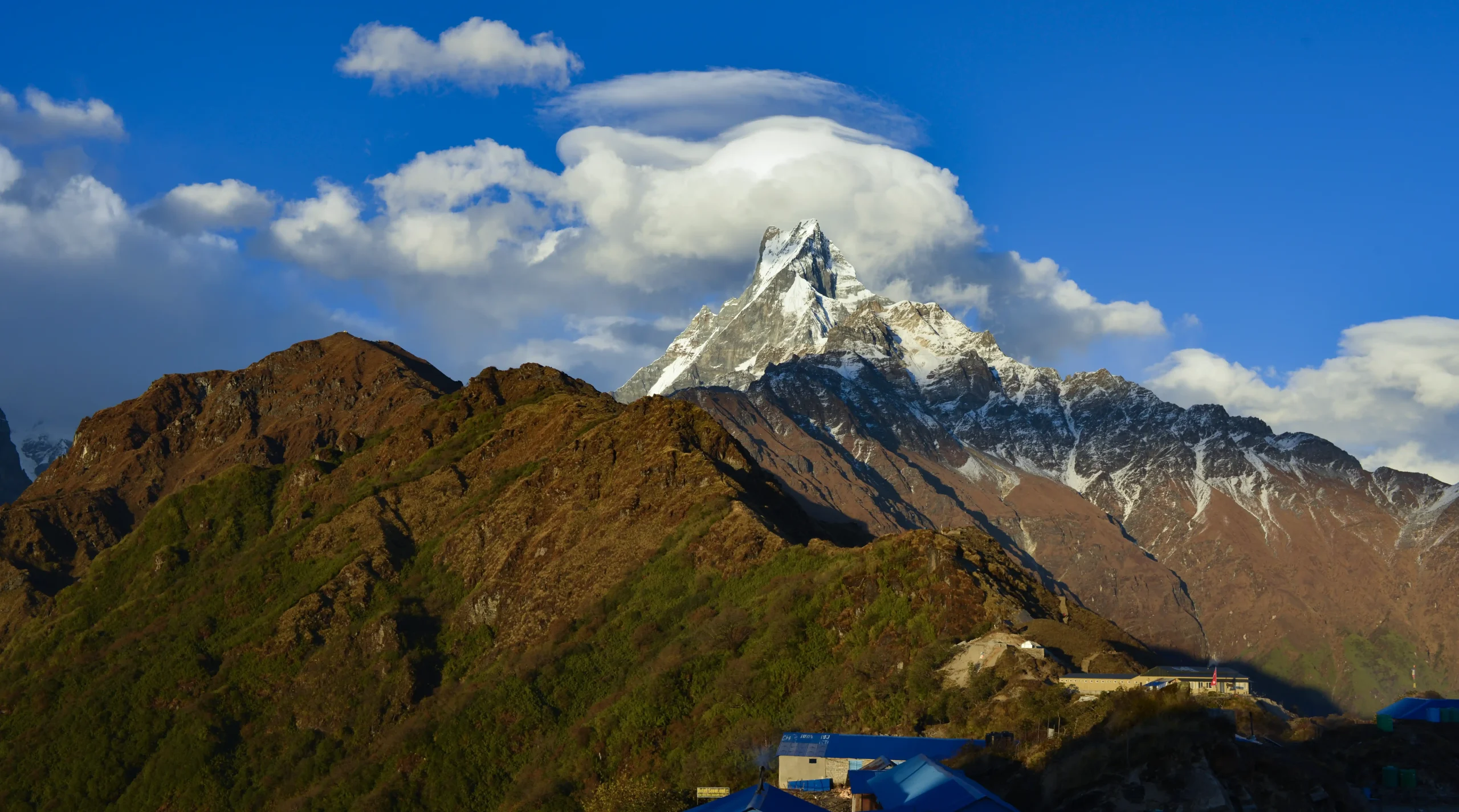
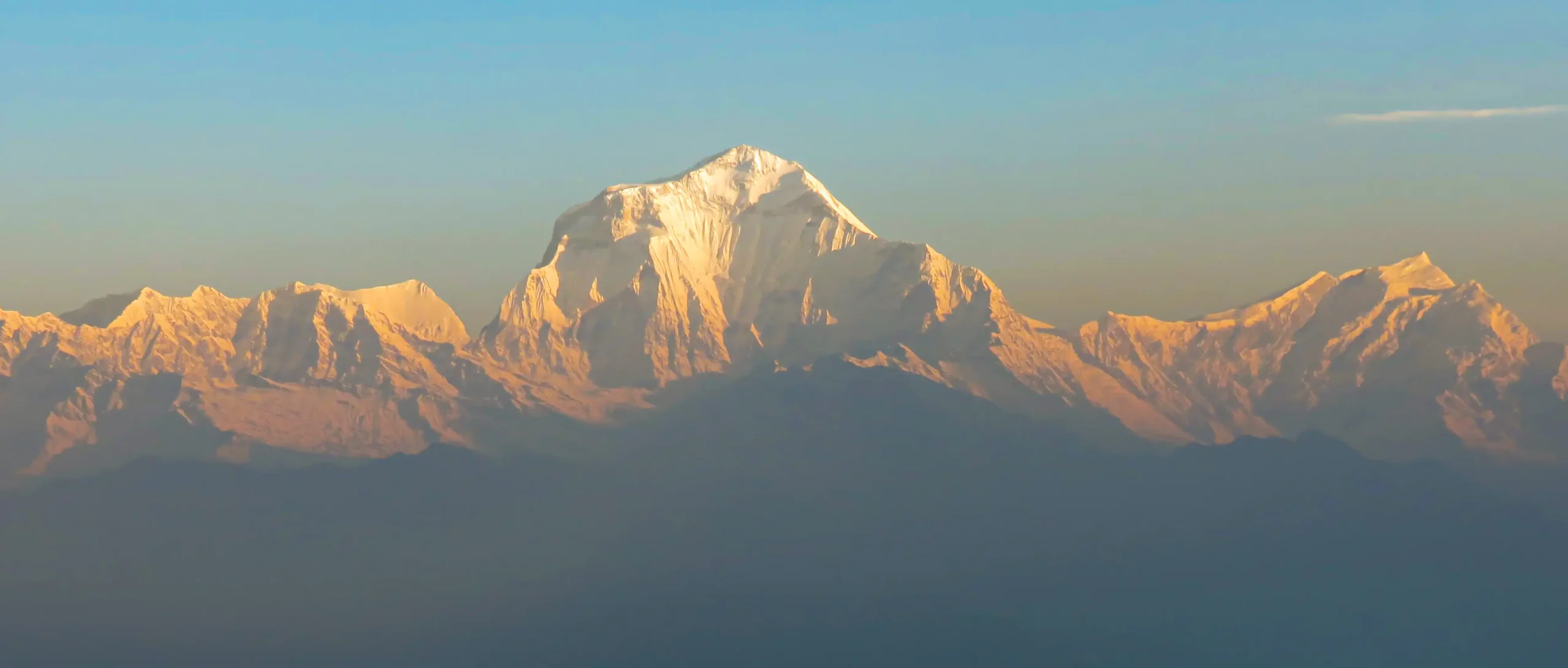
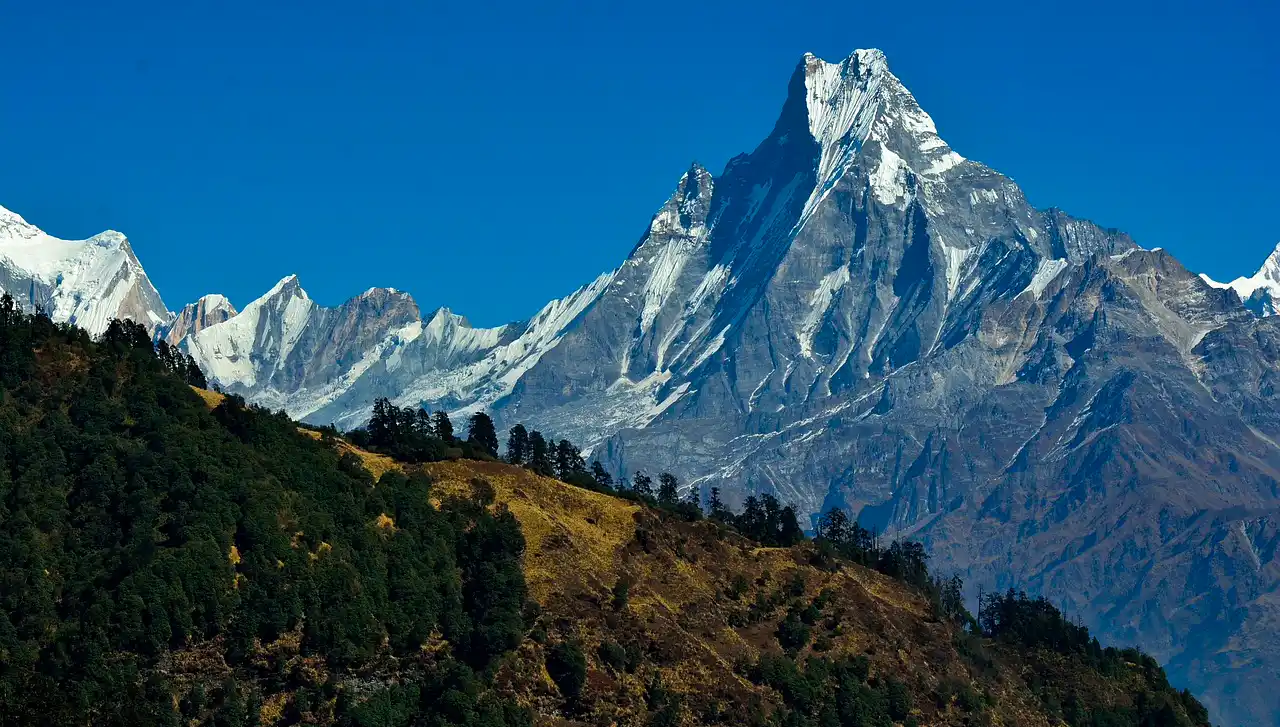
The Kailash Mansarovar Yatra via the Kerung Nepal Route is a classic overland pilgrimage that begins in Kathmandu and slowly leads you across the Himalayan frontier into the vast Tibetan plateau. Traveling by road allows for gradual acclimatization, making this route one of the most comfortable and practical ways to reach Mount Kailash (6,638m)and the sacred Lake Mansarovar (4,560m)—especially for first-time pilgrims or those seeking a less physically demanding journey.
With the reopening of the Rasuwagadhi–Kerung border, this route has once again become a preferred option for devotees. The journey unfolds through dramatic mountain valleys, wide high-altitude plains, and ancient settlements where spirituality is part of everyday life. The landscape feels open, quiet, and timeless, offering space not only to travel, but to reflect.
The experience becomes even more meaningful during Saga Dawa and the auspicious Horse Year 2026, a period believed to multiply the spiritual merit of prayers and good deeds. Pilgrims gather from across the Himalayan world to perform rituals, meditation, and the sacred three-day Kailash Parikrama (Kora)—a deeply personal and transformative walk around the holy mountain.
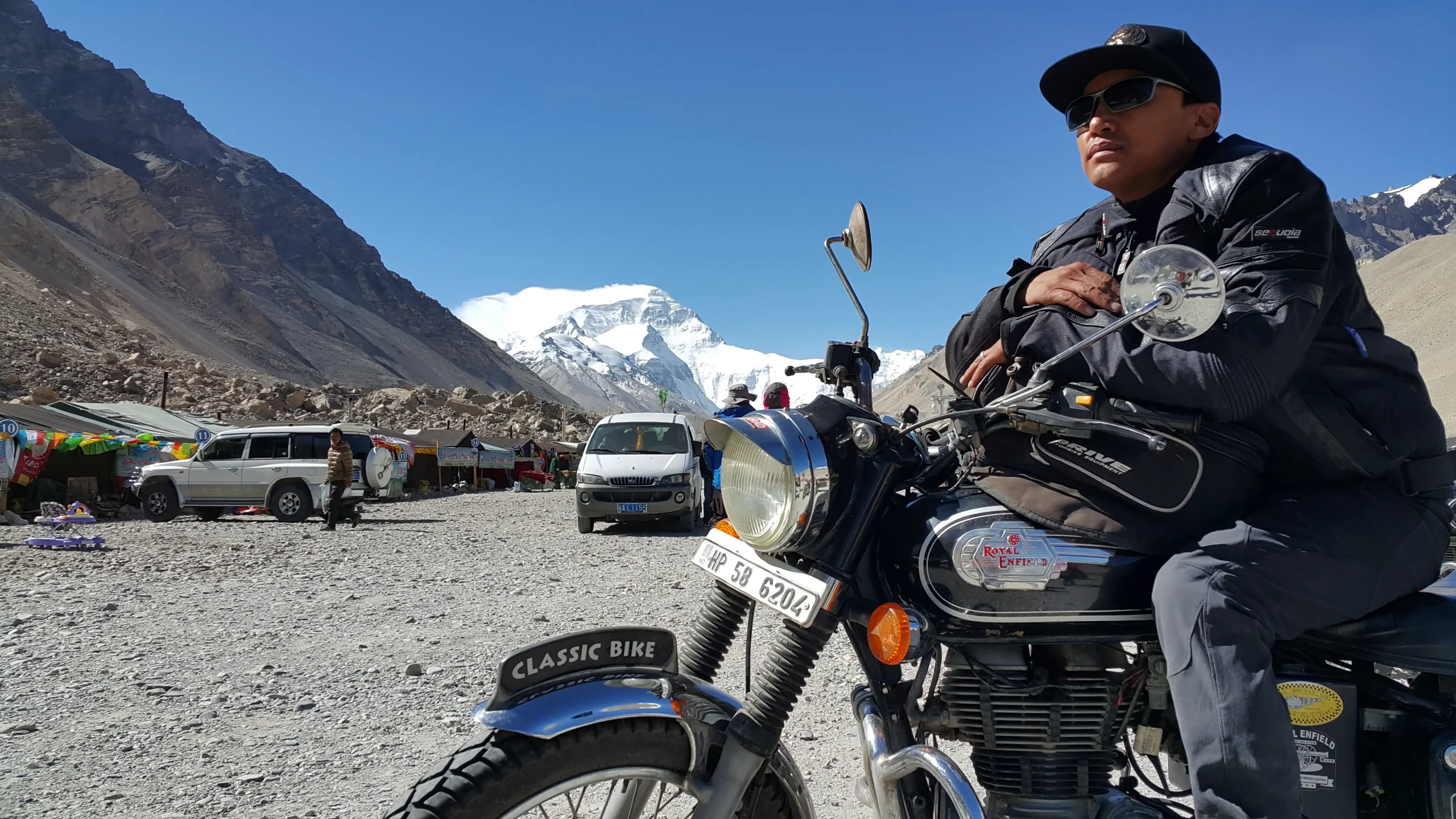
For those looking for a different way to experience the same sacred route, Firante Treks also operates a Kailash Motorbike Tour. Riding across the Tibetan plateau offers a unique blend of adventure and spirituality, following the traditional pilgrimage path while adding a sense of freedom and exploration on two wheels.
Whether you travel by overland vehicle, complete the kora on foot, or choose the motorbike journey, Firante Treks takes care of every detail—experienced guides, pure vegetarian meals, altitude monitoring, and reliable logistics—so you can focus fully on the spiritual essence of your Kailash Mansarovar Yatra.
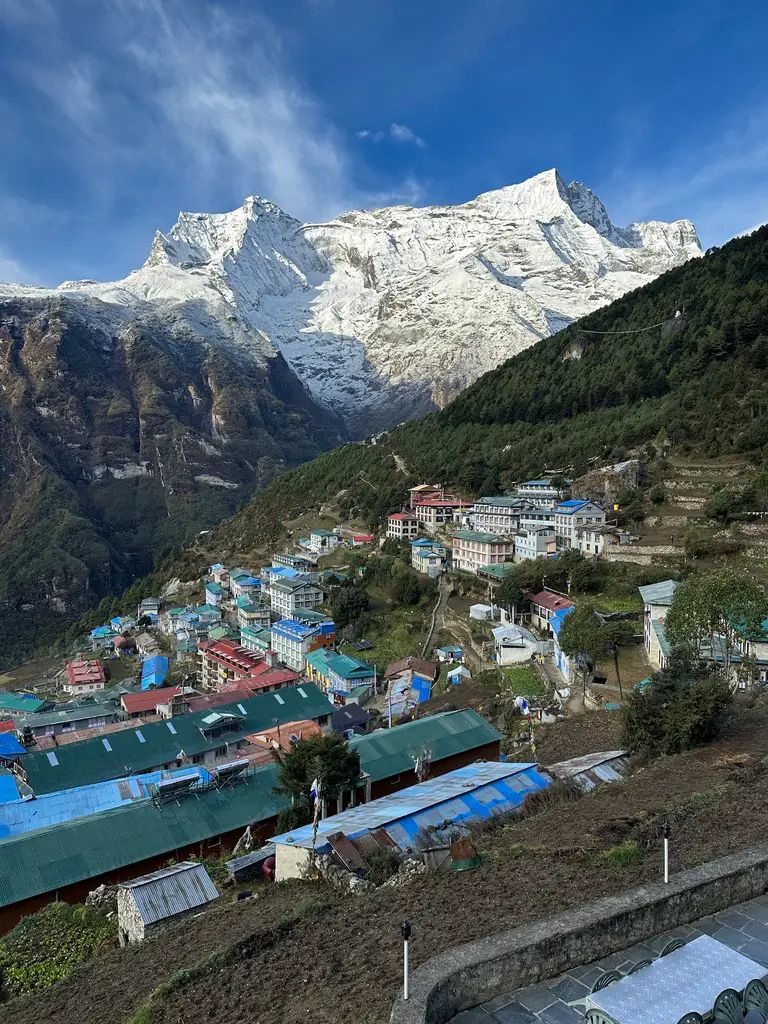
The Lukla to Namche Trek is where many Everest journeys begin, but it is also a complete journey on its own.
You fly into Lukla on a small mountain aircraft. The landing is short, steep, and unforgettable. When the engine cuts and the mountain air hits you, the shift is immediate. The Khumbu doesn’t feel like the rest of Nepal. It feels higher, older, quieter in a different way.
This 11-day trek follows the classic Everest Base Camp trail as far as Namche Bazaar, the main Sherpa town of the region. But instead of rushing through, this itinerary gives you time. Time to adjust to the altitude. Time to sit in teahouses. Time to actually experience the rhythm of the trail.
From Lukla, the path follows the Dudh Koshi River through small villages like Phakding, across long suspension bridges, and into Sagarmatha National Park. The forests grow denser. The air gets thinner. The climb to Namche is steady and demanding, but when you reach the amphitheater-shaped town at 3,440 meters, it feels earned.
Many trekkers pass through Namche in a hurry on their way to Everest Base Camp. This trek doesn’t rush. You stay. You explore. You walk higher to Khumjung Valley at 3,880 meters, where the views open wide and the crowds thin out. You continue to Thame, a quieter village tucked into a side valley, known for its monastery and deep mountaineering history.
The Lukla to Namche Trek is rated moderate. The trails are well-established, and the lodges are comfortable by mountain standards. Still, you should arrive prepared. The altitude is real, and the uphill days require steady pacing rather than speed.
Why Choose the Lukla to Namche Trek?
The Everest Region Without the Full Commitment
Not everyone has three weeks for Everest Base Camp. This route gives you the essential Everest experience in eleven days: the flight to Lukla, the famous bridges, Sherpa villages, and Himalayan views without pushing into extreme altitude.
For many trekkers, this is enough. You see the culture. You feel the terrain. You understand the scale of the mountains.
Namche Bazaar Is More Than a Stop
Namche Bazaar surprises people. It is not just a village; it feels like a small mountain town built into a hillside. There are bakeries, gear shops, a weekly market, and museums dedicated to Sherpa mountaineering history.
Above town, on a clear morning, you can see Mount Everest, Lhotse, and Ama Dablam rising beyond the ridges. It’s often the first real view of Everest for trekkers, distant but unmistakable.
Khumjung and Thame: The Quieter Side of Khumbu
The extension to Khumjung and Thame changes the character of the trek. Fewer groups. Slower mornings. Stone houses and old monasteries.
Khumjung sits high above the valley with wide views and open pastureland. Thame feels even more remote, historically connected to the Nangpa La trade route into Tibet. These villages are part of the Everest region, but they feel less commercial and more rooted in daily mountain life.
A Protected Himalayan Landscape
Once you pass Monjo, you enter Sagarmatha National Park, a UNESCO World Heritage Site. The forests below Namche are home to Himalayan tahr, musk deer, and the colorful Danphe, Nepal’s national bird.
It’s easy to focus only on the high peaks, but the lower elevations of the Khumbu hold just as much character, with pine forests, river valleys, and the constant sound of the Dudh Koshi moving below the trail.
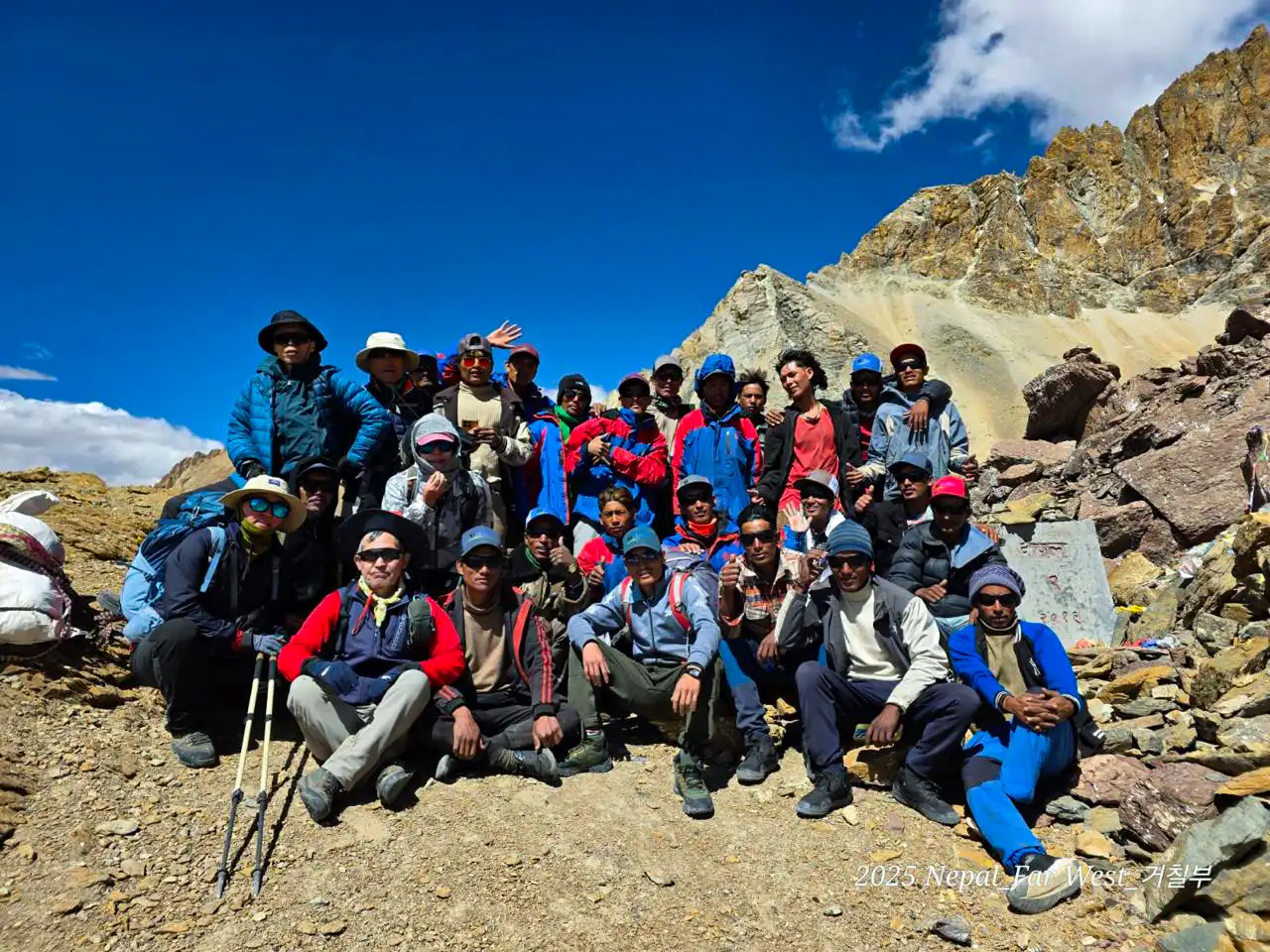
Everyone knows Everest Base Camp. Everyone has seen the photos of the Annapurna Circuit. They are great treks, but they come with teahouse menus, lodge beds, and trails worn smooth by hundreds of thousands of boots. Far-west Nepal is completely different. Out here, no teahouses are waiting for you at the end of a hard day. No lodge with a hot meal already on the stove. You carry your world with you, a tent, sleeping bag, everything, and at the end of each day, your camp is wherever the mountain allows it. The Api Saipal section of the Great Himalaya Trail is one of the most demanding and least-travelled routes in the entire country. Eight high passes. Glaciers. Alpine lakes. Valleys that see only a handful of trekkers each year. Our Firante Treks team walked this route in 2025. Every single day of it from Simikot to Dhangadhi. This is the real itinerary from that journey.
What This Trek Actually Is
The Api Saipal GHT section sits in Nepal’s far-western corner, inside the Api Nampa Conservation Area. The route circles the twin giants of Mt. Api (7,132m) and Mt. Saipal (7,031m) two of Nepal’s least-visited 7,000m peaks crossing eight major passes along the way, the highest being Chimalaya Pass at 5,322m. This is a full camping trek throughout. There are villages on the route, and they are welcoming, but they are not set up for trekkers. What you will find is something most trekkers spend years chasing: genuine remoteness, and the quiet confidence that comes from earning it.
Best Season For Trekking
Spring (mid-April to early June) is a popular window. The days are long, wildflowers bloom along the trail, and the high passes are generally clear of heavy snow. Autumn (late September to October) brings the clearest skies of the year. After the monsoon, the air is sharp, and the mountain views of Api and Saipal in particular are at their most dramatic. Our 2025 team trekked in this season, and the conditions were outstanding. Avoid the monsoon (July to August). Trails in far-west Nepal during the monsoon can become genuinely dangerous, especially on high passes. This is not the region to push it.
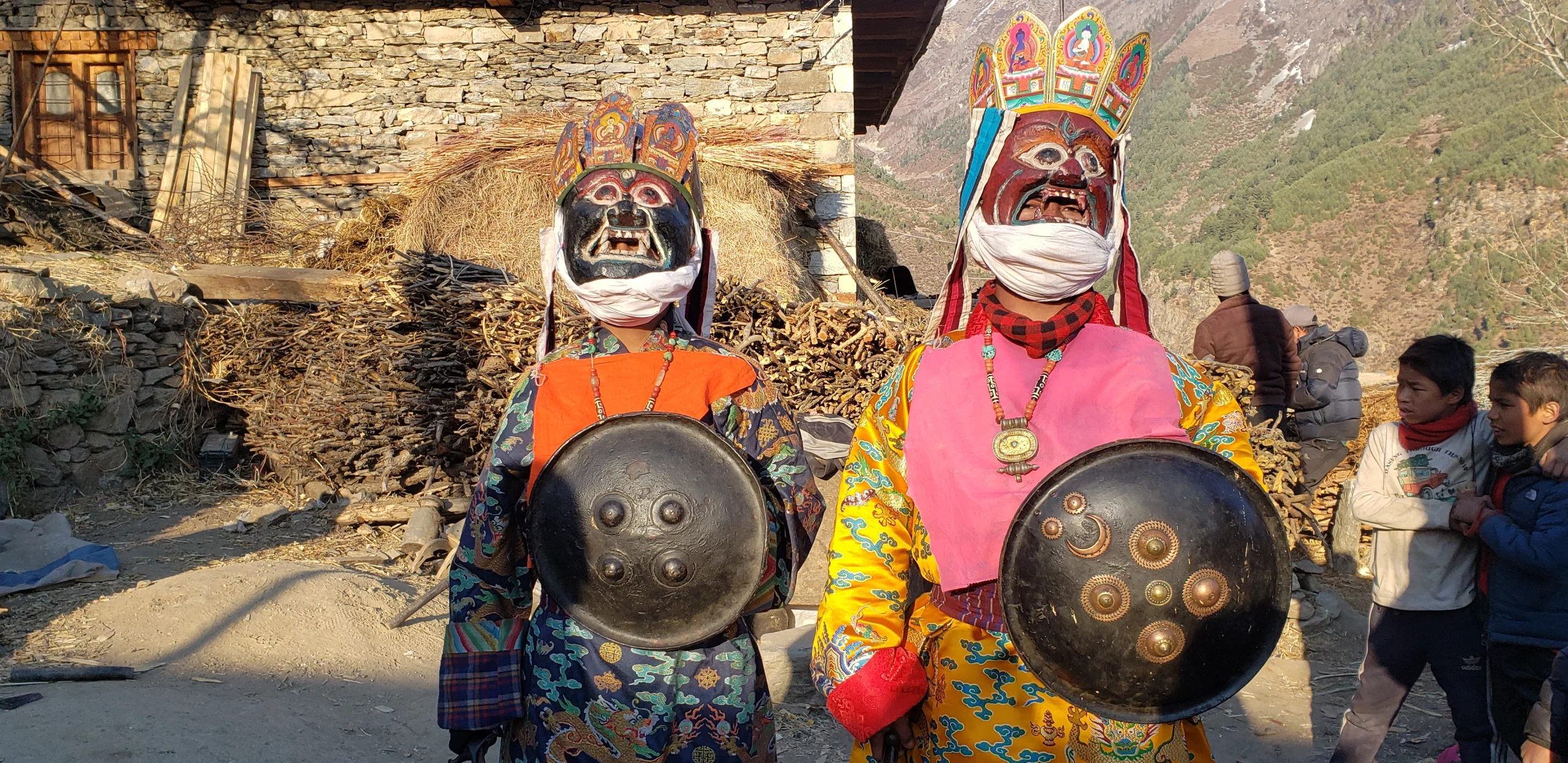
Mane Festival of the Nyinba community of Humla is one of the most unique festivals in Nepal. This festival reflects the lifestyle and traditions of the Nyinba people, who have been living in this region for centuries. The word “Mane” actually comes from “Mani,” which represents the mantra of Avalokiteshvara, the god of compassion.
The festival usually takes place in winter, around February, and sometimes continues into early spring in March. There are four villages within the Nyinba community. Among them, Burausse village is considered the most special because it has an important social and cultural history connected to the Mane festival.
The village is believed to be protected by local deities such as Tungma and Sungma. During the festival, people perform traditional mask dances representing these deities. This is also a time of great celebration, when families invite their relatives and loved ones from other places. The whole village welcomes them as special guests, and the hosts offer a beautiful traditional shawl as a sign of respect and hospitality.
An important part of the festival is the educational and cultural mask dances, which are performed by local villagers for three days. Some of the dances include Shikthukpa, Thapakerya, Shingkhy, Omphak, Juilampha, Tuthut, and Chhiring Chhenga.
On the final day of the Mane festival, one of the most beautiful dances called “Ghar” is performed by both men and women wearing traditional dress. After the main dance program ends, the celebrations and social gatherings in the village continue for about two weeks.
Buddhism & Mindfulness Luxury Tour Nepal is not about rushing from one attraction to another. It is about slowing down enough to actually feel where you are.
Most people travel to Nepal for the mountains.
This journey is for something softer. Something quieter. Something deeply personal.
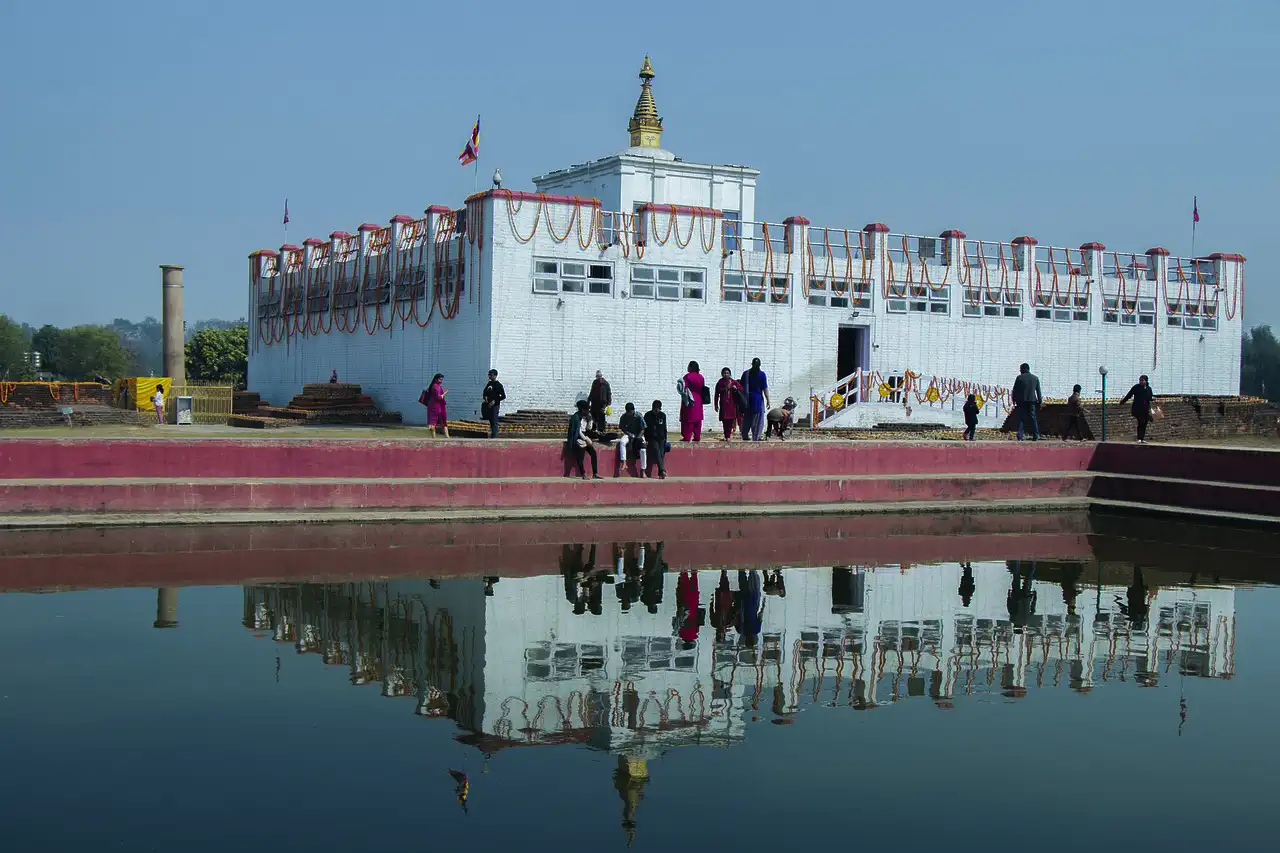
Over ten gentle days, you move through some of the country’s most sacred sites. You walk with pilgrims around ancient stupas, sit in monasteries filled with low chanting, and stand at the exact place where the Buddha was born in Lumbini.
It is pilgrimage travel, but without hardship.
You stay in carefully selected luxury hotels, a peaceful organic farm, and a monastery guesthouse where evening prayers drift through the halls at night. Comfort is part of the experience, not something you trade away for meaning.
Some days are quiet and reflective. Meditation at sunrise. Time alone in temple courtyards. Conversations with a Buddhist teacher.
Other days feel quietly alive. A boat gliding across a still lake. Mountain light spilling across distant peaks. The deep vibration of chanting that settles somewhere inside you.
You do not need to be Buddhist. You do not need experience with meditation.
You only need curiosity and a willingness to slow down.
Why This Buddhism Pilgrimage Tour?
Nepal is the Geographic Heart of Buddhism
The Buddha was born in Lumbini, in what is now southern Nepal. The country holds not just historical sites but a living tradition; monasteries that have been continuously active for centuries, teachers who have studied since childhood, and rituals that have not been modified for tourist audiences. When you sit in a monastery here, you are sitting in the real thing.
Comfort without losing authenticity
Many pilgrimage tours make you choose between authenticity and comfort. This one does not. Tibet International Hotel places you steps from Boudhanath Stupa. Temple Tree Resort in Pokhara gives you the lake and the mountains. The farm stay in Palpa gives you something else entirely: organic food, open air, and a slowness that luxury hotels cannot manufacture. Each night’s accommodation is chosen for what it adds to the experience, not just for its star rating.
Private Meditation and Teaching Sessions
A dedicated Buddhist teacher accompanies the trip. Sessions are personal and unhurried. You can ask questions, learn practical techniques, or simply sit in silence.
Whether you are completely new to mindfulness or already practicing, the guidance meets you where you are.
Small Group, Personal Experience
This is not a coach-tour pilgrimage. The group size is intentionally small, the pace is considered, and the itinerary has enough flexibility to follow the energy of the group. If a morning meditation runs long because the space is right, it runs long.
Pharping
Few travelers visit Pharping, yet it is one of the most important Buddhist practice sites in Nepal.
Here you explore meditation caves linked to Guru Padmasambhava, the master who carried Buddhism into Tibet. Spending a night in a monastery guesthouse while monks chant nearby often becomes the most memorable part of the entire trip.
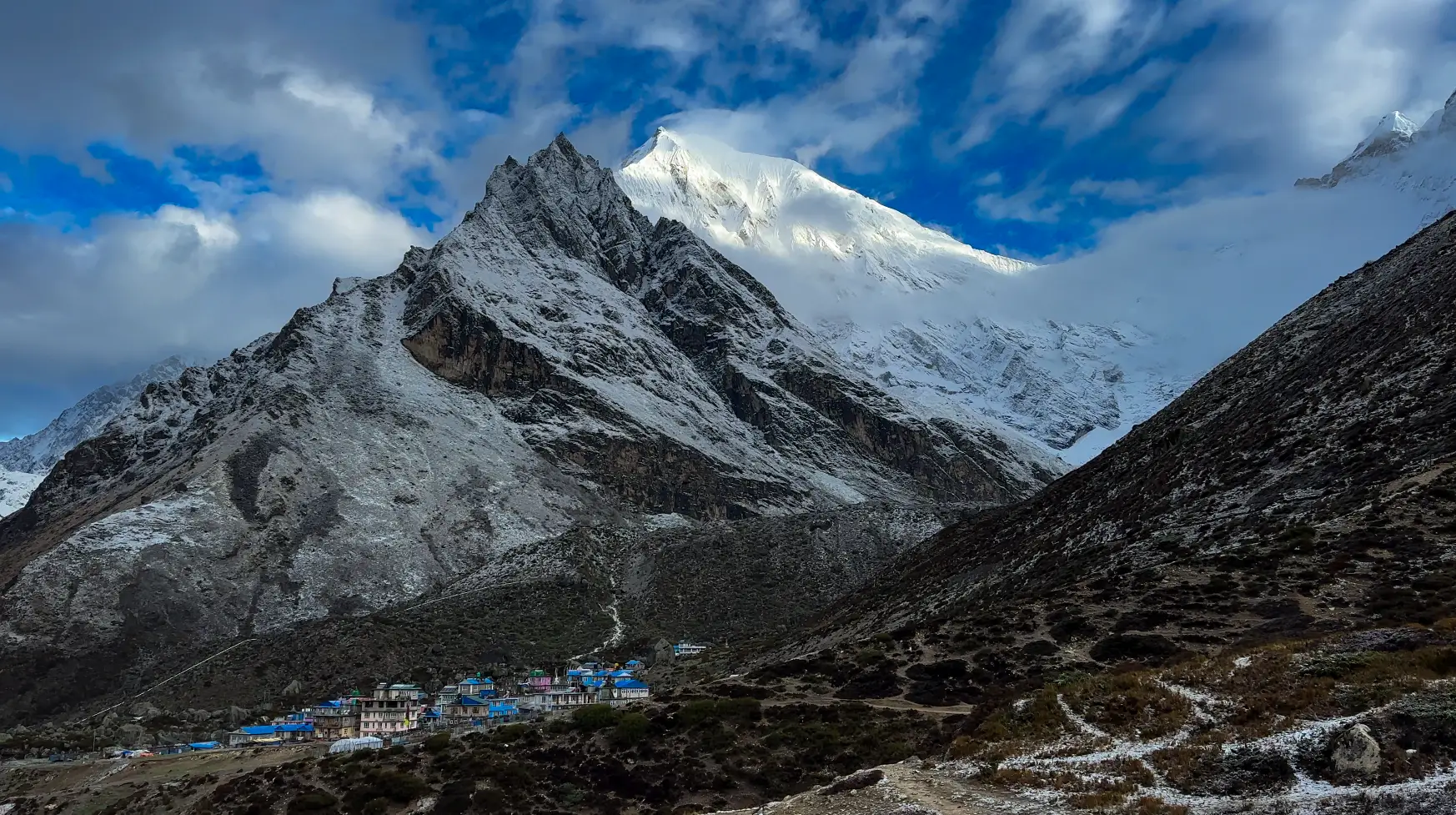
The Langtang Valley Trek is one of Nepal’s most beautiful and accessible Himalayan journeys. Nestled just north of Kathmandu, the valley combines stunning alpine scenery, lush forests, cascading waterfalls, and traditional Tamang villages. The trail offers panoramic views of Langtang Lirung, Yala Peak, and Dorje Lakpa, along with opportunities to experience local culture, monasteries, and wildlife. This trek is ideal for first-time trekkers and those seeking a moderate yet rewarding Himalayan adventure. Firante Treks ensures that your journey is safe, immersive, and tailored for comfort, with experienced guides and support staff at every step.
Highlights
Panoramic Himalayan views including Langtang Lirung and Yala Peak
Trek through traditional Tamang villages and local monasteries
Stay in comfortable lodges and teahouses along the trail
Explore Kyanjin Gompa, the spiritual and cultural center of the valley
Optional challenging hike to Tserko Ri for spectacular summit views
Scenic drives to and from Kathmandu with opportunities to see rivers, terraces, and mountain scenery
Wildlife sightings including langur monkeys and, occasionally, red pandas
Flexible pacing and guidance from experienced Firante trekking guides
If you’re craving a true off-the-beaten-path Himalayan adventure, the Saipal Base Camp Cultural Trek delivers in every way. This 17-day journey takes you deep into Far West Nepal to the base of Mt. Saipal (7,031m), the region’s second-highest peak, famous for its striking pyramid shape and sacred aura. Far from the crowds of the Everest or Annapurna region, it’s a rare chance to explore pristine wilderness while connecting with communities whose traditions have barely changed in centuries.
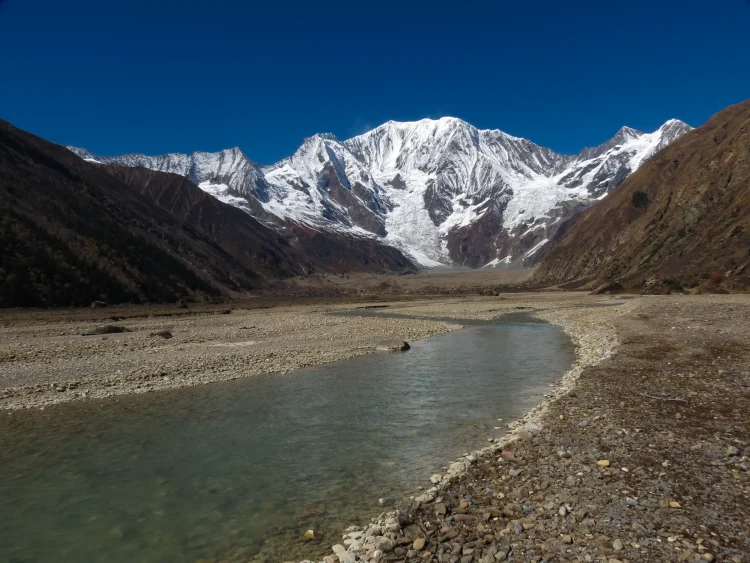
Mt. Saipal’s striking pyramid peak dominates the untouched landscape of Far West Nepal
You don’t need previous high-altitude experience for this trek, just solid fitness, an open mind, and a love for genuine discovery. We start in Simikot (2,910m), the gateway to Humla, and soon enter the historic Nyin Valley. For generations, this valley served as a vital trade corridor between Nepal and Tibet, with yak caravans hauling salt, wool, and grain over high passes. Walking these same ancient trails today feels like stepping back in time, as local life still revolves around the rhythms of the seasons and the land.
Meeting the Nyinba People & Their Living Traditions
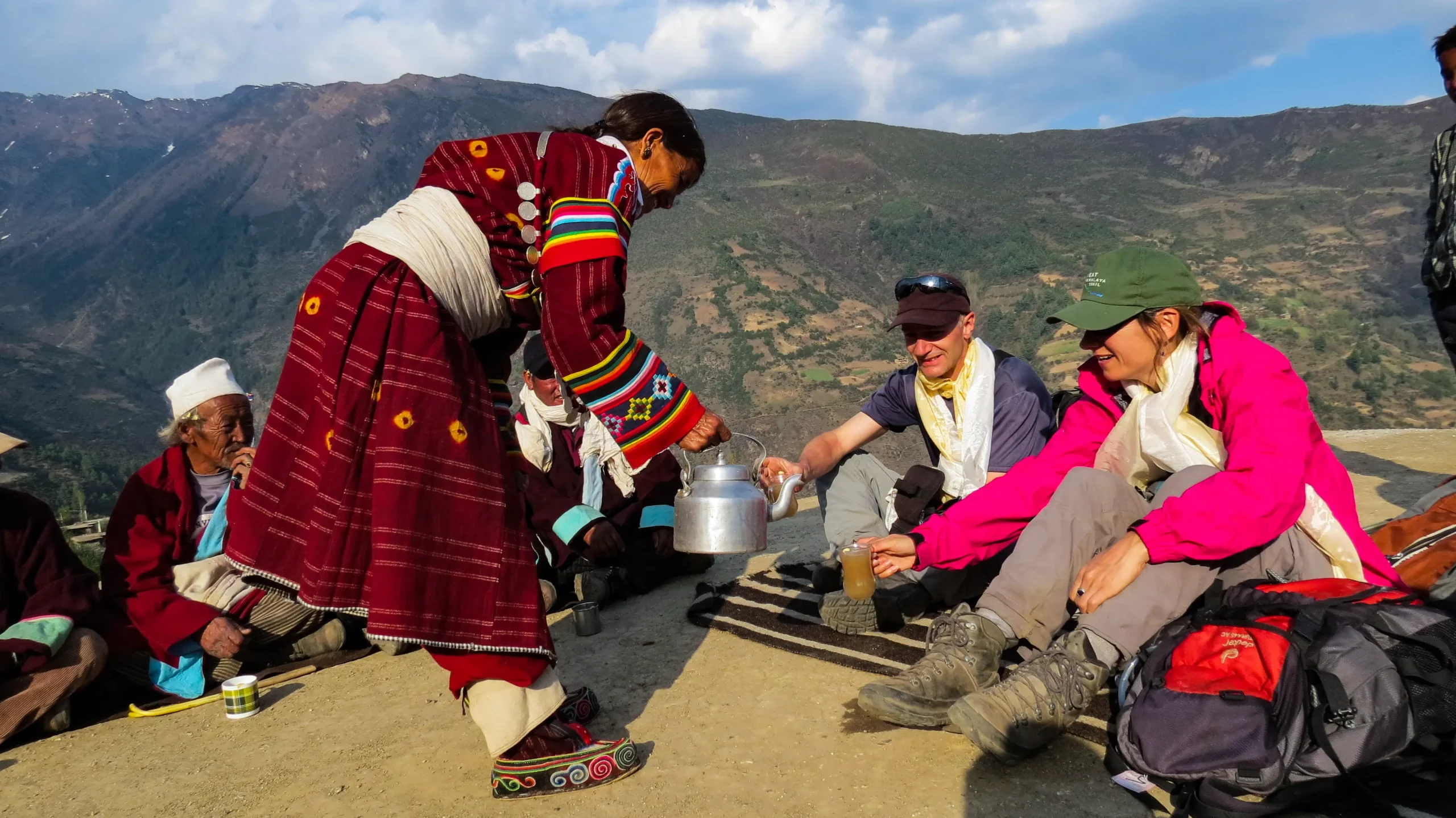
In the upper Nyin Valley villages, you’ll stay with Nyinba families, warm and welcoming people whose Tibetan Buddhist culture remains remarkably intact. Some households still follow the tradition of fraternal polyandry, in which brothers share a wife to keep family land and resources together in this tough, high-altitude environment. It’s a rare glimpse into a way of life that’s faded across much of the Himalayas. Visit ancient monasteries like Raling Gompa (around 4,000m), share butter tea and stories with elders, and witness daily rituals that feel deeply spiritual and timeless.
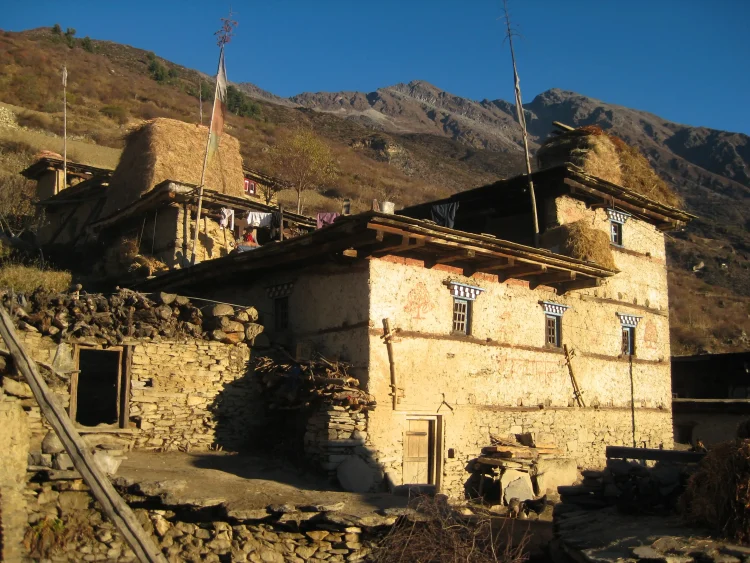
A Nyinba village where traditional stone houses reflect centuries of Himalayan life
Diverse Villages, Landscapes & Daily Life
Lower down, along the Karnali River, Chhetri and Thakuri communities welcome you into their homes for authentic homestays. Their days center on traditional farming and herding, tending fields, milking yaks, and weaving stories around the fire. The trail itself is a highlight: winding through old-growth deodar and blue pine forests, blooming rhododendron in spring, open alpine meadows alive with grazing yaks, rushing rivers, and vast pastures under endless skies.
The Thrill of Sakya La Pass & Epic Views
The physical highlight comes when you cross Sakya La Pass (5,030m). The 360-degree panorama unfolds: Mt. Saipal dominating the foreground, flanked by Chang La, Crystal Peak, and distant glimpses of India’s Nanda Devi range. It’s one of those moments that makes every step worthwhile. On the return, we visit Yalbang Monastery. In one of Humla’s most important Tibetan Buddhist centers, you can join morning prayers, spin prayer wheels, and soak in the peaceful atmosphere after days in the mountains.
Why This Trek Feels Like a Hidden Shangri-La
What sets the Saipal Base Camp Cultural Trek apart is how uncrowded it stays. No long lines at viewpoints, no rush-hour trails. Just you, the mountains, and genuine encounters with locals who share their lives openly. Many who join us call it Nepal’s last true hidden gem: unspoiled nature paired with deep cultural connection, all in meditative solitude.
In the end, this 17-day journey is more than a trek. It’s a window into a vanishing Himalayan world, blending breathtaking scenery, meaningful cultural exchanges, and real wilderness adventure. If you’re seeking remoteness, authenticity, and something far from the mainstream paths, the Saipal Base Camp Cultural Trek stands out as one of the most rewarding experiences in Nepal’s far western Himalayas. Ready to step off the map?
The Nyin Valley lies in the northwestern corner of Nepal, close to the Tibetan border. It is one of the least-visited trekking areas in Humla. Unlike commercial trekking routes, this valley remains quiet and culturally intact.
The journey is less about high passes and more about people. The Nyinba community, originally of Tibetan origin, continues to follow traditions shaped by geography, isolation, and seasonal living. In some villages, the traditional polyandry system still exists. It developed as a way to manage farmland and family property in a harsh mountain environment.
This trek offers cultural understanding rather than spectacle.
Village Life and Local Traditions
The trail passes through villages such as Buraunse, Baragaun, Torpa, and Nimatang. Stone houses are built close together to protect from winter winds. Barley and buckwheat fields line the hillsides during the growing season.
Older residents still speak about the salt trade routes that once connected Tibet and Nepal. Families worked as traders, farmers, and herders. Life moved with the seasons, and in many ways, it still does.
Stories are shared in kitchens over butter tea. They are not preserved in museums.
“In winter, cooperation is everything,” says Tenzin, a local Nyinba guide from Burause. “Visitors who walk slowly and listen understand our valley better.”
Traditional stone-built homes in Buraunse village
Raling Gumba and Sacred Sites
Raling Gumba, located at around 4,100 meters, is one of the most important monasteries in this part of Humla. It belongs to the Nyingma school of Tibetan Buddhism and remains spiritually active.
During Saga Dawa, villagers gather for prayers, rituals, and the raising of prayer flags. Long horns echo across the valley. Families travel from surrounding settlements to participate.
Near the trekking route lies Kharpunath, a sacred Hindu pilgrimage site dedicated to Lord Shiva. Pilgrims visit during Janai Purnima. Nearby natural hot springs provide rest after long walking days.
In Humla, Buddhism and Hinduism exist side by side. The boundaries are not strict.
“Saga Dawa is a community event first,” explains Dorje, one of our senior guides. “Guests are welcome, but respect is important.”
Raling Gumba, an important Nyingma monastery in Humla
Thehe Village and Shamanic Practice
Thehe is one of the larger villages in this region, with nearly 800 traditional stone houses. Alongside Hindu rituals, ancient shamanic practices are still respected.
Local healers conduct ceremonies when requested by villagers. These traditions are part of everyday life rather than cultural performances.
The coexistence of belief systems makes this region culturally distinct even within western Nepal.
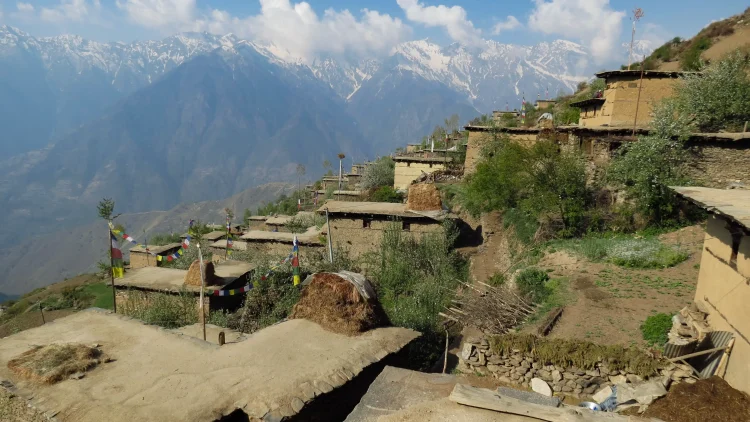
Karnali River view from the Thehe village
Landscape and Walking Experience
Although this is a cultural trek, the natural scenery is impressive. Views of the Changla Himal rangeaccompany much of the route. Trails pass through river valleys, terraced slopes, juniper forests, and suspension bridges.
Daily walking hours range between 5 to 7 hours depending on the section. The highest point of the trek reaches approximately 3,930 meters, making it suitable for trekkers with reasonable fitness and gradual acclimatization.
Electricity is limited in some villages. Internet access is unreliable. Conditions are basic but welcoming.
Access and Logistics
Reaching Nyin Valley requires flights from Kathmandu to Nepalgunj and onward to Simikot. Weather conditions may affect flight schedules, especially during the monsoon and winter.
Permits are required for Humla region trekking. Local coordination is essential due to limited infrastructure.
Why Trek the Nyin Valley with Firante Treks & Expeditions
Humla requires careful planning. Flight timing, permits, local communication, and accommodation arrangements must be organized in advance.
Firante Treks works closely with Nyinba families and local guides from the region. This ensures responsible tourism practices and direct local benefit.
This trek takes you into one of Nepal’s most isolated corners, upper Humla district, right on the Tibetan border. It’s a restricted area, so you need special permits, and it’s full camping the whole way after the early villages. No teahouses, no crowds, just high valleys, old yak trade routes, and the Phyajang La Pass at 5,496 m. Everything starts in Simikot (2,910 m), Humla’s main hub, where flights often get delayed by weather and life moves on foot or yak.
Why This Trek Feels Different from Everest or the Annapurna region?
Most people know the busy trails around Everest Base Camp or the Annapurna region loop. Humla Changla Valley is the opposite; very few trekkers come here each year. It’s raw, logistically trickier (camping gear, porters, or mules needed), and physically demanding with altitude and long days. But you get solitude, real local life up close, and landscapes that haven’t been commercialized. If you want something that actually feels off-the-grid in the Himalaya, this is it.
Beyond the teahouses. Beyond the crowds. This is the Changla valley, Nepal few will ever see.
Starting Point: Simikot and the Early Villages
You fly into Simikot (weather permitting, delays are common). From there, the trail heads east, passing through traditional settlements like Bargaun, Thehe, and Dojam (one of the bigger ones in the area).
These villages have layered cultures:
Bargaun and Dojam mix Tibetan Buddhism with older shamanic (Bon) practices.
Thehe blends Hinduism with similar local traditions.
There’s now a rough jeep track linking Dojam to Shambayok (not much used) and another dirt road from Takchi to Dhiga, but the area stays peaceful, no real traffic, no bustle.
One of Nepal’s most isolated mountain towns, wrapped in green. Welcome to Simikot, Humla.
Following Ancient Trade Routes
Centuries ago, this valley was part of a real caravan path between Nepal and Tibet, salt heading north, wool and grain south, all carried by yaks. Local herders still move animals along these same seasonal routes today. You’ll hear yak bells in the distance and see people living much like before. Walking here puts you right into that ongoing history.
Wilderness After Dojam: Camping and Wildlife
Past Dojam the trek changes, no more villages for long stretches, no lodges at all. It’s pure camping expedition from here: tents, cook crew, open valleys, rocky slopes, high pastures.
This section (especially around Takchi to Chhorten Chhobu) is good for wildlife spotting:
Blue sheep on steep cliffs
Wild yaks in meadows
Herds of kyang (Tibetan wild asses) crossing open ground
The silence hits hard, mostly wind, footsteps, and occasional animal sounds. Nature feels in control.
Crossing Phyajang La Pass (5,496 m): The Trek’s Highest and Toughest Point
The climb to Phyajang La is long and steady, thin air above 5,000 m makes it tough, but the path is gradual with big views over the Changla Valley. At the top (prayer flags usually flapping), you look back across Humla’s wide spaces and ahead toward Tibet’s plateaus and distant ranges. It’s a solid payoff after the effort, not crowded, just you and the wind.
Descent follows, leading toward the final settlements.
Arrival in Dhiga: Back to Human Presence
After days in empty high country, Dhiga comes as a quiet relief. It’s a small Buddhist village, only a few households, stone houses, smoke from kitchens, small fields under cultivation. Simple daily life feels meaningful after so much open wilderness. It’s a gentle way to ease out of the isolation.
Is the Humla Changla Valley Trek for You?
This isn’t a famous-landmark trek; it’s about remoteness, culture without the tourism gloss, wildlife, and walking old paths in one of Nepal’s quietest Himalayan pockets. Expect strenuous days, altitude challenges, full camping logistics, and permit hassles. The best months are usually May–June and September–October (avoid the monsoon).
If you’re fit, patient with weather/delays, and want a genuine frontier experience far from the standard routes, this one stands out. Few people do it, so stories from here stay rare.
The Mardi Himal Trek is one of the most peaceful and rewarding short treks in the Annapurna region, ideal for travelers who want close-up Himalayan views without walking on crowded trails. Tucked quietly east of the popular Annapurna Base Camp route, this trek follows forested ridges, high alpine pastures, and narrow mountain paths that gradually lead you toward the dramatic south face of Machhapuchhre (Fishtail).
What makes the Mardi Himal Trek special is its balance. In just over a week of walking, you transition from warm subtropical forests to high alpine viewpoints above 4,000 meters, all while maintaining a gentle and natural pace of acclimatization. The trail passes through rhododendron forests, moss-covered trees, and open ridgelines where the mountains suddenly feel very close. From Low Camp onward, the scenery opens dramatically, revealing Annapurna South, Hiunchuli, and the sharp, iconic silhouette of Machhapuchhre dominating the skyline.
Unlike busier routes, Mardi Himal still feels raw and personal. Villages like Sidhing remain largely untouched by mass tourism, offering a glimpse into traditional Gurung life, local farming practices, and simple mountain hospitality. Teahouses along the trail are small and family-run, which aligns perfectly with Firante’s belief in community-based and responsible trekking.
This trek is well-suited for first-time trekkers, photographers, and travelers looking for a quieter alternative to Annapurna Base Camp. It does not require technical climbing skills, but the high viewpoints and exposed ridges near High Camp deliver a true high-Himalayan experience. With careful pacing, experienced local guides, and flexible daily distances, the Mardi Himal Trek offers both comfort and adventure in a short timeframe.
Whether you are trekking as a warm-up for longer Himalayan journeys or simply want an authentic mountain escape, the Mardi Himal Trek delivers powerful scenery, silence, and a strong connection to the landscape — all within easy reach of Pokhara.
Mardi Himal Trek Highlights
Spectacular Mountain Views: Enjoy breathtaking vistas of Machhapuchhre (Fishtail), Annapurna South, Hiunchuli, and Mardi Himal throughout the trek. The upper viewpoint above High Camp offers panoramic, Instagram-worthy scenery.
Off-the-Beaten-Path Experience: Unlike the popular Annapurna Base Camp trek, Mardi Himal is less crowded, allowing trekkers to experience peaceful trails, quiet forests, and serene mountain landscapes.
Diverse Landscapes: Traverse lush rhododendron forests, alpine meadows, and high-altitude ridges, witnessing a dramatic change in vegetation and scenery as you ascend.
Cultural Encounters: Pass through traditional Gurung villages such as Sidhing, where you can experience local hospitality, customs, and lifestyle.
Teahouse/Lodge Accommodation: Stay in cozy, family-run teahouses/lodges along the route, enjoying local meals and authentic mountain hospitality.
Moderate Trekking Challenge: Suitable for first-time trekkers with basic fitness, offering a gradual ascent and well-marked trails, making it an accessible Himalayan adventure.
Perfect for Sunrise & Photography: The trail provides excellent opportunities for sunrise views over Machhapuchhre and other peaks, making it ideal for photography enthusiasts.
Gateway via Pokhara: Start your trek from Pokhara, Nepal’s scenic lakeside city, combining urban comfort with easy access to nature.
Mardi Himal Trek Itinerary – 10 Days
This 10-day Mardi Himal Trek is designed in Firante’s slow-travel style, focusing on natural rhythm, local villages, quiet forest trails, and gradual altitude gain. Unlike crowded Annapurna routes, Mardi Himal offers solitude, close-up mountain views, and a raw Himalayan atmosphere.
The Khopra Danda Trek is a peaceful and less-crowded trekking experience in Nepal’s Annapurna region, ideal for travelers seeking spectacular mountain views away from the busy trails. This trek takes you through traditional Gurung villages, dense rhododendron forests, high alpine pastures, and scenic ridgelines, leading to the breathtaking Khopra Danda Ridge.
Unlike classic Annapurna routes, the Khopra Danda Trek offers a quieter and more authentic journey, combined with comfortable teahouse and community lodge stays. From the ridge, trekkers are rewarded with panoramic views of Dhaulagiri, Annapurna South, Nilgiri, and Machhapuchhre. Starting from Kathmandu and passing through Pokhara, this itinerary is well-paced, culturally immersive, and suitable for trekkers with a moderate fitness level.
Khopra Danda Trek Highlights
Scenic Khopra Danda Ridge (3,660 m) with panoramic Himalayan views
Peaceful and less crowded trekking route in the Annapurna region
Authentic Gurung villages such as Ghandruk and Swanta
Rhododendron forests, alpine meadows, and high mountain pastures
Community lodge experience supporting local villages
Stunning views of Dhaulagiri, Annapurna South, Nilgiri, and Machhapuchhre
Well-balanced itinerary starting from Kathmandu via Pokhara
Ideal alternative to busy Annapurna Base Camp and Poon Hill treks
A meaningful short trek through local villages and quiet Himalayan viewpoints
The Mohare Danda Community Trek is a perfect introduction to trekking in Nepal. Designed around community lodges and local villages, this trek offers peaceful forest trails, Magar culture, and one of the finest sunrise viewpoints in the Annapurna region—without the crowds.
This itinerary starts with arrival in Kathmandu, continues to Pokhara, and then gradually enters the trekking route, following Firante’s belief in slow, responsible, and locally connected travel.
The itinerary includes both drive and flight options between Kathmandu and Pokhara, depending on your time and preference.