



Trip overview
Experience a journey across Tibet and Xinjiang that blends spiritual reflection, adventure, and cultural discovery. Starting with a flight from Kathmandu to Lhasa, travelers explore the heart of Tibetan Buddhism, visiting landmarks such as Potala Palace, Norbulingka Palace, and Barkhor Square. The route continues through historic towns like Gyantse and Shigatse, home to centuries-old monasteries and cultural treasures, before reaching the sacred Mount Kailash and the pristine Lake Manasarovar.
The itinerary includes a three-day trek around Mt. Kailash, offering the chance to soak in the spiritual atmosphere and breathtaking Himalayan scenery. After completing the circuit, the journey proceeds toward Khasgar, an ancient Silk Road hub where Uighur, Tajik, and Kyrgyz cultures converge. This tour combines pilgrimage, trekking, and cultural exploration, with flexibility to adjust the route according to personal interests and available time.
Highlights
- Explore Lhasa’s Spiritual Heritage: Visit Potala Palace, Norbulingka Palace, Barkhor Square, and immerse in the vibrant Tibetan Buddhist culture.
- Historic Monasteries & Sites: Discover Drepung Monastery, Sera Monastery, Kumbum Stupa, Pelkor Chode Monastery, and Tashilhunpo Monastery.
- Sacred Mt. Kailash & Lake Manasarovar: Complete a three-day trek around Mt. Kailash and enjoy the tranquil beauty of Lake Manasarovar, sacred to Hindus, Buddhists, Jains, and Bon followers.
- Silk Road Adventure to Khasgar: Travel along ancient trade routes and high plateaus before reaching Khasgar, a historic commercial and cultural center.
- Cultural Immersion: Explore Tholing and the Guge Kingdom, witnessing traditional architecture, local rituals, and everyday life.
- Flexible Itinerary: Adjust the trip based on pace, duration, or interest in additional destinations across Tibet and Xinjiang.
- Scenic Landscapes & Remote Drives: Cross the Tibetan plateau, high mountain passes, and serene valleys.
- Pilgrimage Meets Adventure: Perfect for travelers seeking both spiritual experiences and trekking challenges in one journey.
Spiritual Lhasa Mt. Kailash & Lake Mansarovar– Khasgar Tour Itinerary
Expand AllFly from Kathmandu to Lhasa (3,650 m)
A short scenic flight connects Kathmandu with Lhasa, revealing wide Himalayan views before landing on the Tibetan plateau. After arrival at Lhasa Gonggar Airport, the drive into the city passes through open valleys and riverside landscapes. Once checked in at the hotel, the rest of the day is kept easy to support altitude acclimatization at 3,650 meters. A gentle evening walk around Lhasa is optional, offering a first look at local streets, monasteries, and daily Tibetan life.
Flight: 1 hr, Drive: 2 hrs
Lhasa Sightseeing – Potala Palace, Norbulingka & Barkhor Square
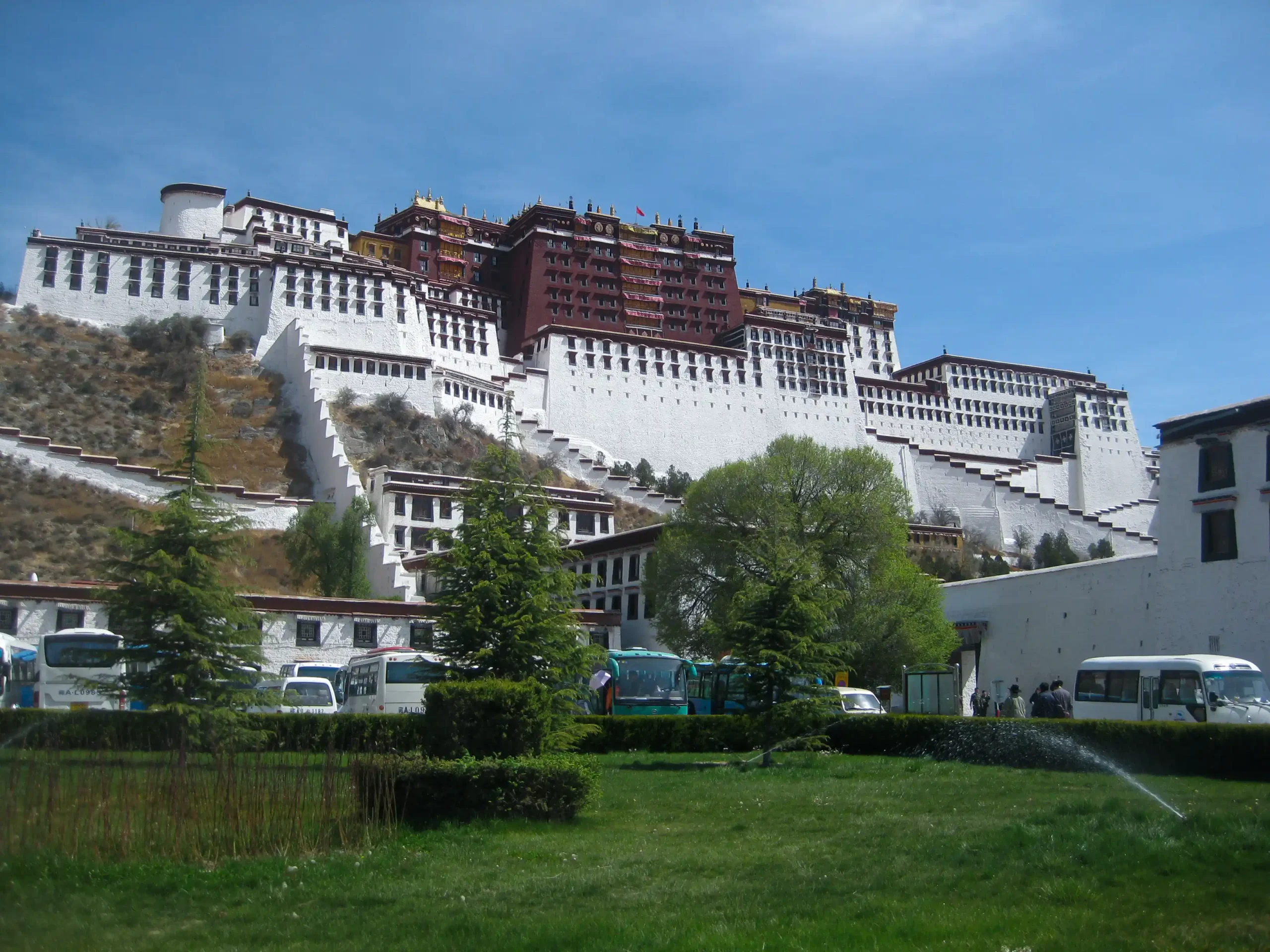
The day is dedicated to exploring Lhasa’s most important cultural and spiritual landmarks. Visits include the iconic Potala Palace, once the winter residence of the Dalai Lama, followed by Norbulingka Palace, the former summer retreat surrounded by peaceful gardens. Later, time is spent at Barkhor Square, where pilgrims walk the sacred circuit and local markets reflect everyday Tibetan life. The day balances sightseeing with continued acclimatization, allowing travelers to absorb the deep spiritual atmosphere of Lhasa at a comfortable pace.
Drive/Walking: 4–5 hrs
Lhasa – Drepung and Sera Monasteries (3,650 m)
The day is spent visiting two of Lhasa’s most important monasteries, Drepung Monastery and Sera Monastery, both central to Tibetan Buddhist tradition. Drepung Monastery, once the largest monastery in the world, reflects centuries of monastic education and spiritual practice. At Sera Monastery, the lively monk debates offer insight into Buddhist philosophy and daily ritual. The evening is free for rest or a relaxed walk in Lhasa, supporting continued acclimatization at 3,650 meters.
Drive/Walking: 4–5 hrs
Drive from Lhasa to Gyantse (3,950 m)
The drive from Lhasa to Gyantse passes across wide Tibetan landscapes and historic trade routes. Along the way, visits include the impressive Kumbum Stupa and Pelkor Chode Monastery, followed by time at Gyantse Dzong, offering panoramic views of the town and surrounding valleys. The day introduces travelers to rural Tibetan life beyond Lhasa while maintaining a steady pace for altitude comfort.
Drive: 6–7 hrs
Drive from Gyantse to Shigatse (3,840 m)
The journey continues west toward Shigatse, the second-largest city in Tibet. Upon arrival, time is spent visiting Tashilhunpo Monastery, the traditional seat of the Panchen Lama and one of Tibet’s most significant religious centers. The afternoon allows time to rest and explore the local surroundings at a relaxed pace.
Drive: 4–5 hrs
Drive from Shigatse to Saga / Paryang (4,450 m)
Leaving Shigatse, the route gradually ascends into the remote Tibetan plateau. The drive to Saga or Paryang offers expansive views of rivers, open plains, and distant snow-covered peaks. This day plays an important role in acclimatization, preparing the body for higher altitudes ahead.
Drive: 6–7 hrs
Drive to Lake Manasarovar (4,590 m)
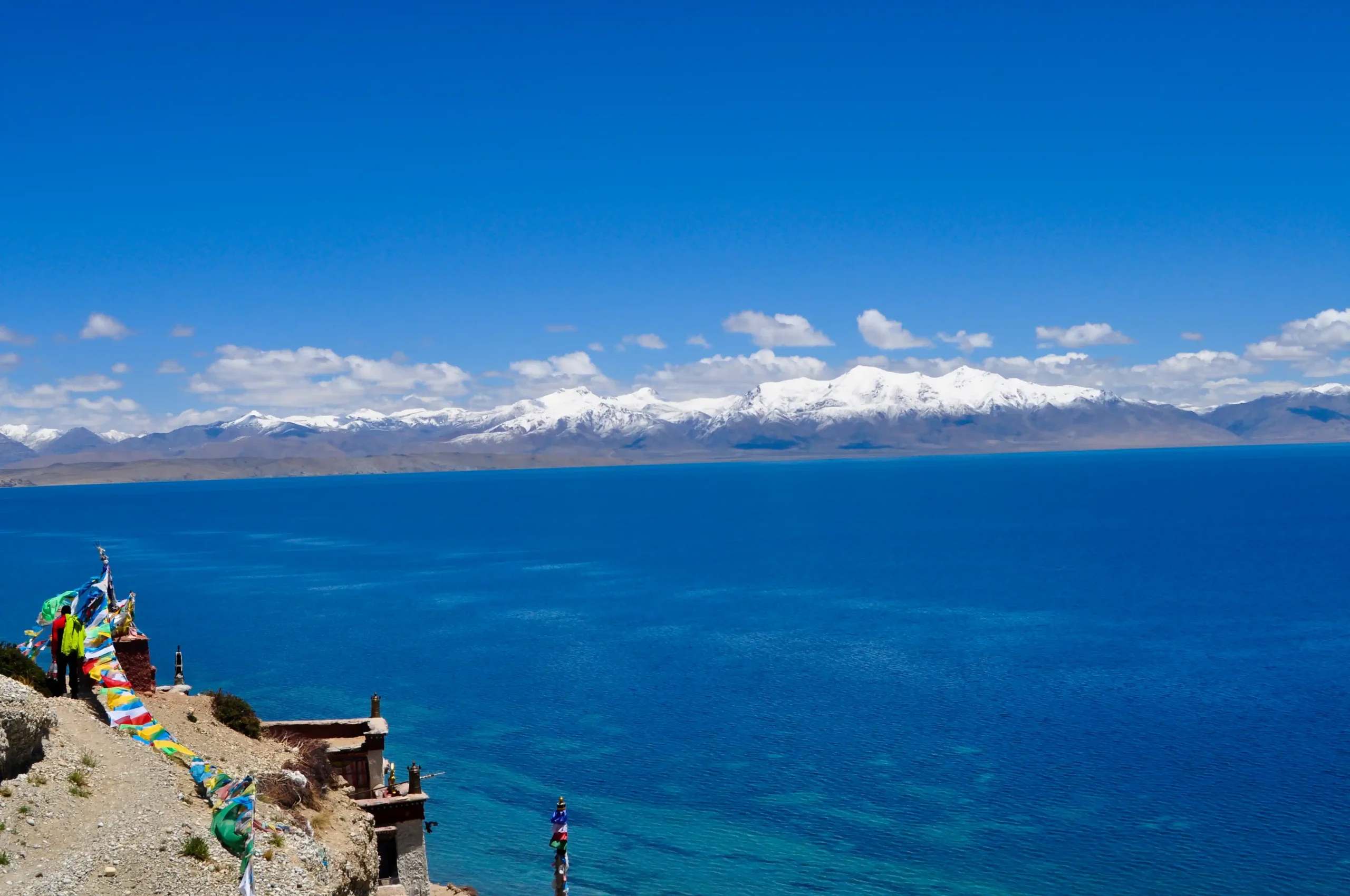
The landscape becomes increasingly dramatic as the journey leads toward Lake Manasarovar, one of the most sacred lakes in Asia. Upon arrival, time is spent walking along the lakeshore, absorbing the peaceful atmosphere created by the turquoise waters and surrounding Himalayan peaks. The spiritual importance of this area is deeply felt throughout the day.
Drive: 5–6 hrs
Lake Manasarovar to Darchen (4,575 m)
After a calm morning near Lake Manasarovar, the drive continues to Darchen, the base settlement for the Mount Kailash trek. The rest of the day is kept light, allowing time to rest, prepare trekking gear, and adjust to the altitude before beginning the Kailash circuit.
Drive: 2–3 hrs
Drive to Yamadwar and Trek to Dirapuk (4,900 m)
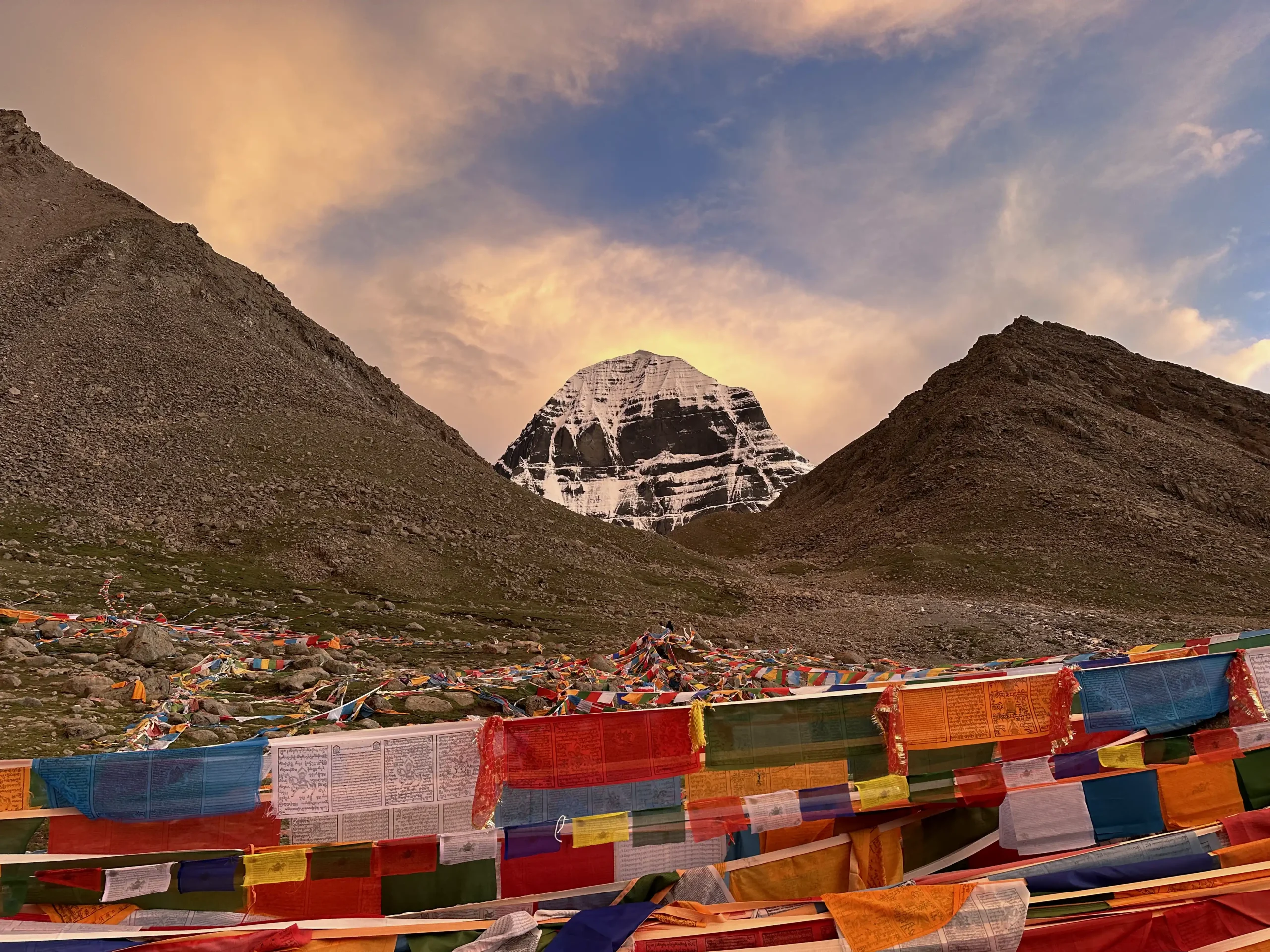
The day begins with a short drive to Yamadwar, the traditional starting point of the Kailash trek. From here, trekking follows the Lha Chu Valley toward Dirapuk Monastery, with clear views of the north face of Mount Kailash. The walk is steady and deeply spiritual, surrounded by prayer flags and rugged mountain scenery.
Trek from Dirapuk to Zuthulpuk via Dolma La Pass (5,630 m)
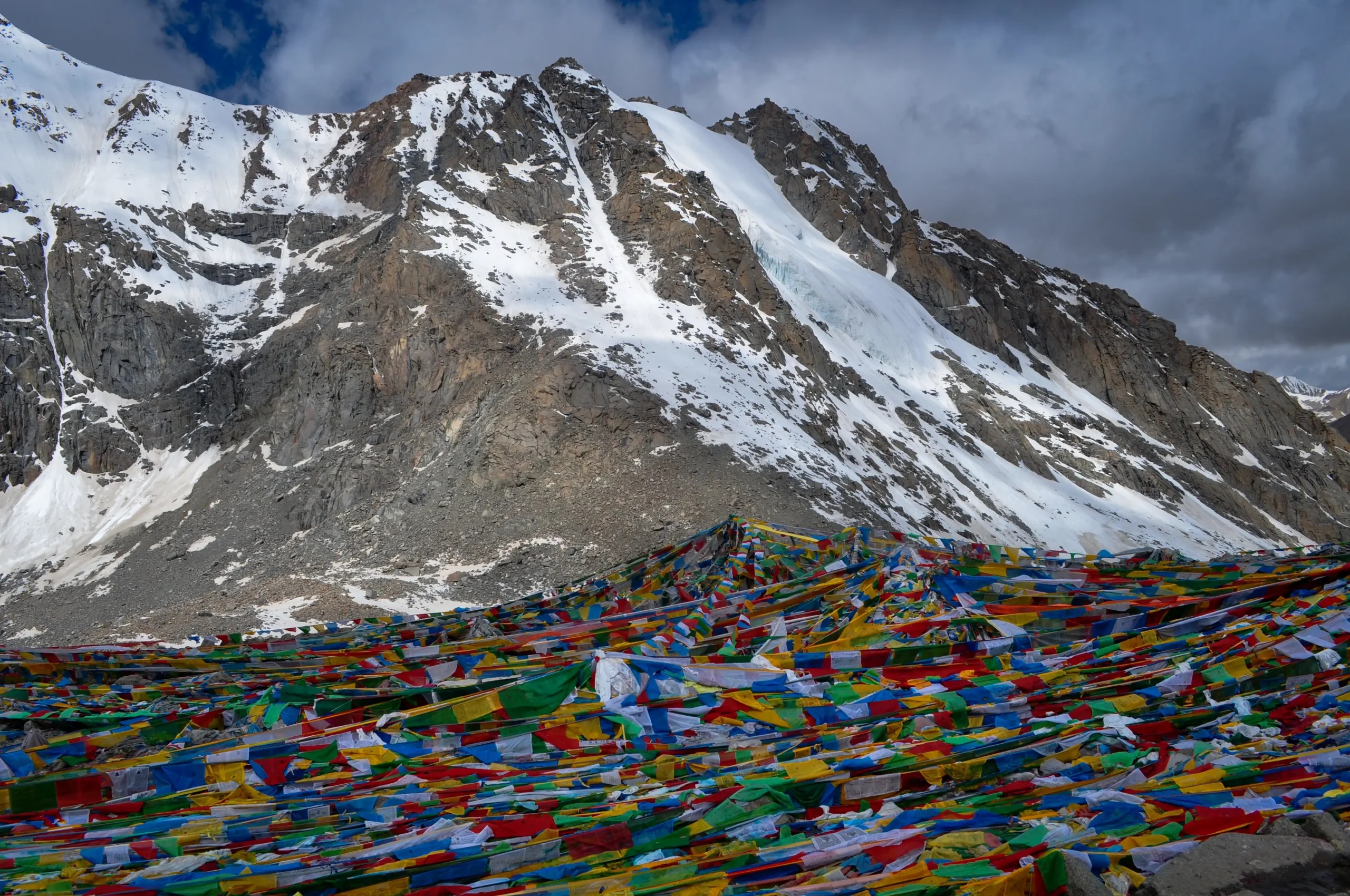
This is the most challenging and rewarding day of the trek. The route crosses the sacred Dolma La Pass, the highest point of the Kailash circuit, before descending toward Zuthulpuk Monastery. The trail represents spiritual rebirth for many pilgrims and offers unforgettable high-altitude Himalayan views.
Finish Kailash Trek and Drive to Tholing (3,900 m)
The final section of the Kailash trek returns to Darchen, marking the completion of the sacred circuit. Afterward, the journey continues by road toward Tholing, passing through remote western Tibetan landscapes rich in history and solitude.
Trek: 3–4 hrs + Drive: 4–5 hrs
Visit Tholing and the Guge Kingdom (3,900 m)
The day is dedicated to exploring Tholing Monastery and the ancient ruins of the Guge Kingdom, once a powerful center of Tibetan civilization. The site offers insight into early Tibetan art, architecture, and Buddhist heritage, set against a dramatic desert-like backdrop.
Drive/Walking: 5 hrs
Drive from Tholing to Shiquanhe (Gar) (4,255 m)
Travel continues to Shiquanhe, also known as Gar, the administrative center of western Tibet. The drive crosses vast open terrain, river valleys, and high plains, reflecting the raw beauty of the region. Time is available to rest and adapt to the altitude.
Drive: 6–7 hrs
Drive from Shiquanhe to Rutok (4,200 m)
The route toward Rutok follows ancient paths near the edges of high lakes and remote settlements. This region offers strong cultural contrasts and quieter landscapes, marking the transition toward Xinjiang and the Silk Road region.
Drive: 6 hrs
Drive from Rutok to Yecheng (1,400 m)
Descending from the Tibetan plateau, the journey enters Xinjiang Province. The changing scenery—from high-altitude plains to greener valleys—signals a major geographical and cultural shift. Arrival in Yecheng brings noticeable relief in altitude and climate.
Drive: 7–8 hrs
Drive from Yecheng to Khasgar and Return Options (1,290 m)
The journey concludes with arrival in Khasgar, a historic Silk Road city famous for its vibrant markets and diverse ethnic communities. After exploring the city, travelers can arrange return flights via Lhasa back to Kathmandu, completing the full circle of the spiritual and cultural journey. This final day marks the end of a tour that blends the sacred landscapes of Mount Kailash and Lake Manasarovar with the rich heritage of western Tibet and the Silk Road, offering a balanced mix of pilgrimage, adventure trekking, and cultural exploration.
Drive: 6–7 hrs
Not quite satisfied with this itinerary?
No worries – every traveler has unique preferences, and we’d be happy to adjust the plan to match your style, comfort, and interests. Let us know what you’d like to add or change, and we’ll create a journey that feels truly yours.
Customize TripCost Includes
- Arrival / Departure Transfers by Private transfer.
- 3 Nights hotel in Lhasa on (4-Star Category) with Breakfast.
- Monastery Entrance Fee including Potala Palace.
- Accommodation in town on Twin Sharing Basis.
- Sharing Accommodation during Kailash Kora.
- Local best restaurant food
- English Speaking Tibetan Guide.
- Tourist Bus/Van for transfer in Tibet.
- All Permits.
- Visa Fee
- First Aid Kit & Pulse Oximeter.
Cost Excludes
- International flight cost into Lhasa and out from Kashgar
- All kinds of beverages (soft/hard)
- Travel insurance and emergency evacuation expenses
- Additional days accommodation expenses
- Tips
Additional Informations
Accommodation
Firante Treks and Expedition Manages for best and comfortable accommodation and also provides you hygienic food. Standard (3 Star) are booked in the cities such as Kathmandu and Pokhara, whereas a tyical trek lodge will be booked on remote areas.
Luxurious rooms from 5 Star hotels are also made avaiable on demand in the cities on additional cost but remote regionss dont have such facilities.
Trip Gallery
Trip FAQs
1. What is the best time to visit Mt. Kailash and Lake Manasarovar?
The ideal seasons are spring (April–May) and autumn (September–October) when the weather is clear, temperatures are moderate, and roads and trails are accessible for trekking and sightseeing.
2. How do I get from Kathmandu to Lhasa?
Most travelers take a short flight from Kathmandu to Lhasa, which offers scenic views of the Himalayas. Alternatively, some opt for overland routes, though flights are faster and more comfortable.
3. Do I need a permit to visit Tibet and Mt. Kailash?
Yes. Travelers require a Tibet Travel Permit, and for the Kailash region specifically, a Restricted Area Permit is needed. These are arranged through authorized tour operators before arrival.
4. Is the Mt. Kailash trek difficult?
The three-day Kailash circuit involves moderate to strenuous trekking, with the highest point at Dolma La Pass (5,630 m). Proper acclimatization, fitness preparation, and gradual pacing are essential.
5. Can I customize this tour itinerary?
Yes. The trip can be adjusted according to your time, interests, or preferred pace, including extra days in Lhasa, Lake Manasarovar, or Khasgar.
6. How do I prepare for high altitudes?
Acclimatization is built into the itinerary. Drink plenty of water, avoid heavy physical activity on arrival, and consider altitude medication if advised by a doctor.
7. What kind of accommodation is included?
Accommodation ranges from standard hotels in Lhasa and Shigatse to simple lodges near Kailash and remote areas. Comfort varies depending on location, with basic facilities in high-altitude and rural stops.
8. Is this tour suitable for solo travelers?
Yes. Solo travelers are welcome, though joining a guided group or private guide is recommended for navigation, safety, and cultural context.
9. What food is available during the tour?
Meals include Tibetan, Chinese, and light continental options. Near Kailash and remote villages, simple local Tibetan cuisine like tsampa, noodles, and soups is available. Travelers can carry personal snacks if desired.
10. How do I return to Kathmandu from Khasgar?
After reaching Khasgar, travelers can fly back via Lhasa to Kathmandu, completing the full round-trip journey. Flights can be arranged through tour operators or local travel agencies.
11. Is this tour safe for travelers?
Yes. With proper acclimatization, permits, travel insurance, and guided support, the tour is safe. The itinerary avoids sudden altitude jumps and includes rest days in key locations.
12. Can this tour be combined with other treks in Tibet or Nepal?
Absolutely. Many travelers extend their trip to include Everest Base Camp, Annapurna Circuit, or other Tibet cultural tours, depending on time and interests.
You may also like
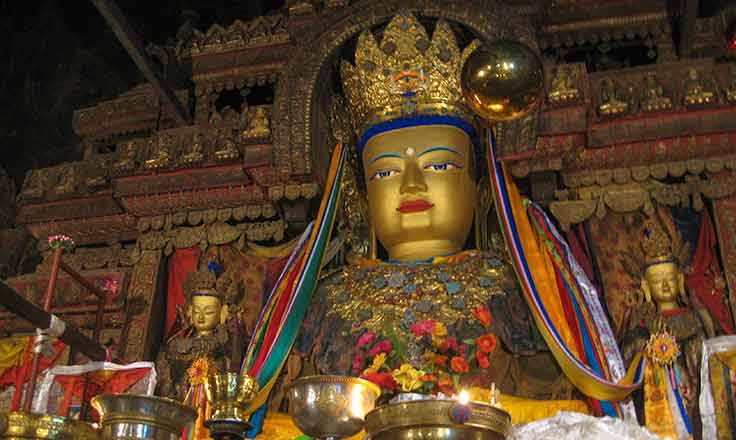
The Heart of Tibetan civilization Tour 10 Days This Tour covers Tsedang and Samye, the ancient capital of Tibetan Kings, from where the Tibetan...
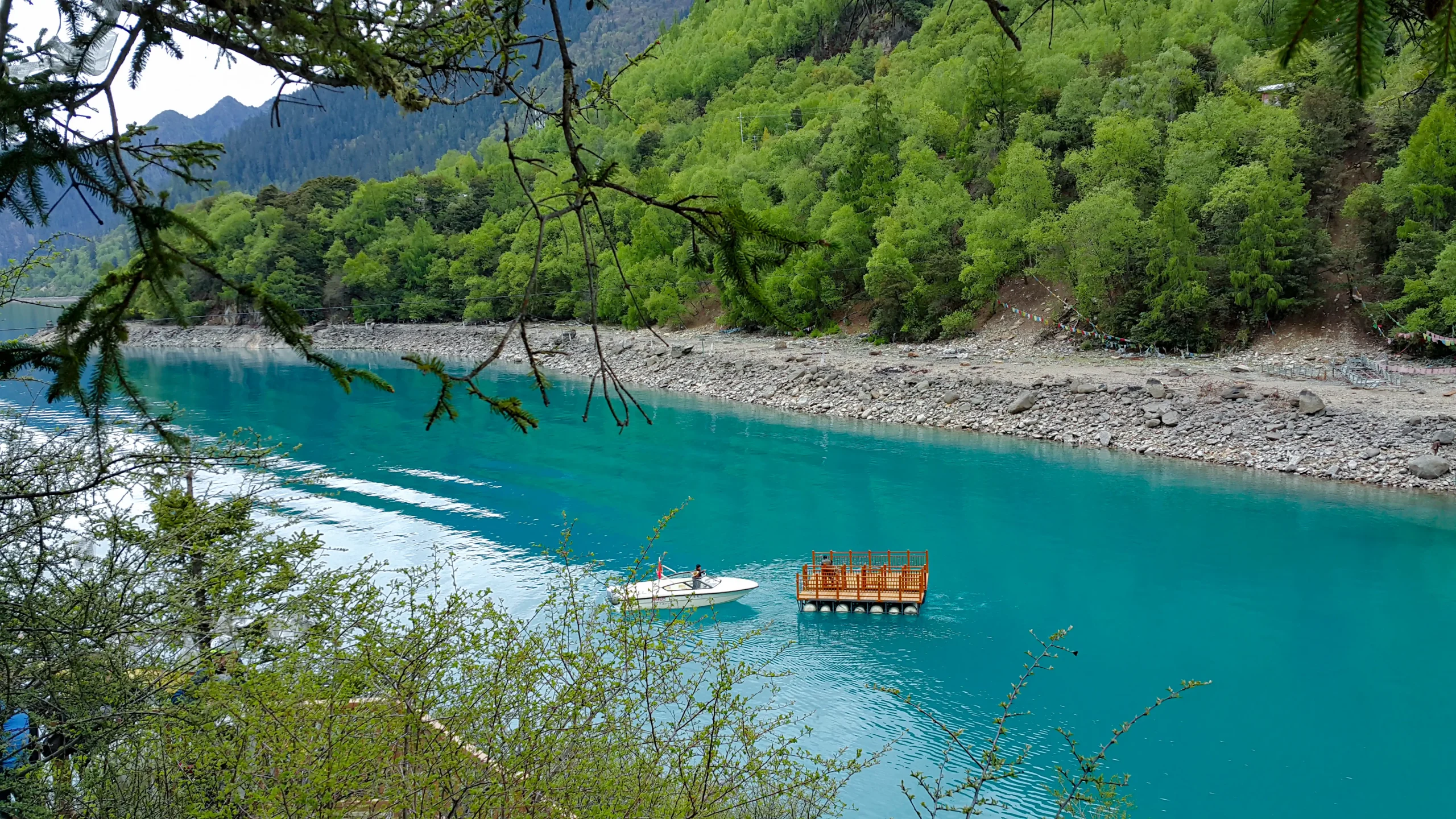
The major section of the Tibet-Sichuan highway links Lhasa to Ningchi. Ningchi is a main town in Kongpo, a large district in southwest Tibet....
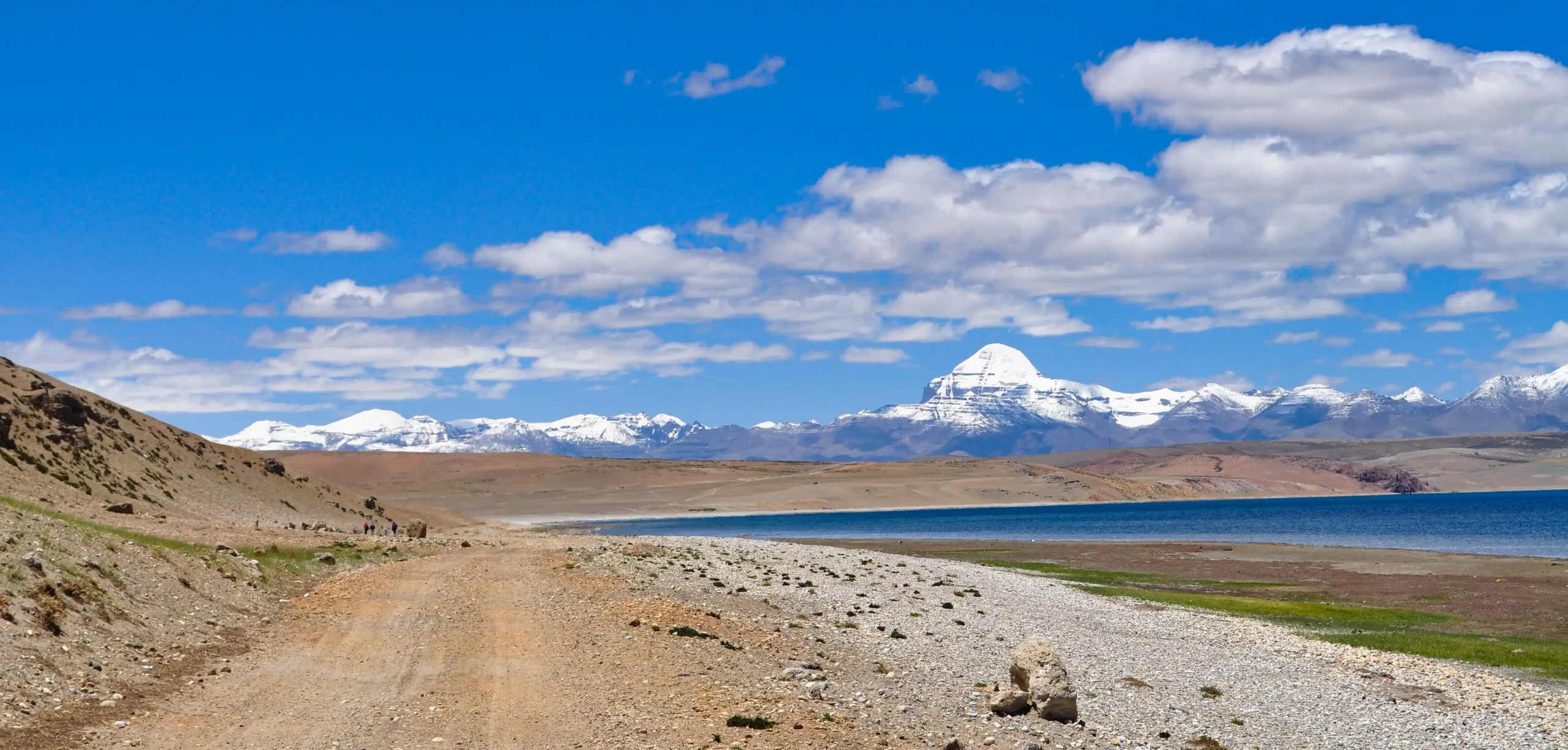
This epic adventure blends the best of Tibet’s three regions into one adventurous and spiritual journey is an awsome trekking pacakge from Firante Tours...
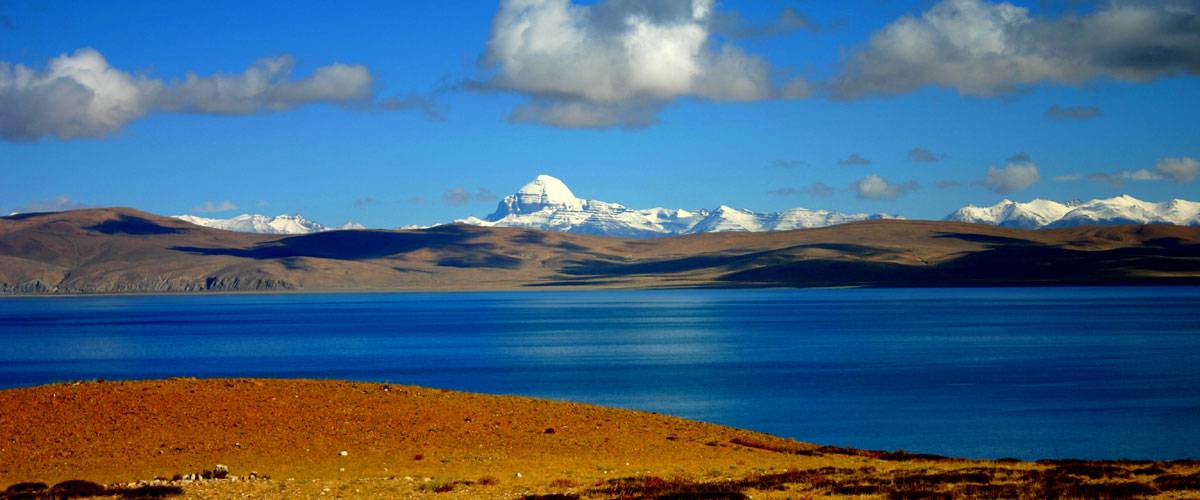
The Mount Kailash Saga Dawa Festival Trek via Simikot 2026 is a rare spiritual journey that combines one of the holiest Buddhist festivals with...
If you’re dreaming of a once-in-a-lifetime spiritual journey to Mount Kailash, 2026 is the year to make it happen. This is the Tibetan Year...
