



Trip overview
The Mount Kailash View Tour from Nepal takes you to Lapcha Syar Pass (5,133m) in remote Humla district, where Mount Kailash (6,638m) and Lake Manasarovar appear clearly across the Tibetan border, no Tibet permit required.
This is an 8-day alternative to the traditional Kailash parikrama. It’s designed for pilgrims and travelers who want the sacred darshan but can’t or don’t want to enter Tibet due to visa complications, higher costs, or physical demands of the full kora circuit. The journey combines short flights with rugged overland jeep travel through one of Nepal’s least-visited corners.
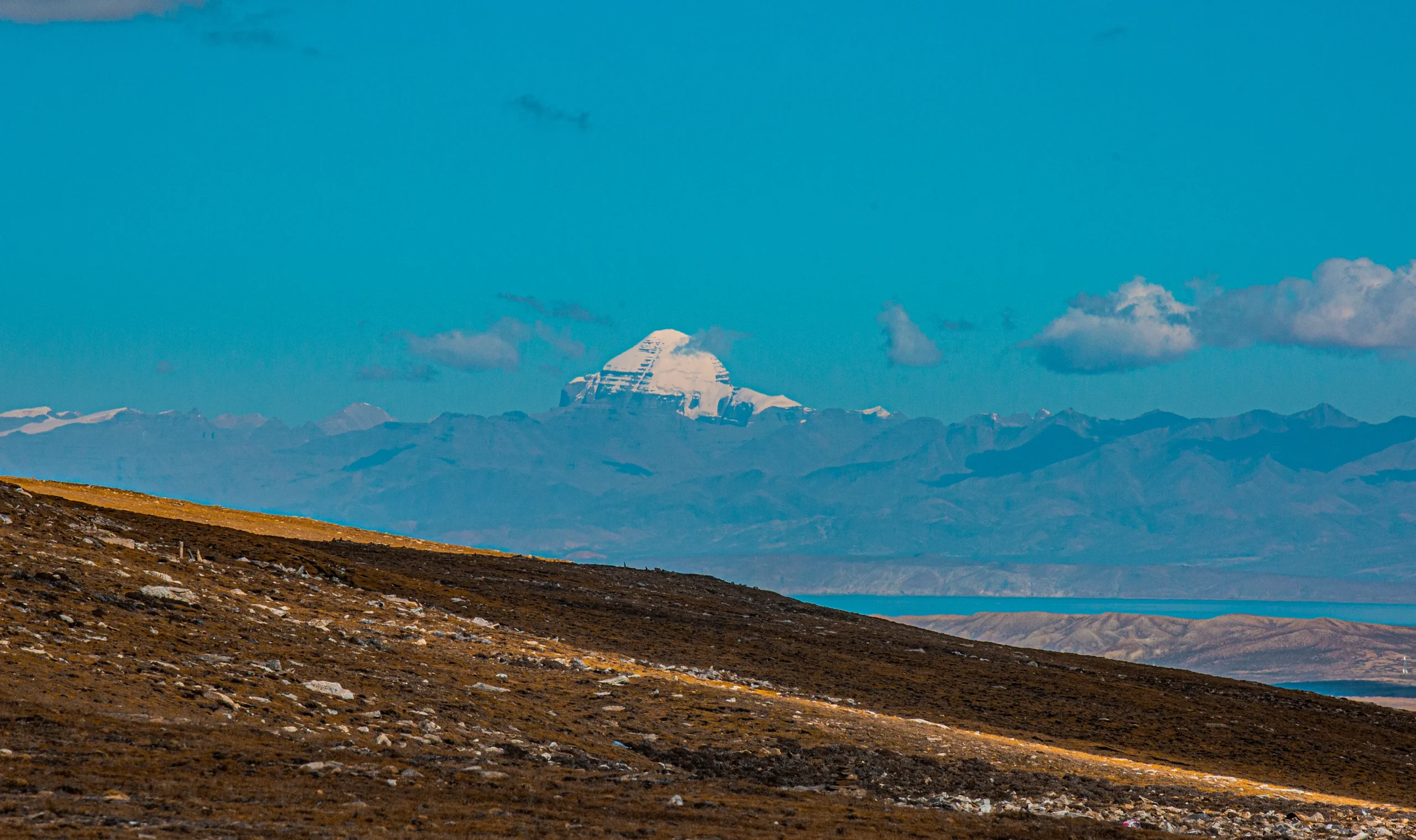
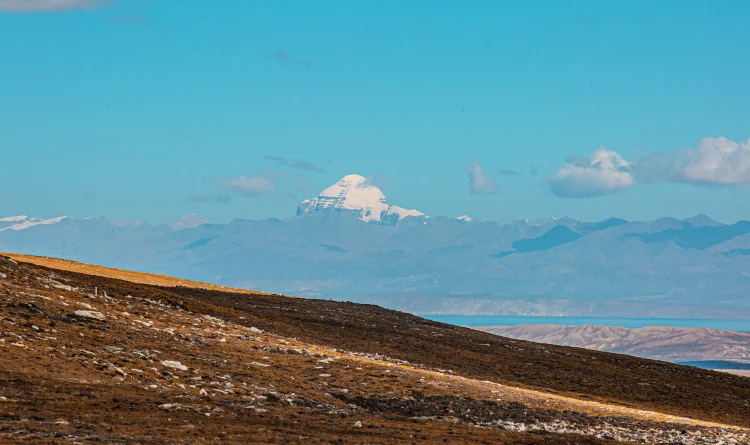
Mount Kailash is sacred to Hindus, Buddhists, Jains, and Bon followers as the spiritual axis of the world. From Lapcha Syar, all four symmetrical faces of the mountain rise clearly above the plateau. On good days, Lake Manasarovar (4,600 m) spreads turquoise below. Many pilgrims say the view alone completes their spiritual purpose.
Why Choose This Kailash Tour Package from Nepal
No Tibet visa headaches.
This route stays entirely within Nepal. You avoid the Tibet Group Tourist Visa process, political restrictions, and the significantly higher costs of Tibet-side tours that require Chinese-approved agencies and fixed group departures.
Faster itinerary. The full Tibet kora takes 12-15 days minimum. This Nepal-side tour gets you to the viewpoint and back to Kathmandu in 8 days, making it practical for people with limited vacation time.
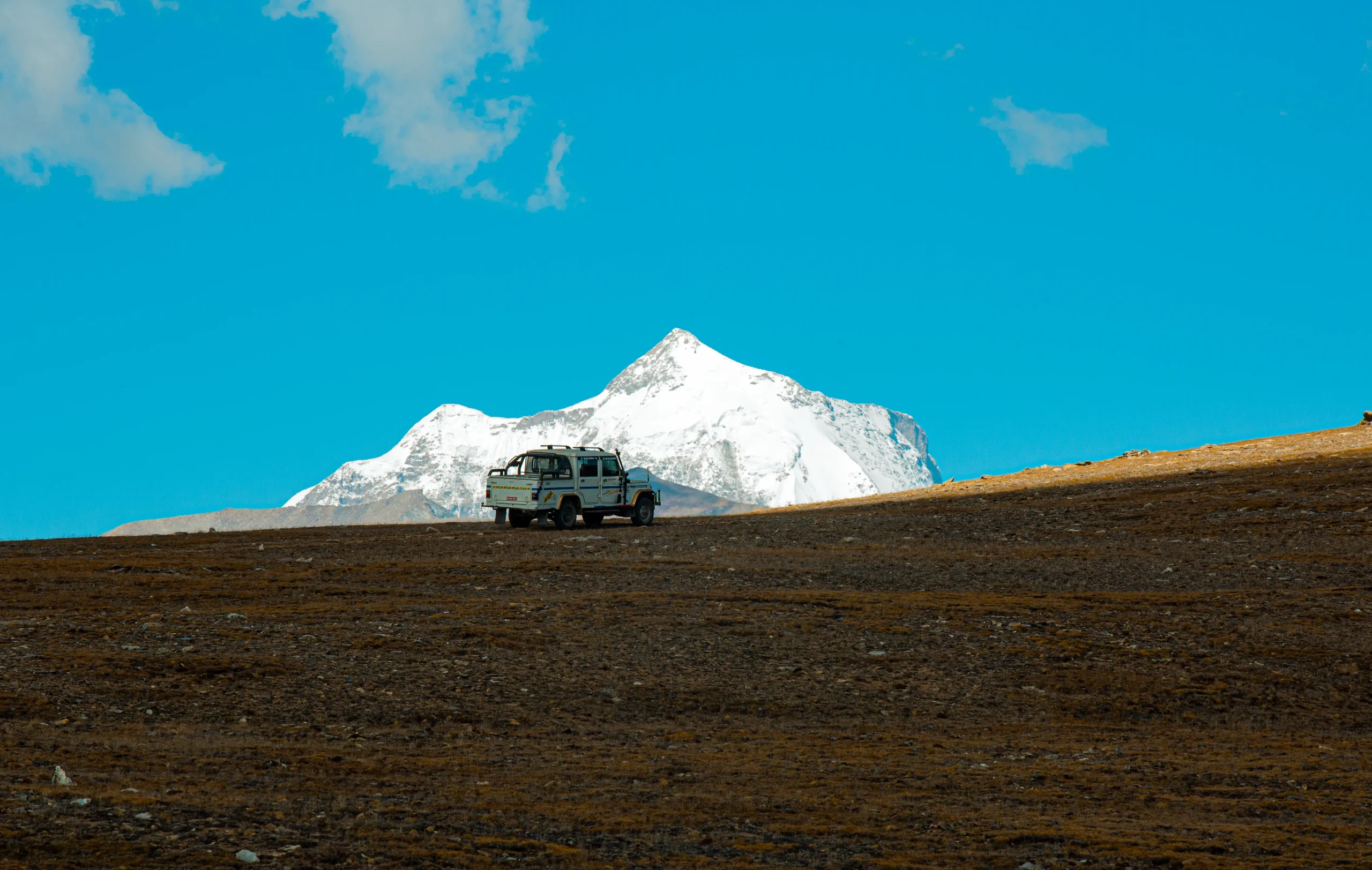
Moderate physical demands. While altitude is real (5,133m), the road access reduces trekking to a minimum. You drive to Dukling base camp at 4,000m, then take a final jeep approach to the pass. Suitable for anyone in decent health who can handle altitude.
Authentic Tibetan Buddhist culture. The route passes through villages where Tibetan traditions remain strong—active monasteries, prayer wheels, and communities that have lived along this trans-Himalayan trade corridor for centuries.
Firante Treks has run Humla expeditions since 2012. Our guides come from Simikot and surrounding villages, with firsthand knowledge of weather patterns, road conditions, and cultural protocols in this sensitive border region.
Journey Through Humla: The Road to Limi Lapcha Syar
After flying Kathmandu → Nepalgunj → Simikot (2,910m), the overland adventure begins. The 85km jeep route from Simikot to Dukling follows the Karnali River valley northward, climbing gradually through villages that mark the cultural shift from lowland Nepal to Tibetan Buddhist highlands.
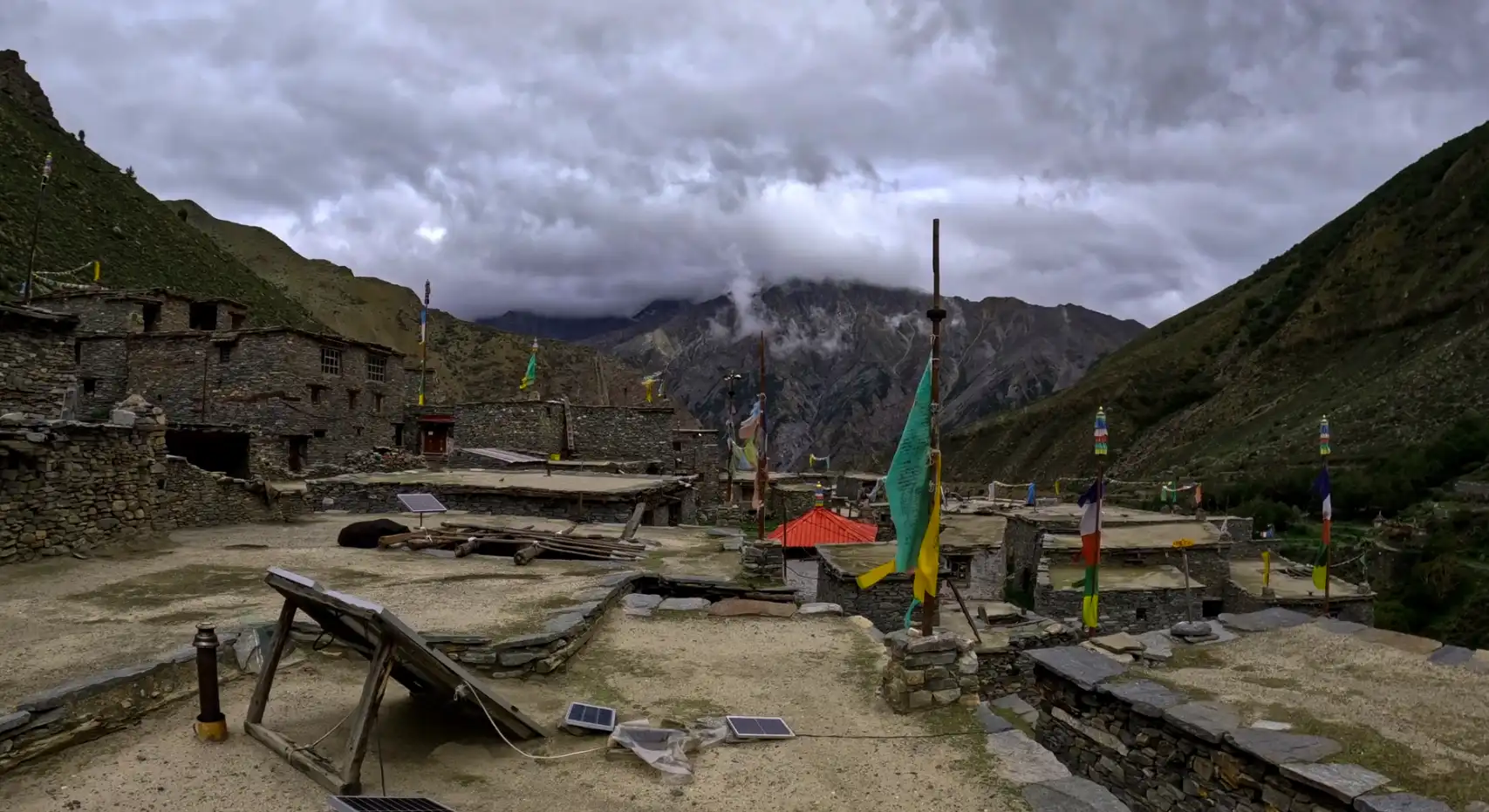
Early stops pass stone-built settlements where Nepali is still spoken, but prayer flags and chortens start appearing along the roadside. After crossing the Hepka Khola bridge, you enter distinctly Tibetan influence Buddhist areas. Kermi village (2,700m) has natural hot springs along the river where many groups stop briefly to soak after dusty hours in the jeep. The whitewashed stupas and hand-carved mani walls here signal the cultural transition is complete.
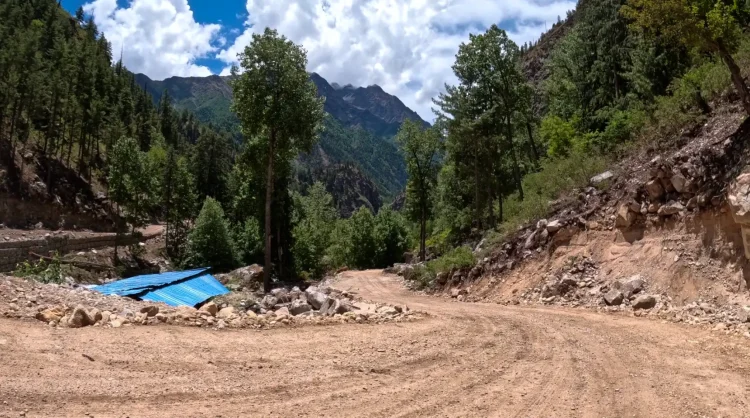
Further up, Muchu village sits near Yalbang Gompa(also known as Namkha Khyung Dzong Monastery), an active monastery visible from the road with sweeping views back down the valley. Monks maintain the gompa year-round, and if you pass during morning puja, you might hear chanting echo across the hills. Beyond Muchu, the landscape turns barren—less vegetation, more yaks grazing on sparse grass, and the air noticeably thinner above 3,500m.
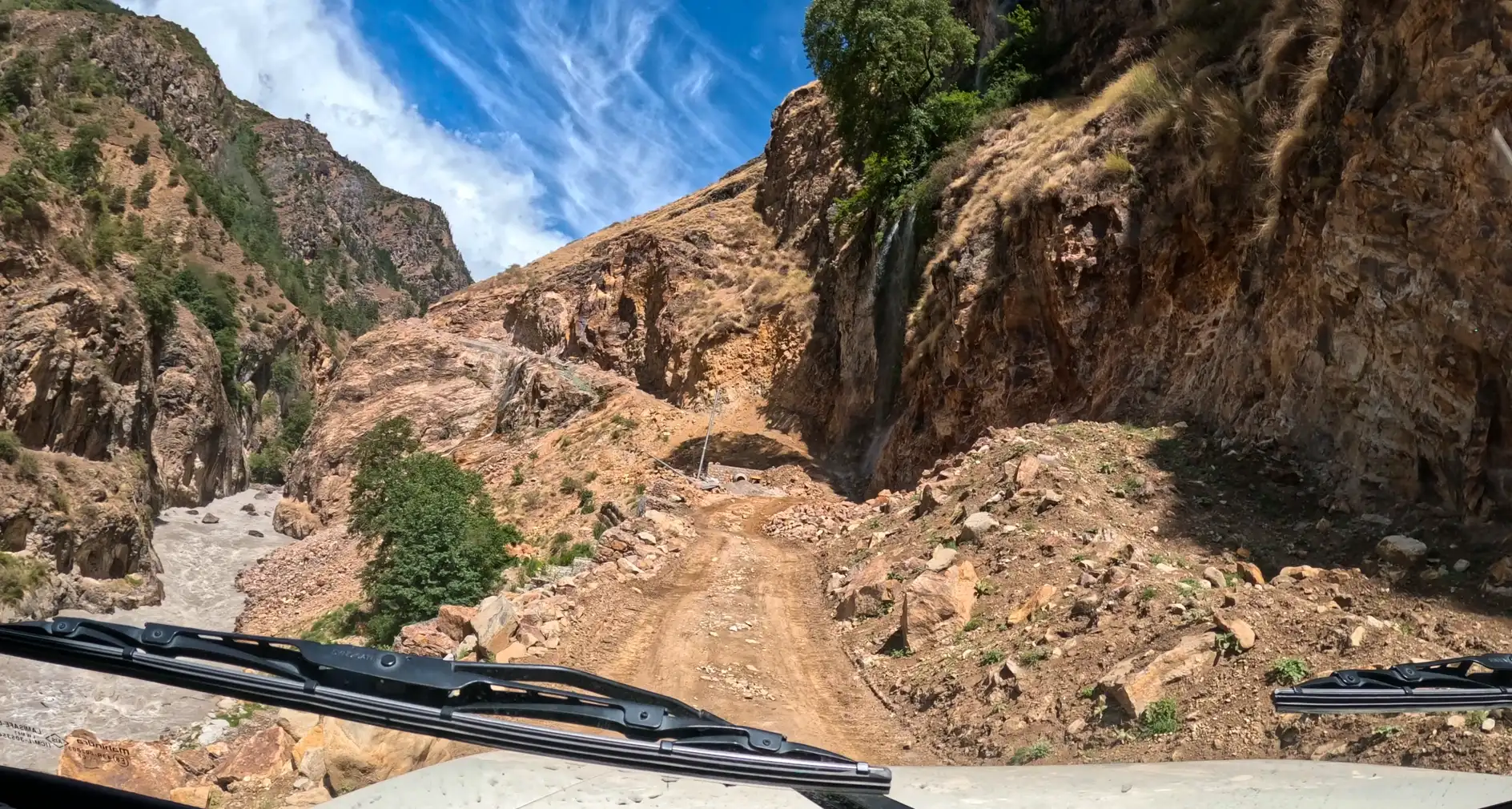
The route continues through increasingly desolate high country toward the restricted border zone. Road quality deteriorates—expect washouts, river crossings, and sections where the jeep crawls in low gear. This is genuine backcountry; you won’t see other tourists. The 85km drive takes 6-8 hours depending on conditions.
Dukling (4,000m) is the staging point, a basic camp or guesthouse area where you overnight for crucial acclimatization before the final push. The altitude hits harder here—headaches and shortness of breath are common. Our guides monitor everyone closely and adjust plans if anyone shows severe AMS symptoms.
Day 5 starts before dawn. The rougher track from Dukling to Lapcha Syar Pass (5,133m) climbs through scree, switchbacks, and exposed ridges. Most jeeps take 3-4 hours. Then the pass crests, and there it is.
The Sacred View: Mount Kailash and Lake Manasarovar
Mount Kailash dominates the northern horizon from Lapcha Syar—a massive pyramid shape with four faces aligned to cardinal directions, layered in snow and dark rock. The Tibetan name is Kang Rinpoche (Precious Jewel of Snow). Hindus know it as Shiva’s throne. From about 20km across the border, the mountain appears both enormous and strangely intimate.
Lake Manasarovar lies below to the northeast, a deep blue or turquoise expanse (depending on clouds and sun) ringed by barren Tibetan hills. Hindus believe bathing in its waters washes away lifetimes of sins. Buddhists say Brahma created it with his mind. You won’t reach the lake on this tour, but seeing it from Lapcha Syar—still, reflective, utterly remote—is enough for most pilgrims.
Prayer flags snap hard in the wind. The air is thin and cold even in summer. Most groups stay 1-2 hours, taking photos, meditating, or simply sitting with the view before descending back to Dukling. Weather can change fast—clouds roll in without warning, so morning departures catch the clearest light.
This is the Kailash Mansarovar yatra reimagined—no parikrama, no ritual dips, just the darshan from Nepal’s edge.
Best Time for Mount Kailash Tour from Kathmandu
May to September offers the most reliable weather. Humla gets lighter monsoon than the rest of Nepal, but afternoon clouds can still hide peaks. Early June and September typically deliver the clearest skies with fewer groups on the route.
October can work if conditions hold, but nights drop well below freezing and snow may close Lapcha Syar by late month. April-May is marginal—roads may have lingering ice and clouds are common.
Winter (November-March) is not viable. Snow blocks high passes, guesthouses close in upper villages, and temperatures at Lapcha Syar hit -20°C or lower.
We monitor conditions through local contacts in Simikot and adjust departure dates based on current road status and weather forecasts. If Lapcha Syar clouds out on Day 5, we include buffer time or alternative viewpoints when possible, but peak views aren’t guaranteed—this is high-altitude wilderness, not a controlled tourist experience.
What Makes This Kailash Tour Package Different
Local expertise that matters. Our lead guide, Tenzin Lama, grew up in humla and has led over 40 Humla expeditions. He knows which guesthouse owners are reliable, where landslides happen after rain, and how to handle checkpoint protocols in the border zone. That experience is critical when you’re this remote with limited backup options.
Small groups, low impact. We cap departures at 8-10 people maximum. Large tour buses can’t navigate these roads anyway, and smaller groups move faster, cause less environmental strain, and keep the experience personal rather than transactional.
Respectful cultural approach. This is a pilgrimage route for Humla locals too, not just foreign tourists. We brief travelers on etiquette—asking before photographing people or monasteries, removing shoes at gompas, understanding that some sacred sites are places where outsiders are guests, not customers with automatic access.
Honest expectations. We don’t promise perfect weather or guaranteed Kailash views. Altitude affects everyone differently, roads wash out during monsoon, and clouds hide the mountain sometimes despite clear forecasts. We plan buffer days, carry emergency oxygen and pulse oximeters, and communicate clearly about risks before you book. If someone shows severe AMS symptoms, we descend immediately—no exceptions.
For many travelers, this glimpse from Nepal is enough—a sacred sight earned through genuine effort, not packaged convenience. For some, it becomes the most meaningful journey they’ve taken.
Health and Safety Considerations
Lapcha Syar sits above 5,100m. Acute Mountain Sickness (AMS) is a real risk, especially for those flying directly from sea level to Simikot (2,910m) in one day. Our itinerary includes overnight acclimatization at Dukling (4,000m) before the final ascent, but headaches, nausea, and fatigue are common even with gradual altitude gain.
Guides carry pulse oximeters to monitor oxygen saturation, plus first aid kits and supplemental oxygen cylinders. All guides are trained to recognize AMS warning signs—confusion, inability to walk straight, severe headache that doesn’t respond to medication—and will descend with anyone showing serious symptoms.
Medical facilities in Humla are extremely basic. Simikot has a small health post with limited supplies. Serious emergencies require helicopter evacuation to Nepalgunj or Kathmandu, weather permitting. We strongly recommend comprehensive travel insurance that covers high-altitude rescue (above 4,000m) and emergency medical evacuation.
Mount Kailash View Tour From Nepal Highlights
- Rare clear view of Mount Kailash and Lake Manasarovar from Lapcha Syar Pass (5133m)
- Journey through the remote and culturally rich Humla region of Nepal
- High-altitude Himalayan trekking with dramatic landscapes and wide-open skies
- An ideal option for pilgrims unable to enter Tibet but seeking a spiritual Kailash experience
- Walk along ancient trails once used by salt traders and pilgrims
- Deep sense of solitude, silence, and spiritual atmosphere
- Authentic village encounters far from commercial trekking routes
- Carefully paced itinerary designed by Firante Treks with local knowledge and respect for altitude
Mount Kailash View Tour From Nepal Itinerary
Expand AllArrival in Kathmandu (1,350 m ) – Transfer to Hotel
Our staff from Firante Treks and Expedition will pick you from Kathmandu (TIA) airport and drop you at your hotel. Evening farewell dinner with your staff and a short briefing of tour.
Fly from Kathmandu to Nepalgunj (150 m)
Today is the permit-making day and evening you will fly to Nepalgunj. During the flight, travelers seated on the right side of the aircraft may catch views of the Annapurna and Dhaulagiri ranges on clear days. After arrival, you will be transferred to the Siddhartha hotel Nepalgunj.
Fly from Nepalgunj to Simikot (2,910 m)
Early morning flight from Nepalgunj to Simikot, entering the remote Humla region. As you arrive, the crowds fade away and the air feels noticeably cleaner and fresher, marking the start of a quieter Himalayan journey. After transfer to a local guesthouse, the rest of the day is free for light walking and acclimatization. You can take scenic walk to Burause village and back to Simikot .
Drive from Simikot to Dukling (Approx. 4,000 m | 85 km)
After breakfast, you start your drive from Simikot, leaving the busy town behind. The route passes through Lagna, where a few small local tea houses offer a quick stop. Beyond Lagna, you enter the first Thakuri villages: Dandaphaya, Chaugonphaya, and Dharpori, giving a glimpse into traditional hill life.
Continuing further, the road crosses Tsongsa, the base camp of Nyalu La Pass (5,000 m), and the breathtaking Talung Valley, often considered the most beautiful valley on the journey. Along the way, you’ll encounter two high-altitude lakes—Seliman Lake and Talung Lake—and the refreshing Chyachhara Waterfall, which adds energy and excitement to the trip.
Overnight is in one of the two local tea houses in the area, offering a rare, authentic high-altitude experience.
Drive: 7 hrs
Drive to Lapcha Syar – Lapcha La Viewpoint (5,133 m)
After breakfast, the journey continues with a drive of around 2 hours toward Lapcha Syar, gradually gaining altitude. From here, a short walk leads to the Lapcha La viewpoint, one of the most revered locations for witnessing Mount Kailash and Lake Manasarovar from the Nepal side.
On clear days, the perfectly shaped peak of Mount Kailash rises across the Tibetan plateau, with the calm waters of Lake Manasarovar visible below. Many travelers choose to spend quiet time here, taking in the view and the peaceful atmosphere created by the high Himalayan surroundings.
After exploring the viewpoint, return to Dukling and rest at the local tea house. Due to the remoteness of the area, only two basic tea houses operate here, offering a simple but memorable high-altitude experience. Optional side trip to Halji village for visiting Rinchenling monastery if iterated.
Drive to Lapcha Syar 2 hrs
Drive from Dukling to Simikot (2,910 m)
After breakfast, begin the return drive from Dukling back to Simikot, following the same remote mountain route. The journey offers another chance to enjoy the wide valleys, high ridges, and quiet settlements of Humla from a different perspective. Upon arrival in Simikot, the rest of the day is free to rest and relax after the high-altitude experience.
Fly from Simikot to Nepalgunj – Continue to Kathmandu (1,350 m)
Early morning flight from Simikot to Nepalgunj, followed by a connecting flight to Kathmandu. After arriving in the capital, transfer to the hotel. The remainder of the day is free for rest, light shopping, or personal activities.
Final Departure
According to your international flight schedule, transfer to Tribhuvan International Airport for onward departure. The journey concludes with lasting memories of the remote Himalayas and the sacred view of Mount Kailash from Nepal.
Not quite satisfied with this itinerary?
No worries – every traveler has unique preferences, and we’d be happy to adjust the plan to match your style, comfort, and interests. Let us know what you’d like to add or change, and we’ll create a journey that feels truly yours.
Customize TripCost Includes
- Transportation by Jeep
- All food and accommodation Simikot to Simikot full package
- Staff
- DDC local tax
- Special Permits
- Hotel at Nepalgunj (1 Night)
- Hotel in Kathmandu (2 Nights)
- Domestic Air tickets
Cost Excludes
- Insurance for Clients and Emergency Rescue and medicines and medicals.
- Personal beverages.
- Lunch and dinner in Kathmandu.
- Domestic access baggage charge weight limit is 15 kg.
- International flights.
- Extra nights at Nepalgunj due to flight cancelations.
- Any extra flight charters or flight upgrades
- Tips
Additional Informations
Accommodation
Firante Treks and Expedition Manages for best and comfortable accommodation and also provides you hygienic food. Standard (3 Star) are booked in the cities such as Kathmandu and Pokhara, whereas a tyical trek lodge will be booked on remote areas.
Luxurious rooms from 5 Star hotels are also made avaiable on demand in the cities on additional cost but remote regionss dont have such facilities.
Trip Gallery
Trip FAQs
1. Can Mount Kailash be seen from Nepal?
Yes, Mount Kailash can be clearly seen from the Lapcha La viewpoint in the Humla region of northwestern Nepal on clear weather days. This viewpoint also offers a distant view of Lake Manasarovar across the Tibetan plateau.
2. Where is Lapcha La located?
Lapcha La is a high-altitude viewpoint located in Humla district, near the Nepal–Tibet border. It lies at an elevation of approximately 5,133 meters above sea level.
3. Do I need to enter Tibet to see Mount Kailash?
No, this tour is designed for travelers who cannot or do not wish to enter Tibet. The view of Mount Kailash and Lake Manasarovar is accessible from Nepal’s side at Lapcha La.
4. What is the highest altitude reached during the tour?
The highest point of the journey is Lapcha La viewpoint at 5,133 meters, making proper acclimatization and good physical condition important.
5. Is this tour suitable for beginners?
This tour involves high-altitude travel and remote mountain roads, so it is best suited for travelers with previous trekking or high-altitude experience. Beginners should be physically fit and prepared for basic conditions.
6. What type of accommodation is available on this tour?
Accommodation ranges from hotels in Kathmandu and Nepalgunj to basic guesthouses and local tea houses in remote areas. Facilities in Humla are simple and limited.
7. How difficult is the Mount Kailash View Tour from Nepal?
The tour is considered moderate to challenging, mainly due to altitude, remoteness, and limited infrastructure rather than long trekking hours.
8. What is the best season for this tour?
The best time to visit is spring (April–May) and autumn (September–October) when weather conditions are more stable and visibility of Mount Kailash is clearer.
9. Are there any tea houses near Lapcha La?
Yes, there are only two basic local tea houses in the Lapcha Syar area. Services are very limited, so travelers should be prepared for simple meals and accommodations.
10. Is special permit required for this tour?
Yes, Travel to the Humla region requires restricted area permits, which must be arranged in advance according to Nepal government regulations.
11. Can Lake Manasarovar be seen from Lapcha La?
On clear days, Lake Manasarovar is visible below Mount Kailash from Lapcha La, appearing as a calm turquoise body of water on the Tibetan plateau.
12. Is this tour religious or purely scenic?
The tour suits both spiritual travelers and nature lovers. While Mount Kailash holds deep religious significance, the journey also offers dramatic landscapes, valleys, lakes, and remote Himalayan culture.
13. How is acclimatization managed during the Mount Kailash View Tour from Nepal?
Acclimatization is managed naturally through gradual altitude gain and overnight stays at intermediate elevations such as Simikot (2,910 m) and Dukling (around 4,000 m) before reaching Lapcha La (5,133 m). Travel days are planned with limited physical exertion, and rest time is provided at higher elevations to help the body adjust and reduce the risk of altitude sickness.
You may also like
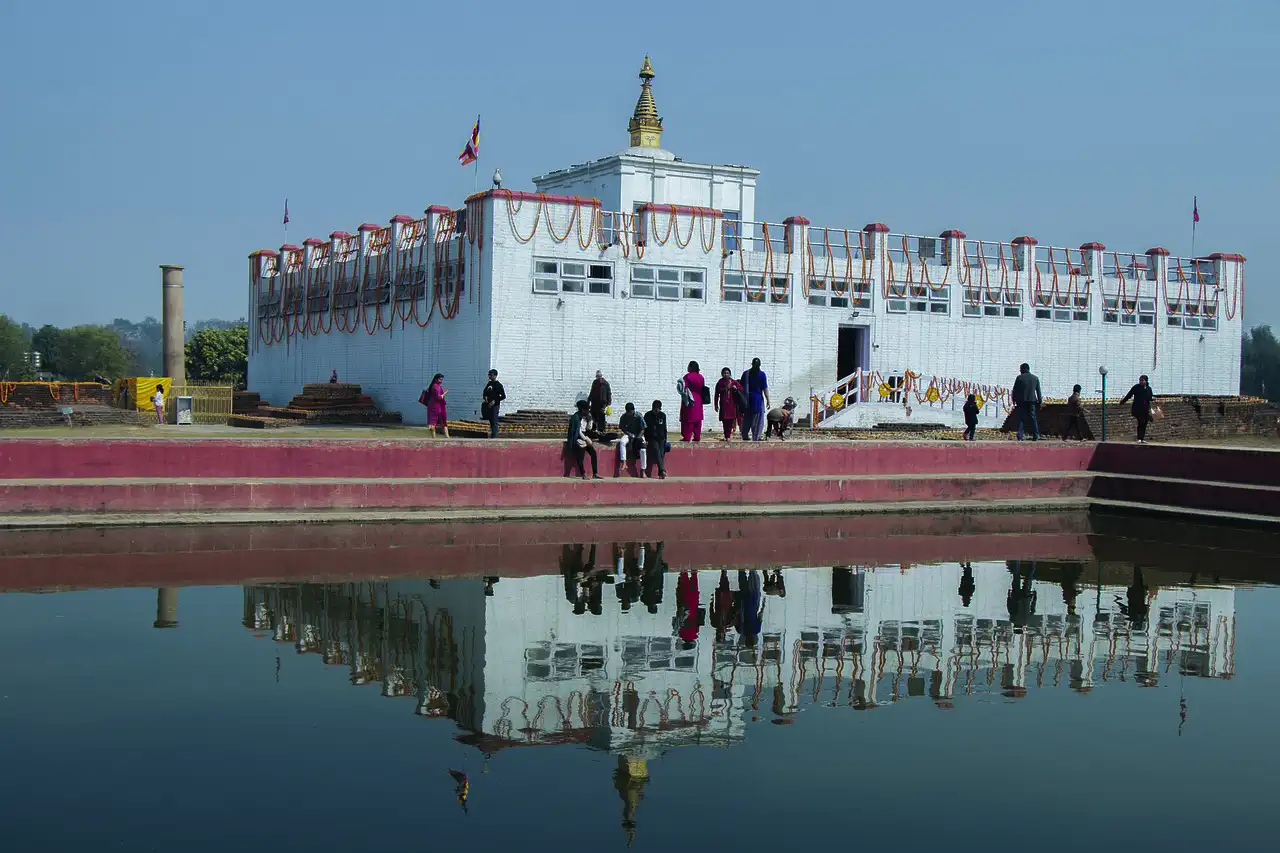
Buddhism & Mindfulness Luxury Tour Nepal is not about rushing from one attraction to another. It is about slowing down enough to actually feel...
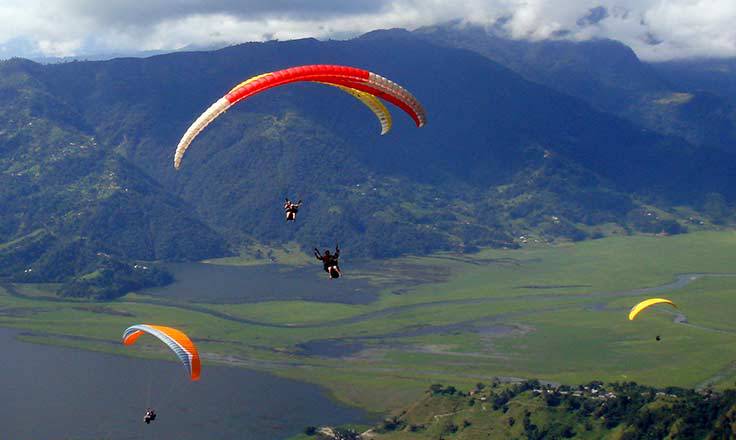
Details about this paragliding is under-writing. Thank you for your patient. ITINERARY OVERVIEW Day 01: Arrival at TIA Kathmandu (1350m) & Transfer to the...

Muktinath Nepal Motorbike Tour offers unsurpassed motorcycling experience around the Mustang region to the holy temple of Muktinath. The northern-west part of Nepal can...
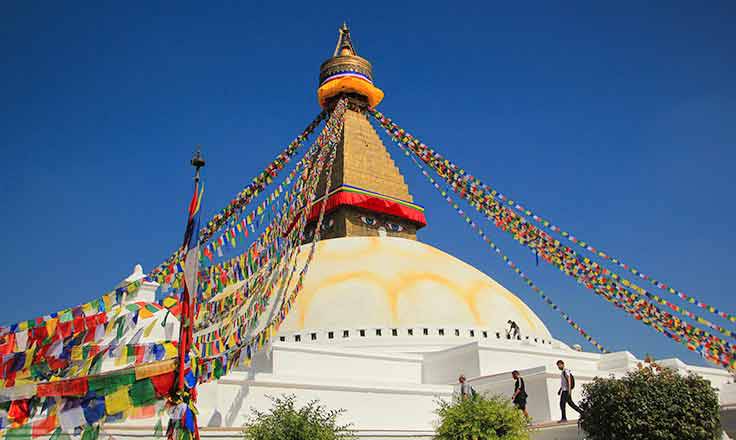
11 Days Nepal Tour
Firante Treks & Expedition’s 11 Days Nepal Tour is one of the ultimate tour package in Nepal which leads you to explore the UNESCO World...
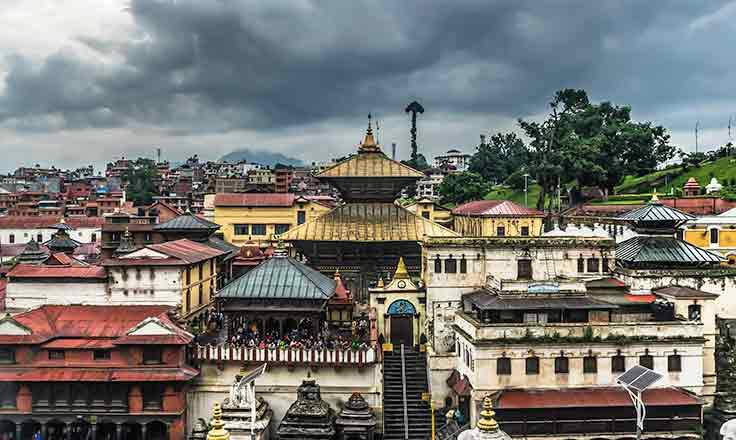
9 Days Nepal Tour
Firante Treks & Expedition’s 9 Days Nepal Tour is one of the ultimate tour package in Nepal which leads you to explore the UNESCO World...
