

Join Firante Treks for Kailash Mansarovar Yatra 2026 via reopened Kerung border from Kathmandu. 12-day overland package with full kora, permits, veg meals, and safety. Alternative to our Simikot/Humla routes – choose your style. Costs, dates & booking.


Trip overview
The Kailash Mansarovar Yatra via the Kerung Nepal Route is a classic overland pilgrimage that begins in Kathmandu and slowly leads you across the Himalayan frontier into the vast Tibetan plateau. Traveling by road allows for gradual acclimatization, making this route one of the most comfortable and practical ways to reach Mount Kailash (6,638m) and the sacred Lake Mansarovar (4,560m)—especially for first-time pilgrims or those seeking a less physically demanding journey.
With the reopening of the Rasuwagadhi–Kerung border, this route has once again become a preferred option for devotees. The journey unfolds through dramatic mountain valleys, wide high-altitude plains, and ancient settlements where spirituality is part of everyday life. The landscape feels open, quiet, and timeless, offering space not only to travel, but to reflect.
The experience becomes even more meaningful during Saga Dawa and the auspicious Horse Year 2026, a period believed to multiply the spiritual merit of prayers and good deeds. Pilgrims gather from across the Himalayan world to perform rituals, meditation, and the sacred three-day Kailash Parikrama (Kora)—a deeply personal and transformative walk around the holy mountain.
For those looking for a different way to experience the same sacred route, Firante Treks also operates a Kailash Motorbike Tour. Riding across the Tibetan plateau offers a unique blend of adventure and spirituality, following the traditional pilgrimage path while adding a sense of freedom and exploration on two wheels.
Whether you travel by overland vehicle, complete the kora on foot, or choose the motorbike journey, Firante Treks takes care of every detail—experienced guides, pure vegetarian meals, altitude monitoring, and reliable logistics—so you can focus fully on the spiritual essence of your Kailash Mansarovar Yatra.
Kailash Mansarovar Yatra via Kerung Nepal Route 2026 Highlights
- Travel to Mount Kailash (6,638m) and the sacred Lake Mansarovar (4,560m) via the reopened Kerung (Rasuwagadhi) Nepal–Tibet border
- Begin the yatra directly from Kathmandu, avoiding internal flights and making the journey more accessible
- Complete the holy 3-day Mount Kailash Parikrama (Kora) with views of the north face, Dolma La Pass, and Zutulpuk Monastery
- Special departure during the Saga Dawa Festival / Horse Year 2026, considered one of the most auspicious times for Kailash pilgrimage
- Gradual acclimatization with a dedicated rest day in Kerung, reducing altitude-related risks
- Experience the vast Tibetan plateau landscapes, high passes, and sacred river valleys
- Guided spiritual experience including puja support, ritual guidance, and pilgrimage coordination
- Travel in small, well-managed groups with experienced Nepalese and Tibetan guides
- Pure vegetarian meals throughout the journey, prepared according to pilgrimage standards
- Full logistical support including Tibet group visa, permits, border handling, and oxygen/AMS monitoring
- Optional support during the kora with yak or horse arrangements
- Backed by Firante Treks’ local expertise, with on-ground coordination from Kathmandu to Tibet
Kailash Mansarovar Yatra via Kerung Nepal Route 2026 Itinerary
Expand AllArrival in Kathmandu (1,350m)
Welcome to Kathmandu! Our Firante Treks team will be waiting for you at the airport with a warm smile and a name sign — just look for us after customs. We’ll drive you straight to your hotel (usually in Thamel or near Pashupatinath area, depending on availability), so you can drop your bags and catch your breath after the flight.
Take it easy this afternoon — maybe grab a cup of masala tea on the rooftop or just rest. In the evening (around 6–7 pm), we gather for a relaxed briefing in the hotel lobby. We’ll go over the full Kailash Mansarovar yatra schedule, talk about what to expect at the border and in Tibet, hand out any last-minute tips, and answer all your questions. It’s a good chance to meet your fellow pilgrims too.
Kathmandu Valley – Temples & Acclimatization (1,350m)
Today we keep things light and spiritual — it’s all about getting your mind and body ready for the journey ahead. After breakfast, we head out together (our guide will pick you up from the hotel).
First stop: Pashupatinath Temple, the holiest Shiva site in Nepal. It’s powerful — you’ll see sadhus, hear bells ringing, and feel the energy along the Bagmati River. Many yatris do a small puja or just sit quietly for blessings before Kailash. We time it so you avoid the biggest crowds (early morning is best).
From there, we drive to Boudhanath Stupa — one of the biggest in the world. Walk the kora (clockwise), spin the prayer wheels, light a butter lamp if you like. It’s peaceful, and the mix of Hindu and Buddhist vibes really sets the tone for what’s coming in Tibet.
If time and energy allow, we’ll stop by Patan Durbar Square — beautiful old temples, carved wood windows, and that classic Newari feel. It’s a nice cultural breather.
We’re back at the hotel by early afternoon so you have free time — rest, pack properly, buy any forgotten items (like extra batteries or snacks), or just relax with a book/coffee. Our team is around if you need help with anything.
Drive Kathmandu to Kerung (2,700m) via Rasuwagadhi Border
After a good breakfast at the hotel, we hit the road early — heading north out of Kathmandu toward the Nepal-Tibet border at Rasuwagadhi. The drive hugs the Trishuli River most of the way: think green hills, little roadside villages, suspension bridges, and deep valleys — it’s one of the prettier stretches in Nepal.
As we gain height, things start to change — trees get sparser, the air cools off, and you really feel the mountains closing in. We stop for lunch somewhere simple along the way (veg thali, usually).
Kerung sits at a comfy 2,850m — much lower than what’s coming, so it’s perfect for starting acclimatization gently. Check into the guesthouse, settle in, and keep the afternoon easy. If you’re feeling good, a short stroll around town is nice — fresh air, maybe a quick look at the valley. Otherwise, rest up and drink plenty. Our guide will chat with you about altitude tips and the days ahead over dinner.
At Rasuwagadhi, our guide handles the Nepal exit and Tibet entry formalities — passports, permits, the usual checks. It can take 1–2 hours, so patience is key (bring water and a book/phone). Once cleared, we meet our Tibetan side team and continue to Kerung (also called Gyirong).
Acclimatization Day in Kerung (2,700m)
Today is pure rest and easy adjustment — Kerung’s lower altitude makes it the perfect spot to ease into Tibet before the higher drives. After breakfast, take things slow at the guesthouse.
If you’re feeling energetic after yesterday’s border crossing, join our Tibetan guide for a gentle walk around Kerung town. You’ll spot the blend of Nepali-origin families and local Tibetan communities along this historic trade route — little shops, fresh air, and that unique border feel.
Many groups’ head to Pakpa Monastery (short, easy stroll) — a calm, historic site linked to Princess Bhrikuti (the Nepali princess who helped spread Buddhism in Tibet). The Nepali-style roof and her statue always give our pilgrims from Kathmandu a warm sense of connection.
The afternoon? Just relax, hydrate a lot (4–5 liters of boiled water), nap, or chat with the group. Our guide keeps checking in to make sure everyone’s adapting well — no rushing.
Drive from Kerung to Saga (4,640m)
After breakfast in Kerung, we head out for the first real push into Tibet — around 230 km, roughly 6–7 hours on the road. The drive starts climbing fast, turning into wide-open plateau country with dry landscapes, scattered villages, and winding high roads.
We cross Labung-La Pass (5,050m) — the big highlight today. On a clear day (which happens a lot), you get stunning distant views of peaks like Gaurishankar, Shishapangma, and Langtang Himal. We stop at the top for photos, fresh air, and a quick stretch — it’s a good spot to feel the height kicking in.
On the way down, we follow the Brahmaputra River (Yarlung Tsangpo here) for parts of the route — it’s calm and wide, running through huge empty land. We also pass Peikutso Lake — a beautiful turquoise color, often with yaks grazing nearby and dry hills all around. It’s one of those spots where everyone hops out for pictures.
We take regular breaks for lunch, water, snacks, and to keep adjusting to the altitude. No rushing — we arrive in Saga town by late afternoon. Check into the guesthouse, have dinner, and rest up after the big altitude gain.
Drive from Saga to Lake Manasarovar (4,600m)
We leave Saga after breakfast. Today is a long drive — about 450 km, 8 to 10 hours.
The road goes through open plateau land. We pass small places like Zhonga and Paryang. You’ll also see Dargyeling Monastery from the vehicle — typical Tibetan style.
If the sky is clear, we start seeing Mount Kailash far away — first time for most people, feels special.
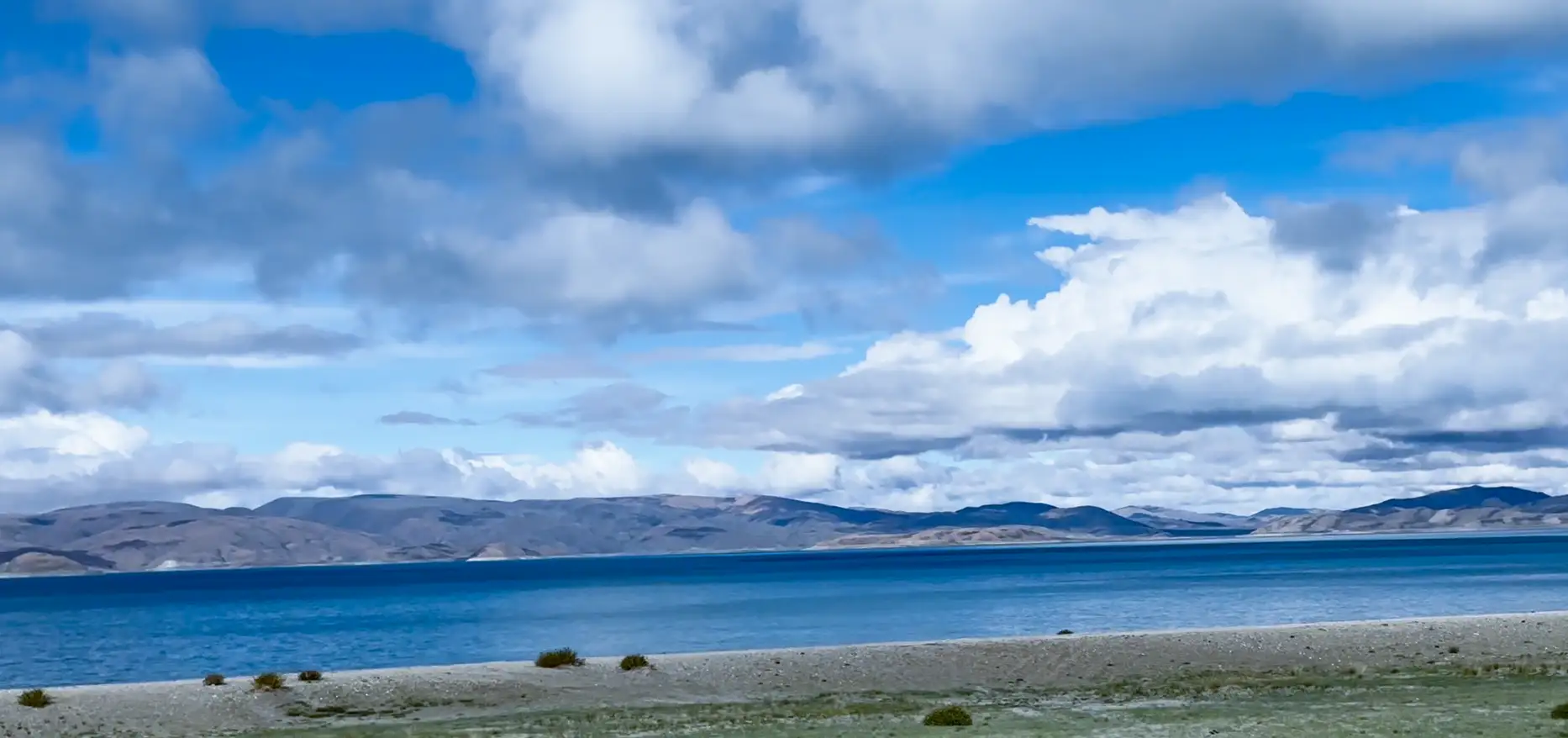
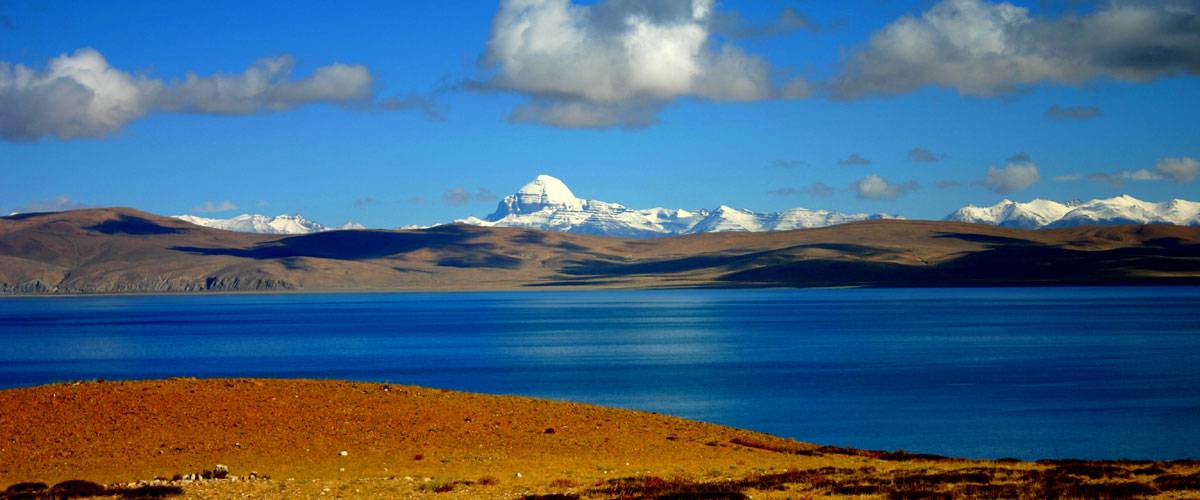
Late afternoon we reach Lake Manasarovar. It’s a holy lake for Hindus and Buddhists. Many pilgrims pray here, sit quietly, or take a dip if the weather is okay. From the lake you can see Gurla Mandhata mountain and Chiu Monastery up on the hill.
We stay in a guesthouse near the lake. Have dinner, rest early — tomorrow is important.
Lake Manasarovar to Darchen (4,675m)
Today is an easier day — a short 40 km drive (about 1–2 hours) — giving you time to slow down and absorb the energy of Lake Manasarovar before moving closer to Mount Kailash.
After breakfast, most pilgrims like to spend a quiet hour by the lake. Some perform simple puja, some collect holy water, others just sit and look across the vast blue water toward the mountains. If you wish, we can also visit Chiu Gompa, a small monastery perched on a hill above the lake. It’s believed that Guru Rinpoche (Padmasambhava) meditated here, and the views over Manasarovar and the surrounding peaks are calm and powerful.
Later, we drive to Darchen, the small settlement at the foot of Mount Kailash and the starting point of the sacred Kailash Parikrama (Kora). During the yatra season, the town feels alive with pilgrims from different regions, and on clear days you can already see part of Kailash’s western face from the area.
After checking into the guesthouse, our team helps you prepare for the kora — checking walking shoes, arranging yaks or porters if needed, and having a short briefing with the guide about the trail and tomorrow’s plan.
The rest of the day is for rest. Eat an early dinner, stay warm, and sleep well — altitude is high, and tomorrow is an important day.
Darchen to Dirapuk – First Day of Kailash Kora (5,080m)
Today is the big one — the start of the sacred Kailash kora (parikrama). After early breakfast in Darchen, we drive a short way to Yamdwar — the traditional starting gate. Many pilgrims stop for a quick prayer here — it’s like leaving worries behind and stepping into something holy.
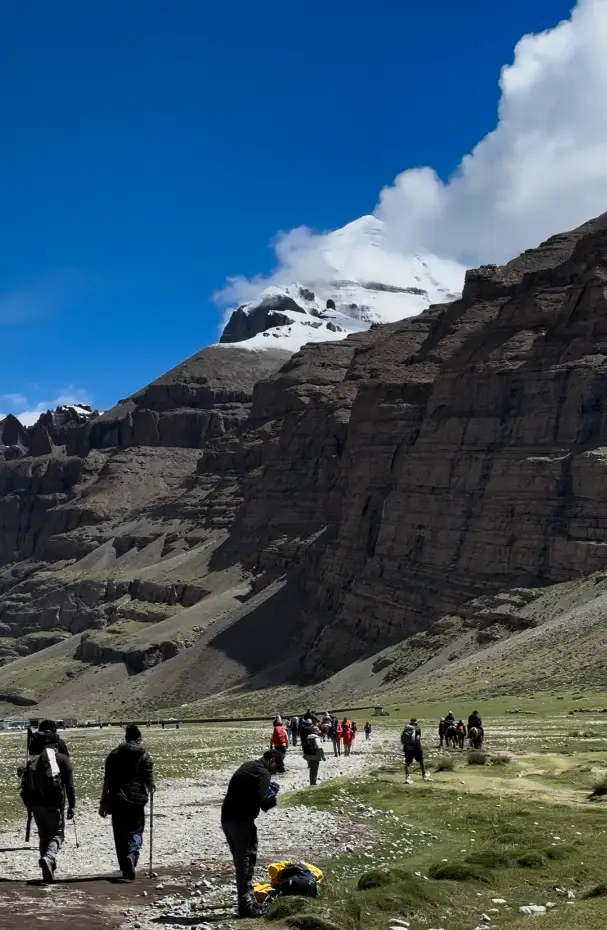
From Yamdwar, the trail goes through the wide Lha Chu valley — gentle uphill, prayer flags everywhere, mani stones, and other yatris from India, Nepal, Tibet walking together. It’s quiet and open.
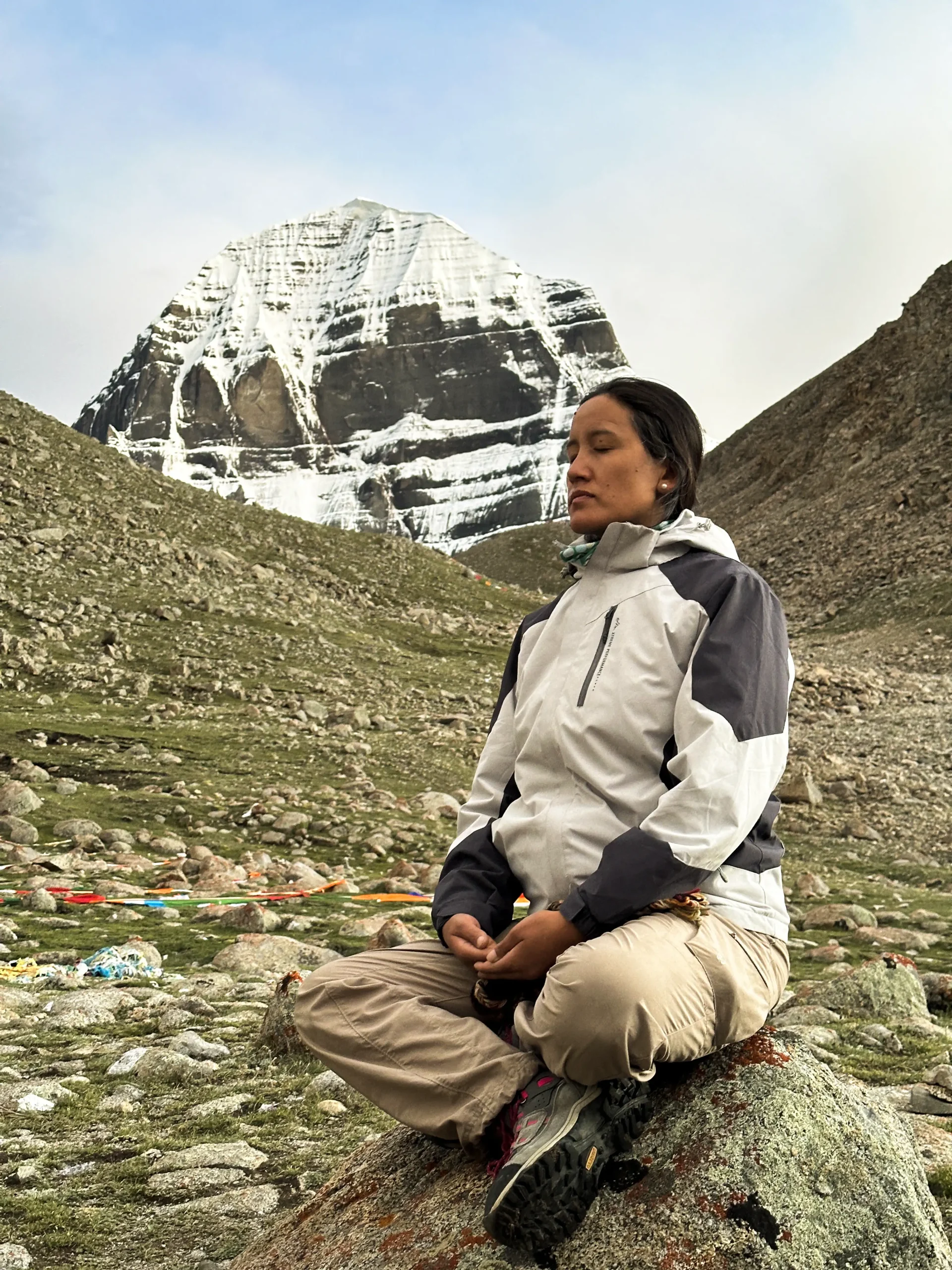
We have lunch on the trail. Then the path leads to Dirapuk Monastery — right under the north face of Kailash. Standing there is powerful — most people feel something special, maybe even emotional.
Check into the basic guesthouse. Afternoon is free — rest, short walk around the monastery, or just sit and watch the mountain. If the weather is clear, sunset views are amazing.
Dirapuk to Zuthulpuk (4,790) via Dolma La Pass (5,630m)
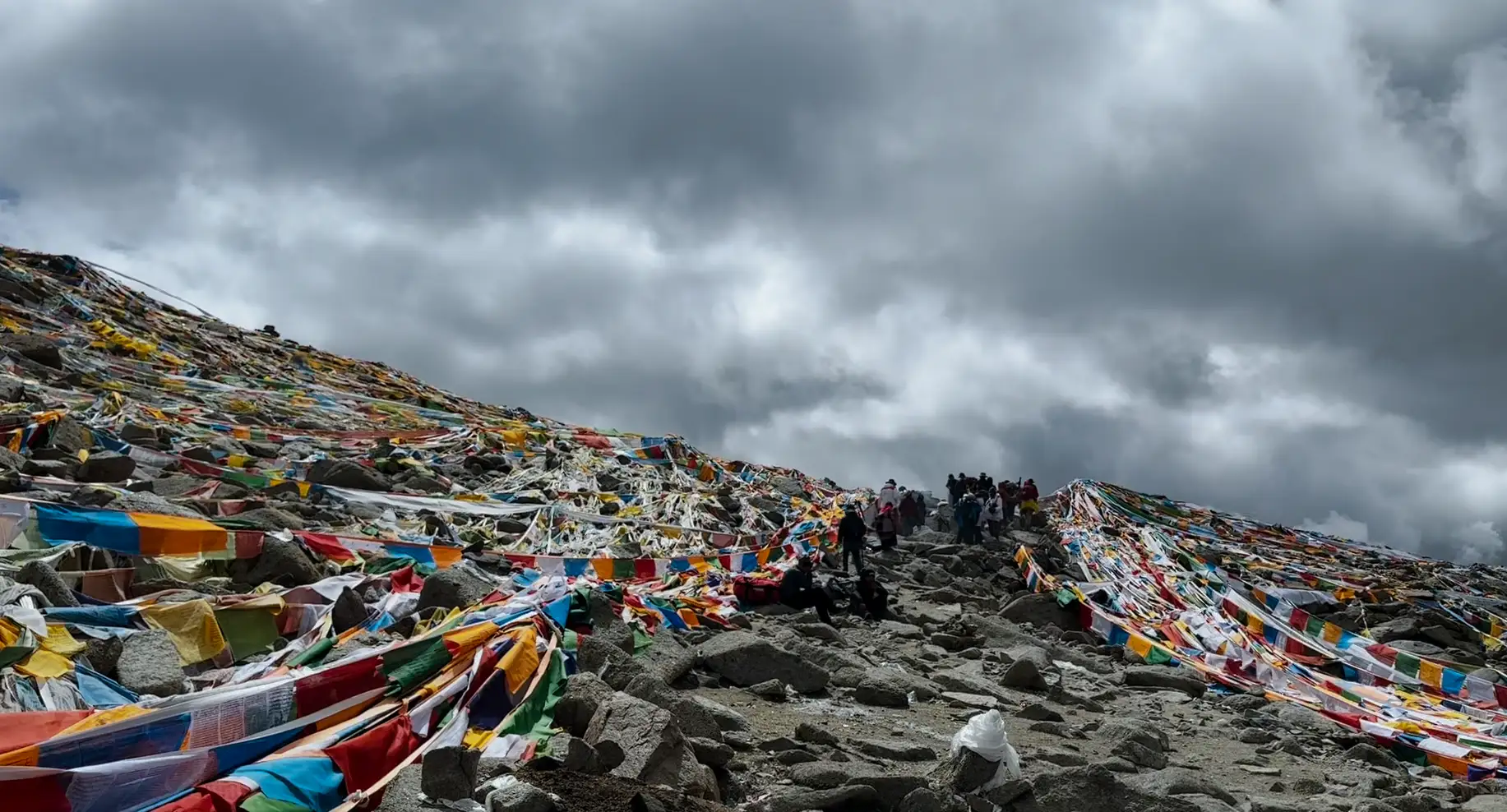
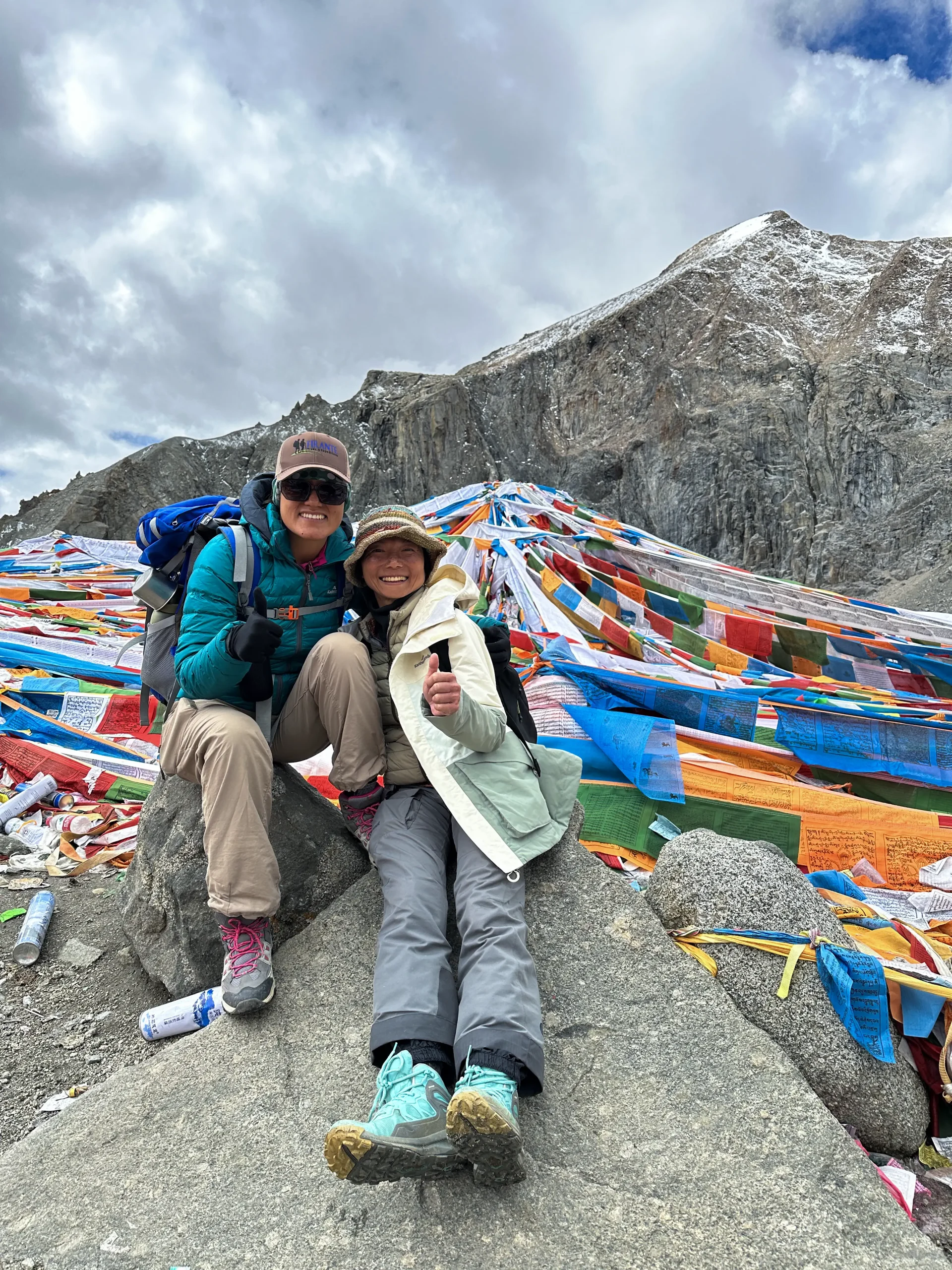
Today is the toughest but most powerful day of the kora. We start early (before sunrise) after light breakfast. The path climbs slowly and steeply from Dirapuk to Dolma La Pass (5,630m) — the highest point. Rocky trail, lots of prayer flags and offerings from past pilgrims.
Near the top is Shiva Sthal — pilgrims leave small things here (cloth, prayers) to let go of old stuff and ego. It’s quiet and emotional.
At the pass, short rest for prayers and photos (if weather is good). Below is Gauri Kund — the beautiful turquoise lake for Goddess Parvati.
The descent is steep and rocky at first — careful steps. Then it gets easier in the valley to Zuthulpuk (Milarepa’s meditation cave). We reach the guesthouse by late afternoon, tired but happy.
Complete Kailash Kora – Drive from Darchen to Saga (4,640m)
Today we finish the kora — the easiest walking part. After breakfast in Zuthulpuk, we start the last stretch: gentle downhill through wide valleys, prayer flags, and other pilgrims walking together. It’s a relaxed way to end, with time to think about the whole journey.
By late morning we reach Darchen — the official end of the three-day parikrama. Most people feel happy and relieved here. We take a short rest, have lunch, then start the long drive back to Saga.
The road is big open plateau again — we stop for tea, snacks, and breaks so it’s not too tiring. The body feels better as altitude drops.
We arrive in Saga by evening, check into the guesthouse, have dinner, and rest.
Drive from Saga to Kerung (2,700m)
After breakfast in Saga, we start the drive back to Kerung — retracing the same plateau road. Today feels quieter and easier after the kora — the big landscapes, nomad tents, and open silence are nice to see again.
We stop for lunch, tea, and short breaks to stay comfortable. As we go down, breathing gets easier and energy comes back — it’s a good feeling.
By late afternoon we reach Kerung — green valley town after all the dry high land. Check into the hotel/guesthouse, rest, have a warm shower, and enjoy dinner.
Drive from Kerung to Kathmandu (1,350m)
After breakfast in Kerung, we head back to the Rasuwagadhi border. Our Tibetan guide helps with exit formalities — it can take time, so we stay patient.
Once we cross into Nepal, the Nepali team takes over. The road follows Trishuli River — downhill through green hills, forests, and villages. After the dry plateau, the trees and warmer air feel really nice.
We reach Kathmandu by late afternoon or evening (traffic can slow us). Transfer to your hotel — the Kailash yatra is officially done!
Evening is free — rest, walk around, or have a good city meal (many people crave momos or dal bhat after Tibet).
End of the tour fly back home
End of the tour, fly back home according to your flight schedule.
Not quite satisfied with this itinerary?
No worries – every traveler has unique preferences, and we’d be happy to adjust the plan to match your style, comfort, and interests. Let us know what you’d like to add or change, and we’ll create a journey that feels truly yours.
Customize TripAdditional Informations
Why Travel with Firante Treks?
- Nepal-based expertise: Our Kathmandu team directly manages permits, Tibet group visas, border formalities, and on-ground coordination.
- Two distinct Kailash routes: Choose the easier Kerung overland route or the adventurous Simikot–Humla approach.
- Pilgrim-focused planning: Pure vegetarian meals, careful altitude pacing, and small, supportive groups.
- Safety first: Acclimatization days, oxygen backup, and experienced high-altitude guides.
- Meaningful experience: Guidance on rituals, lake puja timing, and cultural understanding rather than rushed sightseeing.
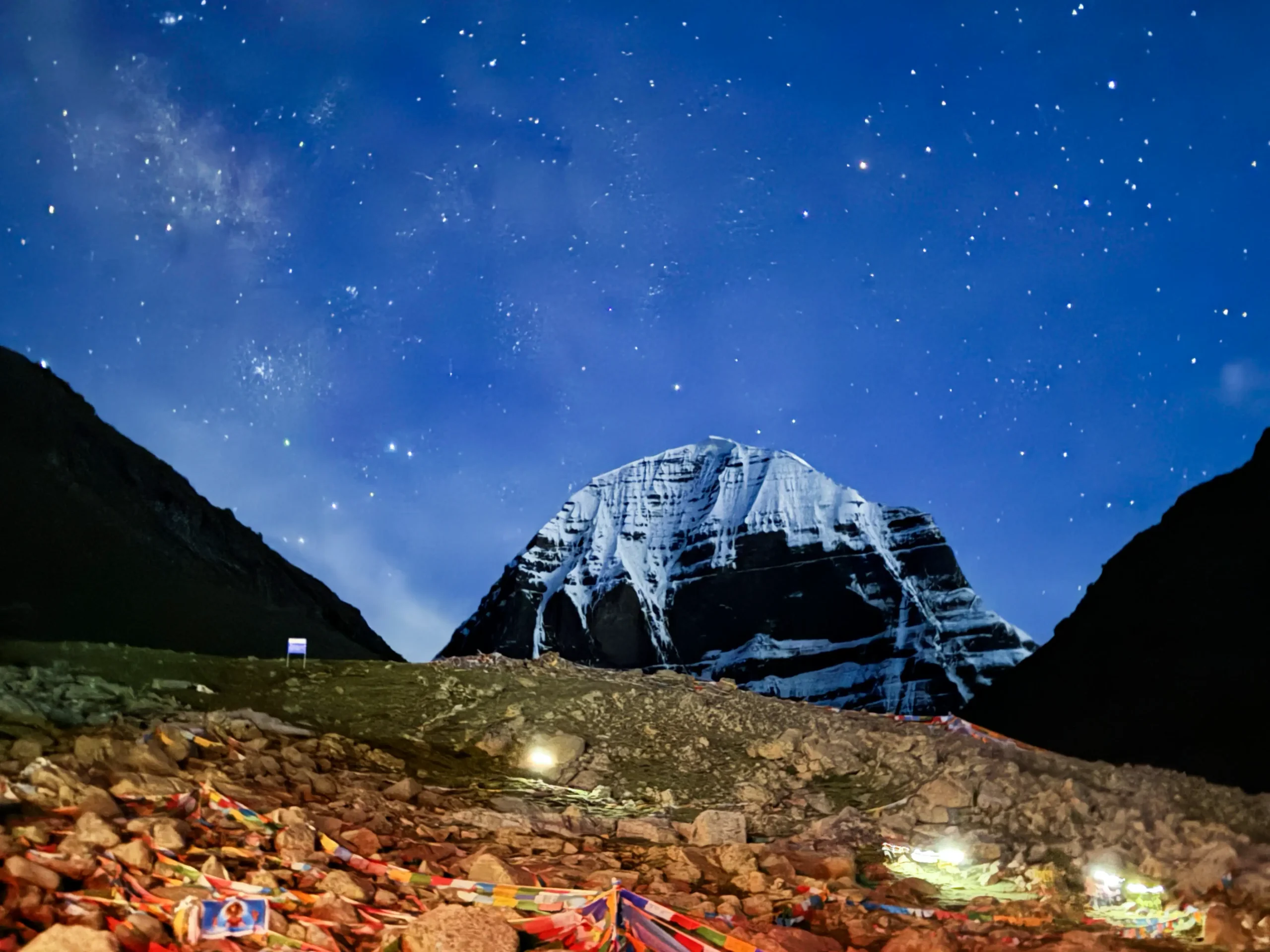
Many pilgrims share that their most powerful moment comes at Dirapuk, when the north face of Mount Kailash appears at sunrise—silent, immense, and deeply humbling.
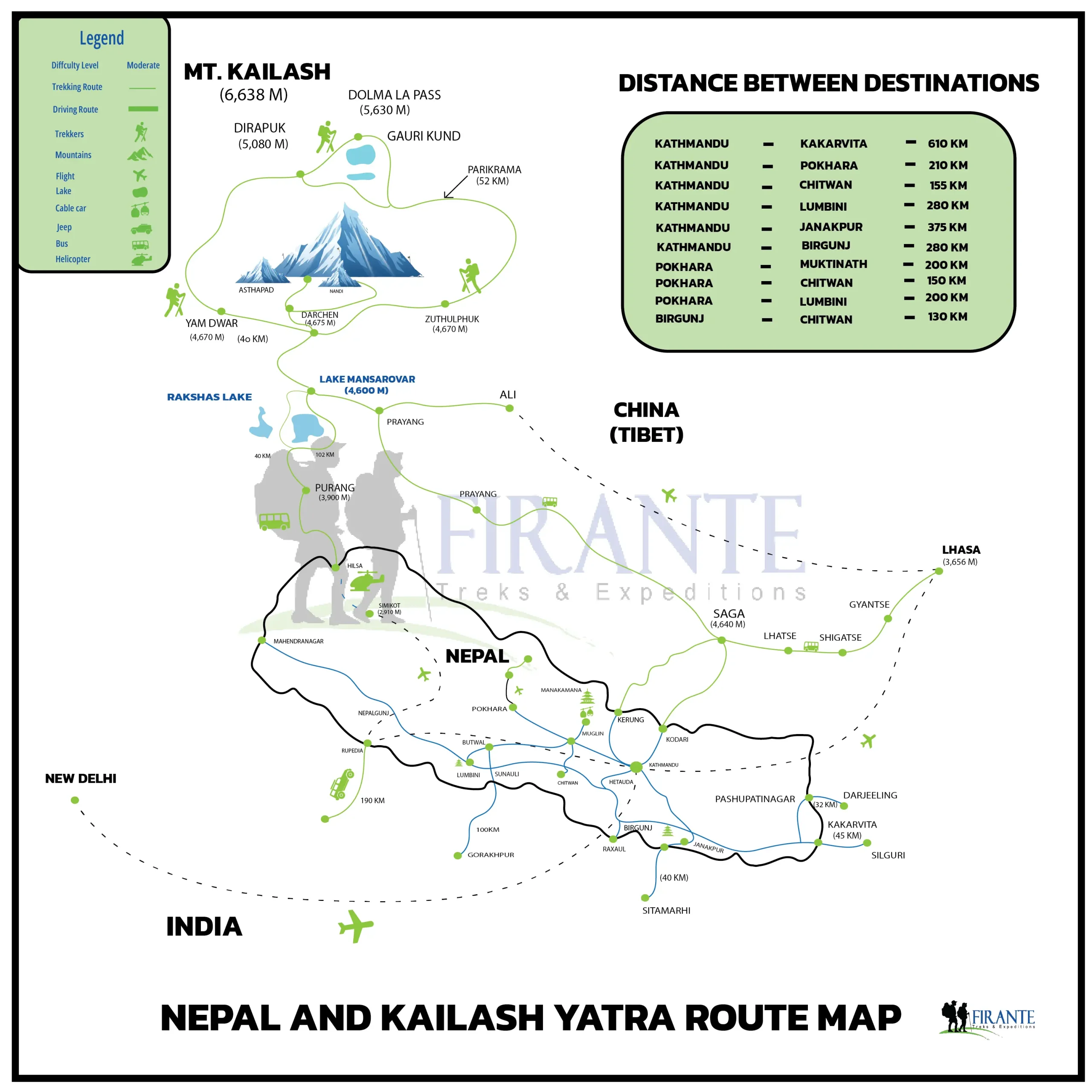
Trip Map
Trip Gallery
Trip FAQs
1. Is the Kerung route suitable for first-time Kailash pilgrims?
Yes. The Kerung route is considered the most accessible option, with gradual altitude gain and minimal trekking compared to other routes.
2. How difficult is the Kailash kora?
The kora is moderate but challenging due to altitude. The Dolma La crossing is the hardest section, requiring steady walking rather than technical climbing.
3. Do I need prior trekking experience?
Previous trekking experience is helpful but not mandatory. Good physical fitness and preparation are more important.
4. What kind of accommodation is provided?
Hotels in Kathmandu and simple, clean guesthouses in Tibet. Facilities are basic near Kailash due to the remote location.
5. Are vegetarian meals available throughout the trip?
Yes. We arrange pure vegetarian meals throughout the yatra, suitable for pilgrims.
6. What is the best time to join the Kailash Yatra in 2026?
May to November is the best window, with stable weather and open border conditions.
7. Is travel insurance compulsory?
Yes. Insurance covering high-altitude trekking and emergency evacuation is mandatory.
8. Can elderly pilgrims join this yatra?
Many elderly pilgrims successfully complete the yatra, but medical clearance and good fitness are essential.
9. What happens if the Kerung border closes unexpectedly?
Firante Treks evaluates alternatives, including schedule adjustments or route changes, depending on conditions.
10. How do I choose between Kerung and Simikot–Humla routes?
Kerung is ideal for comfort and road travel, while Simikot–Humla suits travelers seeking adventure and deep cultural immersion. Our team can guide you based on your fitness and interests.
You may also like
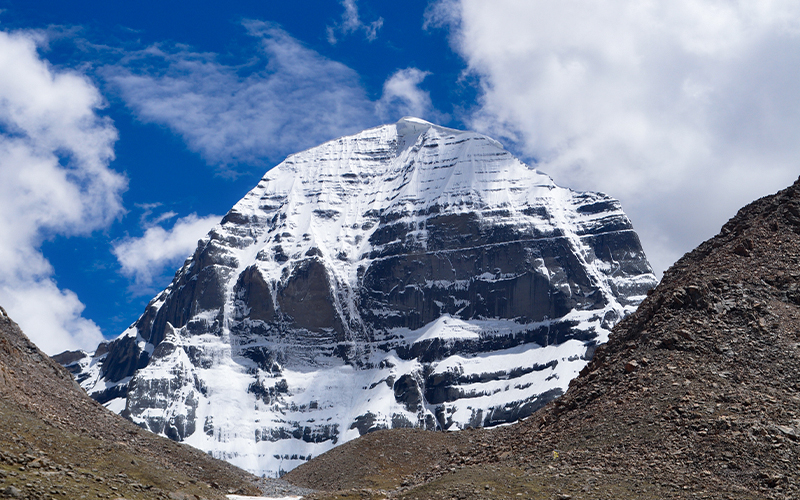
Kailash & Upper Humla Circuit Trek 2026: Start your spiritual journey to Mount Kailash and the remote Upper Humla region. Experience breathtaking Himalayan landscapes, unique Tibetan culture, and untouched wilderness. Trek safely with proper acclimatization, local guides, and essential gear for an unforgettable Kailash Yatra 2026.
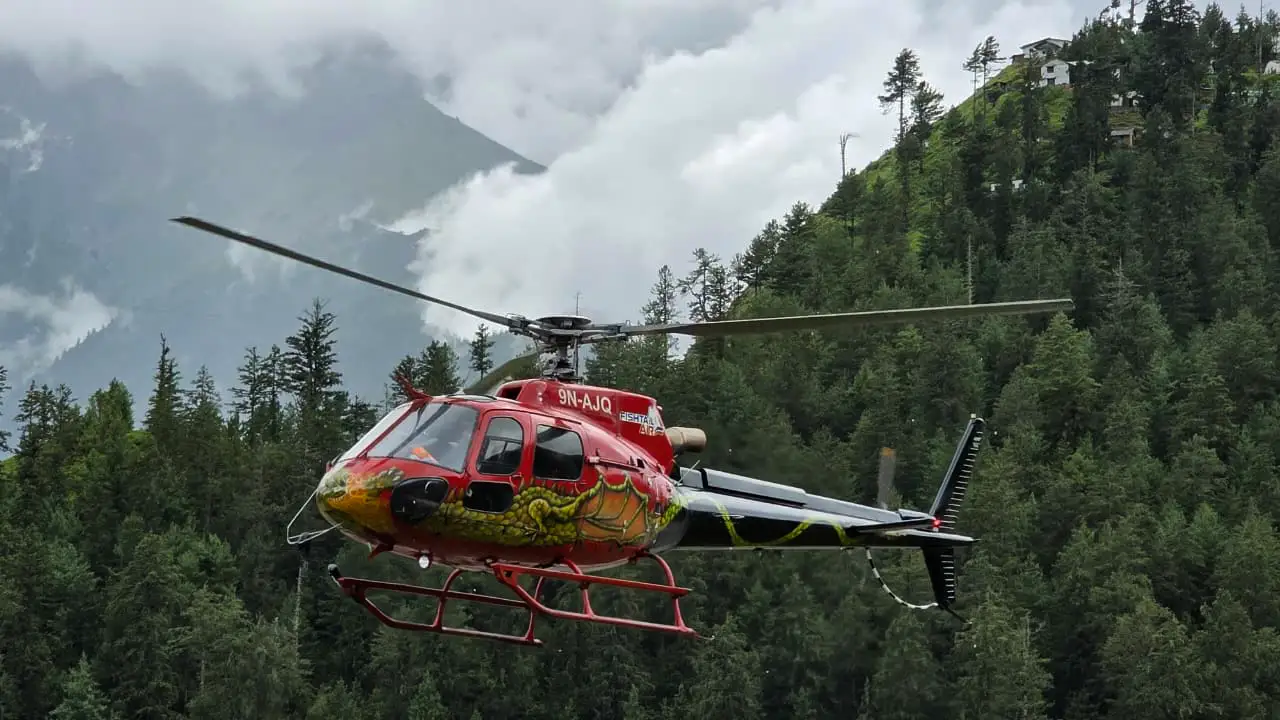
The Tibetan Year of the Horse arrives in 2026, a year also known as the sacred Mount Kailash Year. This is considered a very special and auspicious time for the Kailash Yatra. Please make sure to book your trip early to secure your place for this once-in-a-lifetime journey. We look forward to seeing you in Kailash. Jye ho.
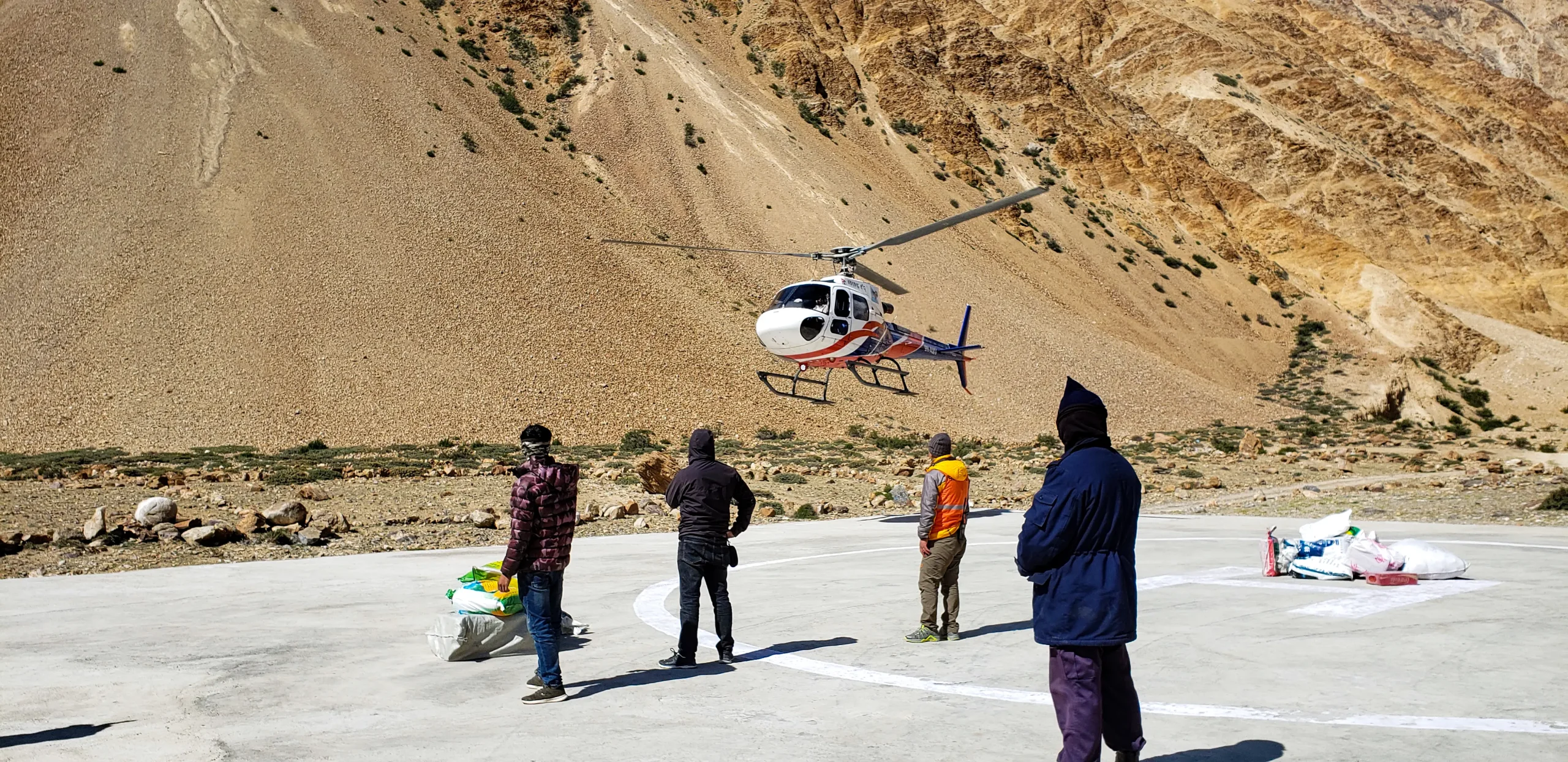
Pilgrims from all over the world have a deep confidence in Mount Kailash, which is viewed differently by worshippers from many countries and ethnic...
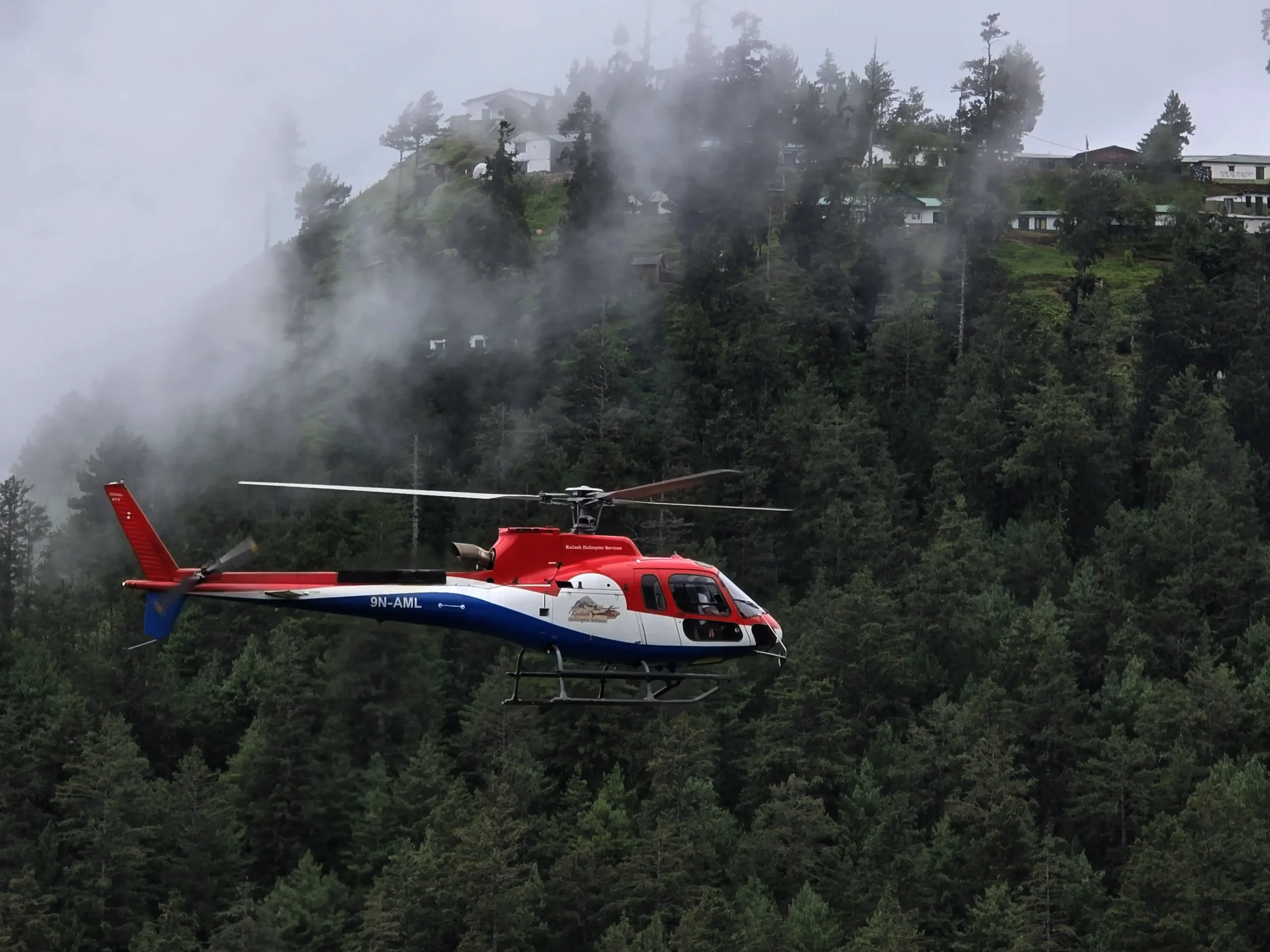
Trip Overview Mt. Kailash and Lake Mansarovar are two of the most important pilgrimage sites in the world for Hindus, Buddhists, Jains and Bon...
The Mount Kailash Saga Dawa Festival Trek via Simikot 2026 is a rare spiritual journey that combines one of the holiest Buddhist festivals with...
